
Victorian Library Shelves
Victorian library shelves offer sturdy timber storage for heavy volumes, bringing period character and practical depth to a study or sitting room.
Victorian library shelves
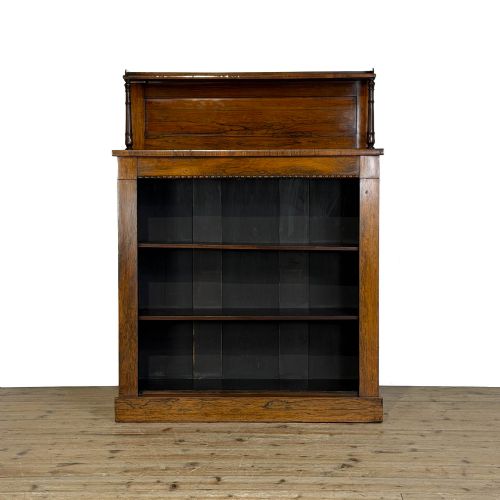
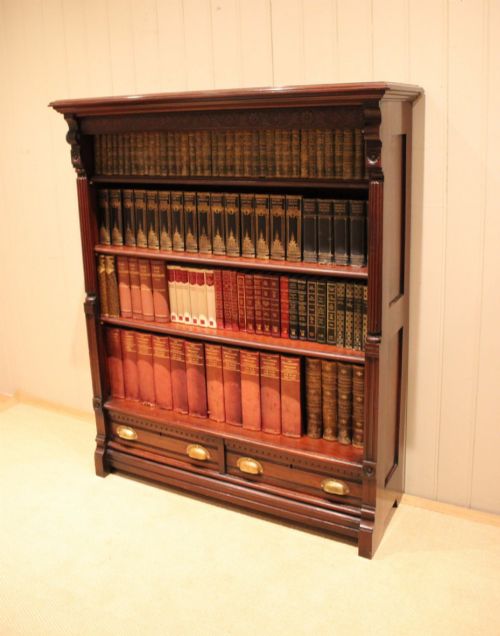
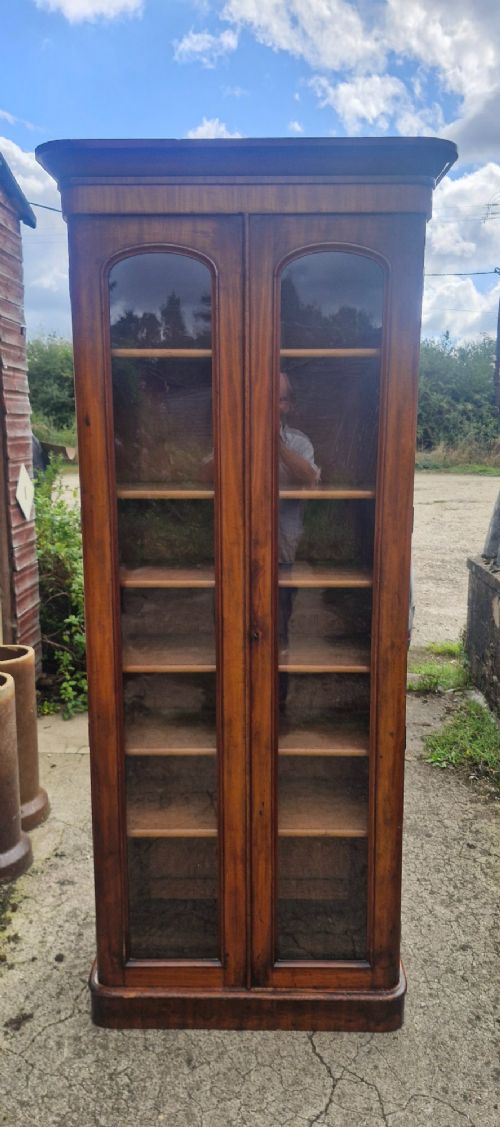
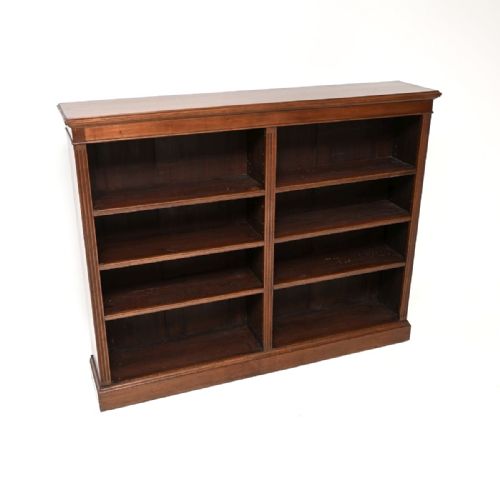
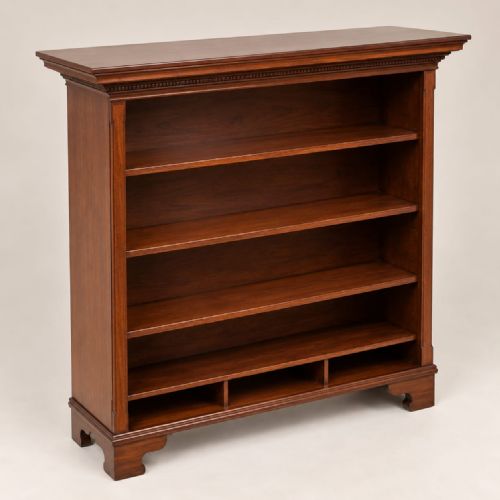
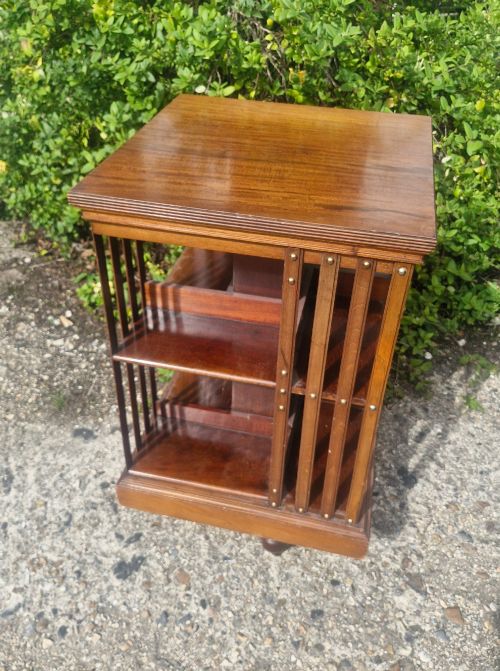
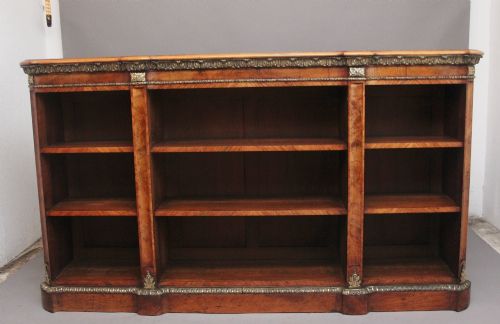
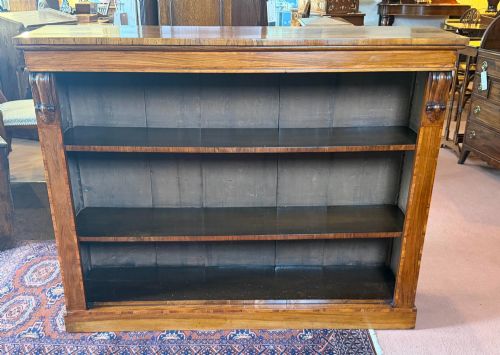
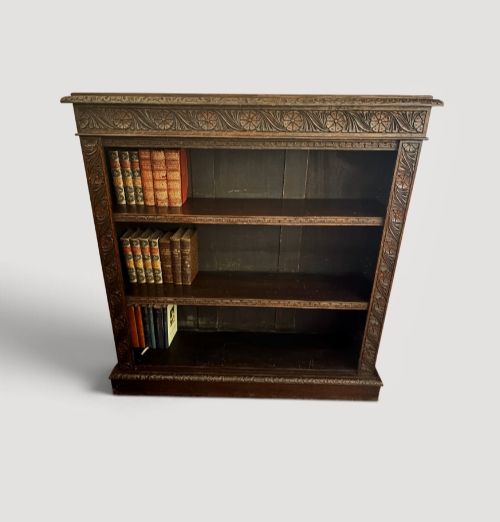
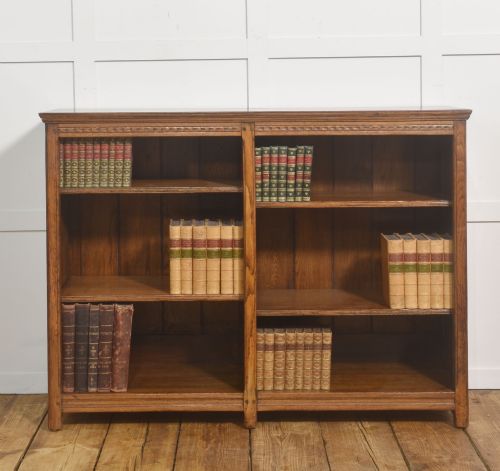
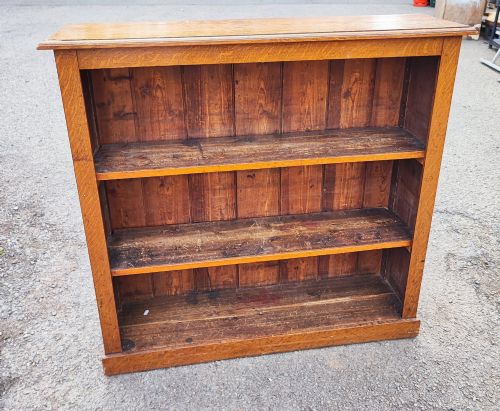
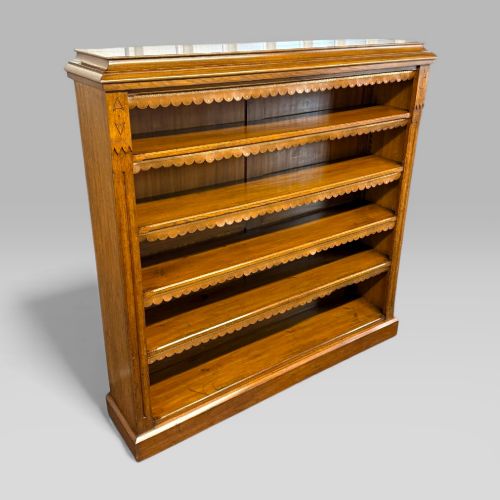
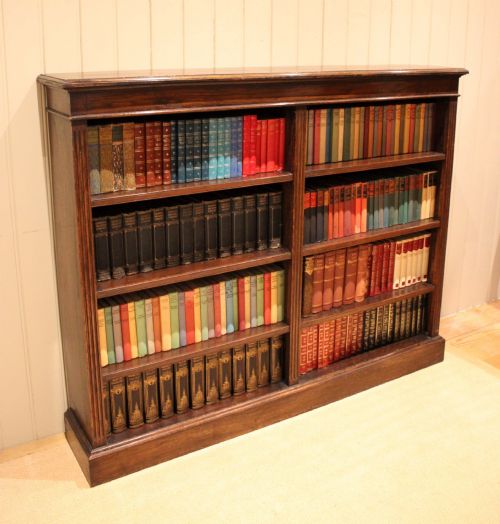
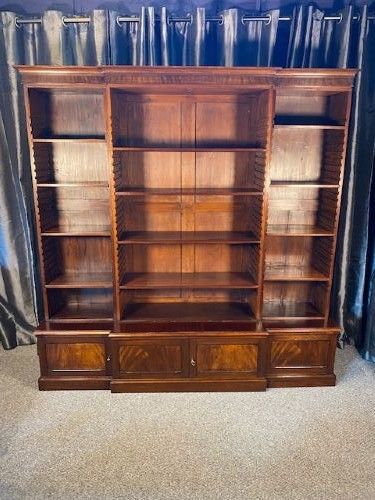
These pieces are bookcases and library cabinets designed for domestic studies, sitting rooms and libraries during the nineteenth century. Most examples seen in trade are open bookcases or breakfront library cabinets providing generous shelving for books.
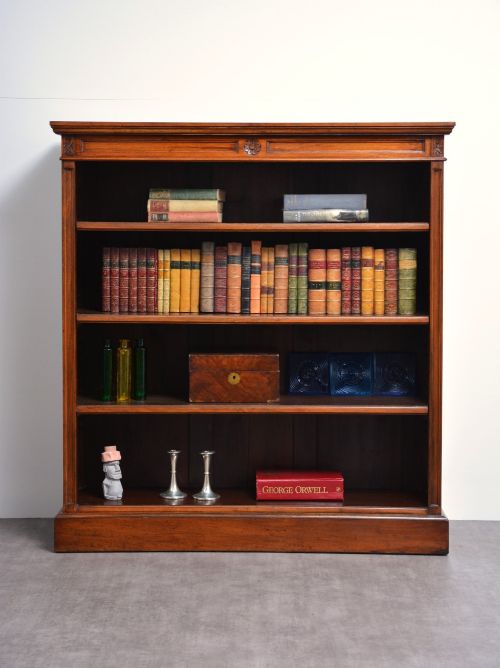
The version most commonly met on this page is the open bookcase, often constructed in sections to accommodate large numbers of volumes. Adjustable shelving appears repeatedly, allowing owners to alter shelf heights for varying book sizes.
Origins stretch across the nineteenth century, including specific dates from the mid-Victorian era up to around nineteen hundred. Pieces range from straightforward softwood frames to large-scale breakfront formats intended for extensive private collections.
Materials and construction
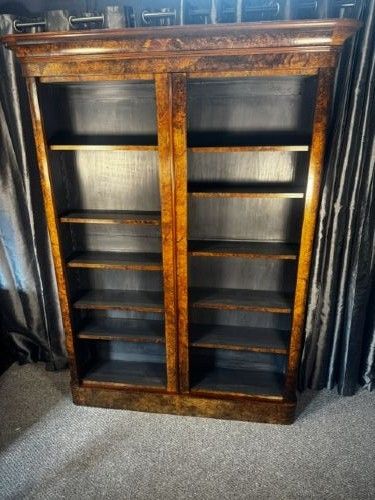
Cabinet makers utilised a range of timbers including walnut, burr walnut, oak, mahogany and softwood. Figured veneers and burr walnut surfaces added decorative grain patterns to the front facades of larger library cabinets.
Construction methods focused on durability and utility, featuring adjustable shelving supported by internal wooden tracks or brackets. Specific refinements included leather-edged shelves designed to protect fine book bindings from wear.
Retail Price Guide 2026
Typical UK retail prices for victorian library shelves, calculated from the Sellingantiques database of over a million retail prices indexed since 2003. This retail price guide relies exclusively on Sellingantiques data; no external sources or auction records are used, so the figures do not describe the wider market.
The archive records mid-Victorian breakfront formats alongside single-section open bookcases with leather-edged shelves.
Judging quality
The division between standard storage and superior cabinet work rests on timber selection and architectural presence. Figured veneers and burr walnut grain distinguish high-status examples from simpler softwood carcases.
Complexity of form also elevates a piece, moving from straightforward single-section open bookcases to multi-section breakfront formats with lower cupboard doors. Integrated details such as leather-edged shelving indicate higher-grade commission work.
The Victorian Library Shelves Glossary
- Breakfront
- A cabinet design where the central section projects forward from the flanking wings. This architectural layout creates depth and shadow across large library pieces.
- Adjustable shelves
- Shelves that can be moved up or down to accommodate books of varying heights. This mechanism uses internal slots, pins or wooden supports.
- Burr walnut
- Timber taken from a walnut tree growth showing intricate swirling grain patterns. Cabinet makers prized this material for decorative veneering on prominent surfaces.
- Open bookcase
- A bookcase lacking glass doors or solid front panels, exposing the book spines directly to the room. These pieces provide immediate access to working libraries.
Frequently Asked Questions
What are victorian library shelves used for?
These pieces function primarily as storage for books, periodicals and reference volumes in studies or living spaces. The open format allows immediate visibility and access to a working collection.
Larger breakfront designs and tall cabinets also serve to display decorative objects alongside standard shelving. Adjustable heights accommodate everything from small novels to folio-sized volumes.
How do I adjust the shelves?
Most period examples use a system of internal wooden supports, vertical tracks or peg holes placed inside the cabinet carcases. Shelves rest upon these removable supports rather than being permanently fixed.
Lifting the shelf clears the supporting pins, allowing repositioning at different heights to suit varied book sizes. Care must be taken not to force tightly fitted timber runners.
How do I care for walnut veneer?
Walnut veneer requires protection from direct sunlight and excessive heat sources to prevent the wood from drying out or warping. Regular dusting with a soft, dry cloth preserves the polished surface.
Avoid using silicone-based polishes or excessive moisture on nineteenth-century timber surfaces. Natural wax applied sparingly helps maintain the grain lustre.