





Opaque White Glass
Opaque white glass brings together eighteenth-century drinking vessels and nineteenth-century lighting, offering a crisp monochrome presence that suits any interior.
Opaque White Glass
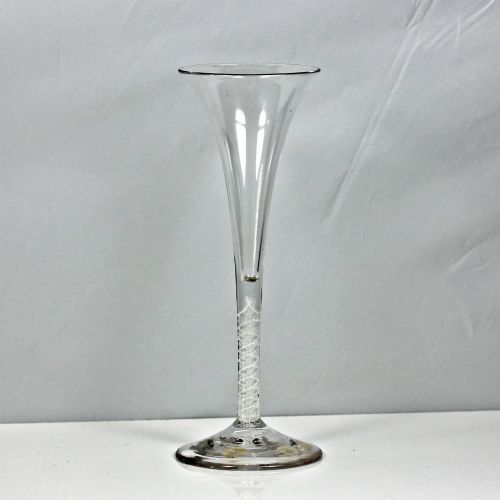
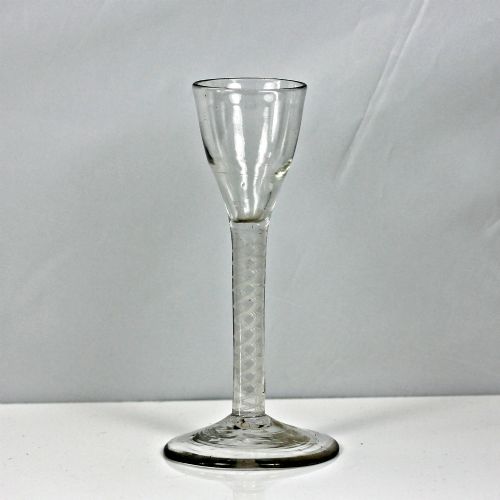
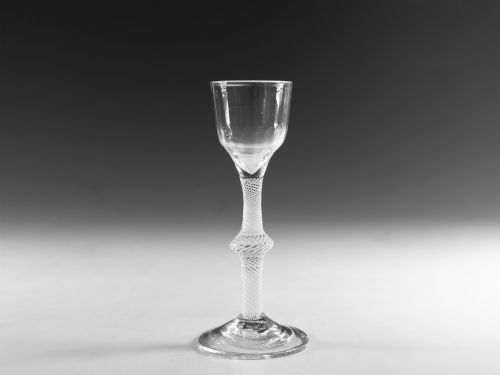
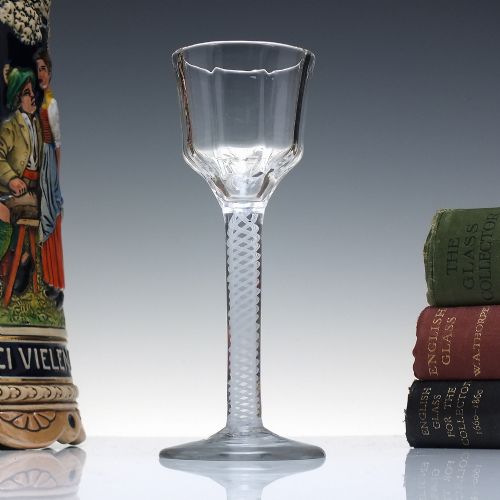
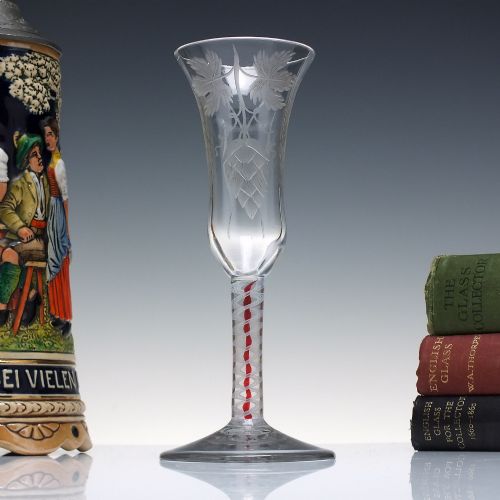
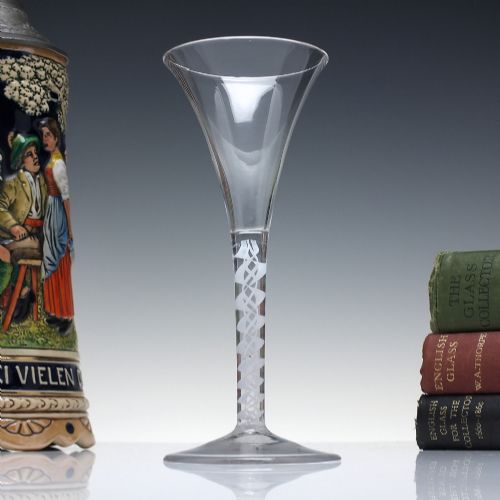
When you search for opaque white glass, you encounter everything from delicate drinking vessels to heavy nineteenth-century mantel lustres and lamps. The earliest items on this page are eighteenth-century English drinking glasses, particularly wine glasses with intricate stems.
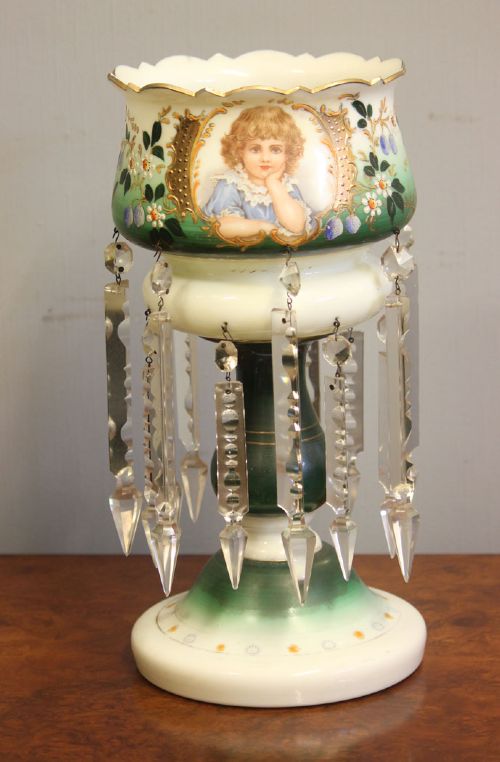
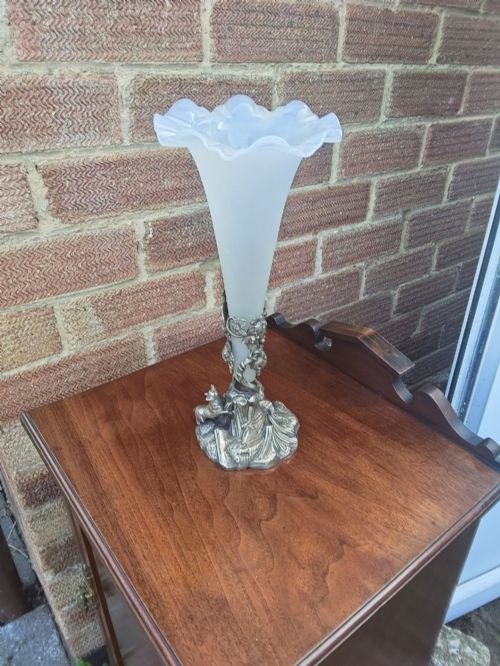
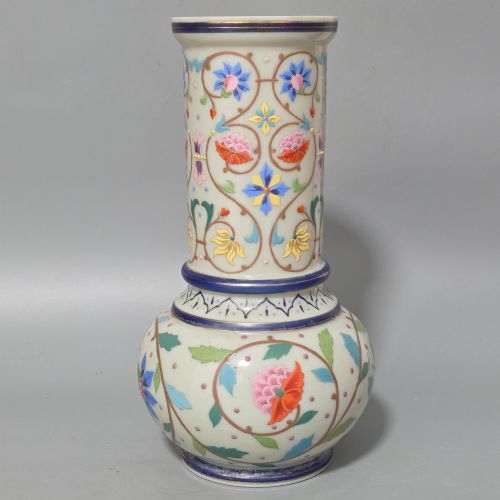
Beyond the drinking glasses, the selection broadens into decorative flasks, ewers, and lighting components originating from England, Bohemia, and Switzerland. These objects span several distinct eras, moving from Georgian tablewares to Victorian decorative items.
The most common forms on this page are wine glasses with opaque twist stems, alongside larger decorative pieces such as vases, decanters, and oil lamps. Each period brings its own characteristic weight and finish to the material.
How they were made
Glassmakers produced these objects using lead glass and opaline glass formulations, manipulating the molten material through blowing and moulding techniques. Opaque white effects were achieved by adding bone ash or other agents to the metal.
Stems on eighteenth-century wine glasses were formed by enclosing white enamel twists within clear glass, creating single or double series cables. Later nineteenth-century pieces often combined the white glass body with painted enamel details or overlay techniques.
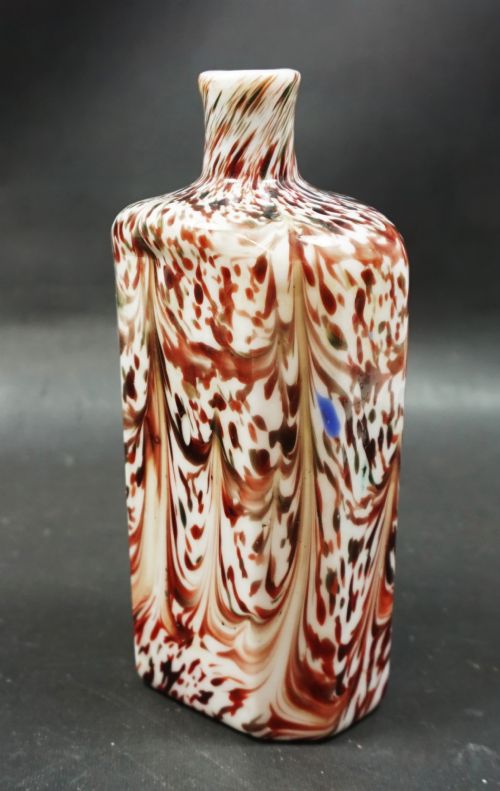
One Swiss flask from seventeen-fifty sports a cheerful splattered decoration over its white milk glass body.
What varies in quality
The definition and regularity of the internal enamel twists dictate the standing of an eighteenth-century wine glass, where tighter spirals show greater technical control. Finish and proportion separate standard utilitarian vessels from exhibition pieces.
On decorative nineteenth-century items, the crispness of painted enamel details and the precision of mould-blown forms determine the overall execution. Integrity of the glass body and any associated metal mounts complete the assessment.
Thomas Webb·Richardson
The Opaque White Glass Glossary
- Opaque glass
- Glass rendered milky or non-translucent through the inclusion of opacifying agents during the melt. It forms the foundation of all pieces found under this search.
- Opaque twist
- A stem form containing white enamel threads enclosed within clear glass. These threads run in single or double series spirals.
- Lustre
- A table or mantel ornament hung with cut glass prisms. The body is typically formed from coloured or opaque glass.
- Ogee bowl
- A bell-shaped drinking vessel profile curving out at the rim and in at the base. This silhouette appears frequently on eighteenth-century glasses.
- Sweetmeat glass
- A small footed vessel intended for serving confectionery or dry sweetmeats. They share many stem characteristics with wine glasses of the period.
Opaque White Glass: Frequently Asked Questions
What is opaque white glass?
It is a non-translucent glass created by adding specific mineral compounds to the molten batch. This produces a milky appearance resembling porcelain.
Craftsmen used this material across centuries for both delicate drinking vessels and substantial decorative household objects.
How do I date an opaque twist wine glass?
Dating relies on the bowl shape, foot formation, and the configuration of the internal enamel twists. Eighteenth-century examples typically feature folded feet and drawn or knopped stems.
Comparing the optic weight and the specifics of the metal helps narrow the decade of production.
Were these glass items used daily?
Eighteenth-century twist glasses were made for dining and tavern use, handling wine, ale, and cordials. Over time, many survived through careful handling and storage.
Larger nineteenth-century pieces served decorative and functional roles in the Victorian home, lighting rooms or holding cut flowers.
How should I clean antique white glass?
Gentle washing in warm water with mild soap is generally sufficient for durable glass surfaces. Avoid harsh abrasives that might damage painted enamel details.
Items with delicate surface decoration or metal mounts require particular care to prevent moisture damage.