



Regency Spirit Bottle
These regency spirit bottle pieces, spanning decanters, cases, and labels, offer the heavy cut glass and fitted containers that collectors use to furnish period sideboards.
Regency Spirit Bottle
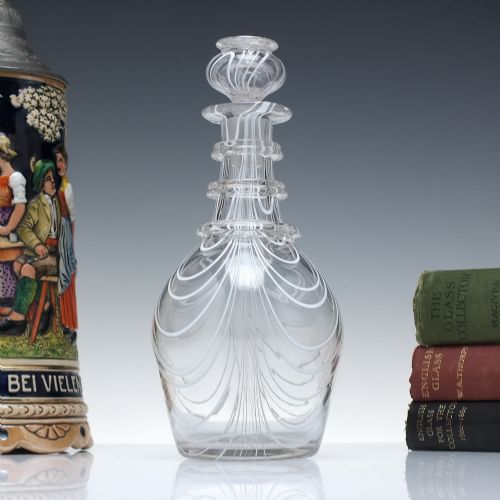
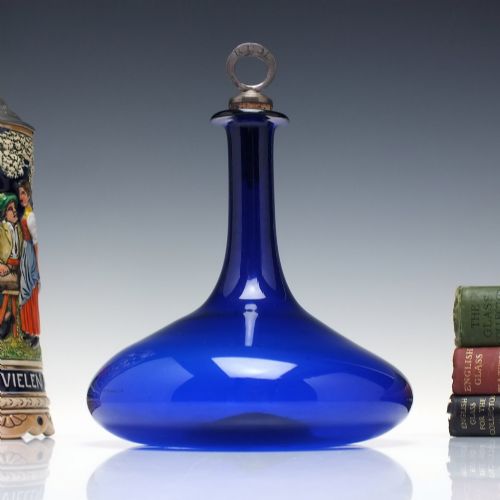
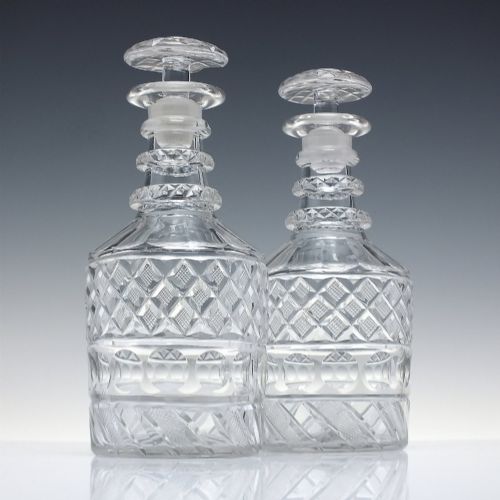
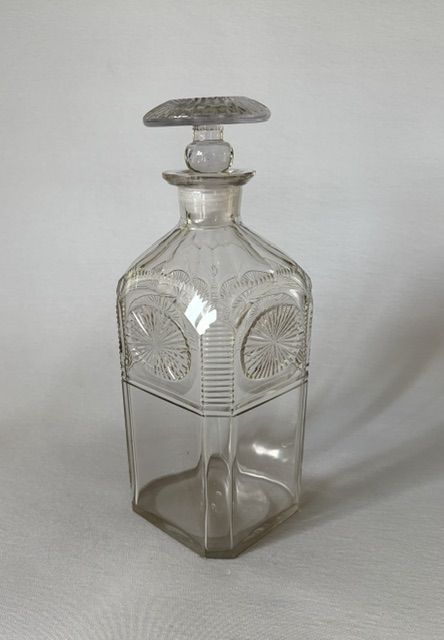
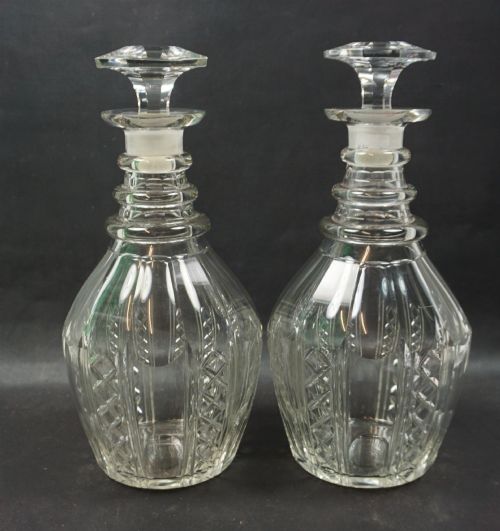
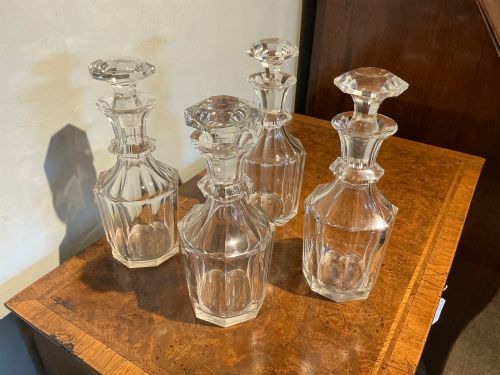
When you search for regency spirit bottle, you encounter a selection of glass decanters, silver labels, wooden cellarets, and presentation cases. These items originate predominantly from the Regency, Georgian, and 19th Century periods, reflecting the dining and drinking habits of the era.
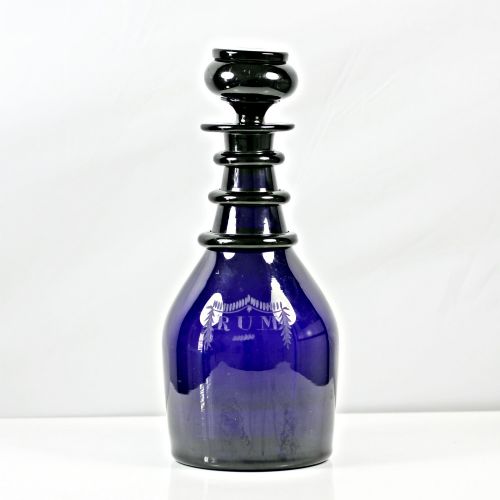
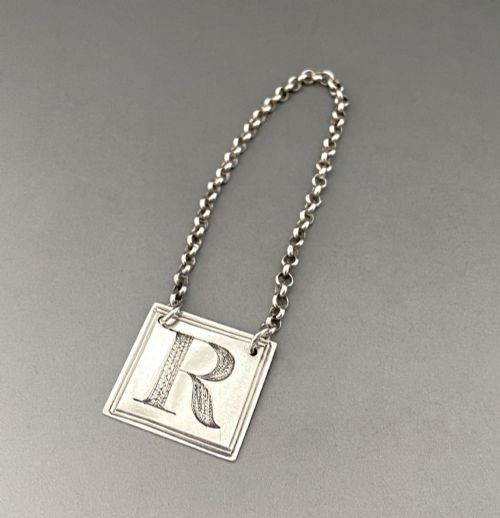
The most common forms on this page include cut glass decanters featuring multiple neck rings alongside blue glass vessels marked for rum or whiskey. Alongside the bottles themselves, you find associated silver spirit labels and oak cellarets designed to hold multiple bottles securely.
Makers and designers working in the Regency Neoclassical style produced fitted oak cases and cruet frames alongside lead crystal decanters. The material record ranges from clear crystal and cobalt glass to sterling silver, brass, and gold leaf.
How they were made
Glass vessels of this period utilise lead crystal and cut glass, often shaped using quilt moulds such as Nailsea techniques or formed into three-ring decanters. Artisans applied hand-painted details or deep wheel-cutting to create facets that caught the candlelight on the dining table.
Metal components involve sterling silver and Old Sheffield Plate for the decanter labels and cruet frames, alongside brass hardware fitted to oak cellarets and presentation cases. Gold leaf accents sometimes highlight the wooden grain or glassware decoration.
Regency Spirit Bottle Retail Price Guide 2026
Typical asking prices for regency spirit bottle among the pieces listed under this phrase on Sellingantiques today, from the lower quarter to the upper quarter. They describe what is for sale here now, not the wider market.
Listings combine Regency, Georgian, and Victorian periods with materials spanning cut lead crystal, cobalt glass, sterling silver, and oak.
What varies in quality
The distinction between standard items and superior examples lies in the crispness of the glass cutting and the weight of the lead crystal. Heavier vessels with deep, sharp facets and intact, matching stoppers demonstrate a higher grade of craftsmanship.
For fitted items like cellarets and presentation cases, quality depends on the joinery of the oak, the preservation of original brass handles, and the presence of matching silver labels or complete multi-bottle cruet frames.
The Regency Spirit Bottle Glossary
- Cellaret
- A lockable cabinet or wooden box designed to hold wine and spirit bottles safely beneath the sideboard.
- Decanter Label
- A small silver or plated tag suspended by a chain around the neck of a bottle to identify the contents such as rum or gin.
- Nailsea Glass
- Glassware characterised by opaque white looped or combed patterns set within clear or coloured glass, produced in nineteenth-century Somerset.
- Old Sheffield Plate
- A composite material formed by fusing a thin sheet of silver to a thicker copper base, common in cruet frames and hardware.
- Three-Ring Decanter
- A glass bottle featuring three prominent raised glass rings around the neck to provide a secure grip for pouring.
Regency Spirit Bottle: Frequently Asked Questions
What fits inside a cellaret?
These oak boxes and cases hold glass decanters and serving bottles securely in fitted interior compartments.
They sit beneath sideboards to keep spirits ready for the dining table.
How do I identify a Regency decanter?
Look for distinct neck rings, heavy lead crystal weight, and characteristic Georgian or Regency cutting patterns.
Cobalt blue glass and matching silver labels often accompany these pieces.
What were spirit labels used for?
Silver and plated tags hang from chains around bottle necks to name specific contents like rum or whiskey.
They prevent confusion when serving multiple decanters during formal meals.
Are stoppers usually original?
Many decanters retain their matched stoppers, though replacements occur frequently across nineteenth-century glassware.
Fit and glass colour help indicate whether a stopper belongs to the bottle.