




Old Sheffield Plate Tableware
Old sheffield plate tableware brings the rich lustre of fused silver and copper to the dining table, offering authentic Georgian and Regency craftsmanship.
Old Sheffield Plate Tableware
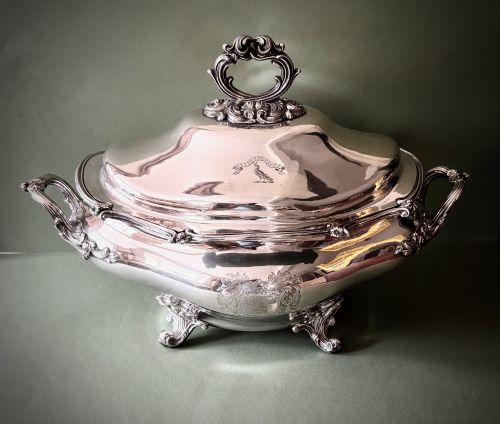
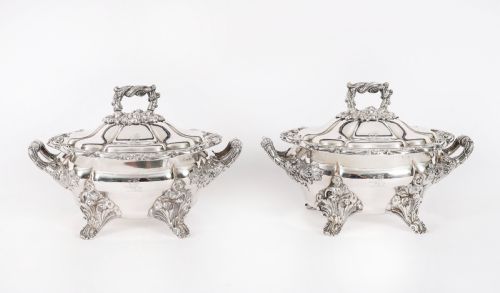
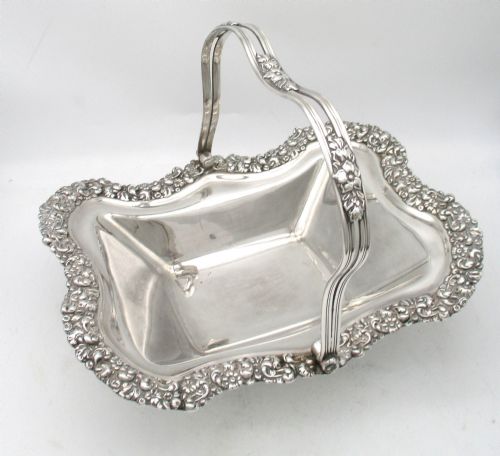
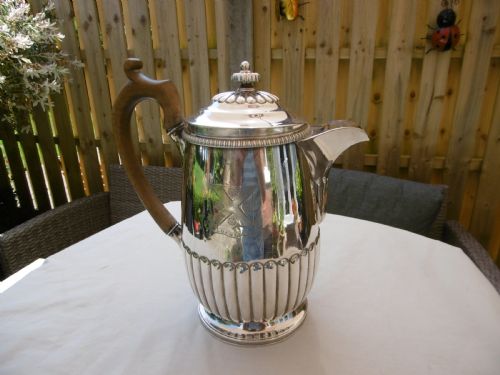
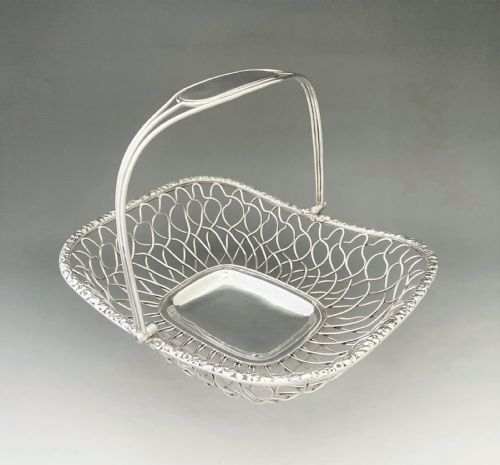
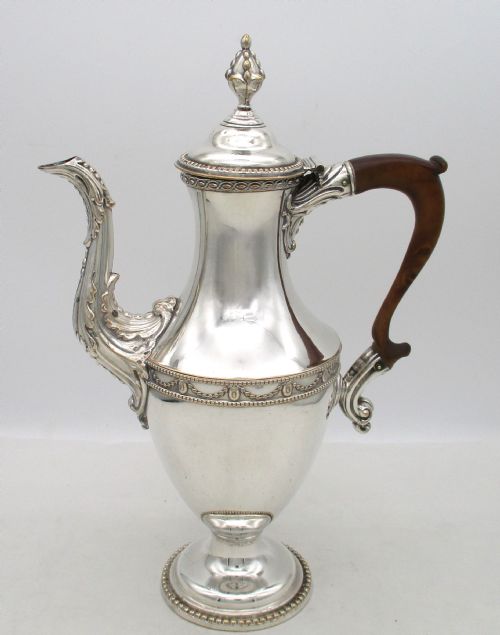
Old sheffield plate tableware comprises serving pieces and dining vessels created primarily during the eighteenth and nineteenth centuries, spanning the Georgian, Regency, and early Victorian periods. When exploring old sheffield plate tableware, collectors encounter forms such as coffee pots, tureens, baskets, sauce boats, and dinner plates.
The selection on offer ranges from intimate sweetmeat baskets dated around seventeen ninety to large coffee pots and lidded serving tureens from eighteen twenty. These domestic items formed the cornerstone of formal dining in polite households before electroplating superseded the traditional fusion method.
Materials and construction methods
Old sheffield plate tableware was produced by fusing a sheet of silver to a thicker base of copper, often with a thin layer of silver applied to the underside as well. This composite ingot was then rolled out under immense pressure into thin sheets before being shaped into articles.
Makers utilised techniques such as hand-raising, spinning, and soldering to construct complex vessels like coffee pots and tureens. Details such as wirework in baskets and applied silver borders were added subsequently to conceal exposed copper edges.
The listings span the eighteenth and nineteenth centuries, featuring Georgian, Regency, and early Victorian periods alongside materials such as silver plate, copper, and gold wash.
Factors that distinguish finer pieces
The quality of old sheffield plate tableware depends heavily on the crispness of the chased and embossed ornamentation and the integrity of the fused silver layer. Pieces retaining substantial silver coverage without excessive wear down to the underlying copper show superior initial manufacture and careful handling.
Design sophistication also marks the upper tier, where makers incorporated cast silver mounts, intricate wirework, and finely engraved heraldic crests. Proportion, weight, and the harmonious integration of handles and feet distinguish master silversmiths' output from standard workshop production.
Matthew Boulton·John Hoyland·Walker Knowles·Cresswick
The Old Sheffield Plate Tableware Glossary
- Old Sheffield Plate
- A composite material made by fusing silver and copper together through heat and pressure, invented in the eighteenth century.
- Mazarine
- A decorative draining plate or insert placed inside a larger dish to keep food elevated above its juices.
- Sweetmeat basket
- A small, pierced or wirework vessel used for serving sweet confections, nuts, or dried fruits at dessert.
- Entree dish
- A covered serving vessel designed for side dishes during formal multi-course dinners.
- Gold wash
- A thin layer of gold applied to the interior of silver or plated vessels, particularly those used for acidic foods or drinks.
Old Sheffield Plate Tableware: Frequently Asked Questions
How do I spot exposed copper?
Exposed copper typically appears as a warm, reddish glow showing through the silver layer, most frequently on high points, rims, or handles where friction has occurred over generations of polishing.
Collectors often view a modest amount of copper bleed as an honest sign of age rather than a severe detraction, provided the overall plating remains largely intact.
Can I use these pieces daily?
While these items were built for dining, modern use requires care due to the thinness of the historic silver sheet and the presence of softer metals. Hand washing with mild soap and avoiding abrasive cleaners will protect the surface.
Many collectors prefer to reserve them for special occasions or display, using gentle specialist silver cream only when necessary to maintain the lustre.
How do I date an unmarked piece?
Dating relies on stylistic clues, manufacturing techniques, and the evolution of edge borders and handle designs from the Georgian era into the nineteenth century. Earlier eighteenth-century items often feature simpler wirework and hand-raised bodies.
Later pieces from the eighteen twenties and forties frequently display heavier applied mounts and distinct Regency or early Victorian revival motifs.
What is wirework construction?
Wirework involves soldering individual strands or bars of silver-plated metal together in open geometric patterns, commonly seen in baskets and coasters from the Georgian period. This technique created light, airy vessels without using heavy sheet metal.
Inspecting the interior joints reveals the precision of the silversmith's hand in aligning and securing each delicate wire element.