





Silver Beverage Server
A silver beverage server brings centuries of table craft to your home, offering a functional vessel for coffee, tea, chocolate, or wine.
Silver Beverage Server
A silver beverage server encompasses coffee pots, tea urns, chocolate pots, hot water pots, and claret jugs designed to hold and pour liquids at the table. When you search for this phrase, you will encounter diverse forms spanning the Georgian, Regency, Victorian, and Edwardian eras.
The most common versions on this page include Georgian and nineteenth-century silver-plated coffee pots alongside Edwardian sterling silver pieces. These vessels range from formal urns and ewers to glass jugs mounted with metalwork.
Origins vary across English, Scottish, and Sheffield workshops, reflecting the shifting domestic habits of elite households throughout the nineteenth and early twentieth centuries.
Materials and construction methods
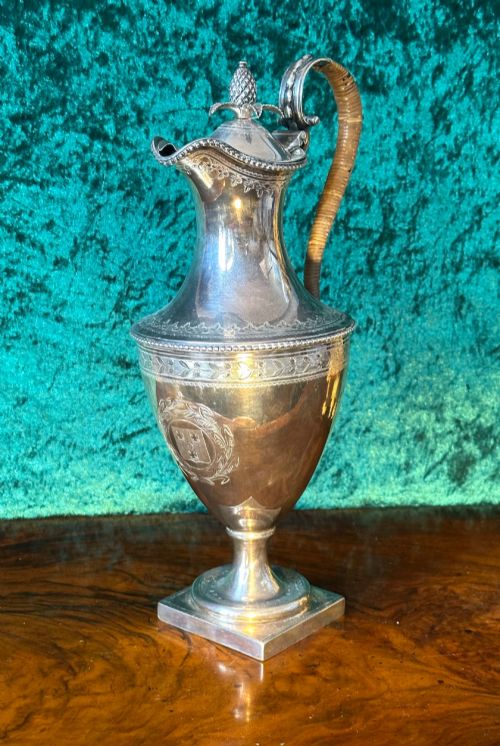
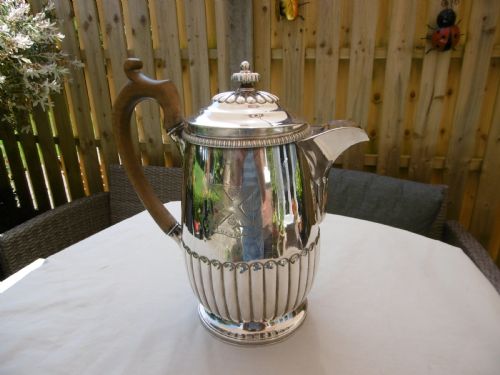
Makers utilised solid sterling silver, Old Sheffield plate, and standard silver plate over base metals, frequently pairing metal bodies with glass, wood, bone, and wicker elements. Handles often incorporate wood or bone insulators to protect the hand from heat during pouring.
Construction techniques combine traditional smithing and casting with early plating methods, where thin sheets of silver were fused to copper bases. Decorative details such as crests and classical motifs were hand-chased or applied by skilled artisans.
Silver Beverage Server Retail Price Guide 2026
Typical asking prices for silver beverage server among the pieces listed under this phrase on Sellingantiques today, from the lower quarter to the upper quarter. They describe what is for sale here now, not the wider market.
Current listings feature pieces spanning the Georgian, Regency, Victorian, and Edwardian periods, constructed from sterling silver, silver plate, copper, glass, and wood.
Assessing quality and craftsmanship
Quality rests in the heaviness of the metal, the crispness of chased crests, and the structural integrity of hinged lids and spouts. Superior examples maintain balanced proportions and precise joints where handles and feet meet the body.
The choice of materials also dictates standing, with solid sterling silver and high-grade Old Sheffield plate representing finer manufacturing standards than standard nineteenth-century electroplate.
Matthew Boulton·Harrison Brothers and Howson
The Silver Beverage Server Glossary
- Old Sheffield Plated
- An early fusion method where a thin layer of silver is fused to a copper core by heat and pressure. This technique creates a distinctive edge where the base metal shows through wear.
- Claret Jug
- A table vessel intended for serving red wine, typically featuring a glass body fitted with a hinged silver mount, handle, and pourer.
- Tea Urn
- A large, bulbous heated vessel fitted with a spigot at the base for dispensing hot water or tea at formal gatherings.
- Chocolate Pot
- A specialised tall pot equipped with a removable finial or stick in the lid to agitate and froth thick hot chocolate.
Silver Beverage Server: Frequently Asked Questions
What is a silver beverage server used for?
These vessels were created to hold, heat, and pour hot drinks like coffee, tea, and chocolate, or cool liquids such as wine and claret, at the dining table.
Today, they serve both as decorative centrepieces and as functional tableware for hosting guests.
How do I care for silver plated pots?
Silver and silver-plated items require gentle cleaning with dedicated silver polish and soft cloths to preserve the metallic finish without stripping thin plating.
Keep them away from harsh chemicals and store them in dry environments to prevent tarnishing.
How can I tell Georgian pieces apart from Victorian ones?
Georgian pieces often display cleaner classical lines, neoclassical motifs, and simpler hand-raised forms typical of the late eighteenth and early nineteenth centuries.
Victorian and Edwardian items tend toward heavier ornamentation, stylistic revivals, and distinct hallmarks indicating exact registry years.
What are non-metal parts made from?
Handles and insulators on these pots frequently utilise wood, bone, or wicker to prevent heat transfer from the hot liquid inside to the person pouring.
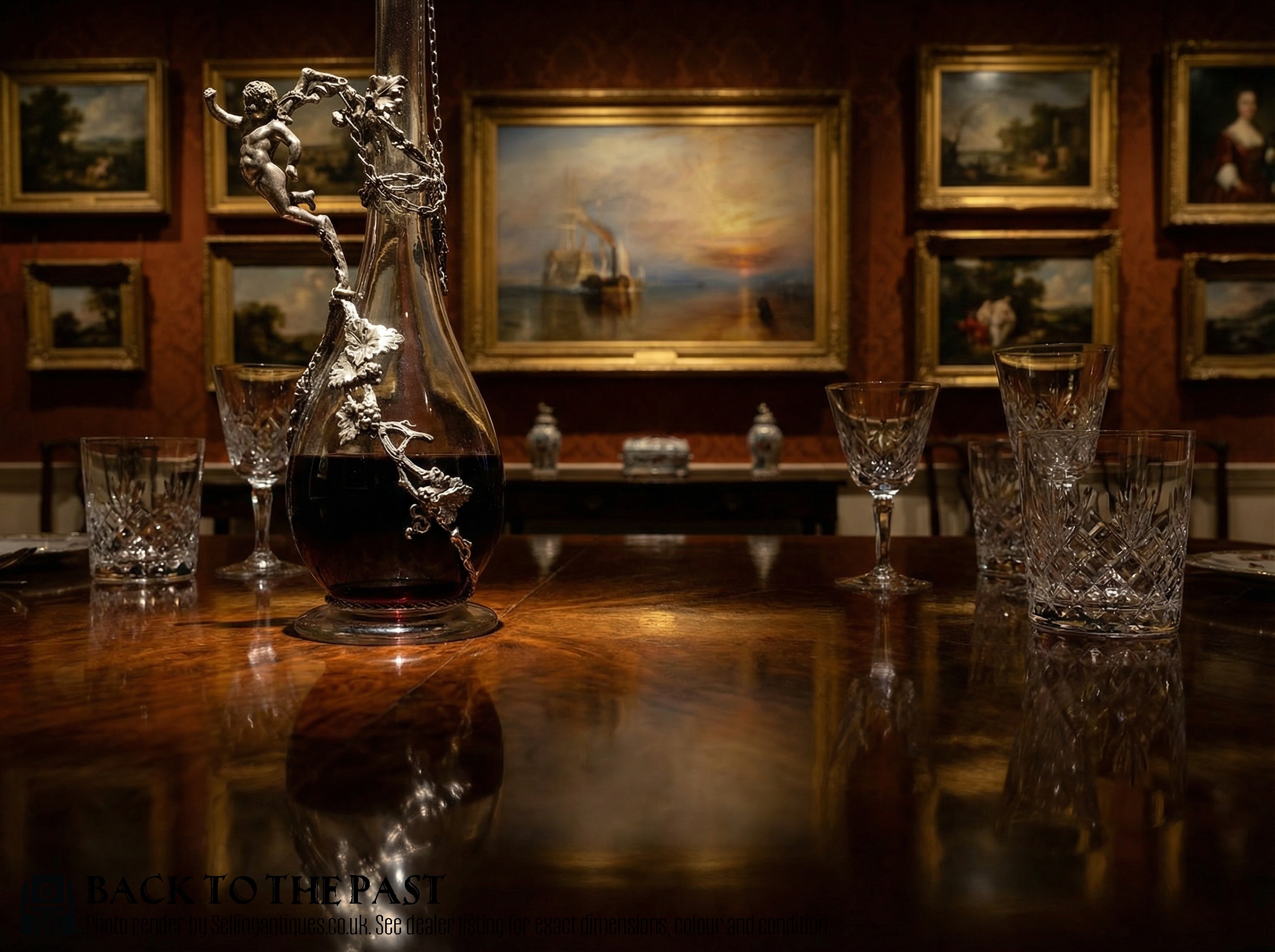
Claret jugs combine clear glass bodies with fitted metal mounts, collars, and hinged lids.