


Grapevine Wine Decanter
These grapevine wine decanter pieces bring nineteenth-century dining tables to life with cut glass and silver plate.
Grapevine Wine Decanter
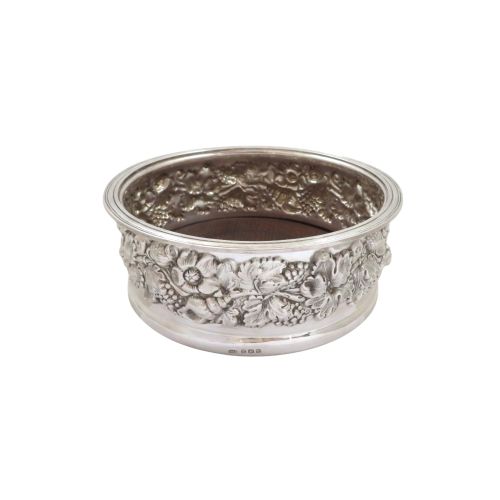
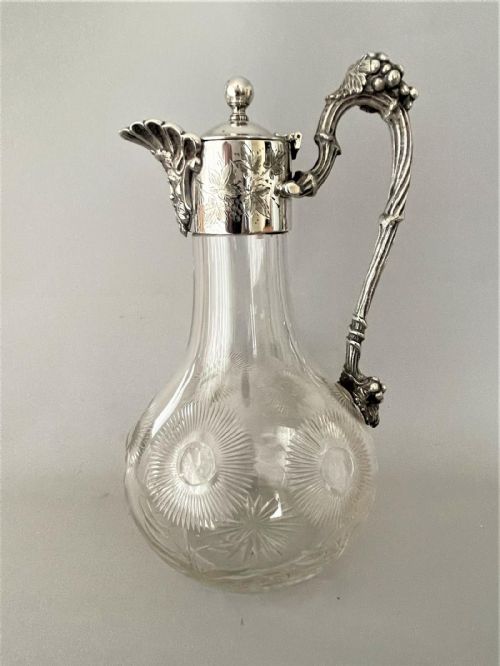
A grapevine wine decanter brings together nineteenth-century glass vessels and serving accessories decorated with vine motifs. These items range from cut glass claret jugs to silver plated coasters and engraved amethyst glass mell decanters.
Most examples found here hail from the Victorian and Georgian periods, showcasing traditional British craftsmanship in glass and metal. Buyers frequently encounter wine jugs, decanter labels, and bottle coasters bearing detailed grape and vine designs.
Makers of the era utilised clear, amethyst, and blue glass, often mounted with sterling silver or silver plate necks and mounts. Each object served a practical purpose at the dining table while displaying ornamental naturalistic foliage.
How they were made
Glass bodies were blown into moulds or free-blown before artisans applied wheel-cutting and etching techniques to create the characteristic grapevine patterns. Coloured glass such as amethyst and cobalt varieties required specific mineral oxides during the melting process.
Silver plate and sterling silver mounts, handles, and collars were formed separately through casting and smithing before being secured to the glass vessels. Old Sheffield plate items employed a fused sheet of silver upon a copper base, whilst bottle coasters often incorporated turned wooden bases to protect the table.
Victorian diners clearly enjoyed their claret enough to demand jugs etched with vines, ensuring the bottle matched the contents.
What varies in quality
Quality rests in the crispness of the wheel-cutting on the glass and the depth of detail within the grapevine motifs. Pieces with well-defined etching and heavy, clear metal mounts command greater appreciation.
The harmony between the glass body and the silver or plated metal components dictates the overall merit of the piece. Superior examples maintain intact silver plating and undamaged glass surfaces without clouding or internal stress fractures.
The Grapevine Wine Decanter Glossary
- Claret jug
- A tall pouring vessel specifically designed for serving red wine, typically featuring a handle and a hinged metal lid. These jugs often combine etched glass bodies with silver plated mounts.
- Mell decanter
- An eighteenth or nineteenth-century decanter form characterised by a mallet-shaped body. They were made to sit securely in cellarets and on ship tables.
- Old Sheffield plate
- An early form of composite metal produced by fusing a thin sheet of sterling silver to a copper ingot. This technique predates modern electroplating.
- Wine coaster
- A small circular tray or stand designed to hold a wine bottle and protect dining table surfaces from spills. They frequently feature wooden bases and pierced metal galleries.
Grapevine Wine Decanter: Frequently Asked Questions
What periods do these decanters come from?
The pieces listed originate primarily from the Georgian and Victorian eras, spanning the nineteenth century. Makers during these decades produced glassware and silver items with naturalistic decoration.
Dates range from the early Georgian period through the late nineteenth century, reflecting evolving dining customs and manufacturing techniques in Britain.
How were these items used originally?
Decanters and claret jugs held wine for serving at the dining table after meals. Coasters protected wooden surfaces when bottles were passed among guests.
Labels identified the specific contents of each decanter, helping hosts manage their cellar selections during formal dinners.
How do I care for antique glass and silver?
Wash glass components gently in warm water using mild soap, avoiding harsh abrasives that might damage etched grapevine surfaces. Dry thoroughly with a soft cloth to prevent water spots.
Polish silver plate and sterling silver mounts sparingly with appropriate creams, keeping polishes away from the glass to preserve the finish.
Are all these items made of silver?
Metal components vary between sterling silver and silver plate, including Old Sheffield plate. Many pieces combine glass bodies with metal collars, handles, and coasters.
Wooden bases also appear in bottle coasters, providing stability and protecting polished dining furniture.