





Georgian Coffee Server
A georgian coffee server brings period weight to the table, uniting silver plate, copper, and mahogany in domestic service.
Georgian Coffee Server
A georgian coffee server comprises pots, urns, jugs, and serving trays produced during the 18th century, Regency, and 19th century periods. These items reflect the domestic rituals of coffee consumption across English and Dutch workshops.
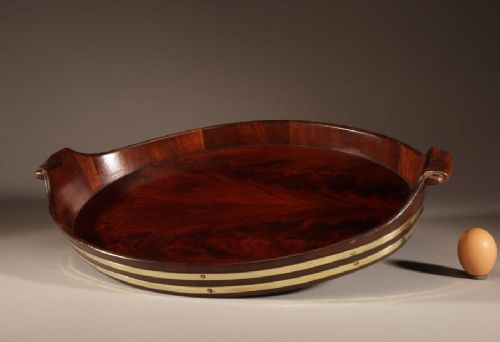
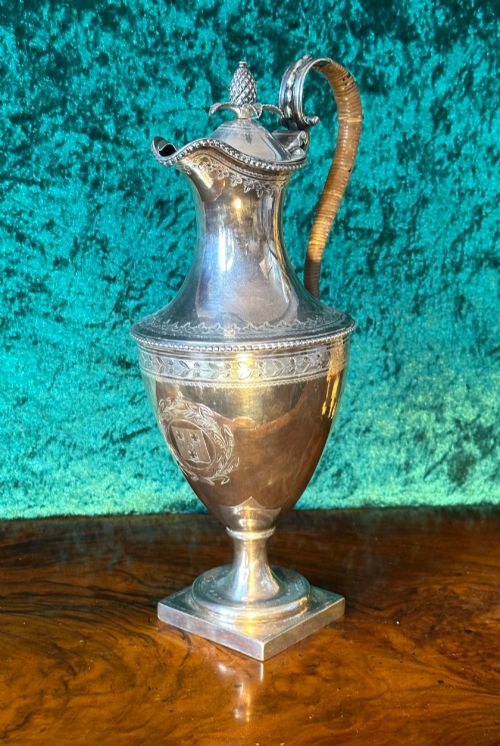
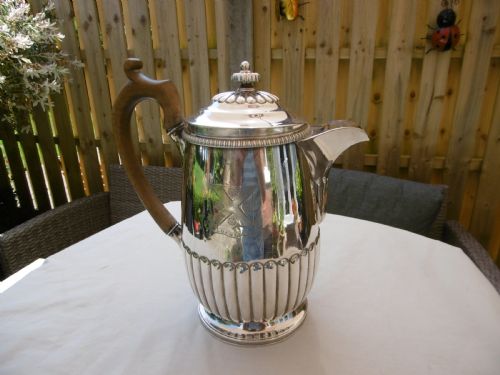
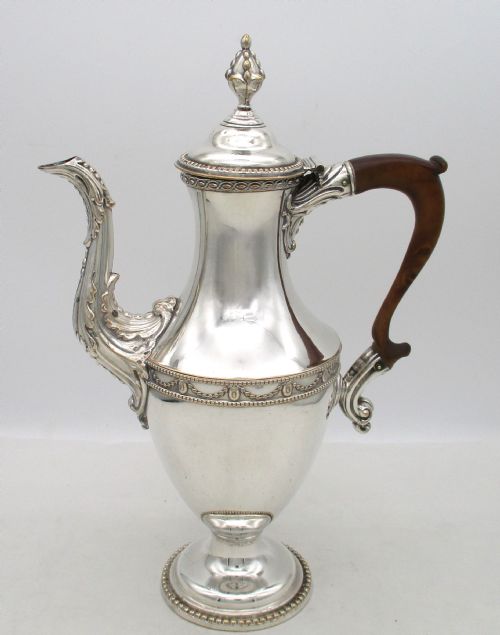
Buyers will most frequently encounter Old Sheffield plated coffee pots and sterling silver vessels carrying Georgian or Regency stylistic traits. Mahogany oval trays with brass coopered construction also appear alongside metal ewers and water jugs.
Materials and construction methods
Makers shaped these vessels from sterling silver, Old Sheffield plate, copper, and pewter, often incorporating bone for handle insulation. Trays utilise solid wood such as mahogany combined with brass banding.
Silversmiths and braziers employed traditional hammering and plating techniques, fusing silver to copper bases in early Sheffield production. Master craftsmen added engraved crests and early marks by hand.
Listings feature items spanning the 18th century, Regency, and early 20th century, constructed from silver, copper, brass, and mahogany.
Distinctions in craftsmanship
Quality rests in the crispness of the chased decoration, the integrity of the silver fusion over copper, and the retention of original maker marks. Heavier gauge metalwork and balanced proportions elevate certain vessels above standard utilitarian wares.
The precision of the coopered joints in mahogany trays and the survival of unblemished bone handle fittings determine the standing of individual pieces within the surviving corpus.
Matthew Boulton
The Georgian Coffee Server Glossary
- Old Sheffield plate
- A fusion technique where a thin sheet of silver is fused to a thicker copper base before shaping. This method produces characteristic edge lines visible under magnification.
- Coopered
- Construction method utilising narrow staves of wood bound together with metal hoops. This technique is typical of oval serving trays.
- Ewer
- A large jug with a wide spout and flared base designed for pouring liquids. These pieces function alongside standard coffee pots.
- Sterling silver
- An alloy containing a high proportion of pure silver mixed with small amounts of other metals for durability. Pieces often bear town marks and maker culls.
- Coffee urn
- A large heated vessel fitted with a tap for dispensing hot beverages. These items represent the more elaborate end of domestic serveware.
Georgian Coffee Server: Frequently Asked Questions
What is a georgian coffee server?
A georgian coffee server encompasses silver, plated, copper, or pewter pots, jugs, and urns used for brewing and pouring coffee during the 18th and 19th centuries.
These items also include mahogany serving trays associated with the same period of domestic hospitality.
How do I spot Old Sheffield plate?
Old Sheffield plate involves a fused layer of silver over a copper base rather than electroplating. You can often spot thin lines of copper showing through where the silver has worn down on high points.
Early pieces frequently display faint maker marks stamped into the metal surface near the rim or base.
Were these pots used daily?
These vessels served elite and middle-class households for morning and evening coffee service. Their substantial weight and durable metal construction suited regular handling.
Many retain crests or initials belonging to the original owning families, recording generations of service.
How do I care for silver plate?
Old Sheffield plate and sterling silver require gentle cleaning with non-abrasive silver polish to protect the thin metal layers. Avoid harsh scrubbing that removes the remaining silver plating.
Store wooden trays and metal pots in stable humidity to prevent the wood from splitting and the metal from tarnishing too rapidly.