






Georgian Silver Plated Pot
A georgian silver plated pot brings the warm gleam of Old Sheffield Plate and silver plate to the table, offering practical elegance for serving tea or coffee.
Georgian Silver Plated Pot
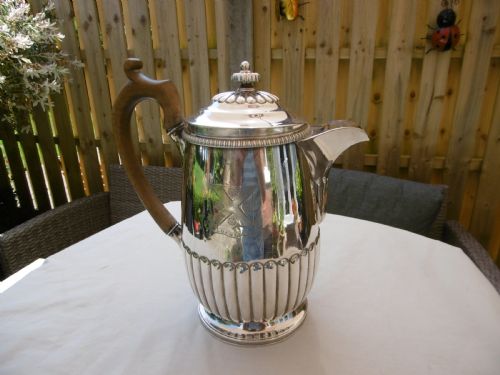
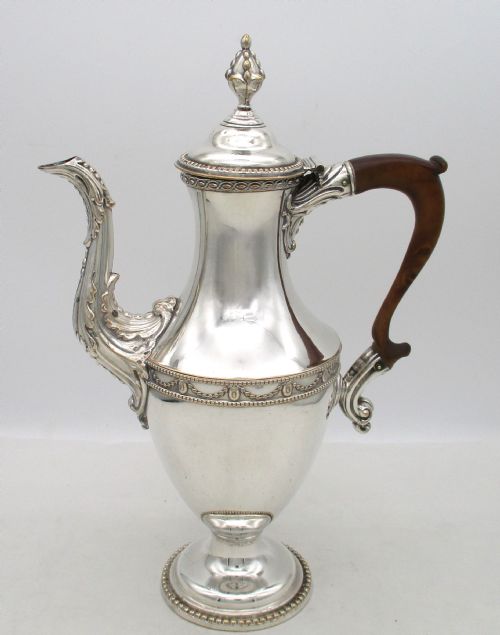
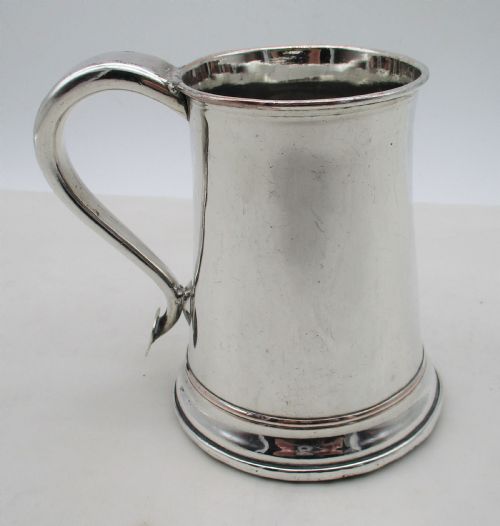
When searching for a georgian silver plated pot, buyers encounter holloware designed for hot beverage service or dining table use, spanning coffee pots, teapots, gravy warmers, and tankards. The majority of these items date from the eighteenth century through the nineteenth century, including the Regency period.
Originating primarily from English workshops, these items reflect the domestic metalwork traditions of the Georgian era and subsequent nineteenth-century revivals. Buyers find both simple utilitarian vessels and ornate service pieces complete with crests and early marks.
How they were made
Old Sheffield Plate forms the technical foundation for many of these vessels, created by fusing a thin sheet of silver to a thicker copper core before shaping. Makers often incorporated wooden or bone elements, such as insulated handle spacers, alongside metal components.
Silversmiths constructed bodies from copper or silver plate using methods like raising, spinning, and soldering, sometimes adding hardwood handles and finials. Surface finishing included hand chasing, engraving, and the application of early maker marks.
Materials across these listings include copper, bone, hardwood, and Old Sheffield Plate alongside standard silver plate.
What varies in quality
Quality in a georgian silver plated pot lies in the crispness of the chased decoration, the proportion of the form, and the retention of the original silver layer over the copper base. Better examples display careful hand-finishing, clear early marks, and harmonious proportions between the body, spout, and handle.
Finer pieces maintain their structural integrity while showing honest signs of period use, whereas lesser items suffer from excessive wear to the plating, heavy repolishing that exposes the base metal, or clumsy later repairs.
Matthew Boulton·John Hoyland
The Georgian Silver Plated Pot Glossary
- Old Sheffield Plate
- A composite material made by fusing silver and copper together, invented in the eighteenth century. This technique precedes modern electroplating.
- Argyle
- A vessel used for keeping gravy warm at the table, often featuring a central compartment for hot water. These are sometimes listed as gravy warmers.
- Chasing
- A metalworking technique where designs are hammered into the front surface of the metal from the outside. It adds texture and relief without removing material.
- Holloware
- Tableware vessels such as pots, jugs, and tankards that are hollow in construction rather than flat. These pieces form the core of domestic metalwork collections.
Georgian Silver Plated Pot: Frequently Asked Questions
What is Old Sheffield Plate?
Old Sheffield Plate is an early form of plated metal created by thermally fusing a sheet of sterling silver to a copper ingot. This composite block was then rolled into sheets and fabricated into vessels.
This method differs significantly from later nineteenth-century electroplating, resulting in a deeper, warmer lustre that wears differently over time.
How do I use a coffee pot daily?
These historical vessels suit careful daily use, though many collectors prefer them for display or occasional service. Pouring hot liquids requires gentle handling to protect fragile antique hinges and wooden insulators.
Hand washing with mild soap and soft cloths keeps the surface clean without damaging the historic plating or copper core.
What is an argyle used for?
An argyle is a specialised gravy warmer designed to keep sauces liquid and warm throughout a long meal. It typically includes an internal cylinder for hot water or a heated rod.
These pieces represent the refined dining habits of the Georgian period and are prized for their clever engineering.
How do I distinguish eighteenth and nineteenth century pieces?
Eighteenth-century items often display simpler, cleaner lines and heavier copper fusion, alongside early maker marks stamped into the metal. Nineteenth-century examples frequently incorporate revival styles, heavier cast mounts, and later decorative motifs.
Examining the construction of the seams, handles, and base provides further clues to the exact manufacturing era.