
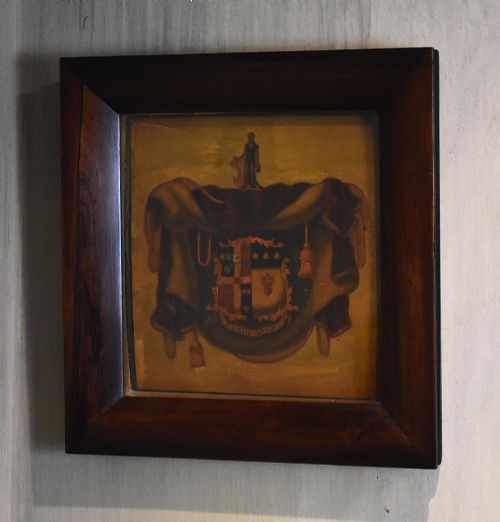

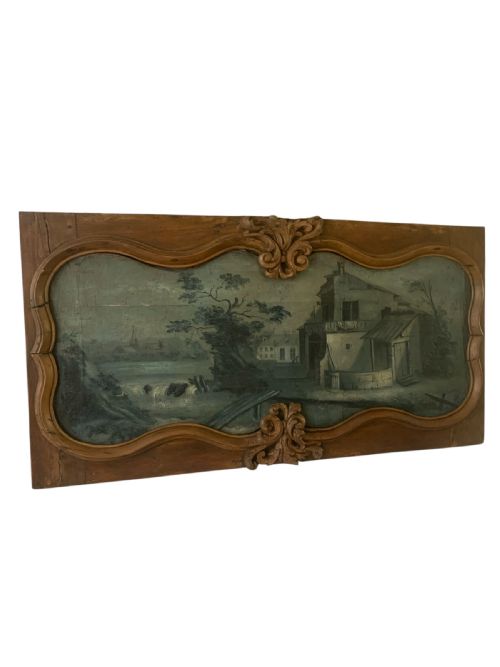


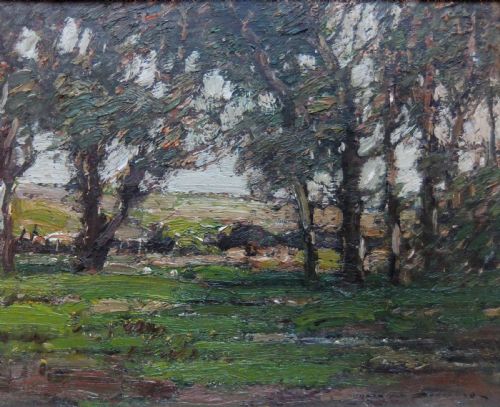
Oil on Wooden Panel
When you search for oil on wooden panel, you are looking at centuries of fine art and decorative painting applied directly to rigid wooden supports.
Oil on Wooden Panel
An oil on wooden panel brings together traditional oil paint and a rigid wooden support, encompassing landscape, portrait and genre scenes. These works appear across various periods, from eighteenth-century topographical views and coach panels to nineteenth-century romantic landscapes and early twentieth-century British and European compositions.
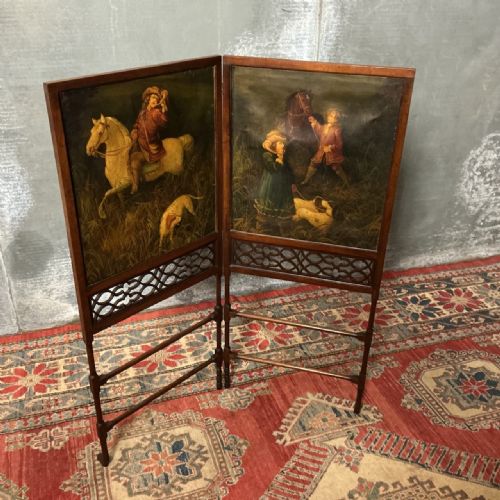
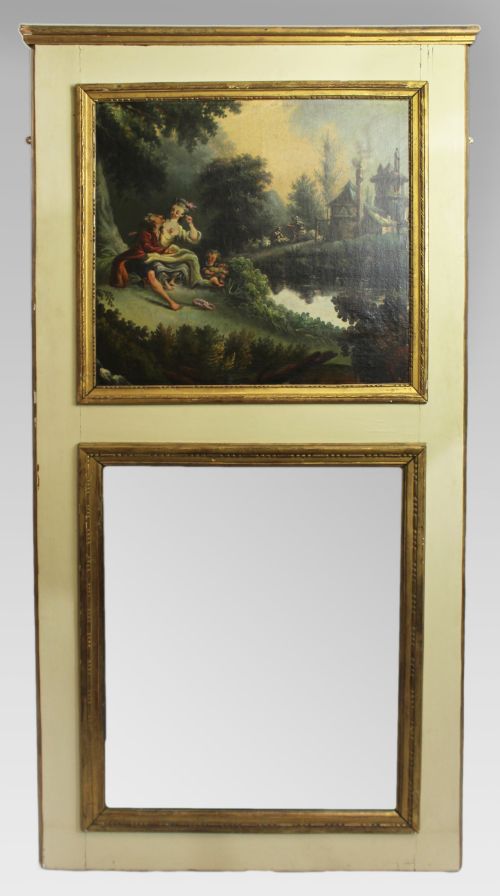
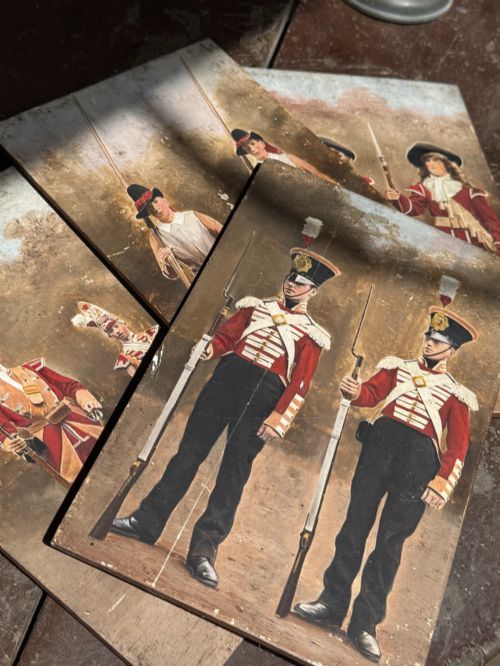
The objects take diverse forms beyond standard framed pictures, including overdoor panels, fire screens, trumeau mirrors, and framed icons. Buyers encounter both signed works by known artists and naive or regional school pieces created on boards, pine, mahogany, and maple.
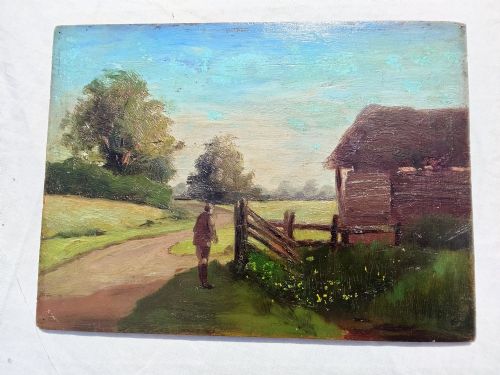
Subjects range from quiet pastoral scenes and coastal harbours to detailed portraits, sporting scenes, and architectural paintings. The rigid support provides a smooth, stable surface that allows fine brushwork and rich colour application to endure across generations.
How they were made
Artists applied oil paint directly to prepared wooden surfaces such as pine, oak, mahogany, or wood board, utilising the grain and rigidity of the support. Panels were often framed in ornate wooden gilt structures or integrated into architectural elements like coach panels and overdoors.
Techniques varied from meticulous academic brushwork seen in portraits and topographical studies to freer impressionist or naive handling on smaller boards. Pigments were layered over grounds to create depth, luminosity, and lasting durability.
Listings feature works from the eighteenth, nineteenth, and early twentieth centuries, utilising wood panels, boards, pine, and mahogany.
What varies in quality
Quality rests in the precision of the brushwork, the expressiveness of the composition, and the skill with which the artist utilised the wooden panel. Finer works display accomplished draughtsmanship, convincing light, and harmonious colour relationships.
The integrity of the physical panel and its original framing also influence the standing of a piece. Works retaining their period frames, stable boards, and clear signatures by established artists command distinct attention compared to anonymous or heavily restored examples.
William Williams·Hubert Wellington·Kershaw Schofield·Joseph Vickers de Ville·Alfred John Bouchette
The Oil on Wooden Panel Glossary
- Panel
- A flat, rigid piece of wood used as a support for painting instead of stretched canvas.
- Trumeau
- A decorative wall mirror often incorporating a painted panel above the glass.
- Genre
- A style of painting depicting scenes from everyday life involving ordinary people.
- Topographical
- A detailed artistic representation showing specific, recognizable geographical locations or landmarks.
- Ground
- The initial preparatory layer of size and pigment applied to a wooden board before painting.
Oil on Wooden Panel: Frequently Asked Questions
What is an oil on wooden panel?
An oil on wooden panel is a painting executed with oil-based pigments directly onto a rigid wooden board or panel rather than fabric canvas. These pieces span multiple centuries and include landscapes, portraits, and decorative architectural elements.
Artists favored wood supports for their smooth, stable surfaces, which allowed for fine detail and rich colour blending. Surviving examples range from small landscape studies to large overdoor panels and decorative screen inserts.
How should I care for a wood panel painting?
Care for a wood panel painting involves protecting it from rapid fluctuations in temperature and humidity, which can cause the wood to warp or split. Keep the piece away from direct sunlight and heat sources.
Dust the surface gently with a soft, dry cloth and avoid using liquid cleaners or chemical solvents. Ensure the panel remains securely housed in its frame to support its structural stability.
How can I tell the age of the panel?
The age of a panel is typically determined by examining the type of wood used, tool marks on the reverse, framing style, and pigment characteristics. Eighteenth-century panels often utilise heavy pine or oak boards, while later nineteenth-century examples frequently feature mahogany, maple, or commercial boards.
Signatures, inscriptions, and historical repair work on the back of the panel also provide valuable clues regarding the period of creation. Stylistic conventions of the school or artist help narrow down the specific decade.
Where were these painted panels displayed?
Painted panels were displayed in domestic interiors, public galleries, and ecclesiastical spaces, depending on their form. Smaller landscapes and portraits hung in parlours and drawing rooms, often enclosed in ornate gilt frames.
Some panels served specific architectural functions, integrated directly into overdoors, coach sides, fire screens, or trumeau mirrors. This versatility meant they functioned as both portable fine art and fixed interior decoration.