
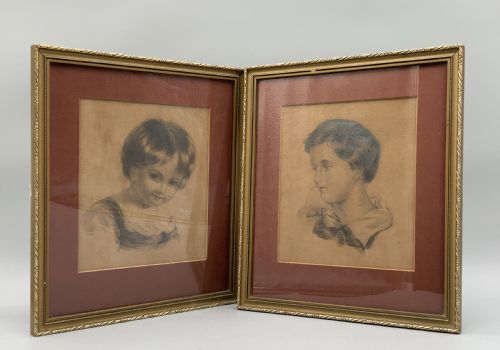


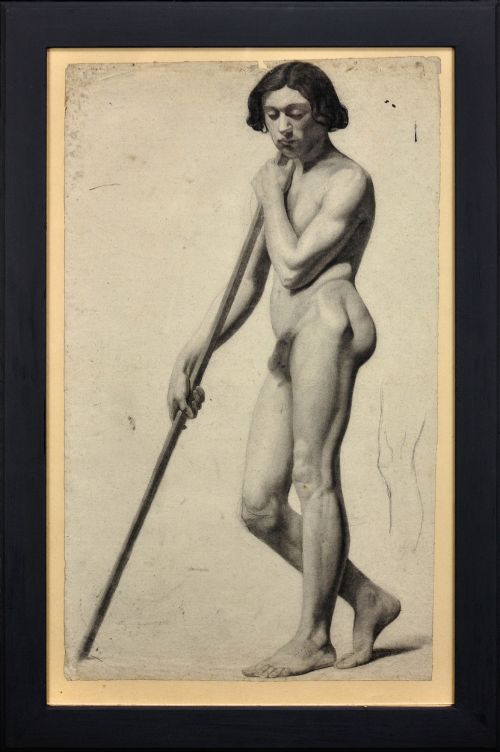
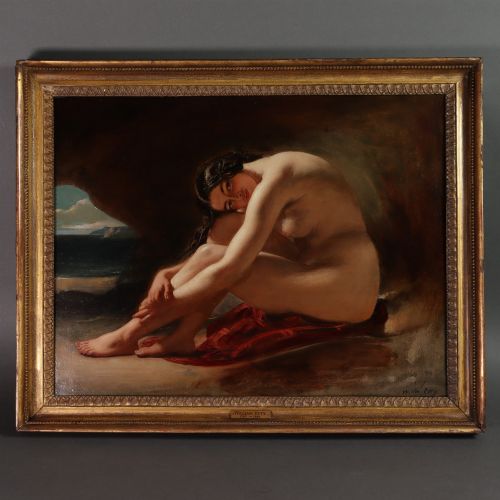


19th Century Portrait Study
A 19th century portrait study captures character and observation through oil paint, pencil, or watercolour on canvas and paper.
19th Century Portrait Study
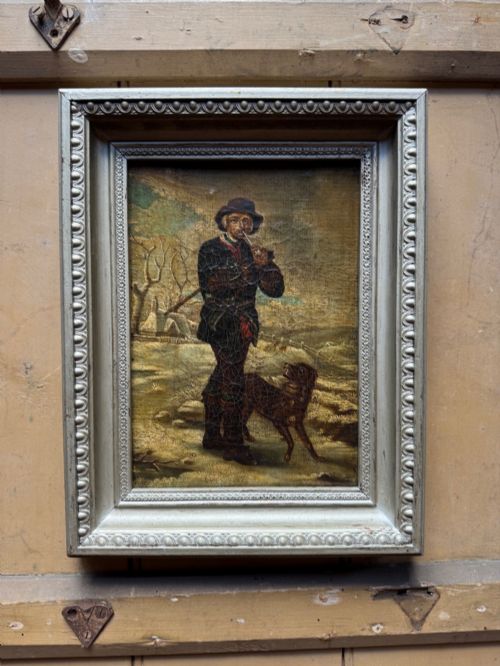
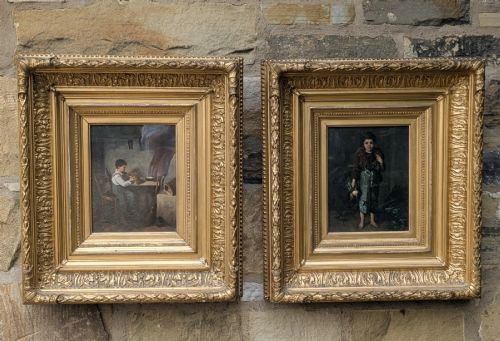
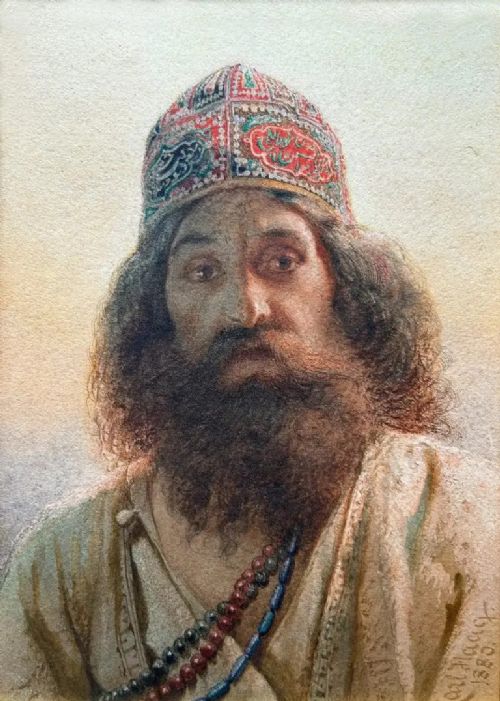
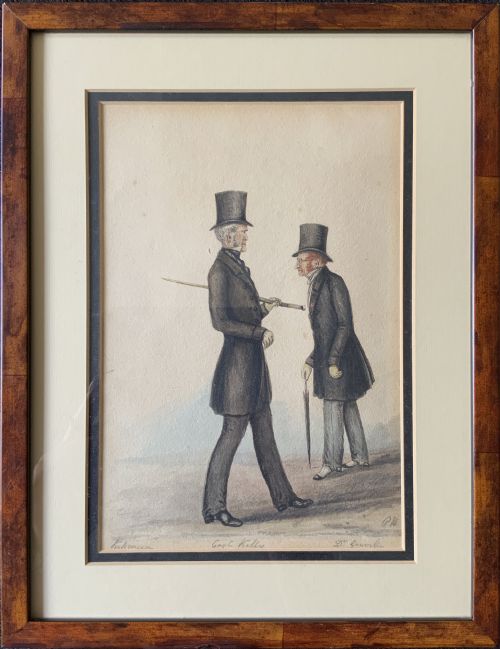
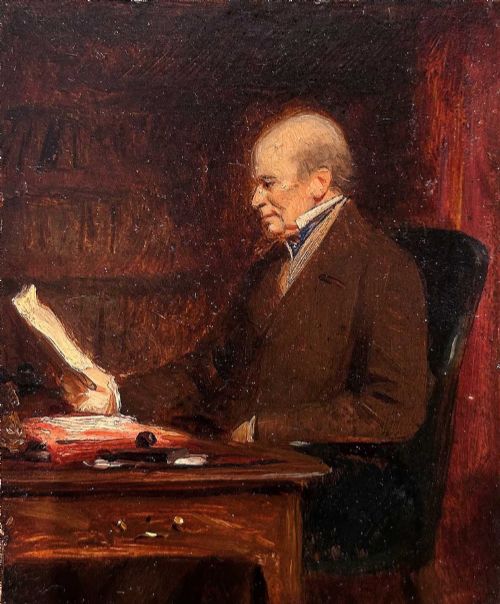
A 19th century portrait study comprises works executed across the Victorian era, depicting humans, animals, and figurative compositions. Buyers encounter oil paintings on canvas or panel, alongside works on paper executed in graphite, pencil, charcoal, and watercolour.
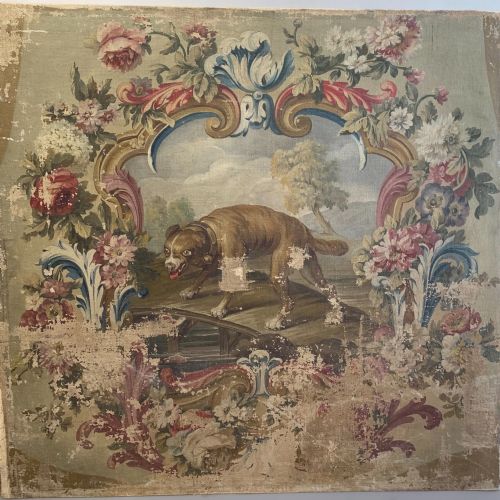
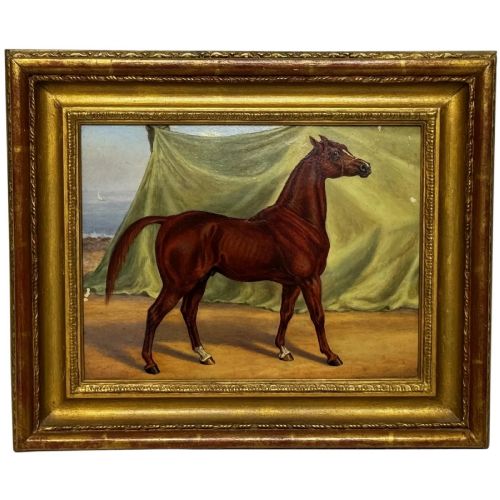
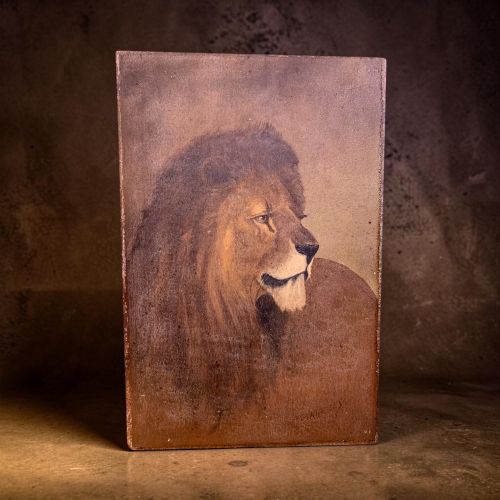
The selection ranges from academic life studies of the human form to naive folk art depictions, animal studies including horses and dogs, and preparatory sketches for larger works. Many pieces originate from British, French, and other European schools.
Framed artworks and bronzes also appear, reflecting academic training and domestic portraiture traditions from the 1800s through to the end of the century.
How they were made
Artists utilised traditional media such as oil paint applied to canvas, wood panels, or artist palettes, frequently combining them with varnishes and giltwood framing. Works on paper rely on graphite, charcoal, chalk, pastel, gouache, and watercolour pigments.
Substrates include varied paper qualities, card, and patinated plaster for sculptural busts, alongside bronze casting techniques utilised for late period portrait studies.
Animals gaze out alongside humans, with oil portraits recording the exact likenesses of purebred Arabian horses and bloodhounds.
What varies in quality
Quality rests upon the sureness of the draughtsmanship and the economy of mark-making used to capture expression and form. Academic life studies and works by documented artists demonstrate anatomical precision and tonal control.
Material longevity and framing integrity also separate standard student exercises from finished exhibition pieces and signed works by professional hands.
Carl Haag·Stephen Pearce·Henry Arthur Roberts·William Etty·Sir Thomas Brock·James Clark·Frederick Christian Lund·John Emms·Roberto Venturi·William Henry Hunt·Theobald Chartran·Gaston Bouy·George Richmond·Cecil CP Lawson
The 19th Century Portrait Study Glossary
- Academic Realism
- A style of painting and sculpture produced under the influence of European academies of art, prioritising strict adherence to classical standards and anatomical accuracy.
- Gouache
- An opaque water-based pigment containing a white filler, producing a heavier and flatter colour layer than transparent watercolour.
- Pastel
- A dry painting medium in the form of a stick, consisting of powdered pigment and a binder, yielding velvety colour textures on paper.
- Patinated
- A surface treatment applied to bronze or plaster to simulate natural ageing and alter the colour.
- Watercolour
- A paint whose pigments are suspended in a water-soluble vehicle, traditionally applied in thin translucent washes over paper.
19th Century Portrait Study: Frequently Asked Questions
What is a portrait study?
A portrait study is an artwork focused on capturing the likeness, expression, or physical form of a subject, often created as preparation for a larger finished painting or as an exercise in observation.
These pieces range from rapid pencil sketches on paper to detailed oil paintings on canvas and panel.
How do I date a 19th century drawing?
Dating relies upon paper watermarks, framing styles, inscriptions, and the specific costume or hairstyle of the sitter. Stylistic markers tied to academic training schools also assist in narrowing the period.
Many works bear period signatures, exhibition labels, or contemporary ink inscriptions on the reverse.
Were these works meant to be framed?
While many pencil and chalk drawings were kept in portfolios by artists and collectors, others were framed in period giltwood to hang as finished domestic art.
Oil paintings and watercolours were typically framed to protect the delicate paint and paper surfaces from environmental damage.
What is the difference between an oil study and a finished portrait?
An oil study prioritises the exploration of light, tone, and character over formal presentation, often displaying visible brushwork and a looser application of paint.
Finished portraits tended to be larger, highly detailed commissions intended for public exhibition or family archives.