


Framed Figure Drawing
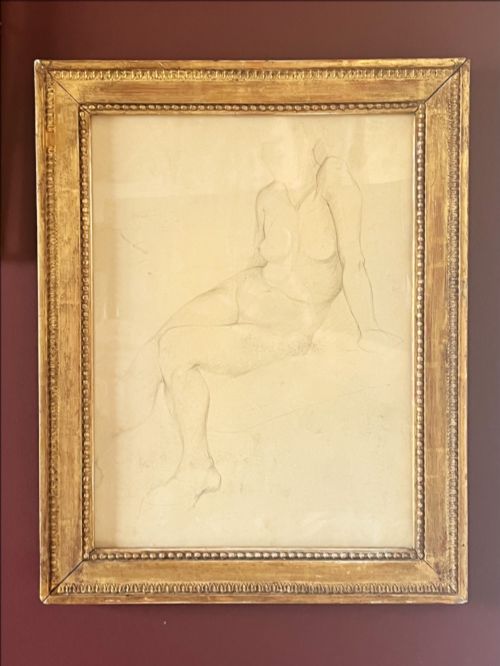
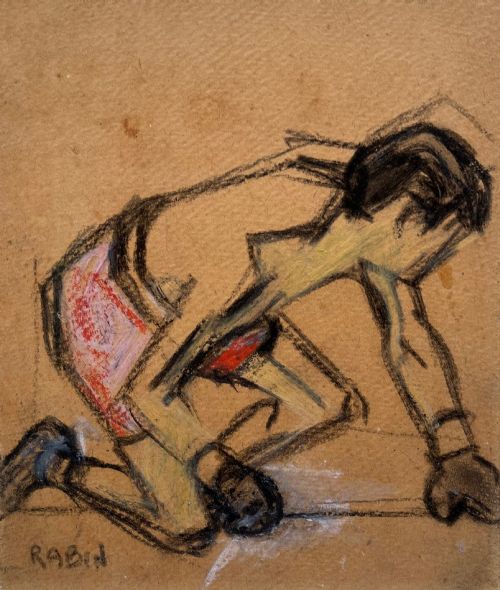
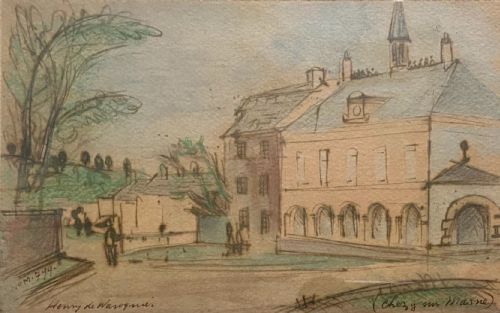
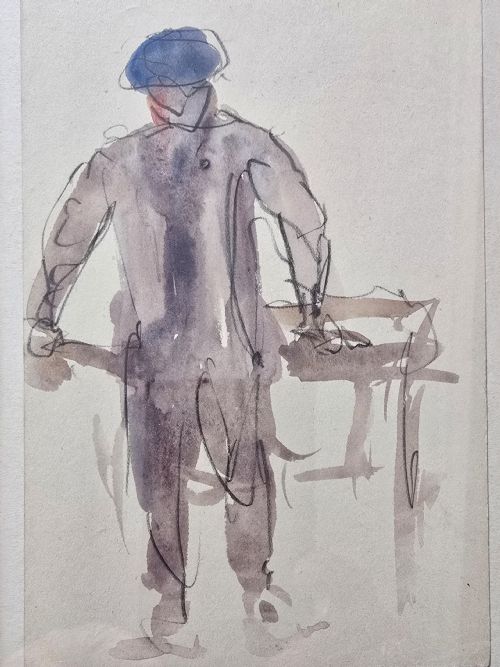
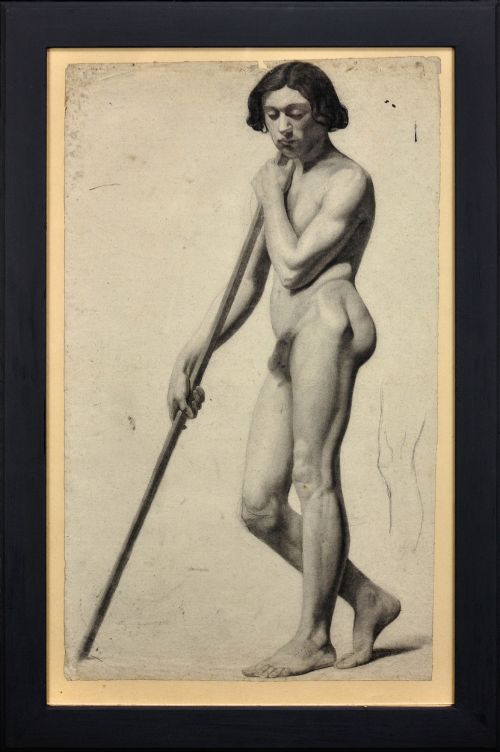
A framed antique figure drawing captures the human form through the direct touch of graphite, chalk, or charcoal on paper.
Framed Figure Drawing
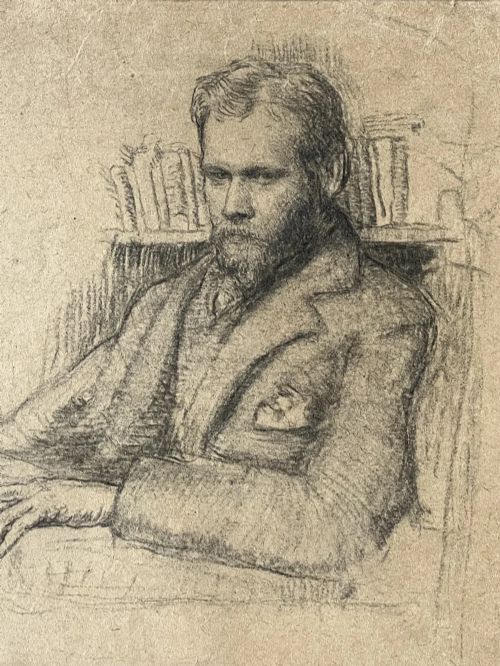
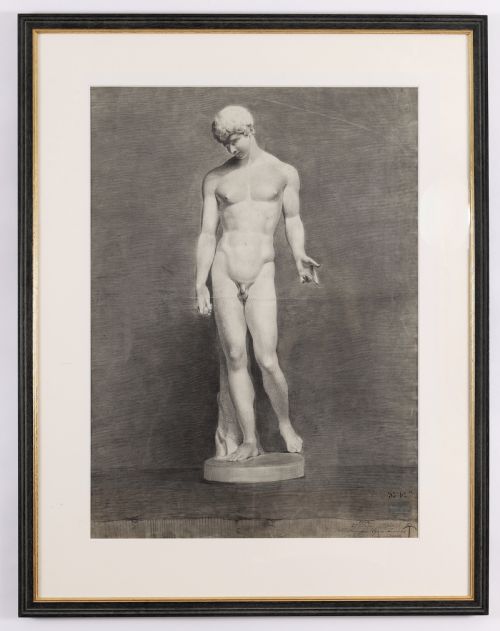
A framed antique figure drawing presents studies of the human body, ranging from rigorous academic life drawings to intimate portraits and classical sketches. These works emerge from centuries of artistic training, capturing the musculature, posture, and expression of models in studios and academies.
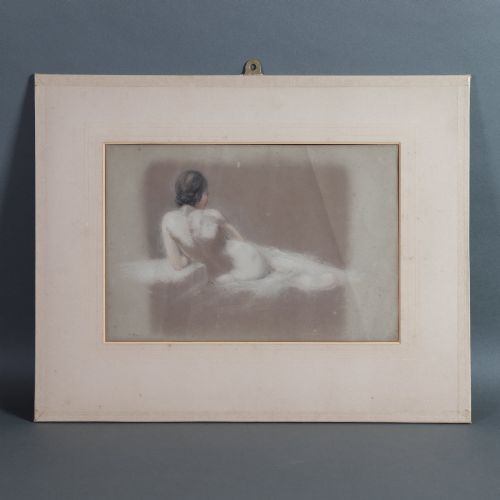
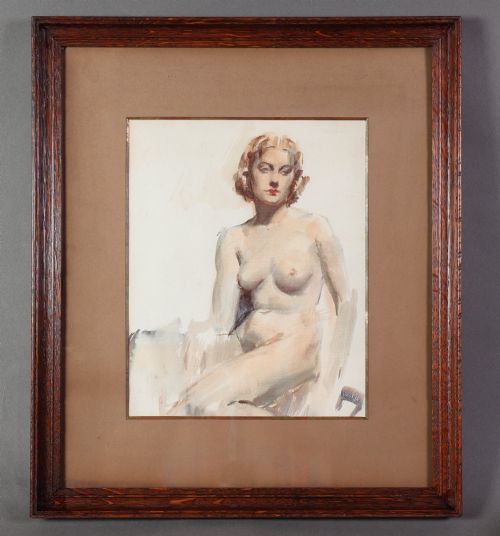
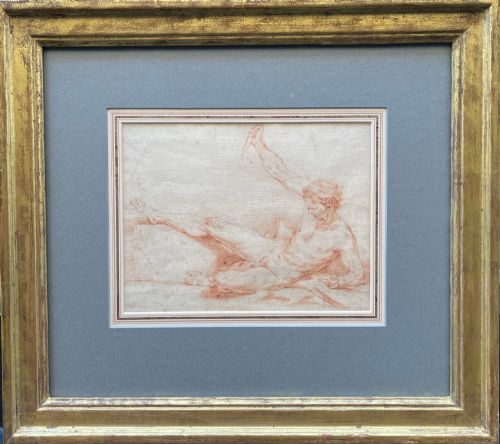
The pieces encountered on this page span the eighteenth, nineteenth, and early twentieth centuries, reflecting shifts from Neoclassical and Romantic ideals towards mid-century modernism. Many examples take the form of preparatory studies or academy works, preserved behind glass within period wood and gilt frames.
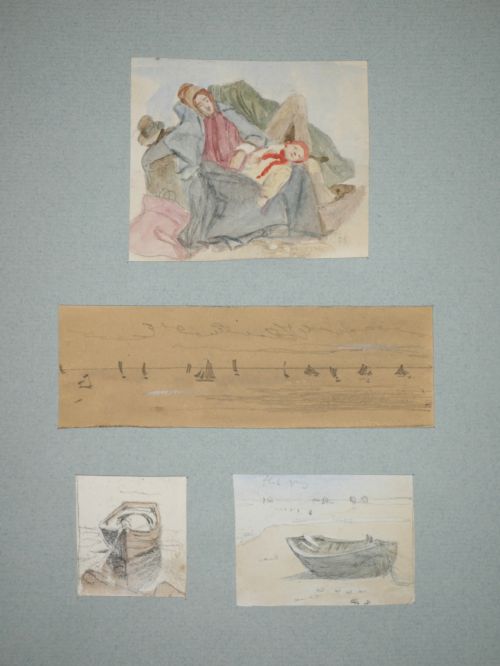
Collectors find variety in the scale and execution, from delicate pencil sketches of children to large charcoal nudes. These drawings record the immediate working thoughts of artists across British, French, and Italian schools.
How They Were Made
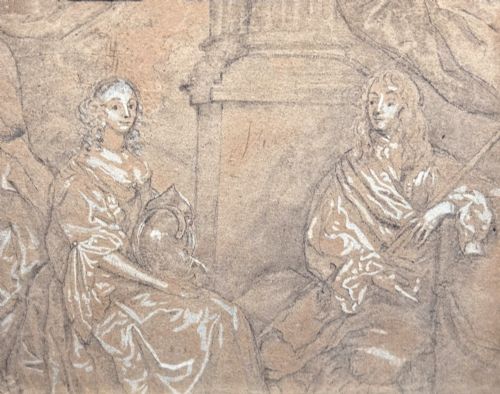
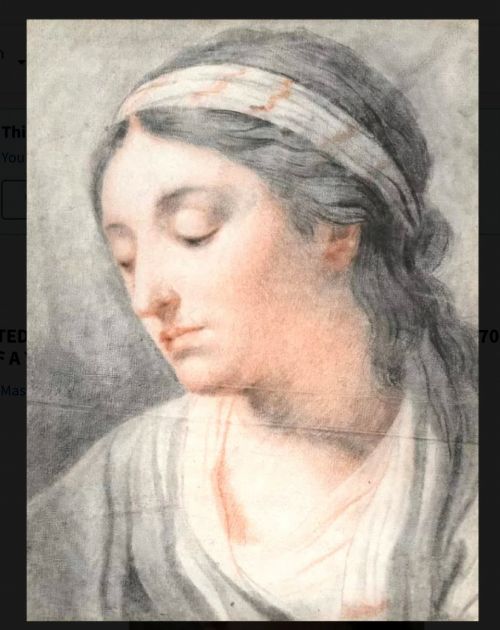
Draftsmen relied on paper supports, applying media such as graphite, charcoal, coloured chalks, ink, and watercolour to build form and tone. Many works utilise mixed media or deux crayon techniques to heighten highlights and deepen shadows on tinted or white sheets.
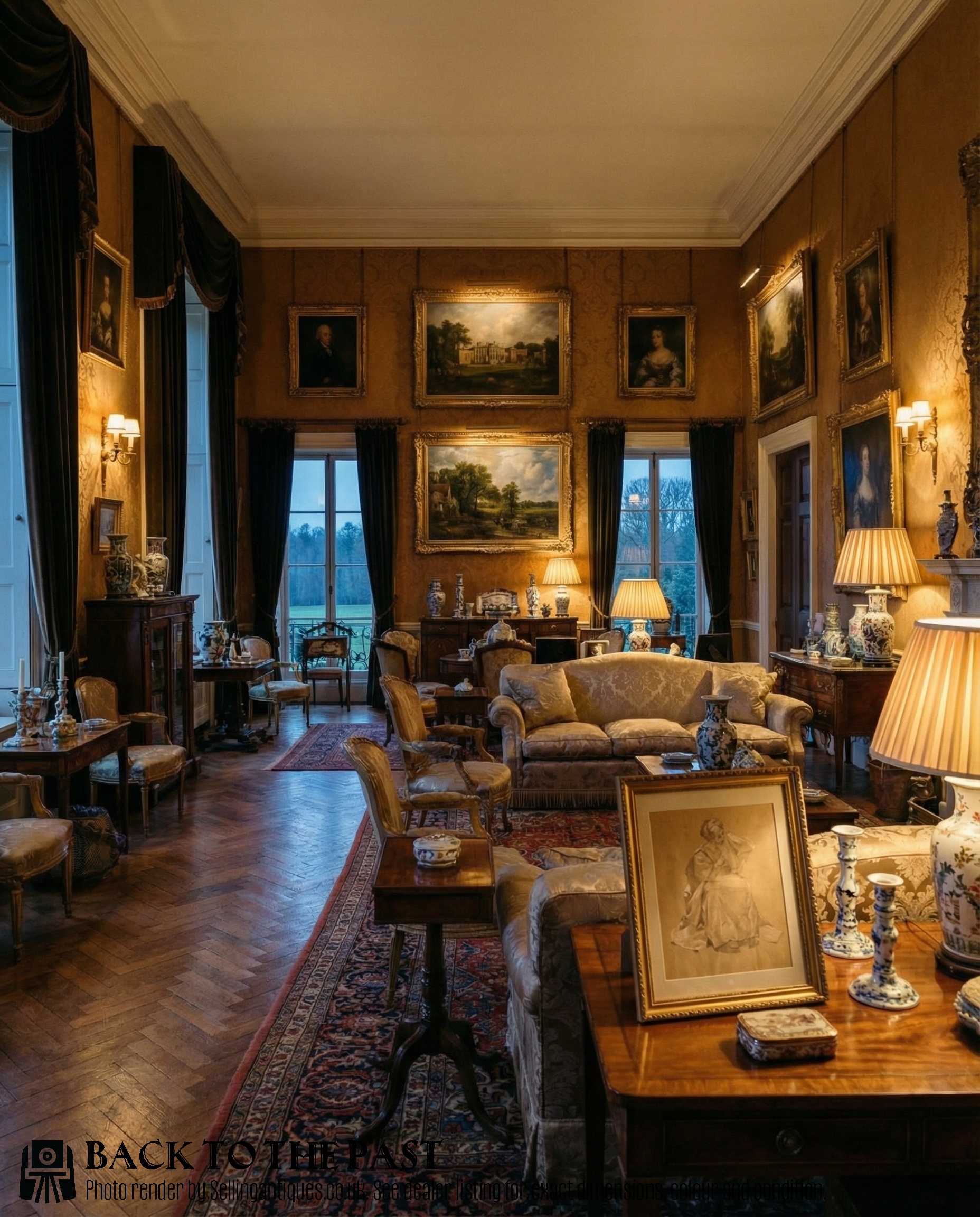
The framing methods pair these delicate works on paper with protective glass and timber surrounds, often featuring gilded mouldings or carved decoration appropriate to the period of creation.
Listings feature academic life studies in graphite, charcoal, and chalk dating from the eighteenth century through to the mid-twentieth century.
What Varies in Quality
Quality rests upon the sureness of the draftsman's line and the accuracy of anatomical observation. Superior examples demonstrate a confident command of shadow and light, conveying volume and life with economy.
The preservation of the paper support and the integrity of the original framing elements influence the desirability of a piece. Works retaining documented provenance or attribution to established academic hands distinguish themselves from anonymous studio exercises.
James Smetham·William Etty·Augustus John·Hyacinthe Colin de Vermont·Peter Lely·Marie Leczinska·François-André Vincent·Michael Healy·Henry Arthur Roberts·Cipriani·Alfred Dehodencq·Pierre-Paul Prud'hon·Demetrios Galanis·John Flaxman·William Edward Frost·Robert Richard Scanlan·Winifred Eugene Ballard·Ted Halliday·Laura Knight·Gaston Bouy
The Framed Figure Drawing Glossary
- Academy life study
- A drawing executed from a live model within an art school or studio setting, focusing on anatomical precision and tonal modelling.
- Deux crayon
- A drawing technique using two coloured chalks, typically black and red, on toned paper to render highlights and shadows.
- Preparatory study
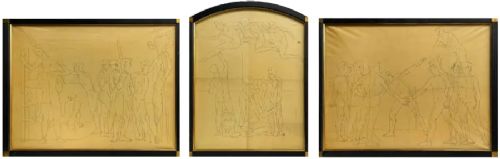
- A preliminary sketch or drawing made by an artist to plan a larger, more finished painting, sculpture, or mural.
- Works on paper
- A classification encompassing artistic creations executed on paper supports, including drawings, watercolours, prints, and pastels.
Framed Figure Drawing: Frequently Asked Questions
What is an academic life study?
An academic life study is a detailed drawing of a human model produced as part of formal artistic training in a school or academy.
These pieces focus on accurate anatomy, musculature, and shading, serving as foundational exercises for artists mastering the human form.
How should antique drawings be framed?
Antique drawings require protection behind glass to prevent atmospheric damage and fading to the paper and fragile drawing media.
Conservation mounting using acid-free materials ensures the paper remains stable within its original or period-appropriate timber frame.
How do I distinguish between chalk and graphite?
Graphite produces a metallic, silvery-grey mark that can catch the light and ranges from soft to hard depending on the grade used.
Chalk leaves a more matte, velvety line with distinct texture, often applied in black, white, or red hues on tinted paper.
Why are some drawings attributed to schools?
Attributions to a specific school indicate that an anonymous artist worked within the distinct style, region, and period of a known master.
This designation links the technical execution and aesthetic qualities to a wider artistic movement rather than an individual creator.