



Rococo Female Portrait Art
Rococo female portrait art captures aristocratic grace on canvas, offering a glimpse into eighteenth-century elegance through delicate brushwork and soft palettes.
Rococo Female Portrait Art
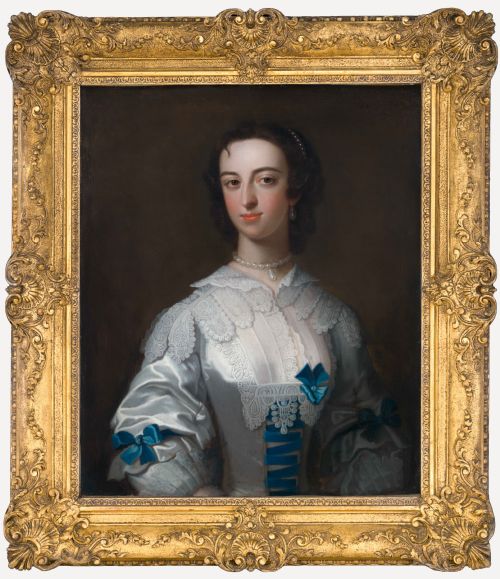
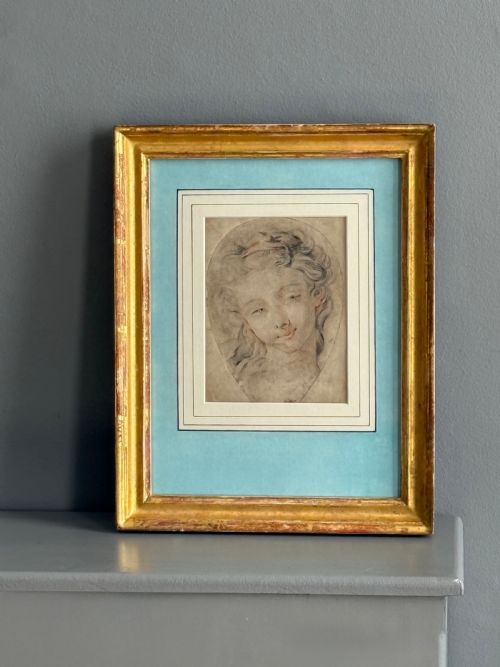
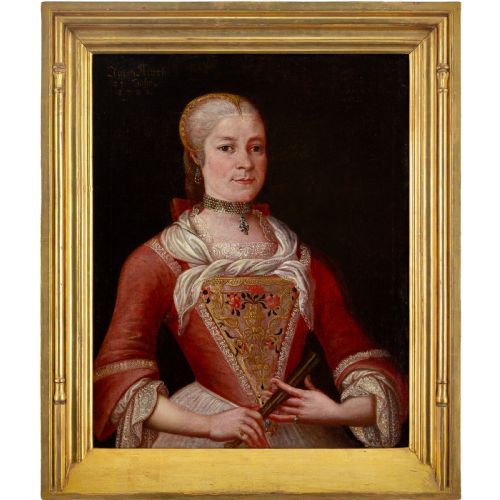
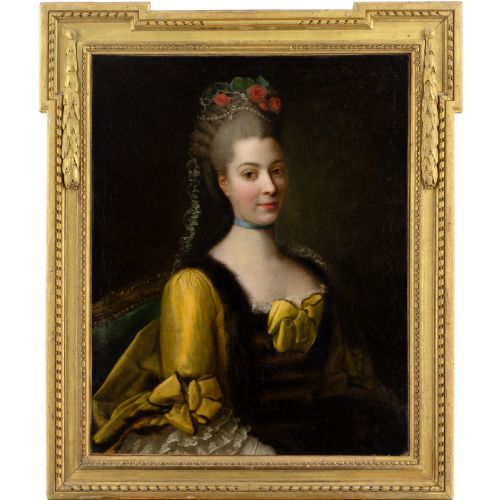
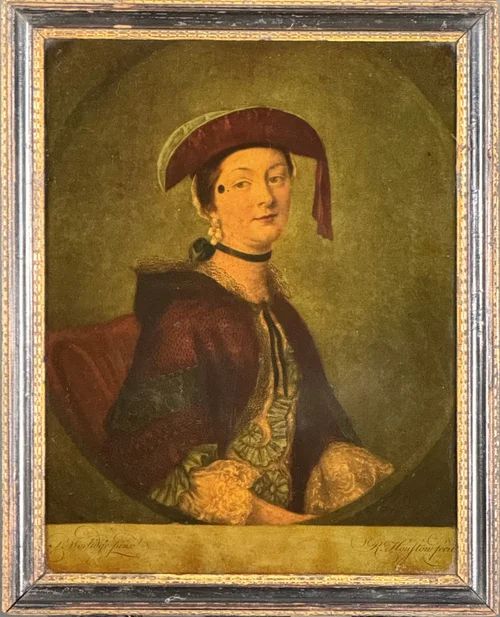
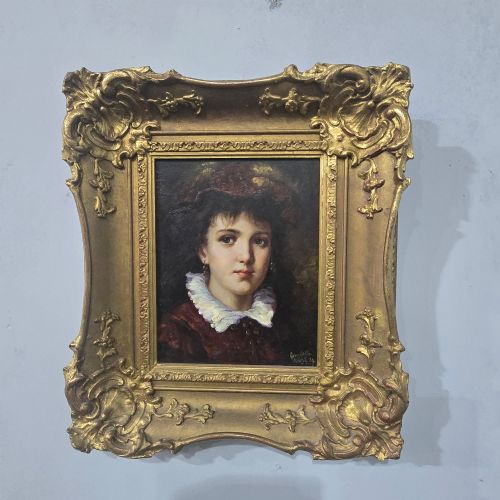
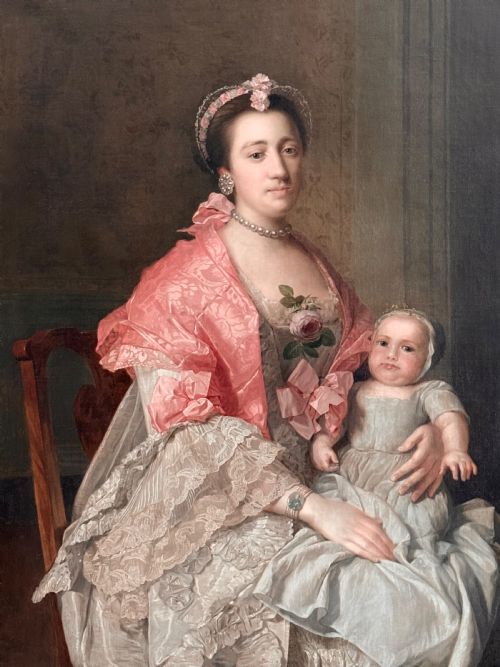
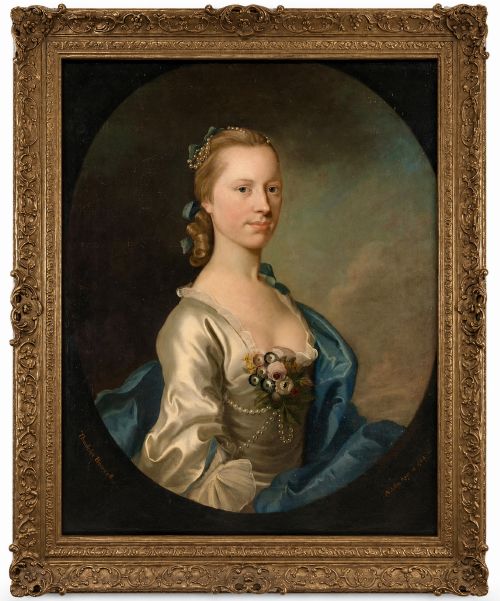
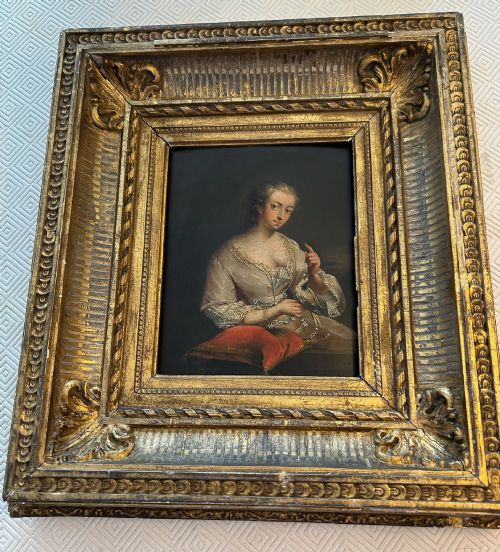
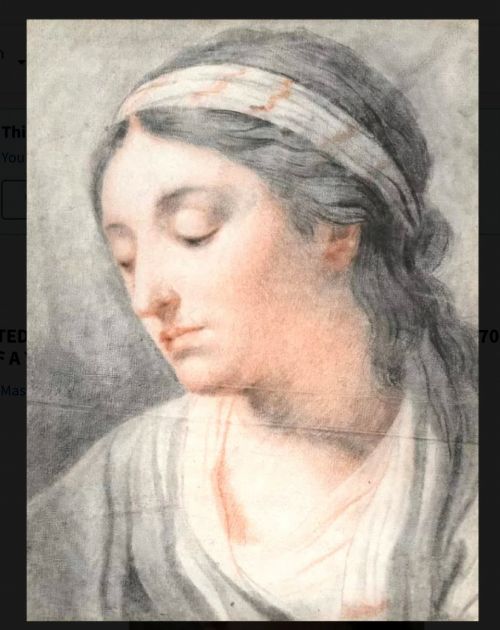
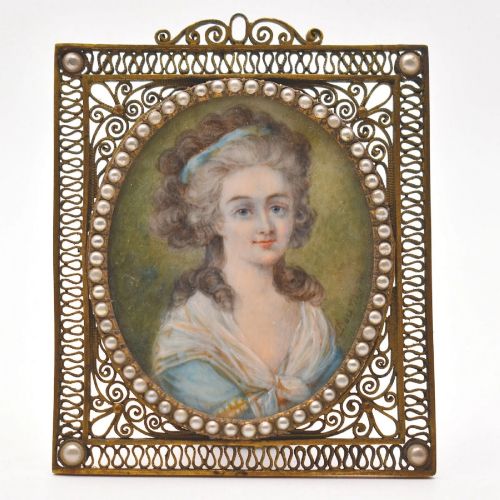
Rococo female portrait art brings together historic depictions of women originating mainly from the eighteenth century, alongside later revivals. You will encounter oil paintings on canvas and copper, portrait miniatures, drawings, and pastel works depicting aristocratic ladies, goddesses, and elegant youth.
The selections on this page lean heavily toward eighteenth-century European schools, including French, Bavarian, and British pieces. Works range from intimate portrait miniatures framed in giltwood to large-scale oils showing sitters in silk dresses and elaborate gowns.
While many pieces date directly to the seventeen-hundreds, the listings also incorporate nineteenth-century reinterpretations and later twentieth-century historical works. Each piece preserves the characteristic theatricality, ornamentation, and delicate subject matter associated with the period.
Materials and techniques
Artists of the period built their compositions using oil paint on stretched canvas, wooden board, copper, and occasionally paper for drawings and pastels. Pigments were layered to achieve luminous skin tones and rich fabrics like silk and satin, often finished with protective varnishes.
Many of the framed portraits are housed in decorative giltwood frames that complement the ornate aesthetic of the paintings within. Specialised formats like reverse painted mezzotints and seed-pearl decorated miniature frames demonstrate the varied craftsmanship applied to smaller portraits.
Rococo Female Portrait Art Retail Price Guide 2026
Typical asking prices for rococo female portrait art among the pieces listed under this phrase on Sellingantiques today, from the lower quarter to the upper quarter. They describe what is for sale here now, not the wider market.
The inventory spans the seventeenth, eighteenth, nineteenth, and twentieth centuries, featuring oil on canvas, oil on copper, wood panels, and portrait drawings.
Factors of quality
Quality in these portraits rests upon the finesse of the brushwork, particularly in the rendering of facial expressions, hands, and textile textures. Master painters achieved a lifelike translucency in skin and a convincing weight in drapery that lesser studio copies or provincial works often miss.
The prominence of the artist or school involved also dictates the standing of a piece, with direct hands or documented studio circles commanding greater interest. Condition matters deeply, including the stability of the original canvas, the preservation of the paint layers, and the originality of the accompanying giltwood frame.
Charles Spooner·Francois Boucher·Sir Allan Ramsay·Jeremiah Davison·Henry Pickering·Jean-Baptiste Greuze·Jean-Baptiste van Loo·François-André Vincent·Nicolas Fouché·Pierre Gobert·Jean-Marc Nattier·Paul Schier·William Edward Frost·Balthasar Denner·Nathaniel Hone·Arthur Pond·Fra Galgario·George Knapton·Philip Mercier·Joseph Highmore
The Rococo Female Portrait Art Glossary
- Rococo
- A decorative style originating in France characterised by lightness, elegance, and an abundance of curved forms. It superseded the heavier baroque aesthetic and focused on secular charm.
- Mezzotint
- A printmaking process of the printmaker's art in which an image is scraped onto a roughened copper plate. This technique allows for rich tonal gradations and subtle light effects.
- Giltwood
- Wood that has been treated with a thin layer of gold leaf or gold paint. It frequently frames fine art from the eighteenth century to enhance the visual opulence.
- Portrait Miniature
- A small, highly detailed portrait painted on vellum, copper, or ivory. These intimate objects were often worn as jewellery or kept in protective cases.
- Nereid
- A sea nymph from classical mythology often depicted in historical art. Artists utilised mythological themes to flatter female sitters by associating them with divine figures.
Rococo Female Portrait Art: Frequently Asked Questions
How do I date a rococo portrait?
Dating relies on stylistic clues such as the cut of the sitter's dress, hairstyle, and the pigment analysis of the canvas. Costume historians use specific collar designs and ribbon bows to narrow down the decade.
Signatures, artist attribution records, and framing styles also provide concrete chronological markers. Comparative analysis with dated works by the same school helps confirm the era.
Where were these portraits displayed?
Original owners hung these artworks in the reception rooms, grand staircases, and private withdrawing chambers of European townhouses and country estates. Smaller miniatures were kept in personal cabinets or worn close to the body.
Today, they suit period drawing rooms, libraries, and studies where traditional lighting enhances the oil pigments. Proper placement avoids direct sunlight to protect the fragile canvas and gilt frames.
What is a portrait miniature?
A portrait miniature is a small-scale painting executed with immense precision, often housed in a locket or an elaborate gilt frame. They served as tokens of affection, remembrance, or diplomatic gifts among the aristocracy.
Artists employed fine brushes and watercolour or oil on surfaces like copper and card to capture remarkable likenesses. Their compact nature made them highly portable possessions for eighteenth-century travellers.
How should I care for antique oil paintings?
Antique canvases require stable indoor humidity and temperatures to prevent the wood stretcher and paint layer from cracking. Dusting should be done gently with a soft, dry brush by someone experienced in handling historic art.
Professional conservators should handle any cleaning or varnish removal to avoid damaging the underlying pigment. Keeping the artwork away from direct heat sources ensures the longevity of the oil and canvas.