




Antique British Landscape
These antique british landscape works capture rural valleys, coastal havens and quiet riverbanks through nineteenth and early twentieth century eyes.
Antique British Landscape
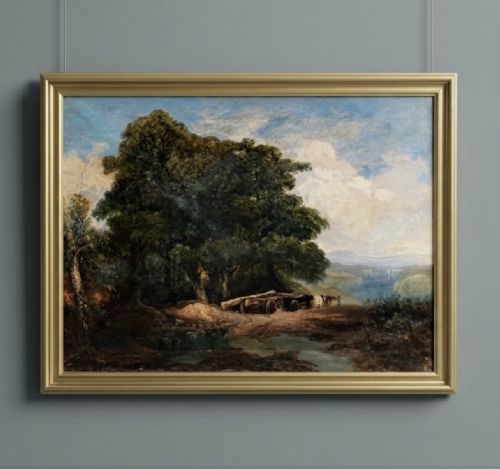
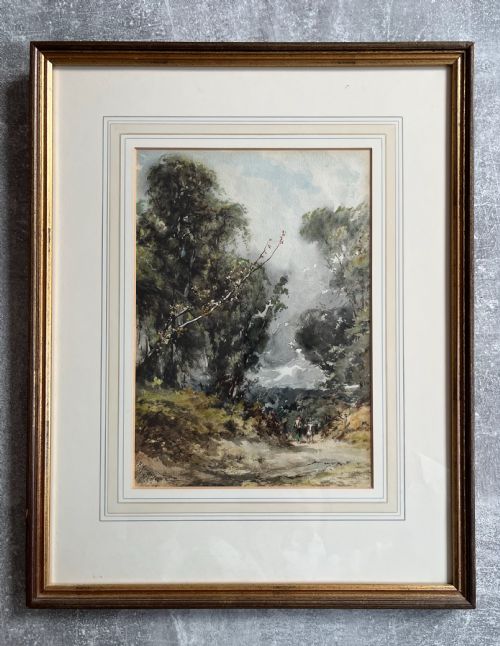
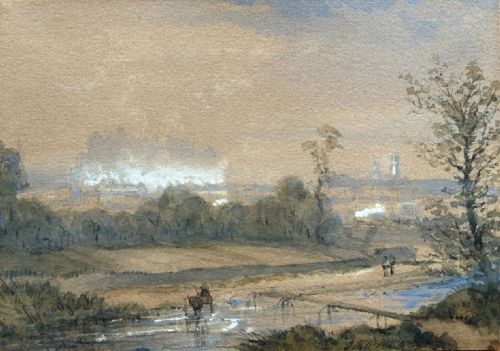
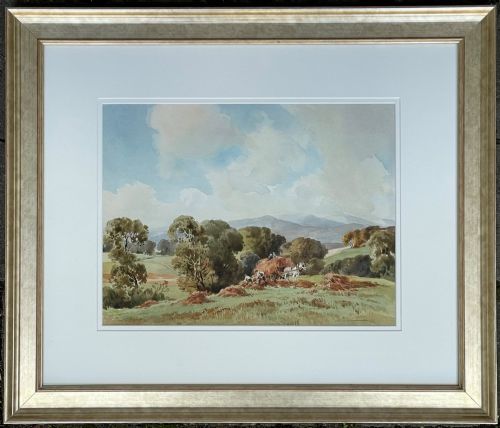
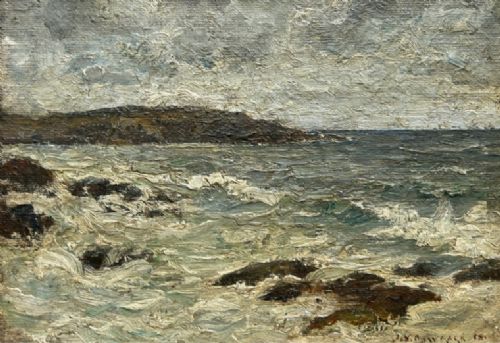
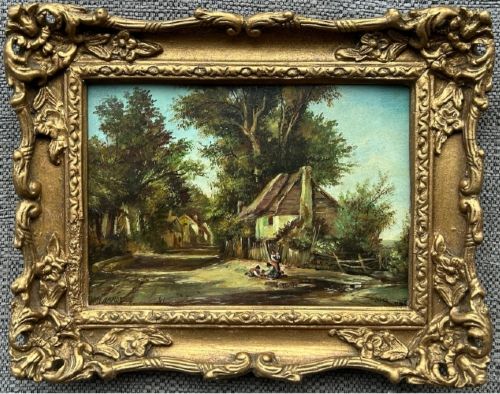
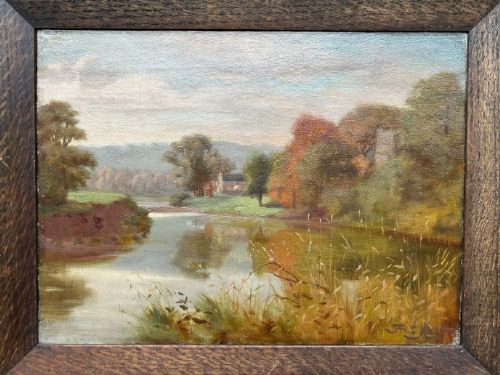
When you search for antique british landscape paintings and watercolours, you encounter original works spanning the Victorian and Edwardian periods up to the early decades of the twentieth century. These pieces record the changing topography, rural life, and coastal scenes of Britain through the hands of regional artists and Royal Academy exhibitors. The most common survivals on this page are framed watercolours on paper and oil paintings on canvas or wood panel, often signed by the artist and dated.
Subjects range from Welsh mountains and Scottish highlands to southern river valleys and northern coastal harbours, reflecting a widespread nineteenth-century fascination with domestic scenery. Painters frequently populated these views with figures, livestock, or agricultural workers to establish a sense of scale and narrative daily life. Whether executed as rapid plein-air oil studies or finished studio watercolours, the works preserve a vanished rural Britain.
How They Were Made
Artists built their compositions using oil paint on stretched canvas, wooden boards, or paper laid down, applying pigment with brushes or occasionally building textured impasto surfaces. Watercolours were applied to heavy rag paper, often beginning with pencil underdrawing and utilising transparent washes alongside opaque bodycolour for highlights.
Canvases and panels were typically housed in period gilt wood frames that protected the edges and completed the presentation. Signatures, dates, and inscriptions were frequently added by the artist directly onto the lower corners of the painted surface or mount.
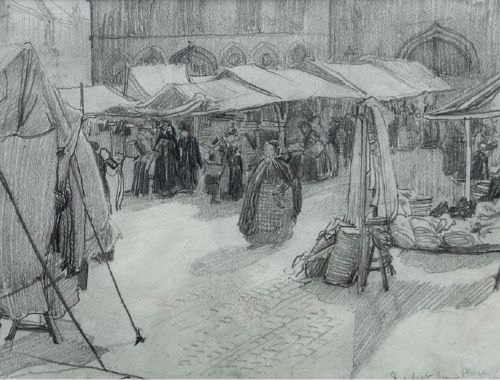
Materials recorded across the listings include oil on canvas, watercolour on paper, gouache, charcoal, and gilt wood frames.
What Varies In Quality
Quality rests upon the artist's command of light, atmosphere, and spatial depth, separating routine topographical records from compelling artistic interpretations. Finer works demonstrate confident brushwork, careful tonal balance, and a convincing rendering of weather and seasonal mood.
The degree of finish and the preservation of the original support also distinguish superior examples. Works retaining their period gilt wood frames and clear provenance through artist signatures or gallery labels offer greater historical completeness.
Richard Sebastian Bond·George Fotherly Hargitt·James Orrock·Henry Percy Huggill·John R Prentice·William H Myers·George Graham·Thomas Ellison·Tom Campbell·Alfred Young Nutt·Percy Lancaster·William Howard Hardy·Frederick Marriott·Arthur Wardle·John Horace Hooper·A Mitchell·William Joseph Shayer Senior·John McDougal·Alfred Fontville de Breanski Jr·EJ Letheren·Edward Mills·James E Aitken·Kershaw Schofield·Herbert Royle·John E Aitken
The Antique British Landscape Glossary
- Watercolour
- A painting method where fine pigment is suspended in a water-soluble binder and applied to paper. It allows for luminous washes and delicate atmospheric effects.
- Impasto
- Paint laid thickly on a surface so that brush or palette-knife strokes stand visibly proud. This technique adds tactile dimension and catches light across the painted canvas.
- Plein-air
- Painting outdoors to capture direct observations of natural light, weather, and surroundings. Artists working this way often produced smaller oil sketches on panel or board.
- Gilt wood
- Wood carved and coated with a thin layer of gold leaf or metallic gilt finish. These frames are traditional accompaniments to nineteenth-century oil paintings.
Antique British Landscape: Frequently Asked Questions
What periods do these landscapes cover?
The available inventory spans the nineteenth and early twentieth centuries, encompassing Victorian, Edwardian, and later periods.
Most items date from the mid-nineteenth century through the 1930s, reflecting British artistic production from those eras.
How should I care for these works?
Keep watercolours and drawings away from direct sunlight to prevent fading of the paper and pigments.
Maintain stable indoor humidity and temperature to protect both canvas supports and traditional wooden frames.
How can I tell watercolours from oils?
Watercolours are painted on paper, typically displayed beneath glass, showing transparent washes and visible paper texture.
Oil paintings are executed on canvas, board, or wood panel with thicker pigments that sit on the surface.
Where were these scenes usually painted?
Artists painted scenes across diverse British locations, including Welsh river valleys, Scottish highlands, and English coastal towns.
Many works document specific rural spots, villages, and waterways identified in artist inscriptions or titles.