


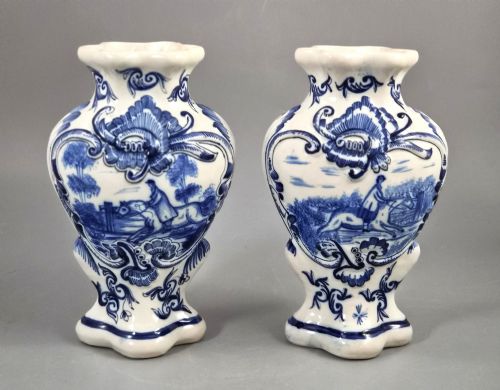

Traditional Country Painting
Traditional country painting captures rural life and landscapes, offering buyers a direct connection to pastoral history through brush and canvas.
Traditional Country Painting
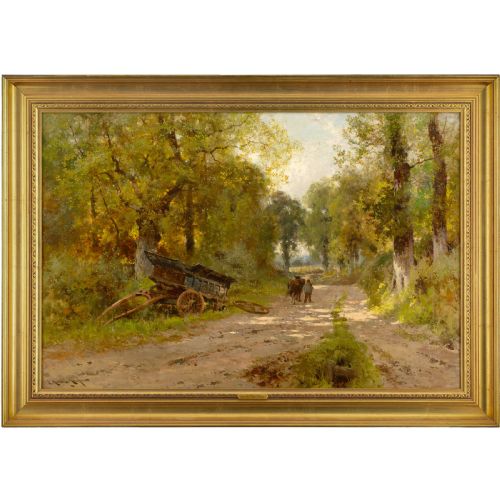
Traditional country painting encompasses rural landscapes, farm animals, and domestic scenes created across the nineteenth and early twentieth centuries. These artworks reflect agrarian life, rural trades, and the British countryside during periods of significant agricultural change.
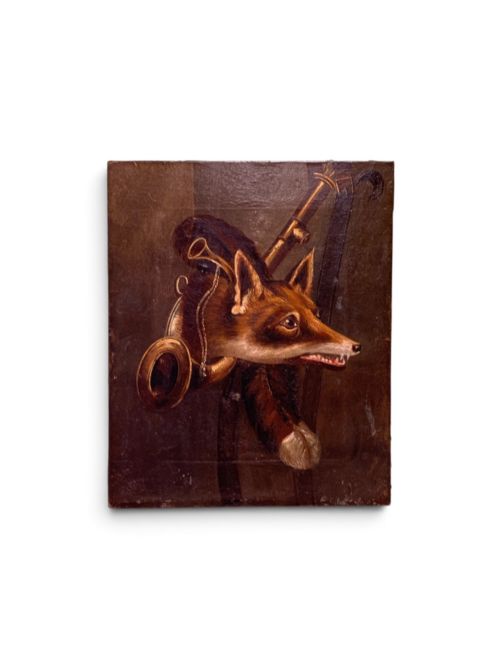
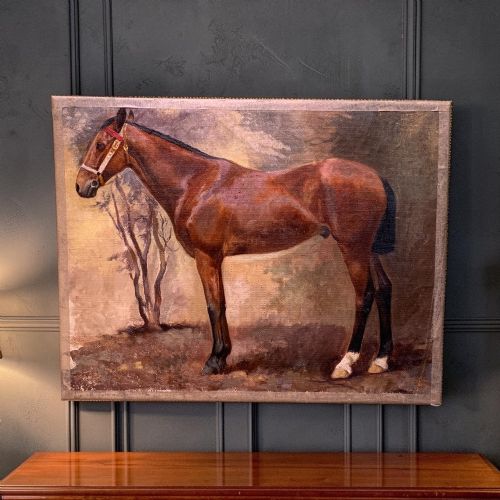
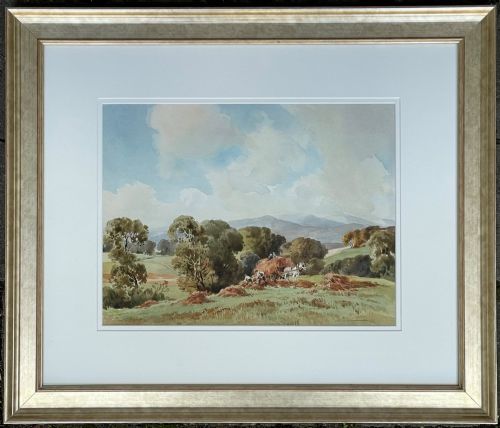
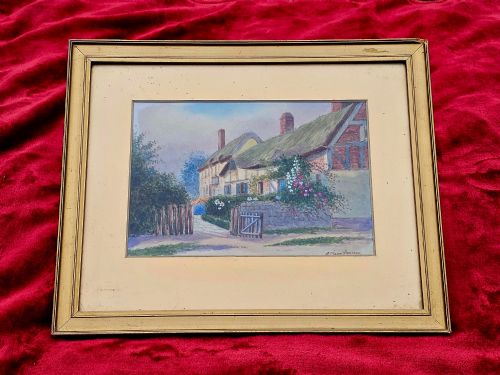
Buyers frequently encounter framed oil paintings on canvas and panel alongside watercolours depicting cottages, harvest fields, and sporting subjects. Such works range from professional regional school pieces to straightforward studies of animals and local topography.
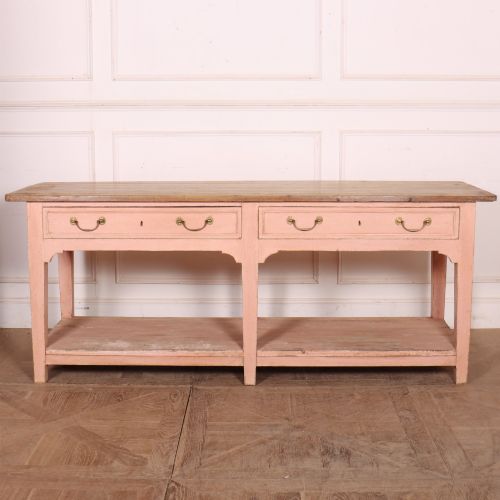
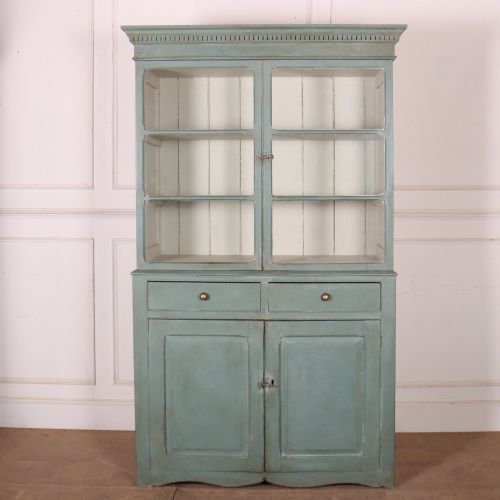
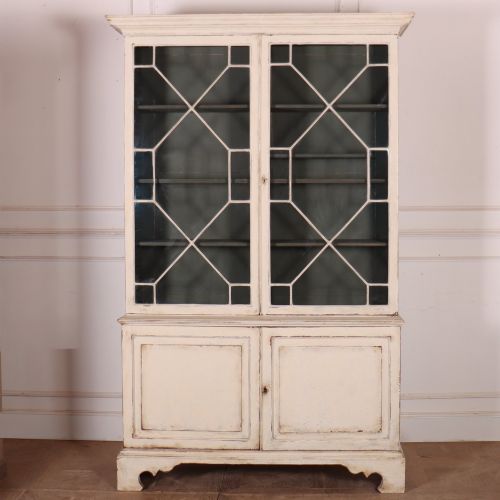
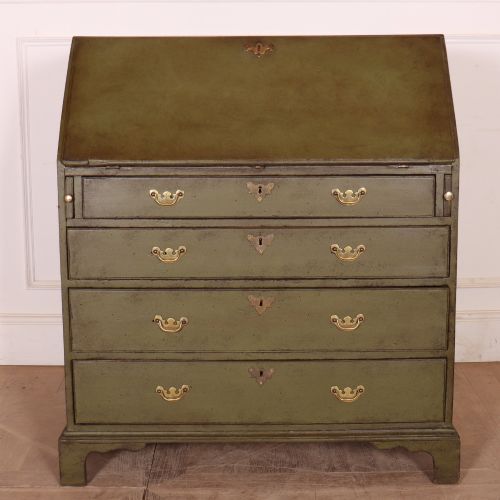
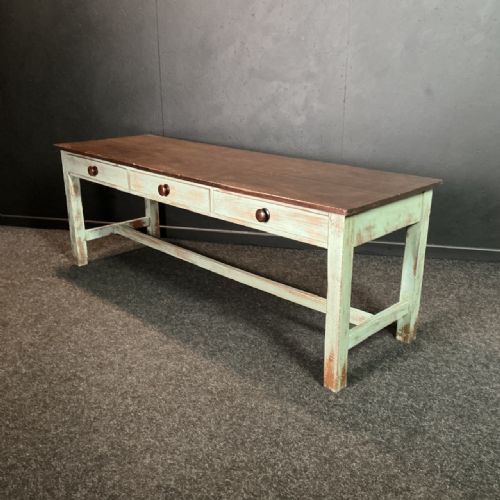
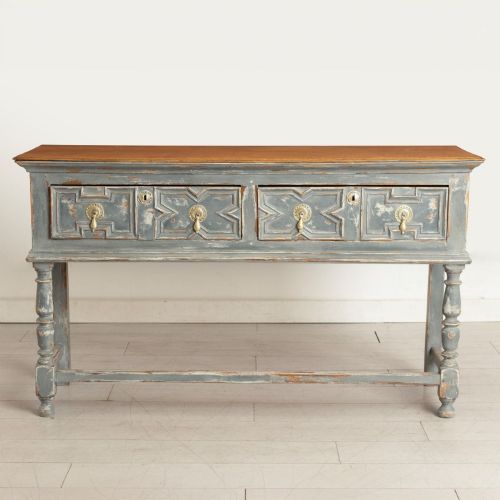
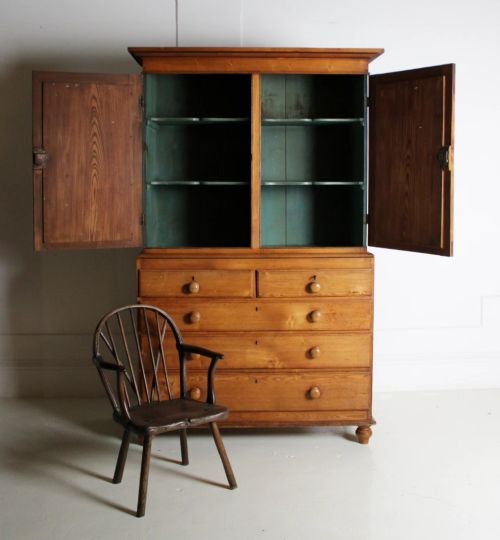
Alongside pure canvas works, the category includes painted furniture and decorative items bearing surface art, uniting utilitarian wooden forms with traditional aesthetic finishes.
How they were made
Artists applied oil paint and watercolour pigments to prepared wooden panels, stretched canvas, and paper supports, utilising traditional brushes and layering techniques. Many canvases are housed within original gilt wood or moulded frames.
Pine, oak, and ash served as the primary wooden foundations for both the paintings and the associated furniture pieces, frequently finished with paint layers or wax applications.
Traditional Country Painting Retail Price Guide 2026
Typical asking prices for traditional country painting among the pieces listed under this phrase on Sellingantiques today, from the lower quarter to the upper quarter. They describe what is for sale here now, not the wider market.
Listings combine 19th-century oil paintings and watercolours with pine and oak furniture featuring original paint finishes.
What varies in quality
Quality rests in the draughtsmanship, the handling of light, and the accuracy of anatomical or topographical detail achieved by the artist. Stronger works demonstrate confident brushwork and balanced composition within the landscape.
The integrity of the original surface paint and the condition of the canvas or panel relative to its age define the preservation standard of each piece.
Percy Lancaster·William Howard Hardy·John Horace Hooper·A. Marie Parsons·Robert John Hammond·Walter Heath Williams·Robert Thorne Waite·John Smith Atherton·Howard Helmick·Thomas Sidney Cooper·Joseph H Barnes
The Traditional Country Painting Glossary
- Oil on Canvas
- Pigment mixed with drying oil applied to a woven fabric support stretched over a wooden frame. This medium allowed artists to build rich textures and deep colour tones.
- Watercolour
- A paint consisting of colour pigments suspended in a water-soluble vehicle, traditionally applied to paper. It produces translucent washes suited to capturing atmospheric skies and countryside light.
- Panel
- A flat piece of wood used as a rigid painting surface instead of canvas. Artists frequently utilised prepared wooden boards during the nineteenth century.
- Gilt Wood
- Timber decorated with gold leaf or metallic gilt powder applied to the surface. It is commonly found on the decorative frames enclosing period oils.
Traditional Country Painting: Frequently Asked Questions
What subjects appear in traditional country painting?
These works primarily feature rural landscapes, agricultural scenes, farm animals such as shire horses and shorthorn bulls, and domestic cottages. Sporting subjects including gun dogs and hunting scenes also feature prominently.
The focus remains squarely on the daily realities and scenery of the British countryside, recorded by artists working within regional schools.
How do I date a traditional country painting?
Dating relies on stylistic evidence, costume details of any figures depicted, framing techniques, and signatures or inscriptions on the reverse of the canvas or panel. Nineteenth-century works often carry specific stylistic markers linked to Victorian landscape traditions.
Examine the stretcher frames and canvas types, as manufacturing methods evolved visibly between the Georgian era and the early twentieth century.
Where were these paintings displayed originally?
Such artworks traditionally hung in farmhouse parlours, country estate dining rooms, and regional residences alongside utilitarian furniture like dresser bases and cabinets. They served to celebrate local agricultural achievements and familiar rural views.
Today, they transition easily into modern country interiors, bringing historic pastoral atmosphere to domestic wall spaces.
Are watercolours different from oil paintings?
Watercolours utilise water-soluble pigments on paper supports, creating lighter, translucent images that require protective glass framing. Oil paintings utilise oil-bound pigments on canvas or wood panels, offering richer texture and greater durability.
Both mediums captured the British landscape concurrently but provided artists with distinct technical possibilities for light and colour.