


Antique Coastal Wall Picture
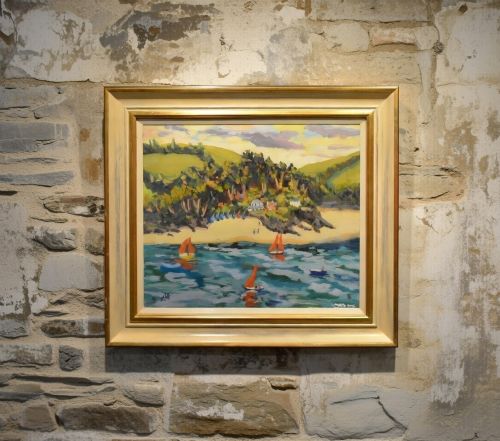
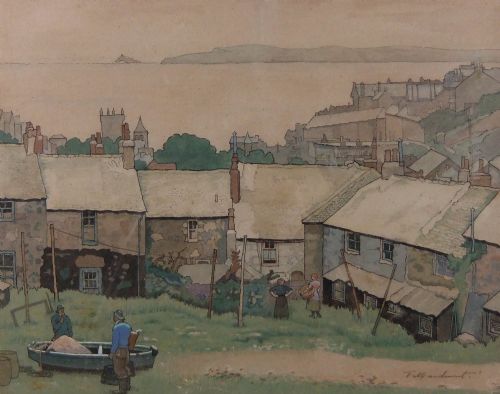
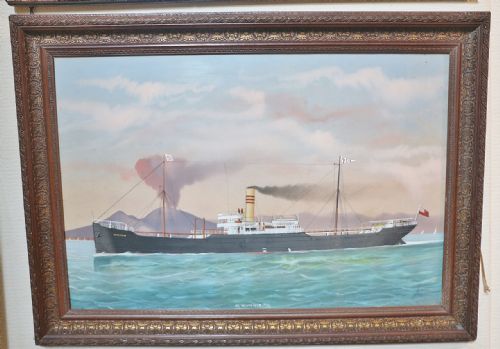
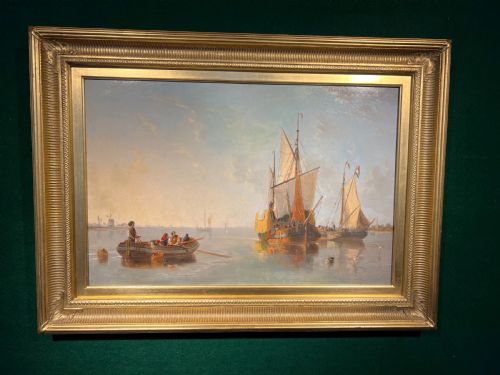
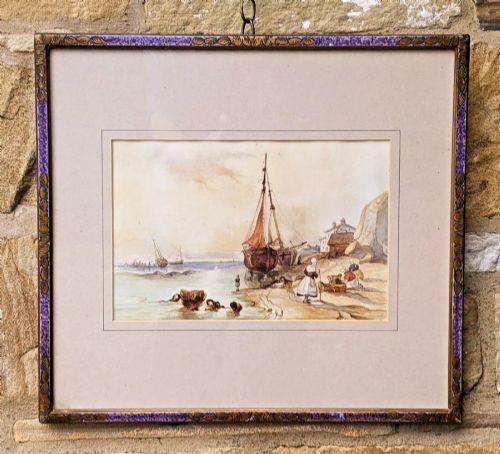
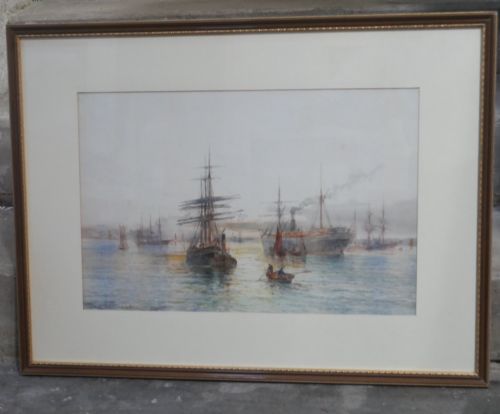
When you search for an antique coastal wall picture, you find maritime watercolours and oil paintings recording British harbours, fishing boats and shipping lanes.
Antique Coastal Wall Picture
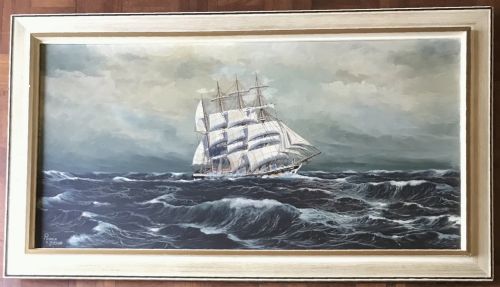
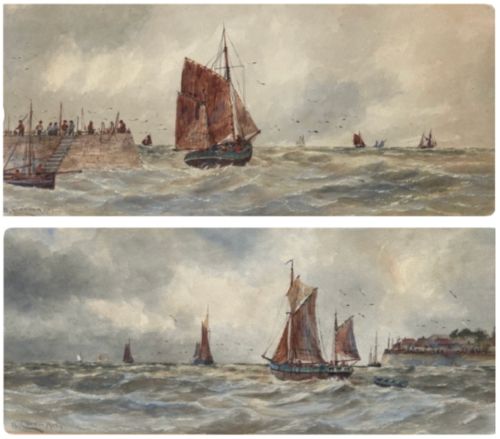
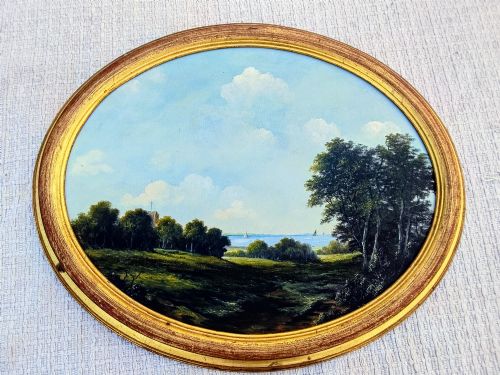
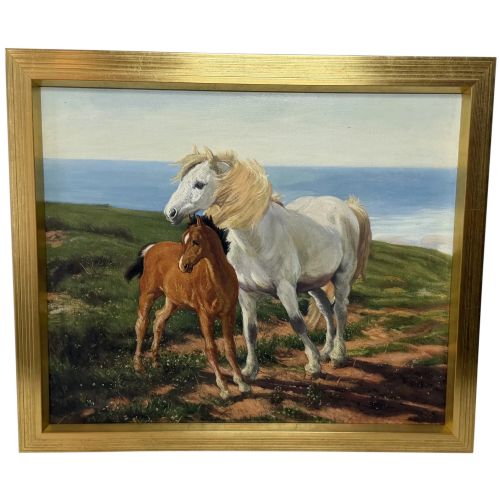
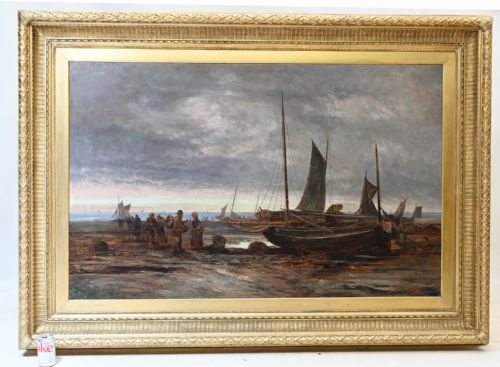
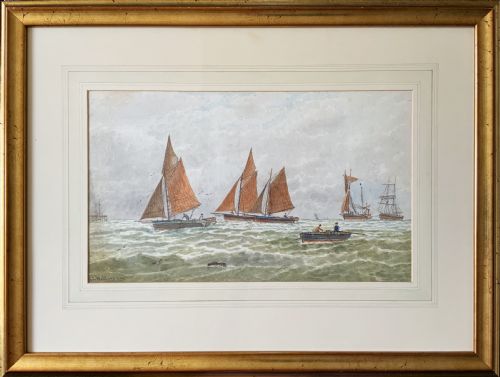
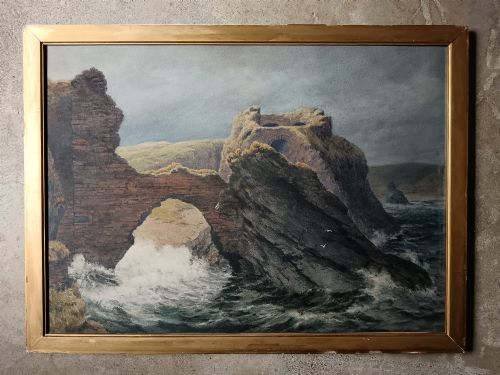
An antique coastal wall picture captures maritime life, fishing ports, and open seas across the nineteenth and twentieth centuries. These works include detailed watercolours and substantial oil paintings framed for domestic display.
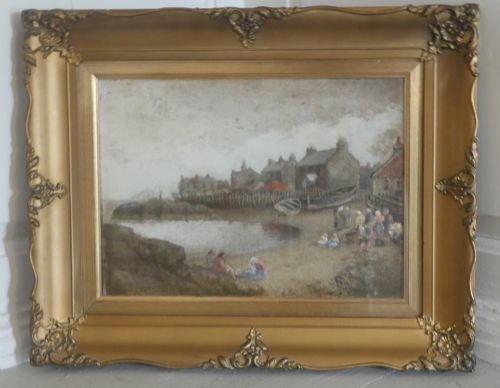
The subjects range from Scottish castles and Cornish harbours to international waters near Italy and Normandy. Painters record specific locations such as Whitby, Dublin Bay, and the River Humber alongside anonymous village scenes.
Victorian and Edwardian examples dominate the selection, often produced by members of the British School or regional marine artists. Domestic interiors benefit from both intimate watercolour studies and large canvas oil paintings.
How they were made
Artists painted on stretched canvas or applied watercolour pigment to heavy paper, frequently mounting the works within gilt wood frames under protective glass. Oil on canvas pieces rely on layered brushwork to capture the movement of waves and shifting coastal light.
Watercolour paintings utilise translucent washes over pencil sketches to depict harbours, boats, and distant headlands with fine precision. Supporting materials include wooden stretchers, paper backing, and period gilt frames that secure the artwork.
One canvas records a sixty-foot stretch of the Norfolk coast, requiring an exceptionally wide wall for proper contemplation.
What varies in quality
Quality rests upon the artist's command of light, atmosphere, and maritime architecture, separating competent topographical records from accomplished artistic interpretations. Stronger works convey the weight of sea air and the precise rigging of vessels through confident handling of paint or pigment.
The proportion of the composition and the preservation of the original gilt wood frame influence the overall presence of the piece. Surviving signatures and documented artist attributions elevate works beyond anonymous student exercises.
William Cannon·Thomas Maidment·John Wilson Carmichael·George Stanfield Walters·John Moxon·William Frederick Settle·Alfred George Morgan·Charles Napier Hemy·William Lee Hankey·Arthur Tucker·Gustave De Bréanski·William Raymond Dommersen·James Webb·Frederick William Hattersley·Frank Wood·James Thomas Watts·Leslie Rackham·Ernest F. Hill·Alfred Henry Vickers·George Henry Knight
The Antique Coastal Wall Picture Glossary
- Watercolour
- A painting method where fine pigment is suspended in a water-soluble binder and applied to paper. It creates luminous, transparent effects favoured by maritime artists recording coastal light.
- Oil on Canvas
- Pigment mixed with drying oil applied to a woven fabric stretched across a wooden frame. This medium allows for rich textures and deep colour blending suited to dramatic seascapes.
- Gilt Wood
- Timber carved and coated with a thin layer of gold leaf or metallic gilt paint. These frames define the outer edge of antique pictures and indicate the aesthetic of the period.
- British School
- A term describing artists trained or working within Britain whose styles reflect shared national traditions rather than a single academy. It encompasses regional landscape and marine painters.
- Maritime Art
- Depictions of ships, harbours, coastal views, and naval engagements. This genre requires technical knowledge of vessel construction alongside landscape painting skills.
Antique Coastal Wall Picture: Frequently Asked Questions
How do I date a maritime painting?
Dating relies on costume, vessel design, architectural landmarks, and the style of the frame. Signatures and exhibition labels on the reverse provide direct historical markers.
Material analysis of the canvas, paper, and pigments also assists in placing the work within the nineteenth or twentieth century.
What is the difference between watercolour and oil coastal pictures?
Watercolours are painted on paper under glass, offering delicate atmospheric effects and fine detail. Oil paintings utilise canvas supports that permit thicker brushwork and deeper tonal ranges.
Watercolours were typically produced for intimate domestic spaces, whereas large oils suited prominent reception rooms.
Where were these coastal scenes painted?
Artists worked across British fishing ports including Whitby, St Ives, Polperro, and various Scottish harbours. Many painters also travelled to European coastal locations in Italy and France.
Local topography often appears in titles inscribed by the artist on the work or frame.
How should I hang and light an antique picture?
Hang paintings away from direct sunlight and steady heat sources to protect paper, canvas, and gilt frames. Picture wire secured to heavy wooden stretchers ensures even weight distribution.
Adjustable picture lights placed above the frame illuminate the details without generating excessive heat.