


Vintage Countryside Artwork
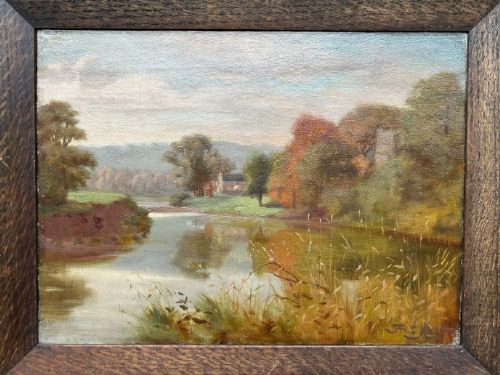
When seeking vintage countryside artwork, you encounter rural landscapes captured in oil and watercolour across various centuries.
Vintage Countryside Artwork
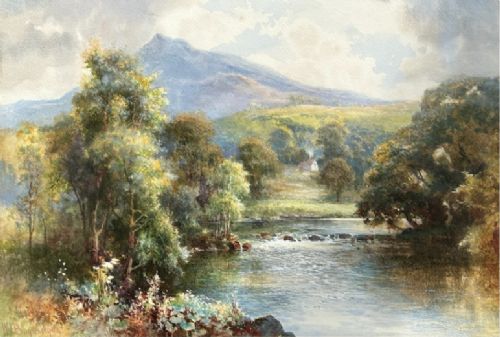
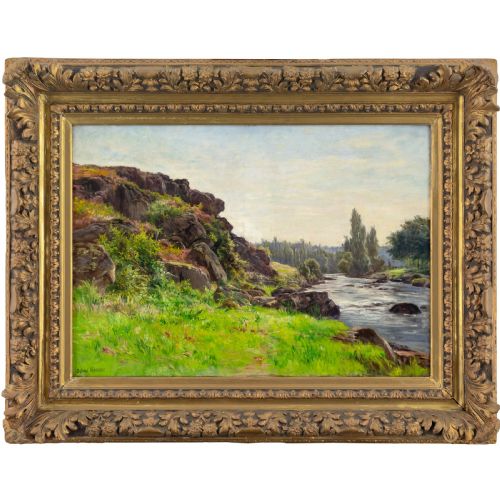
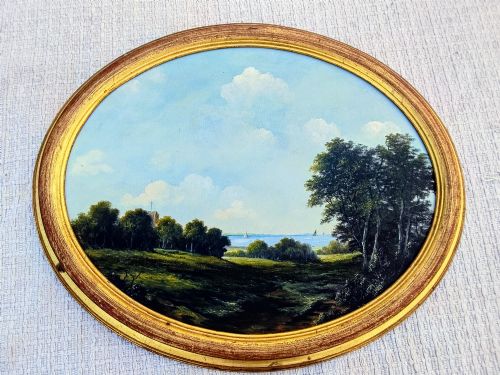
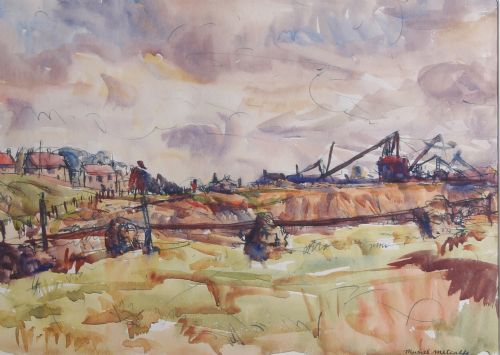
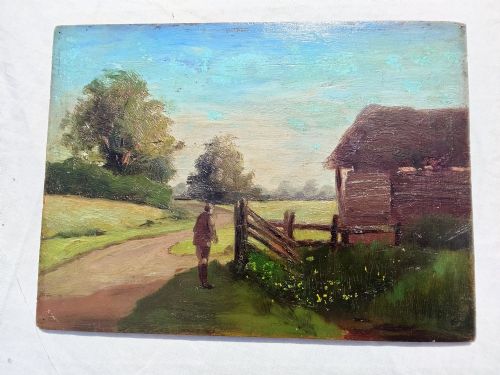
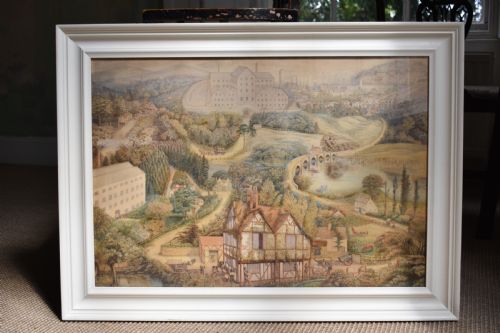
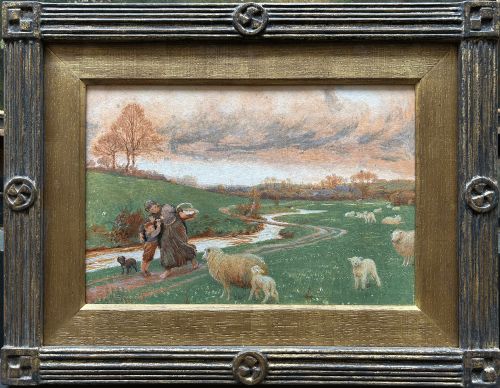
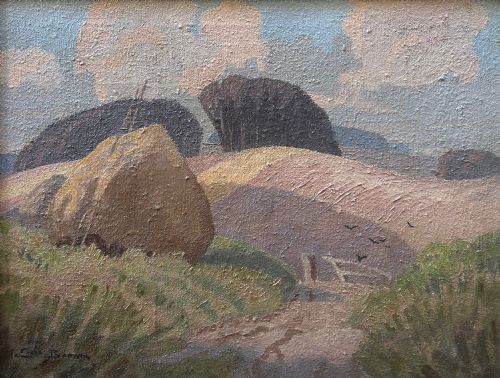
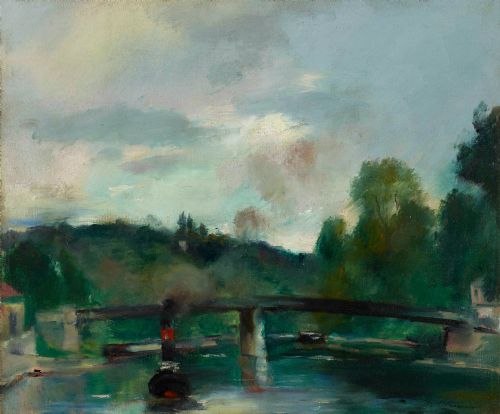
Vintage countryside artwork encompasses rural scenes, river views, and agricultural landscapes recorded across the nineteenth and twentieth centuries. These pieces typically depict British and European countryside life through media such as oil paint on canvas or wood panel, alongside delicate watercolours on paper. Buyers searching this category frequently find framed paintings showcasing pastoral vistas, farm animals, and rolling hills.
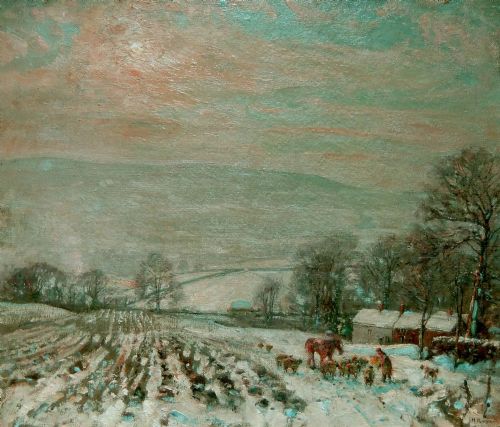
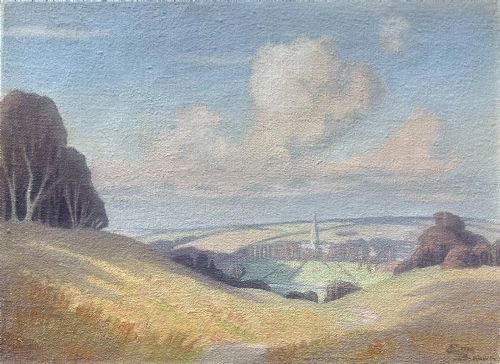
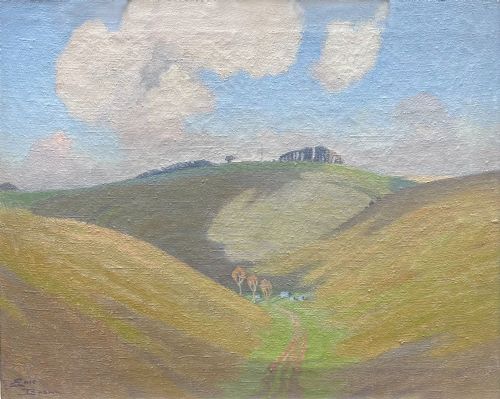
The selection ranges from Victorian watercolours of Welsh rivers to mid-twentieth-century oil paintings of West Country ponies and Yorkshire valleys. Creators documented local topography and changing seasonal light, producing works within British Impressionism, Modern British, and Post-Impressionism styles. Most examples preserve a specific rural locality, offering a direct window into historical agrarian environments.
Materials and Methods
Artists painted primarily with oil on canvas or wooden panel, utilising the rich texture of the medium to build depth in foliage, skies, and earth. Watercolours on paper served for lighter, translucent interpretations of riverbanks and coastal estuaries.
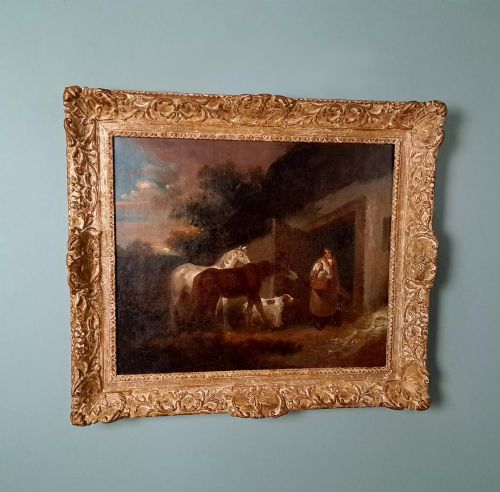
Support materials varied from stretched canvas and heavy opaque gouache to wooden boards and paper sheets. Frames of gilt or carved wood frequently accompanied these works, protecting the painted surfaces while defining the visual boundaries of each rural scene.
Vintage Countryside Artwork Retail Price Guide 2026
Typical asking prices for vintage countryside artwork among the pieces listed under this phrase on Sellingantiques today, from the lower quarter to the upper quarter. They describe what is for sale here now, not the wider market.
Several pieces feature hardworking horses pausing near Welsh rivers and Yorkshire farms, seemingly taking a well-earned break from ploughing.
Evaluating Artistic Merit
Quality rests upon the artist's ability to manipulate light and shadow to convey atmospheric conditions, such as winter sunlight or afternoon haze over a valley. Superior pieces demonstrate confident brushwork and a balanced composition that anchors the viewer within the rural setting.
The handling of pigment, whether through thick impasto strokes or subtle watercolour washes, determines the visual impact of the landscape. Stronger examples avoid rigid formulas, instead capturing the distinct mood and topography of the depicted region.
William H Myers·Frederick Marriott·William Joseph Shayer Senior·Herbert Royle·William Joseph Boyes·Gabriel Mathieu·Muriel Metcalfe·Frederick Walker·Eric Brown·Henri Ottmann·Ernest Higgins Rigg·Rene Levrel·Vernon DeBeauvoir Ward·Florence Adelina Hess·Charles Clair·Joseph Edward Hennah·Charles Walter Simpson·Helen Layfield Bradley·Samuel Timmins·Henry Charles Fox·Mario Pinetti·Cuthbert Crossley
The Vintage Countryside Artwork Glossary
- Impasto
- Paint applied thickly to a canvas or panel, leaving visible brush or palette knife marks that add tactile dimension to the surface.
- British Impressionism
- A style adopted by British painters influenced by French techniques, focusing on natural light and outdoor rural scenes.
- Gilt
- A thin layer of gold leaf or gold-coloured pigment applied to wood frames, enhancing the presentation of the artwork.
- Wood Panel
- A flat wooden board utilised as a rigid support for oil paintings before stretched canvas became dominant.
Vintage Countryside Artwork: Frequently Asked Questions
What periods do these rural artworks cover?
The available selection spans from the nineteenth century through the 1960s, encompassing Victorian, Edwardian, and mid-century modern movements.
Creators from different decades approached the rural subject matter through distinct stylistic lenses, ranging from realistic topographical records to impressionistic interpretations.
How were these landscape paintings displayed originally?
Many pieces retain their period frames made of gilt or carved wood, which were chosen to complement the visual tones of the rural scene.
These surrounds served both to protect the edges of the canvas or paper and to integrate the artwork into domestic interior spaces.
What subjects are most common in this artwork?
Common subjects include river valleys, agricultural fields with livestock, coastal sea views, and winter village scenes across Britain and Europe.
Artists frequently documented specific local geographies, such as Welsh rivers, Yorkshire views, and West Country pastures.
How do oil and watercolour pieces differ?
Oil paintings utilise heavy pigments on canvas, panel, or board, allowing for textured brushwork and deep colour layering. Watercolours employ translucent washes on paper, offering a lighter and more immediate record of atmospheric light.