

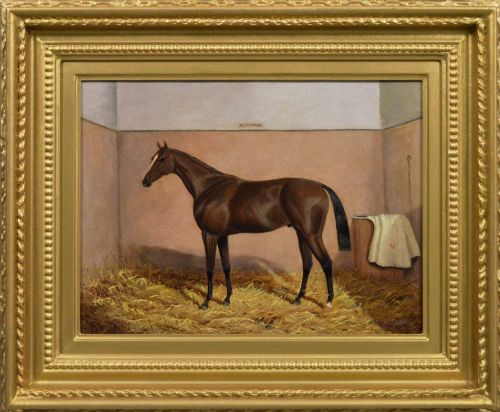
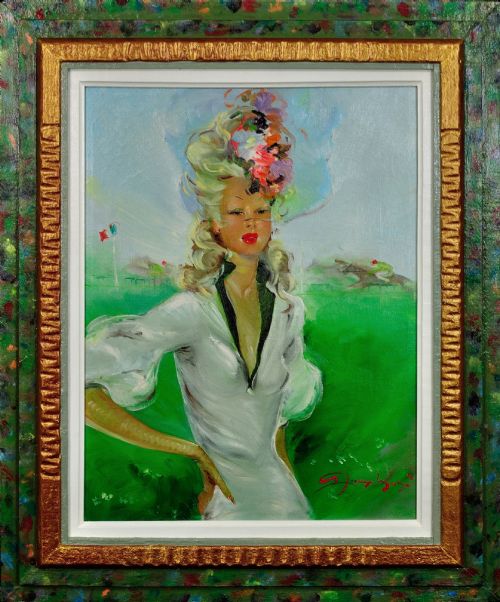
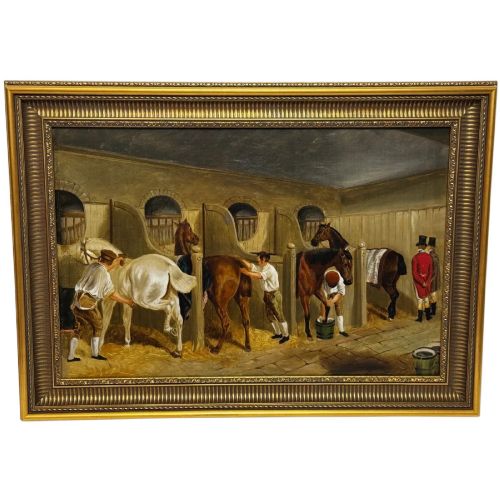
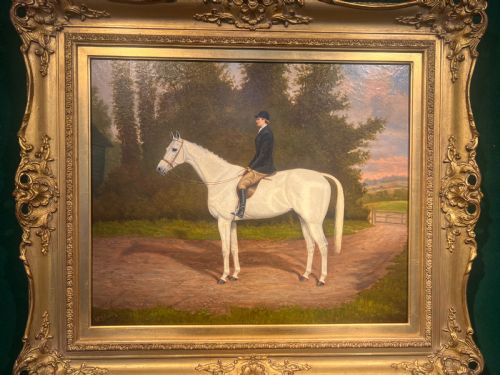
Oil Canvas Horse Painting
An oil canvas horse painting captures the enduring power and elegance of equines across centuries of British and European sporting and rural art.
Oil Canvas Horse Painting
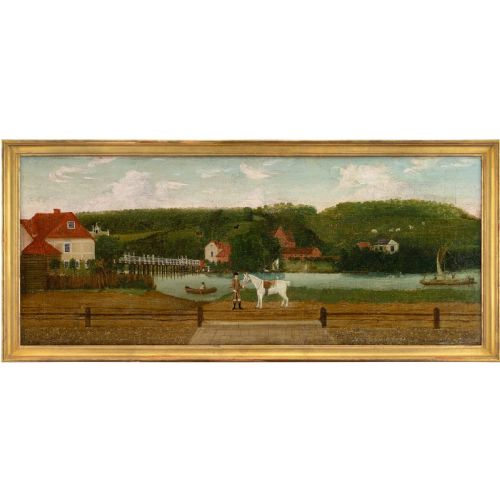
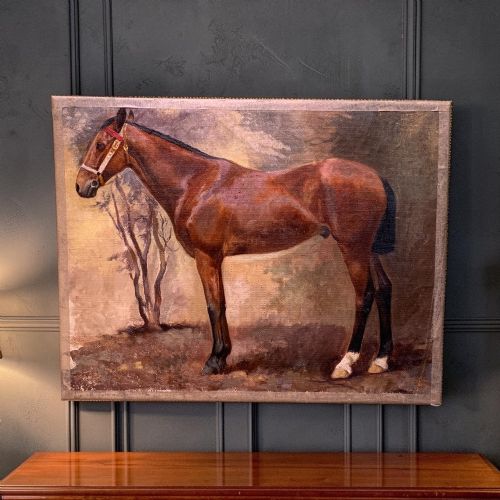
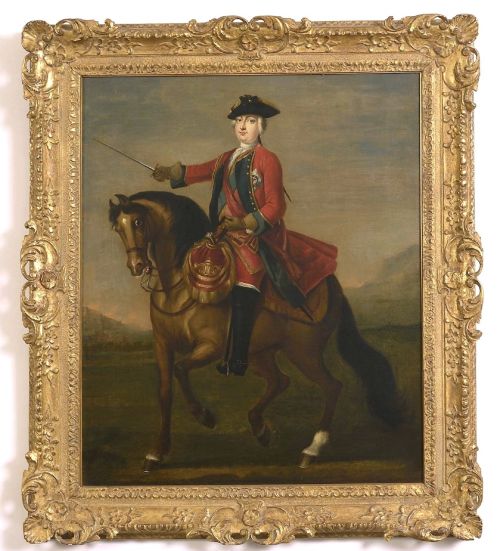
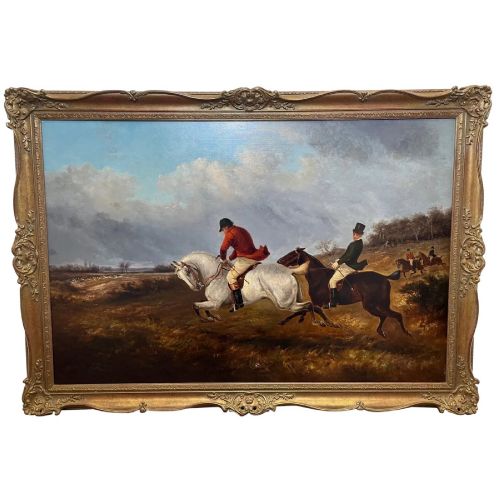
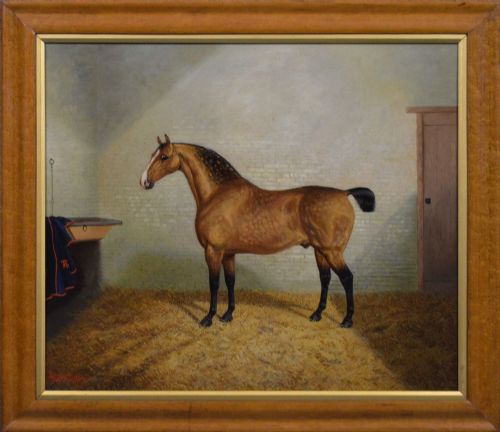
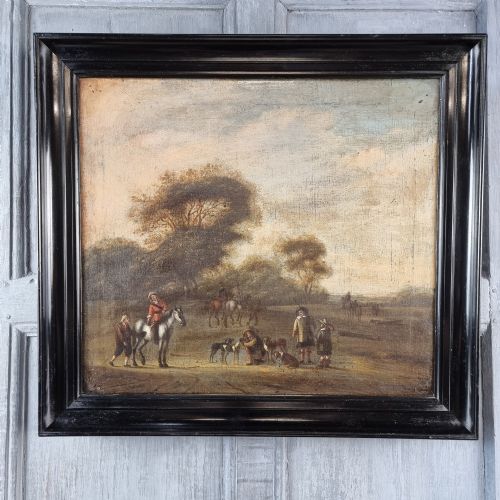
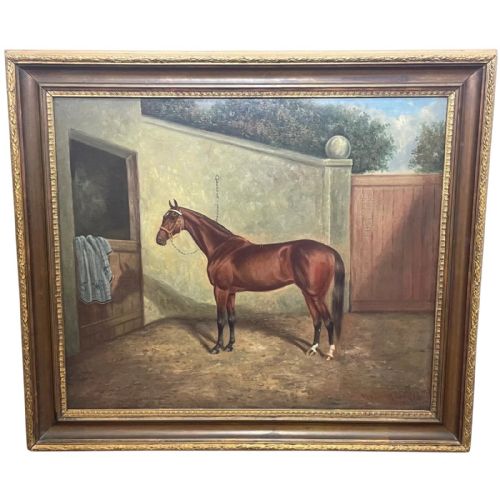
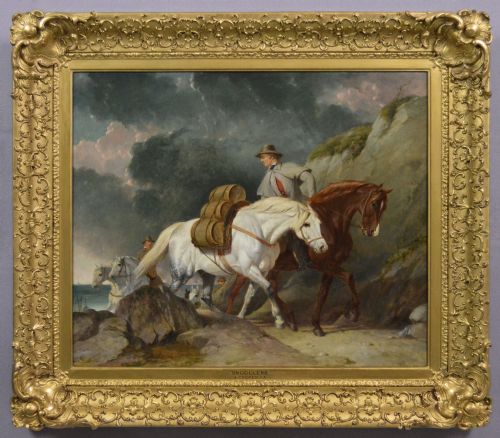
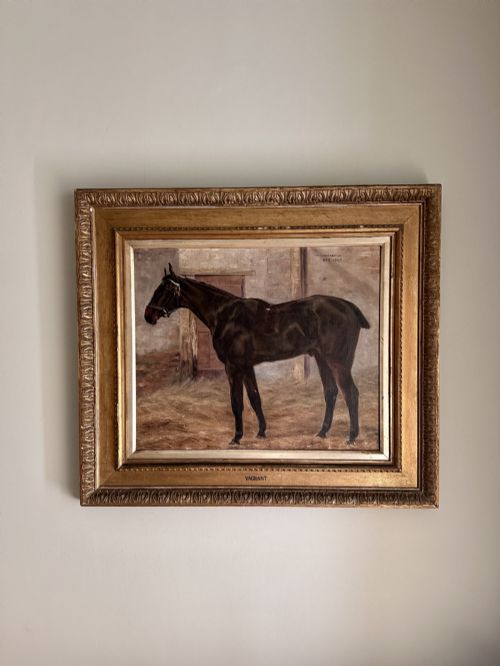
When searching for an oil canvas horse painting, collectors encounter a rich variety of equestrian subjects, ranging from individual portraiture of prize-winning racehorses to bustling hunting scenes and quiet rural landscapes.
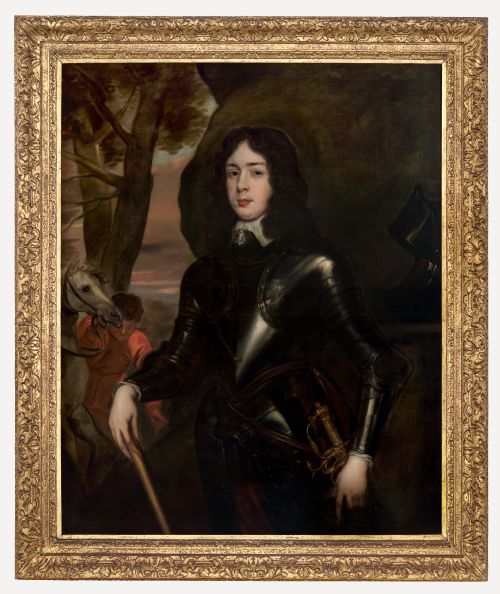
The selections available span from the 17th century through the Victorian era and into the mid-20th century, reflecting shifting tastes in animal painting and countryside life.
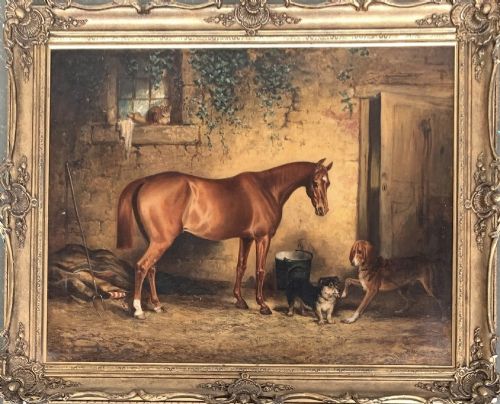
Buyers most frequently meet Victorian and early 20th-century works depicting hunters in stables, working shire horses in fields, and coaching scenes rendered on stretched canvas.
Materials and Techniques
These works utilise traditional oil paint applied to woven canvas supports, often stretched over wooden frames or secured in period giltwood surrounds.
Artists built depth through layered translucent glazes and opaque pigments, capturing the sheen of a horse coat and the varied textures of leather harnesses and rural terrain.
Several canvases quietly preserve stray stable hairs embedded permanently within the old oil paint.
Markers of Distinction
An oil canvas horse painting achieves higher distinction through the artist's anatomical accuracy in rendering equine muscle structure, movement, and posture.
The integration of the animal within its specific landscape or stable setting, alongside the handling of light and atmospheric depth, separates master works from routine commercial studio pieces.
Thomas Smythe·Albert Clark·Abraham Cooper·Henry Barraud·John Ferneley Senior
The Oil Canvas Horse Painting Glossary
- Canvas
- A heavy woven fabric, typically flax or hemp, used as a sturdy surface for oil painting.
- Giltwood
- Wood that has been thinly coated with gold leaf or gold paint, frequently seen on period frames.
- Equine art
- Depictions of horses spanning portraiture, racing, hunting, and agricultural labour.
- Provenance
- The documented history of ownership of an artwork, establishing its authenticity and origin.
Oil Canvas Horse Painting: Frequently Asked Questions
How do I care for an old oil painting?
Keep the canvas away from direct sunlight and dramatic fluctuations in household temperature and humidity to prevent cracking of the paint layer.
Dust the surface gently with a soft, dry brush and avoid using chemical cleaners or water on the exposed pigments.
What is the difference between a portrait and a sporting scene?
A horse portrait focuses primarily on an individual named animal, often standing in a stable or paddock with detailed attention to its specific markings.
Sporting scenes place horses in action during hunts, races, or coaching journeys, emphasising the surrounding landscape and narrative event.
How can I tell the period of the frame?
Period frames often display construction methods like corner mitres joined with wooden pegs and hand-carved or moulded composition ornamentation.
Original frames match the age of the canvas and show consistent patination, though many older paintings were reframed in later decades.
Where were these equine paintings produced?
The works originate largely from British and European regional studios, reflecting the deep cultural ties between rural communities, landed estates, and horse breeding.
Artists travelled to farms, training yards, and country houses to paint specific animals directly from life or under commission.