



Antique Horse Racing Art
Antique horse racing art captures the speed and tension of the turf through Victorian oils, Edwardian prints and delicate silk needlework.
Antique Horse Racing Art
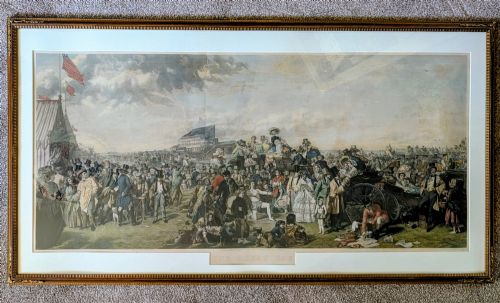
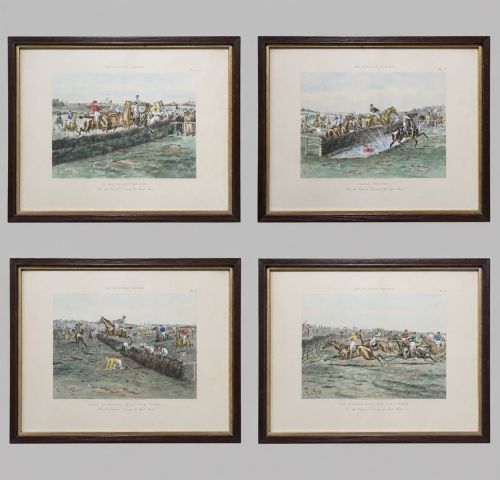
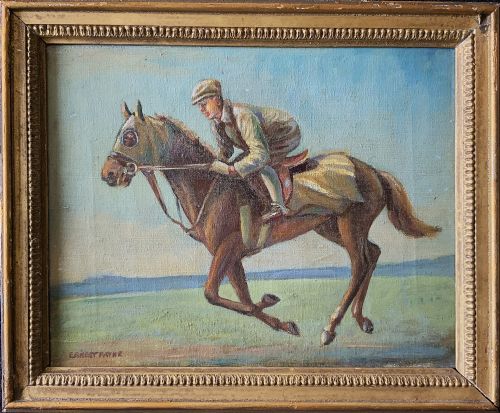
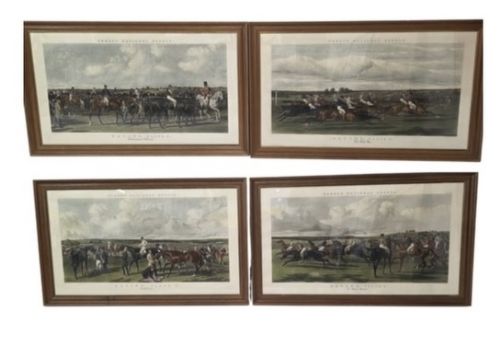
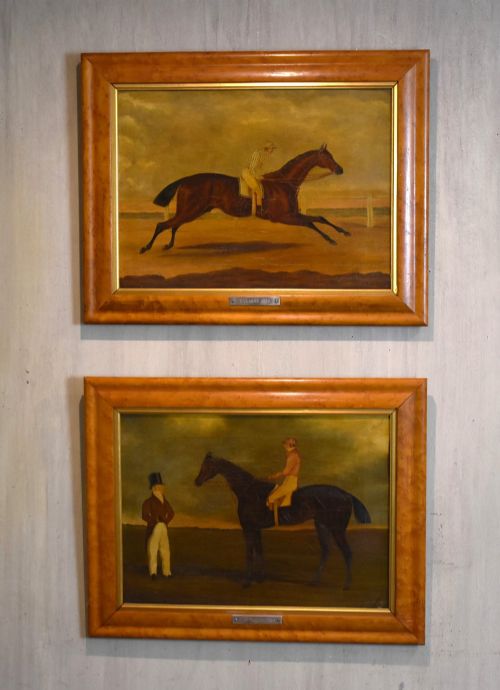
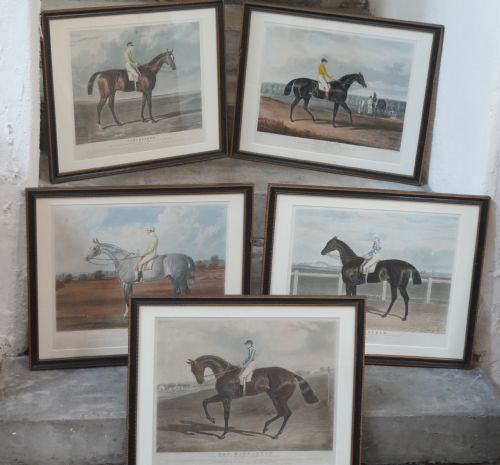
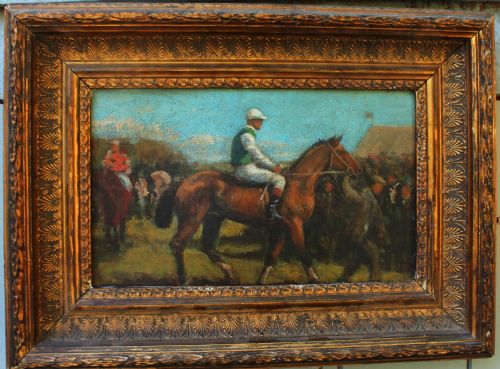
Antique horse racing art encompasses framed prints, oil paintings, engravings and silk needlework documenting the history of the turf. These pieces range from intimate oil studies of famous racehorses and jockeys to large sets of aquatints and chromolithographs capturing historic racecourses and Derby days.
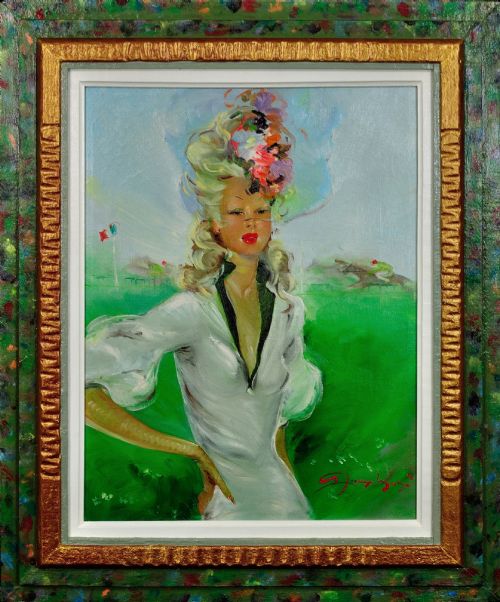
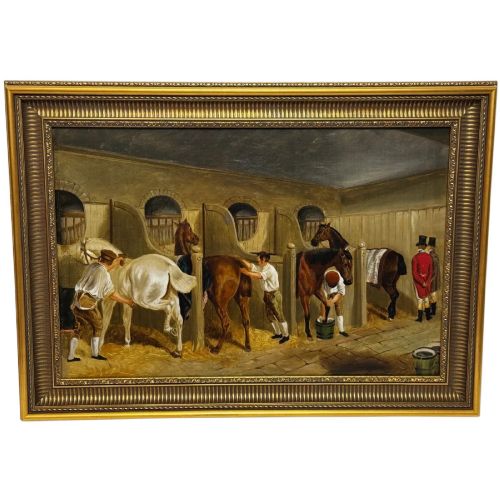
The version most commonly encountered on this page is the framed print, often appearing in sets or after notable sporting artists, alongside Victorian and Edwardian oil paintings. Collectors also find reverse silhouette paintings on glass and photographic prints depicting legendary horses and riders from the nineteenth and early twentieth centuries.
Originating primarily from British sporting traditions, these works document iconic tracks such as Epsom and Newmarket, preserving specific winners like Diamond Jubilee and Creeping Molly. The variety spans simple single sheet engravings to comprehensive sequences by established artists and publishers.
How they were made
Artists and craftsmen employed oil paint on canvas and wood panels to render rich portraits of racehorses and paddocks, utilising ink and paper for detailed prints and engravings. Specialised techniques such as chromolithography and reverse painting on glass allowed for vibrant multiple-plate colour prints and protected silhouettes.
Framing utilised gilded wood and Hogarth mouldings, while textile workers applied silk needlework to depict sweeping turf layouts. Photographic processes later captured famous racehorses through framed and glazed photographic prints.
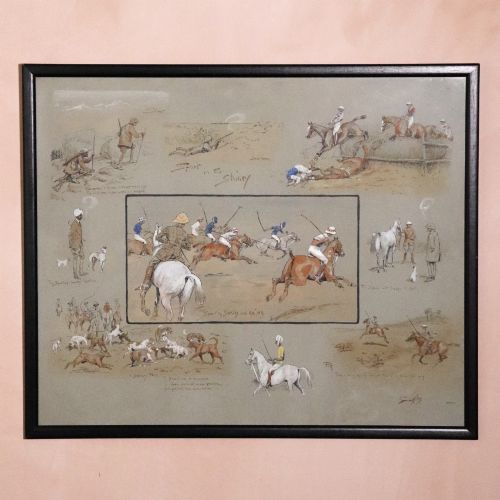
A nineteenth-century print records a carpet beater in motion alongside bobbery wallahs.
What varies in quality
Quality rests upon the precision of the draughtsmanship and the fidelity with which the artist captures the anatomy and motion of the horse and jockey. Original brushwork in oil paintings and hand-coloured details on period prints command greater regard than mass-produced later reproductions.
The integrity of the framing, the preservation of the paper or canvas against fading, and the completeness of original sets determine the standing of an individual piece within the field of sporting art.
William Powell Frith·George Finch Mason·Ernest Payne·John Frederick Herring Snr·Alfred Munnings·Charles Clifford Turner·John Atkinson·Isaac Cullin·Charles Johnson Payne Snaffles·Walter Herbert Wheeler·Thomas Worth·Alfred Wheeler
The Antique Horse Racing Art Glossary
- Aquatint
- A printmaking technique that produces tonal effects similar to watercolour washes by using acid to etch resin-covered copper plates. It is frequently seen in nineteenth-century racing sets.
- Chromolithography
- A planographic colour printing method that uses multiple stones or plates, one for each hue, to build up a vibrant image. This technique created the double-page Vanity Fair prints popular in the period.
- Engraving
- A method of incising a design onto a hard metal plate with a burin, which then holds ink for transfer under pressure. These lines offer exceptional crispness in early racing illustrations.
- Needlework
- A textile craft utilising thread and fabric to construct pictorial scenes, such as silk depictions of racecourses. Such works require careful stitch placement to render perspective and motion.
- Sporting art
- A genre dedicated to depicting equestrian subjects, racing, hunting and hounds. It forms the core category for nineteenth and early twentieth-century equine works.
Antique Horse Racing Art: Frequently Asked Questions
What periods do these pieces date from?
The selection spans from the eighteenth century through the Victorian and Edwardian eras up to the mid-twentieth century.
Most items concentrate in the nineteenth and early twentieth centuries, reflecting the peak era of British sporting art and racecourse illustration.
How were these racing artworks originally displayed?
Many were framed in gilded wood or Hogarth mouldings to adorn clubrooms, country houses and the studies of turf enthusiasts.
Sets of prints and engravings were frequently hung in sequences along corridors or libraries to chronicle historic racing meetings and winning owners.
Are these works original period pieces?
The listings comprise period creations, including original oil paintings, contemporary nineteenth-century engravings and vintage artist prints.
Signatures, framing styles, and paper patination help establish their chronological authenticity within the sporting tradition.
How do I identify different racehorses in the art?
Artists often inscribed the names of winning horses, jockeys and owners directly onto the mount or within the title of the painting or print.
Historical race records, colours worn by the jockeys, and notable trainers provide further documentation for specific named winners.