

Traditional Sporting Artwork
Traditional sporting artwork captures horses, hounds, and field sports through oil paintings, watercolours, and lithographs spanning the eighteenth century to the mid-twentieth century.
Traditional Sporting Artwork
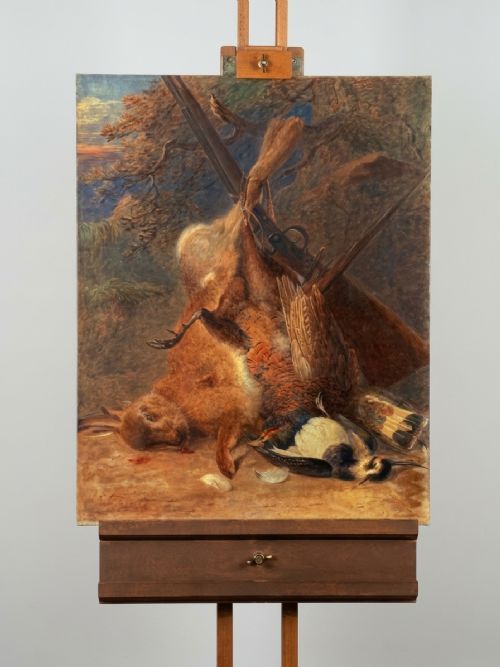
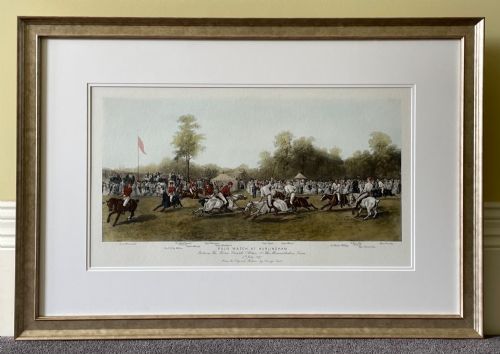
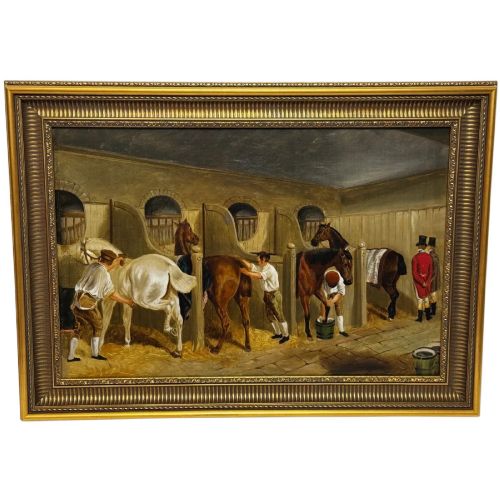
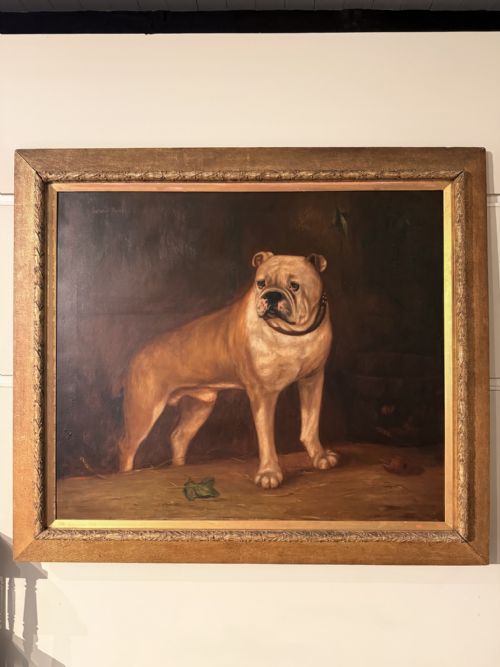
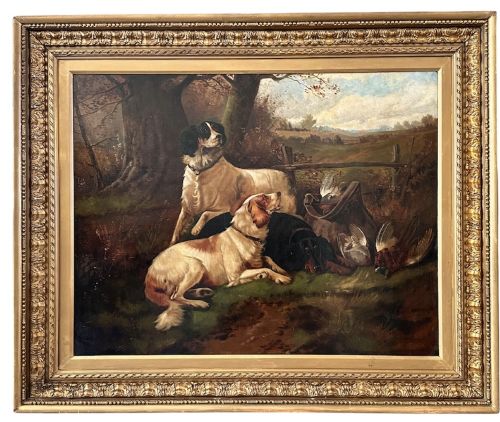
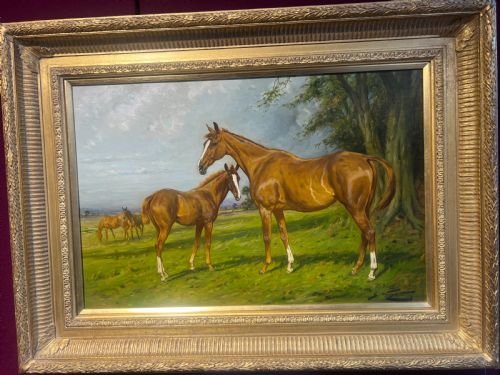
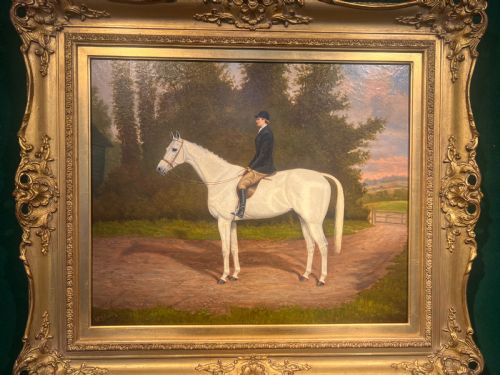
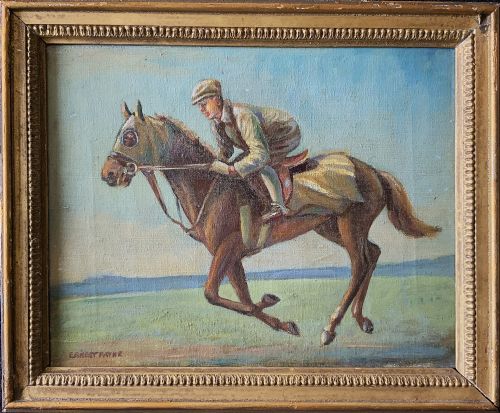
Traditional sporting artwork comprises visual records of horses, gun dogs, game, and field pursuits executed in various periods from the eighteenth century to the mid-twentieth century. Buyers encounter oil paintings, watercolours, bodycolour, lithographs, and hand-coloured engravings depicting subjects such as fox hunting, horse racing, polo, and shooting.
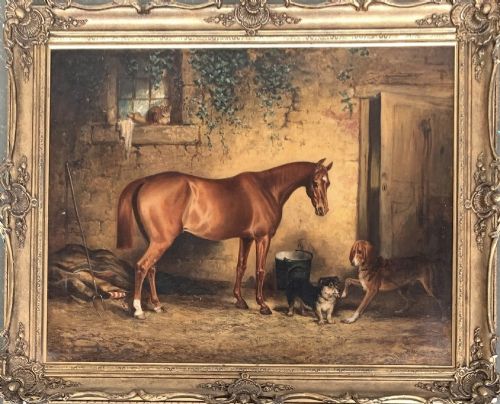
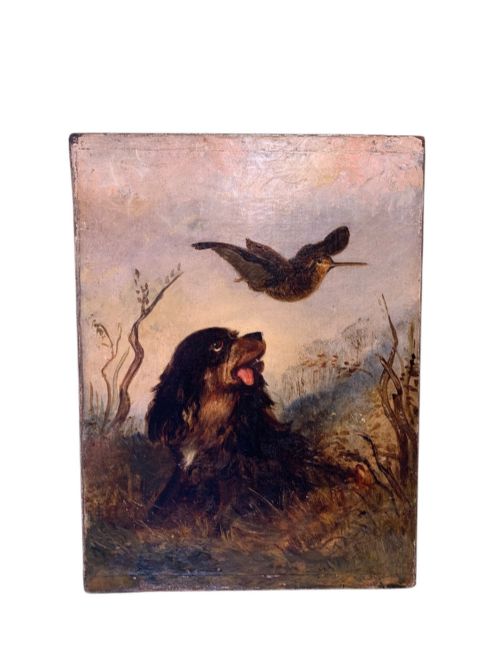
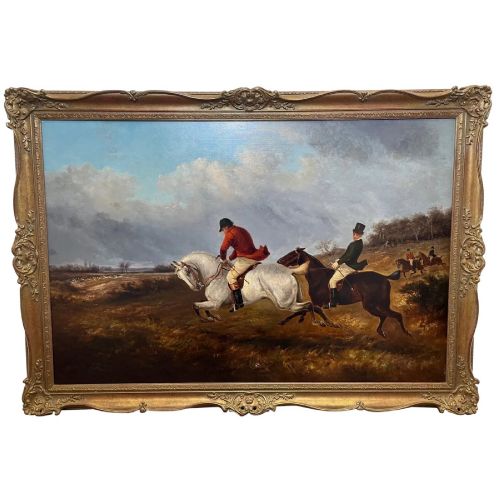
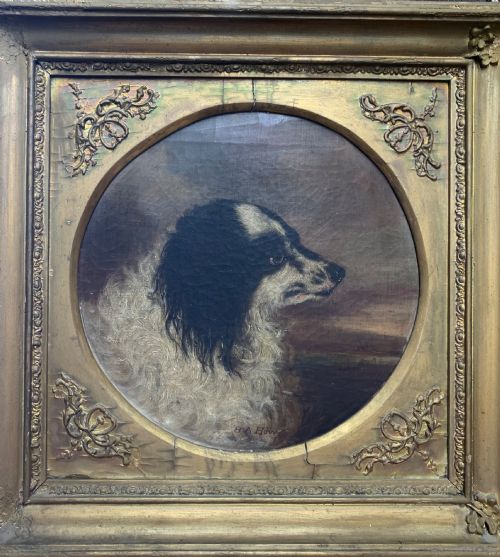
The selections available lean heavily towards nineteenth-century and Victorian oil paintings on canvas, alongside early twentieth-century works. Common formats include framed equine portraits, depictions of spaniels and terriers, and sweeping countryside hunting scenes.
Works range from detailed studies of named racehorses and prize hounds to expansive canvases showing riders and hounds crossing rural landscapes. These pieces reflect a sustained British interest in equestrian and field sports history.
Materials and construction
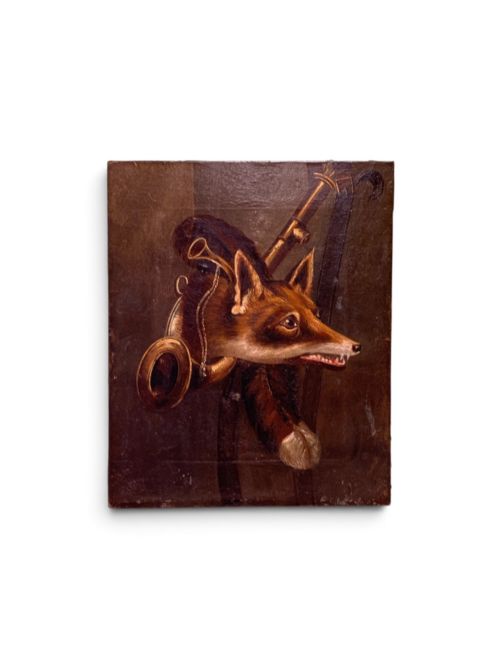
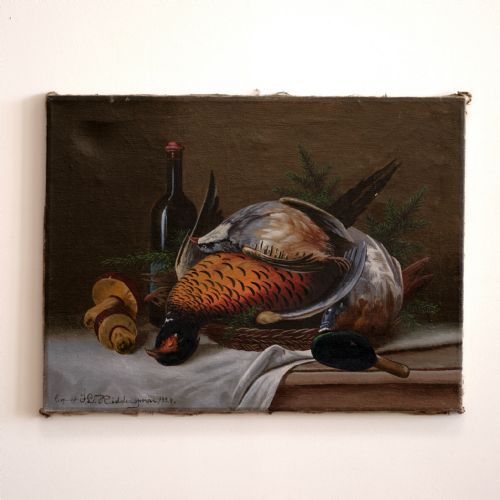
Painters used oil paint applied to canvas, wood, or pine panels, building up rich layers for subjects like bay hunters and game. Watercolours and bodycolour on paper offered a lighter medium for detailed depictions of hares and sporting scenes.
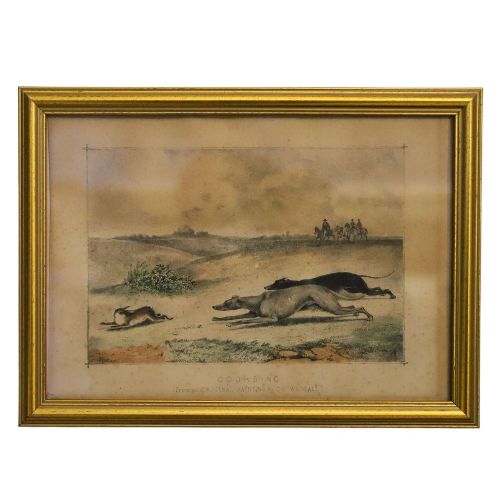
Prints were produced using lithography and engraved copper plates, often enhanced by hand colouring to render lithographs of field sports and racing. Frames commonly consist of gilt wood and giltwood, matching the traditional presentation of these periods.
Listings feature oil on canvas, wood, paper, and glass, spanning periods from the eighteenth century through the Victorian era to the mid-twentieth century.
Judging quality in sporting art
Quality rests upon the artist's anatomical accuracy in rendering horses and hounds, alongside the handling of light and rural atmosphere. Superior works display confident brushwork and precise proportions, whereas lesser pieces reveal stiffness in the animal forms and flat backgrounds.
Provenance and documentation elevate a piece, particularly when named horses, known riders, or recorded artists are identified. The integrity of the original medium, whether oil on canvas or early lithograph, also distinguishes finer examples from later reproductions.
Henry Barraud·Thomas Smythe·George Wright·William Albert Clarke·John Frederick Herring Snr·Philip Henry Rideout·Basil Nightingale·George Armfield
The Traditional Sporting Artwork Glossary
- Bodycolour
- Watercolour mixed with white pigment to create an opaque finish. This technique allowed artists to add dense highlights and rich details to paintings on paper.
- Lithograph
- A print made from a flat stone or metal plate treated to retain ink where required. Many nineteenth-century examples recorded hunting scenes and race matches.
- Giltwood
- Wood carved and covered with a thin layer of gold leaf. It provides the ornate framing typical of Victorian and nineteenth-century canvases.
- Aquatint
- A printmaking technique that produces tonal areas resembling watercolour washes. It was frequently utilised for publishing sporting and topographical series.
- Panel
- A solid wooden support used for oil paintings instead of canvas. Pine panels provided a rigid surface for earlier works.
Traditional Sporting Artwork: Frequently Asked Questions
What subjects feature in these artworks?
Subjects focus primarily on British field sports, featuring racehorses, hunters, gun dogs, and game such as foxes, hares, and woodcock.
Scenes range from individual animal portraits to dynamic depictions of hunts, polo matches, and coursing events set within rural landscapes.
How do I identify the period of a piece?
Dating relies on examining the stretcher frames, canvas types, and stylistic conventions typical of the nineteenth century or the Edwardian era.
Signatures, dates inscribed on canvases, and biographical details of the artists or named animals provide the most reliable chronological markers.
Are prints as valuable as original paintings?
Original oil paintings and watercolours generally command more attention than mass-produced prints due to their unique execution.
Period lithographs and hand-coloured engravings from the nineteenth century still hold distinct collectible interest when preserved in good condition.
How should I display sporting art at home?
These works suit traditional interiors, studies, and hallways, often paired with wooden panelling or neutral walls to complement the dark tones of nineteenth-century canvases.
Ensure pieces are placed away from direct sunlight and excessive humidity to protect oil paint, paper, and gilt frames.