

Framed Country Landscape
A framed country landscape brings the quiet of fields, rivers and rural cottages straight onto the wall.
Framed Country Landscape
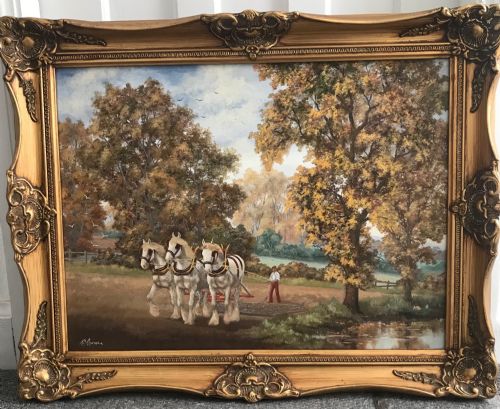
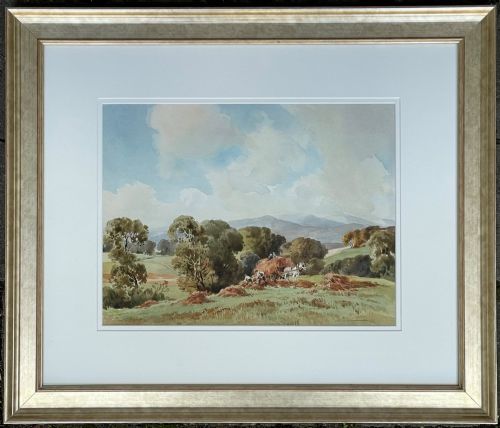
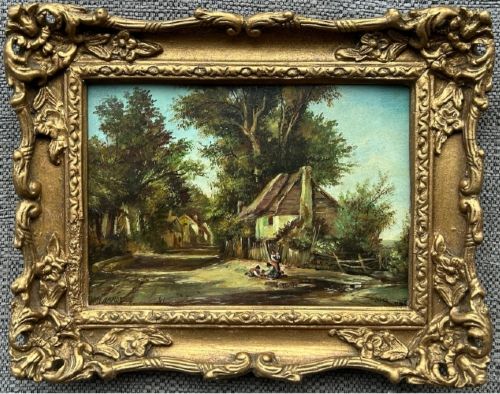
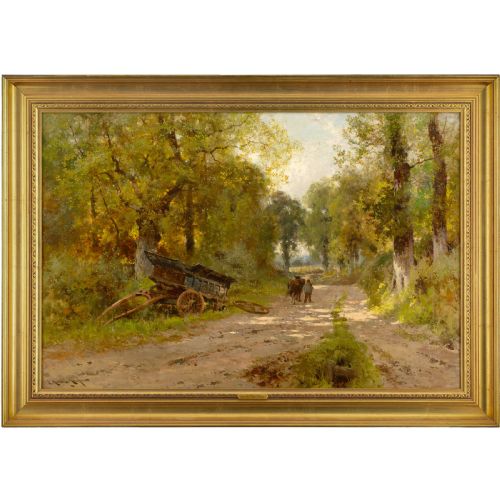
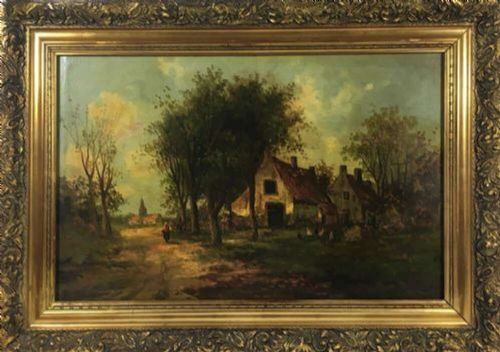
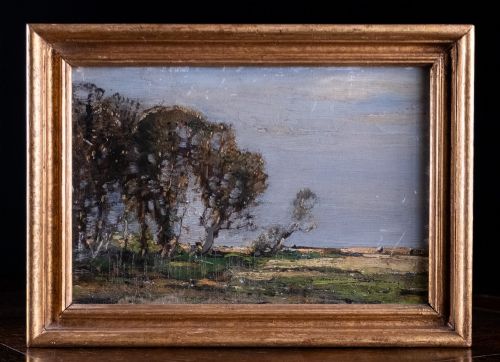
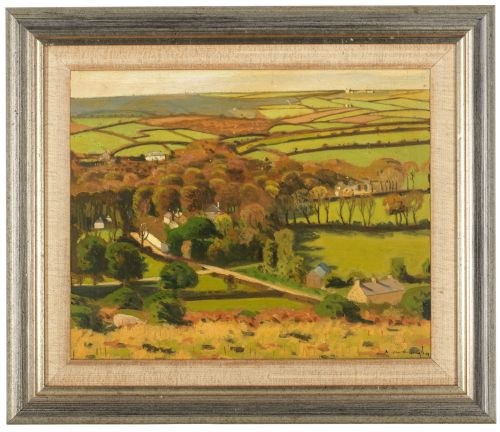
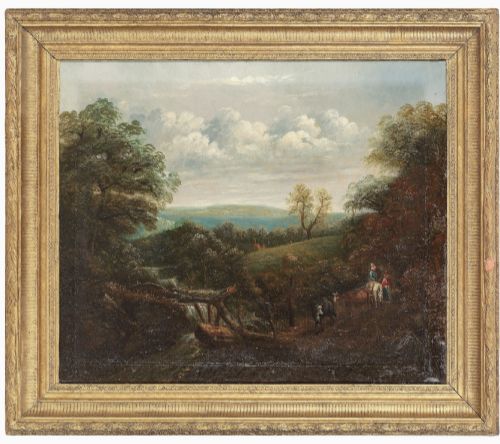
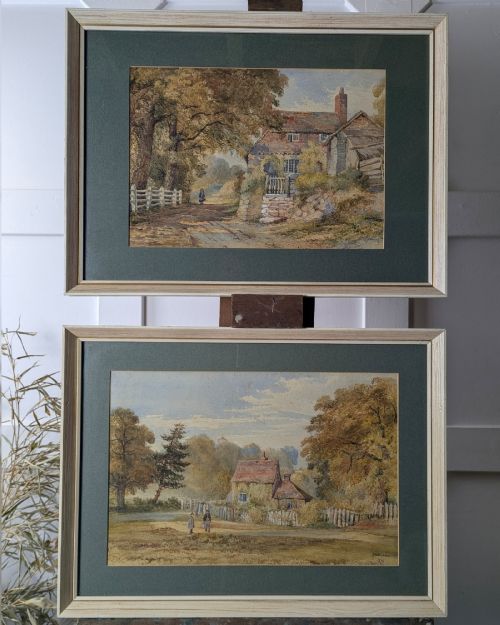
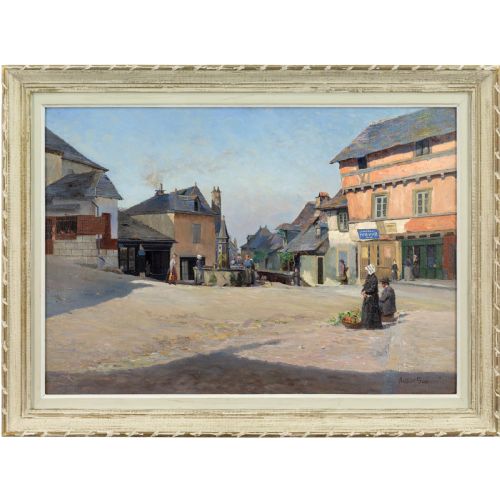
When searching for a framed country landscape, a buyer encounters pastoral scenes, farmyards, cattle and rural paths captured across the nineteenth and twentieth centuries. These works record open fields, river valleys and village life through the eyes of British and continental artists working in oil, watercolour and pastel.
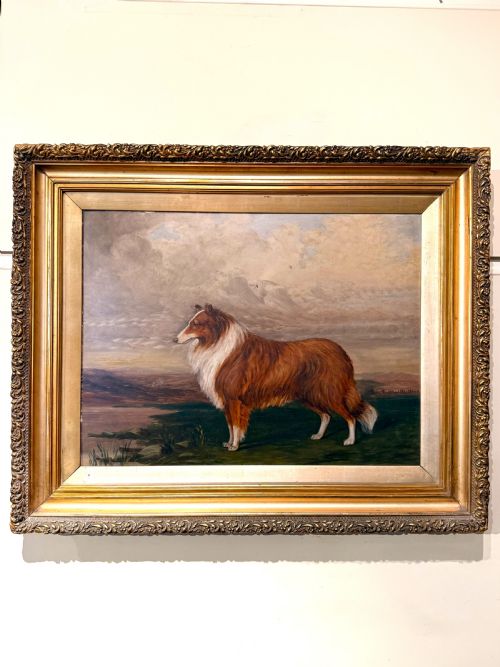
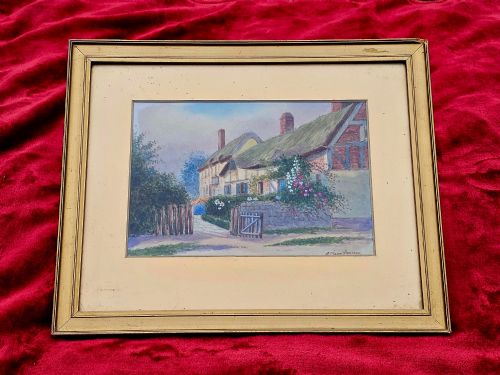
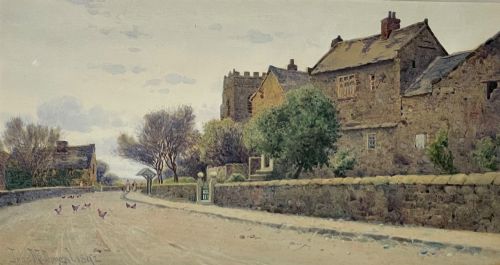
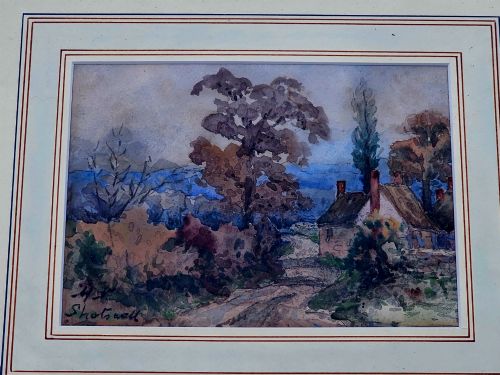
The versions most commonly met on this page include oil paintings on canvas or board and watercolours on paper, typically secured behind glass or within gilt wood and gesso frames. They span periods from the Victorian era through Edwardian times up to the mid twentieth century, reflecting shifting tastes in rural representation.
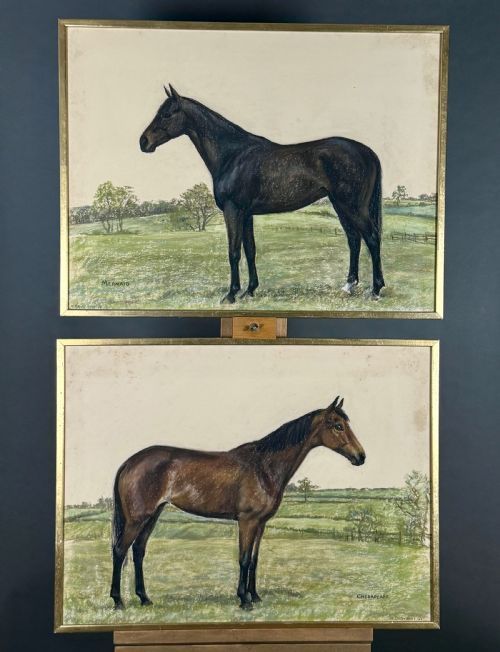
Subjects range from quiet studies of trees and cottages to detailed portrayals of shire horses, shorthorn bulls and harvest scenes. Each piece offers a window into agrarian life and domestic countryside traditions as interpreted by regional schools and individual painters.
How they were made
Artists painted these rural scenes using oil on canvas, wood panel or card, building up rich surfaces with brushwork that varied from tight academic realism to looser impressionist marks. Others preferred watercolours, ink and pastel on paper, applying fluid washes or precise lines to capture the shifting light of fields and skies.
The resulting works were then housed in frames constructed from wood and gesso, frequently finished with gold leaf or gilt layers to complement the tones of the artwork. Glass protected works on paper from dust and moisture, while oil paintings on canvas remained unglazed to allow the textured paint surface to breathe.
Several sheep graze quietly among wild garlic.
What varies in quality
The distinction between standard works and finer examples lies in the confidence of the draughtsmanship and the artist's handling of light, shadow and atmospheric perspective. Superior paintings display a sure command of tone that draws the viewer into the depth of the field or cottage lane.
Frame construction and originality also influence the standing of a piece, with period gilt wood and gesso mouldings that match the age of the artwork carrying greater presence. The strength of the composition and the subtlety of the colour palette separate routine topographical records from accomplished artistic interpretations of the countryside.
Percy Lancaster·William Howard Hardy·John Horace Hooper·A. Marie Parsons·John McDougal·Kershaw Schofield·Robert Morson Hughes·Arthur Gué·Robert John Hammond·Walter Heath Williams·Robert W. Macbeth·Fred Lawson·Robert Thorne Waite·John Smith Atherton·Lucy Pratt·Thomas Sidney Cooper·Raymond Booth·Ernest Arthur Rowe·Frederick Walker·John Sargent Noble·Frederick James Kerr·Sir Edwin Henry Landseer·George Wright·Herbert Royle·Rene Levrel
The Framed Country Landscape Glossary
- Gesso
- A plaster mix applied to wooden frame mouldings to provide a smooth base for gilding. It is often carved or stamped with decorative patterns.
- Barbizon School
- A nineteenth century French art movement focused on realistic landscape painting en plein air. Painters associated with it drew inspiration from direct observation of nature and rural life.
- Watercolour
- A paint consisting of water soluble pigments applied to paper. It allows for transparent washes of colour that capture delicate effects of light and weather.
- Giltwood
- Wood that has been coated with a thin layer of gold leaf or gold paint. It was widely used for framing nineteenth century paintings to add warmth and reflection.
- Etching
- A printmaking technique where lines are bitten into a metal plate with acid before being inked and pressed onto paper. It produces fine, precise details suited to rural architectural studies.
Framed Country Landscape: Frequently Asked Questions
What periods do these landscapes come from?
The listings span the nineteenth and twentieth centuries, taking in Victorian and Edwardian periods alongside later works up to the mid twentieth century. Artists worked within traditional academic styles as well as impressionist and realist movements.
Buyers will find that Victorian and early twentieth century pieces make up the majority of the selection, offering diverse interpretations of rural life and topography.
Are these paintings original works?
The selection consists of original oils, watercolours, pastels and etchings created by hand rather than modern reproductions. Many bear the signatures of known artists or carry attribution to specific regional schools.
Each piece represents a direct creation from its period, capturing the landscape through the specific medium chosen by the artist.
How should I care for a framed landscape?
Keep works out of direct sunlight to prevent watercolours and papers from fading and to protect oil pigments from excessive heat. Maintain stable indoor humidity levels to safeguard wooden panels, canvas supports and gilt frames against warping.
Dust frames gently with a dry cloth and avoid using liquid cleaners on the gilded surfaces or directly on unglazed oil paint.
What subjects appear most often?
Common subjects include pastoral scenes with harvest fields, cottages, river paths and rural livestock such as cattle and shire horses. Artists frequently depicted specific English and continental regions, from Yorkshire and Berkshire to Normandy.
These views celebrate everyday agricultural life and natural scenery as observed by painters working directly within the landscape.