
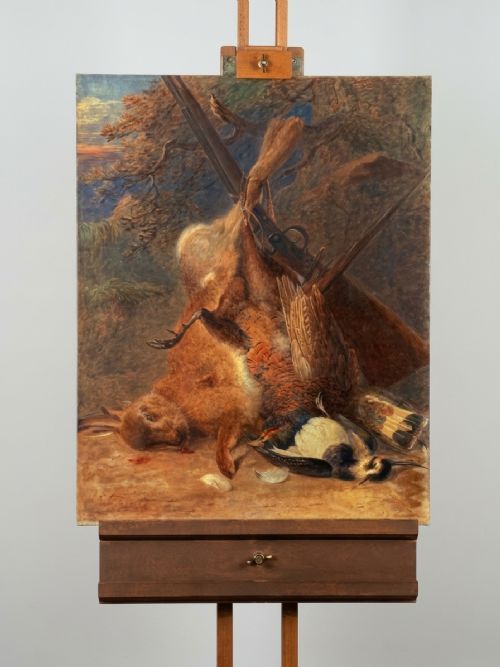
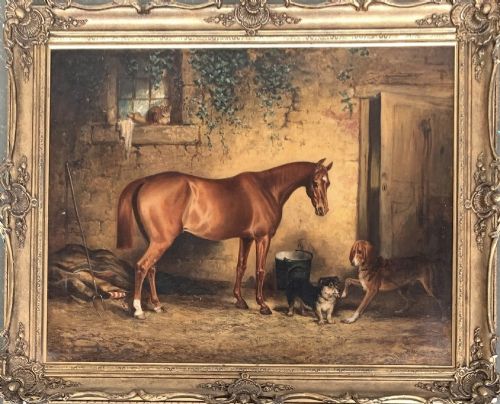
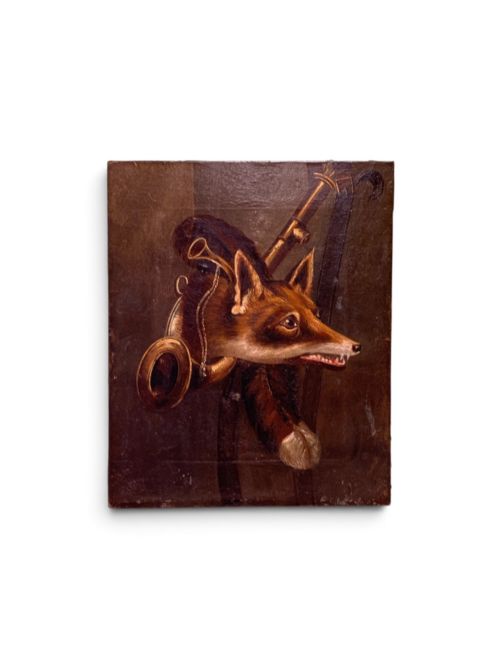
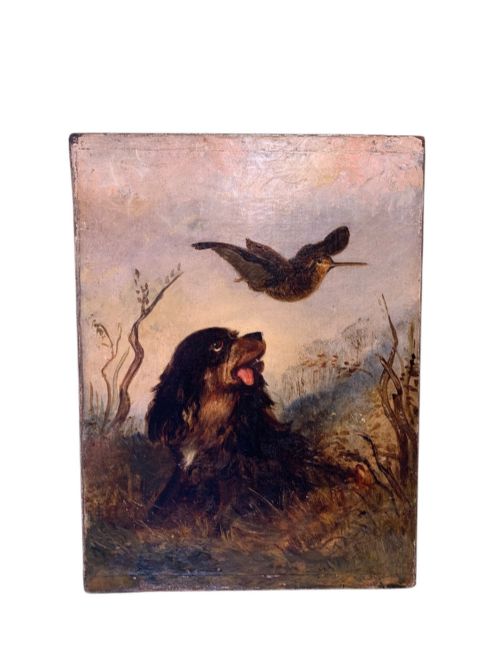
19th Century Sporting Painting
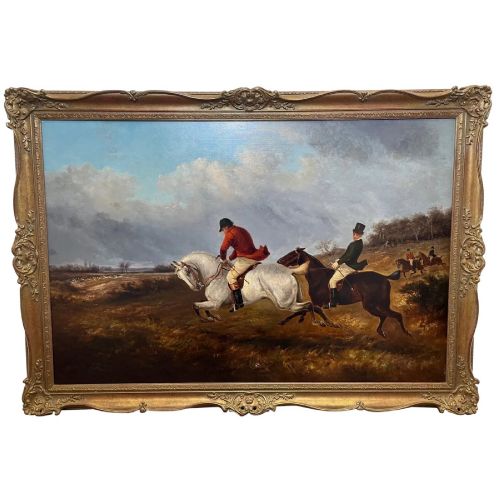
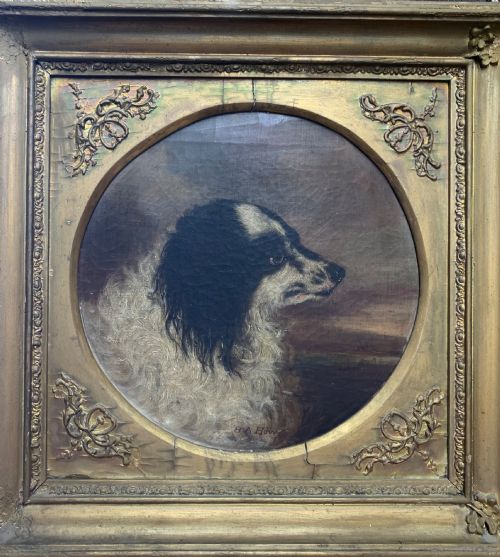
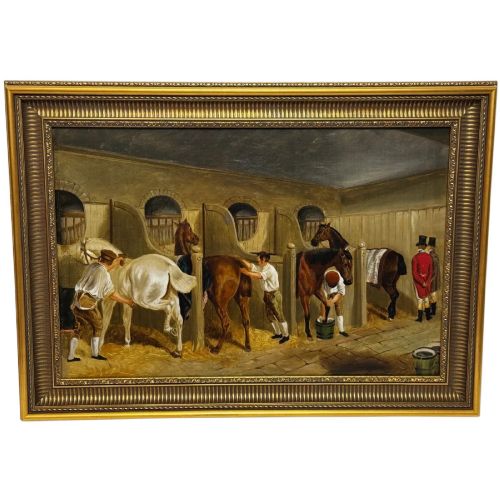
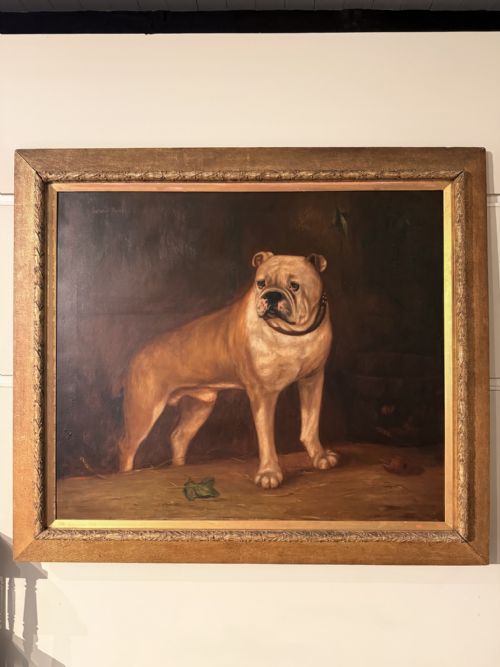
These 19th century sporting painting examples capture the energy of the field, the stable, and the kennel through period canine, equine, and hunting art.
19th Century Sporting Painting
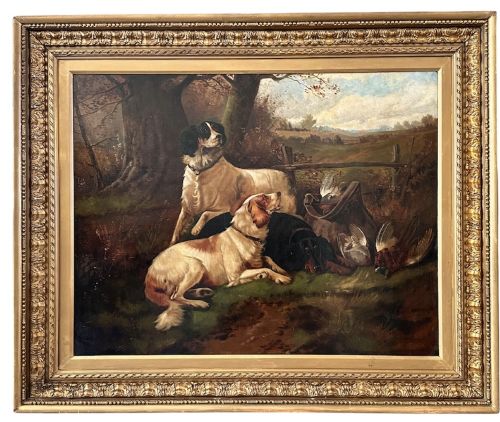
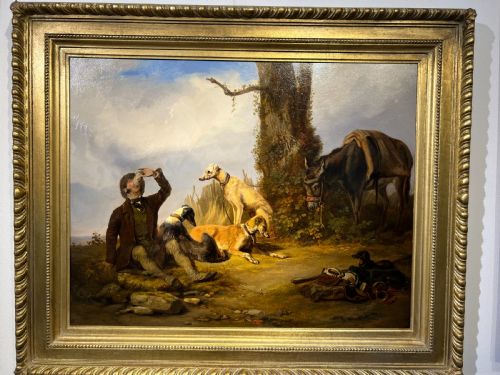
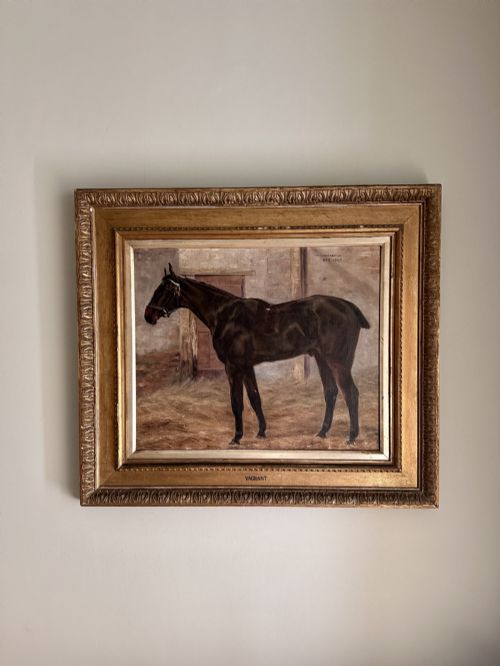
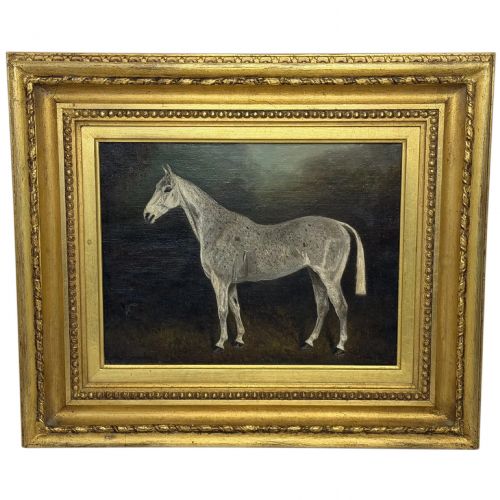
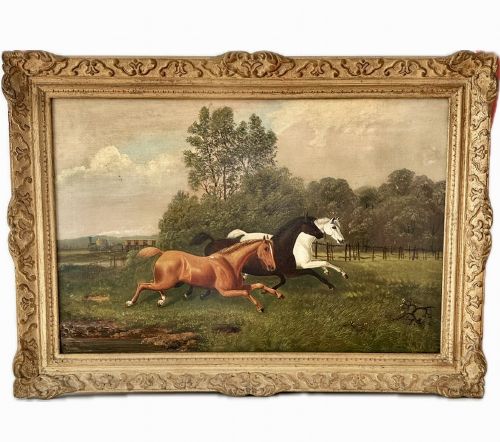
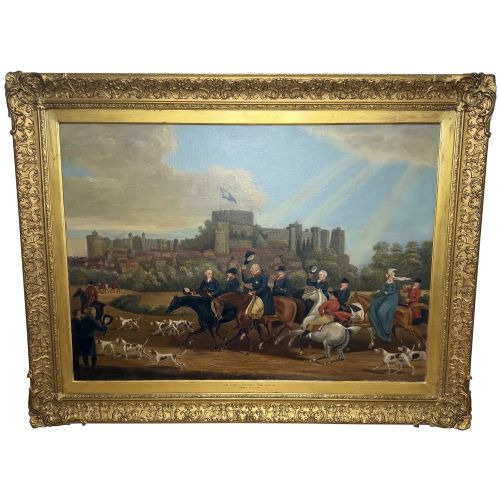
A 19th century sporting painting focuses heavily on horses, gun dogs, game, and hunting scenes set within traditional rural landscapes. These works reflect the country pursuits and rural life valued during the Georgian, Regency, and Victorian eras.
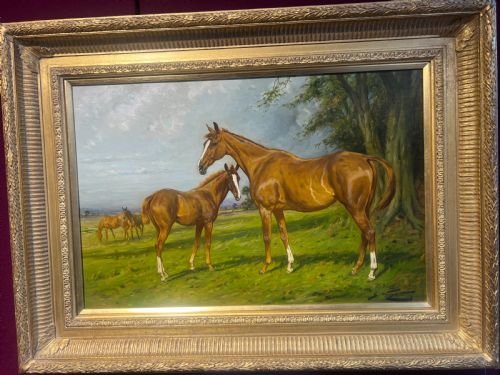
Most pieces encountered on this page take the form of framed oil paintings on canvas or board, alongside occasional watercolours and bodycolour works. Subjects range from individual equine portraits of named racehorses to lively fox hunting scenes and detailed studies of hounds and retrievers.
The creators range from skilled provincial artists to prominent animaliers and portraitists of the period. Their works document specific animals, owners, and estates with careful attention to anatomy and breed characteristics.
Materials and Techniques
Artists of this era predominantly applied oil paint to stretched canvas or wooden panels, utilising ground pigments combined with linseed or other drying oils. Watercolours and bodycolour on paper also appear, particularly in earlier works from the beginning of the century.
Canvases are typically housed within period frames constructed from wood and gesso, frequently finished with gold leaf or giltwood to enhance the visual presentation of the artwork. These frames often match the age of the painting itself, utilising traditional moulding and finishing techniques.
Listings include oil on canvas, wood panels, watercolours, and gesso giltwood frames spanning the 19th century.
Assessing Quality and Execution
The quality of a sporting work rests upon the artist's command of animal anatomy, movement, and expression, distinguishing a lifelike portrait from a stiff rendering. Superior examples capture the specific musculature and alert posture of horses and hounds with practiced precision.
Composition and background detail also separate the tiers of work, as skilled painters integrate animals naturally into atmospheric landscapes or stable interiors rather than placing them against flat backdrops. The condition of the original oil paint surface and the integrity of the period giltwood frame further influence the standing of the piece.
Henry Barraud·Thomas Smythe·Sir Edwin Henry Landseer·George Wright·Fred Fitzpatrick·Edward Priestley·Thomas Walker Bretland·John Emms·John Ferneley Senior·John Frederick Herring Senior·Benjamin Blake·Albert Clark·William Barraud·Samuel Raven·George Armfield·Edward Lloyd of Ellesmere·George E Sharpe·Colin Graeme Roe·John Trivett Nettleship·Samuel Spode
The 19th Century Sporting Painting Glossary
- Bodycolour
- An opaque watercolour paint containing white pigment to create a denser, solid appearance on paper. It allows artists to build up highlights and opaque areas with greater control.
- Gesso
- A traditional paint mixture consisting of a neutral binder mixed with chalk, gypsum, or pigment, used to prepare wood or canvas surfaces. It also forms the sculpted relief on antique picture frames before gilding.
- Equine Portrait
- A specialised painting genre dedicated to depicting individual horses, often record-breaking racehorses, hunters, or prized studs. These works frequently record the name of the horse, owner, or trainer.
- Decoy
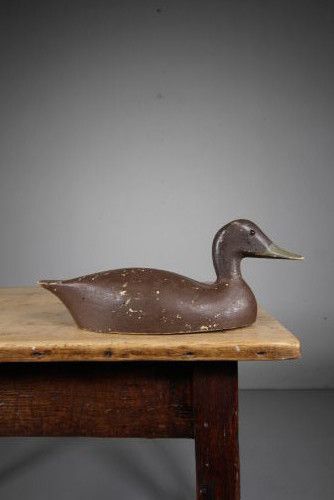
- A carved wooden object shaped like a duck or bird, historically used in country sports to attract wildfowl. These utilitarian items share aesthetic traits with period folk art.
19th Century Sporting Painting: Frequently Asked Questions
What subjects appear most often in these paintings?
Horses and dogs dominate the subject matter, appearing either in individual portraits or participating in active hunting scenes and rural landscapes. Game birds and country pursuits also feature prominently across the works.
Artists frequently recorded specific named animals, winning racehorses, and prized gun dogs alongside their owners or handlers.
How can I tell the difference between eras?
Earlier works from the Georgian and Regency periods often employ tighter brushwork and feature smoother, more formal compositions. Victorian examples tend toward larger scales, more dramatic lighting, and looser handling of landscape backgrounds.
Framing styles and canvas stamps also provide useful clues for dating a work closer to its exact period of creation.
Are these works original period pieces?
The inventory consists of authentic 19th-century works, including original oil paintings and period watercolours created during the Georgian, Regency, and Victorian eras. Some listings also include later 19th-century copies executed after prominent painters.
Signatures, inscriptions, and artist records help verify the origin and timeframe of individual paintings.
How should I care for an oil painting on canvas?
Keep paintings away from direct sunlight, high humidity, and rapid temperature changes to protect the canvas, oil paint, and wooden stretcher frames. Dust the surface gently with a soft, dry brush without applying pressure.
Avoid using water or liquid cleaners on the paint layer or the antique giltwood frame.