
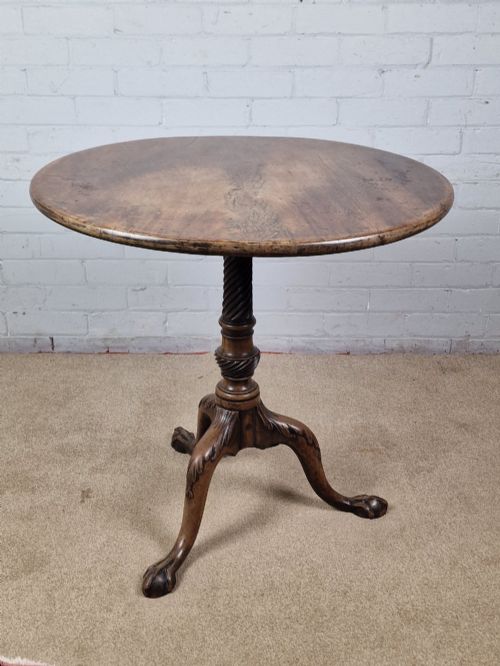


Occasional Wine Table
An occasional wine table brings compact utility and traditional craftsmanship to a sitting room, offering a stable surface designed to hold a single glass or lamp.
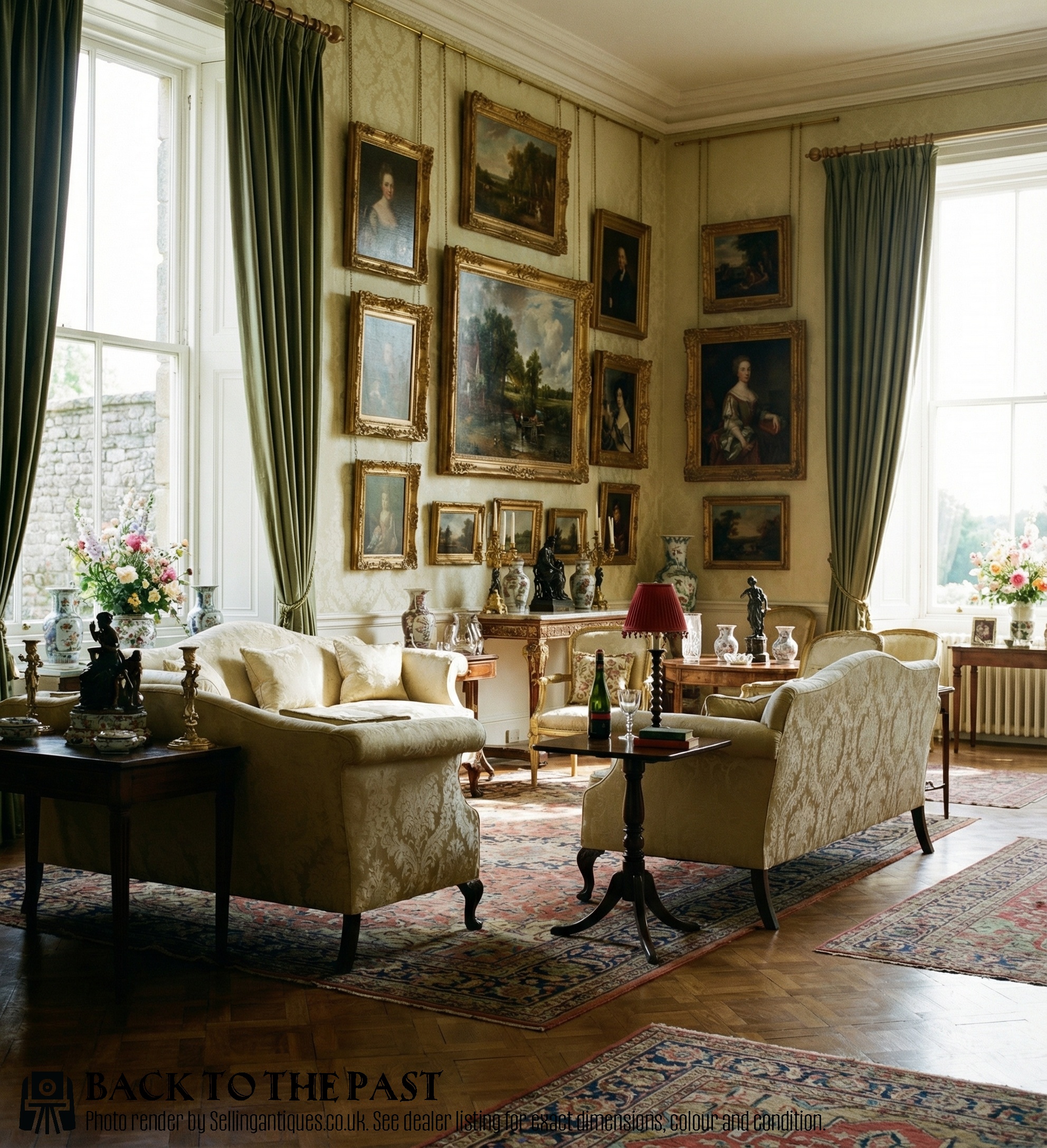
Occasional Wine Table
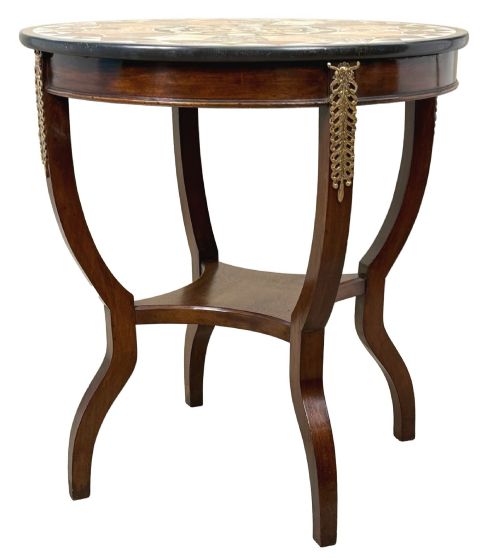
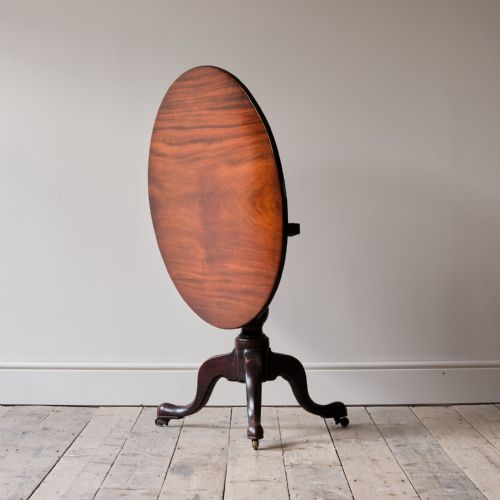
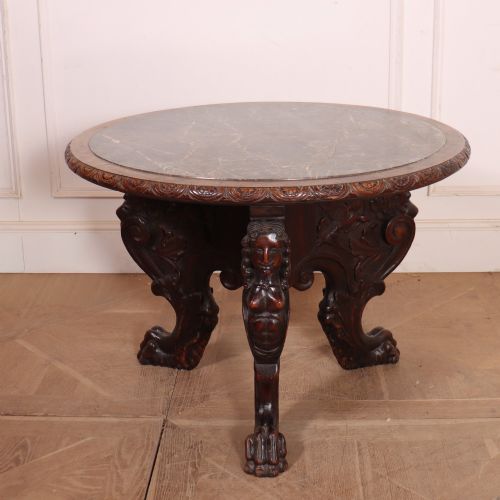
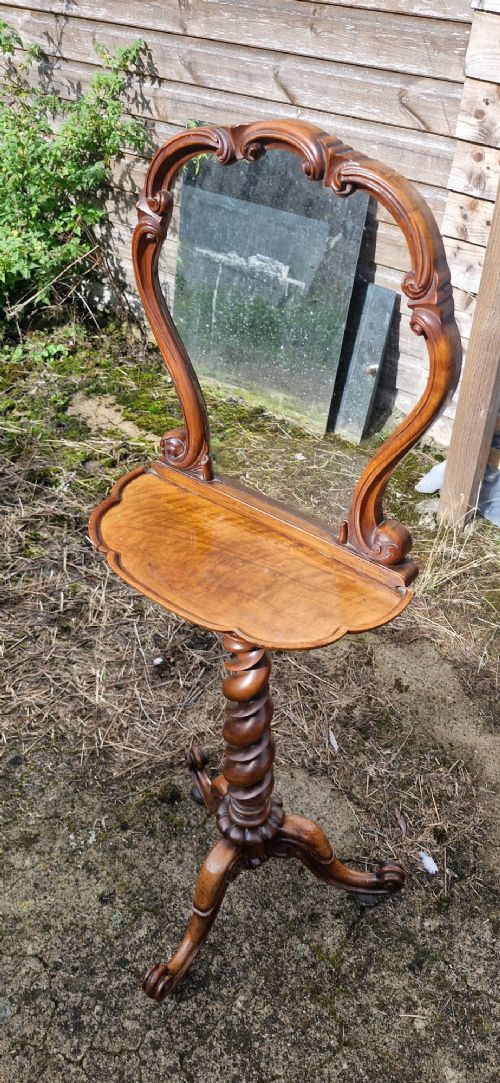
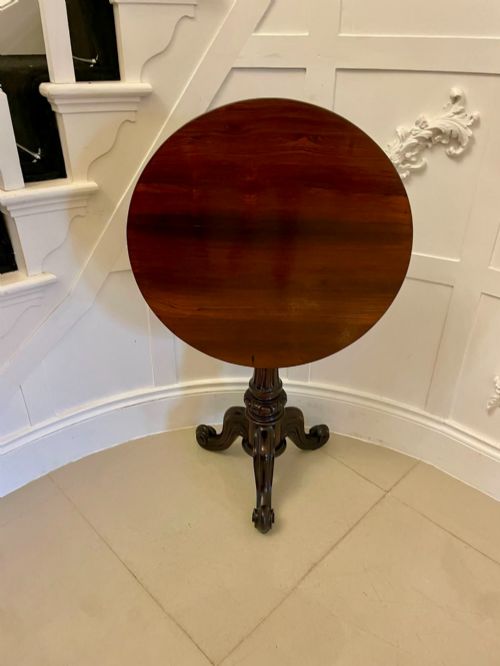
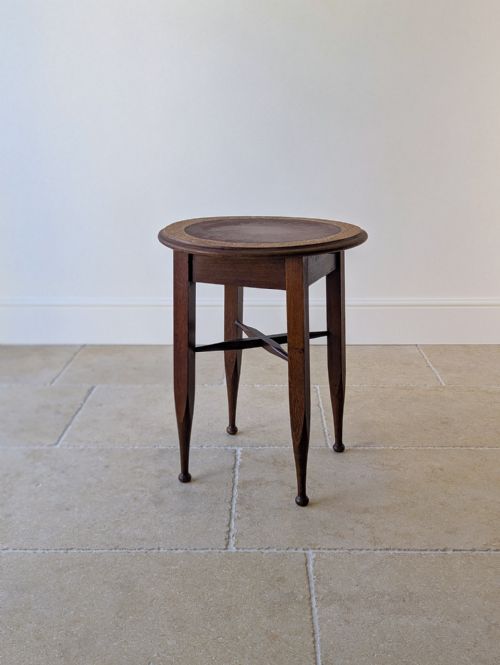
The occasional wine table encompasses a variety of small, portable stands designed primarily for holding drinks, lamps, or small display items within domestic interiors. These pieces appear frequently in forms such as circular tripod tables, tilt-top designs, and pedestal stands originating from the eighteenth, nineteenth, and early twentieth centuries.
Buyers browsing this selection encounter numerous examples dating from the Georgian, Victorian, and Edwardian eras. Common regional variations and stylistic revivals, including Chippendale and Arts and Crafts influences, shape the diverse range of small tables available on this page.
Materials and Construction
Cabinetmakers constructed these tables using dense hardwoods such as mahogany, walnut, and rosewood, frequently selecting figured veneers like burr walnut or flame mahogany for circular tops. Oak and elm appear regularly in country-made pieces from earlier periods.
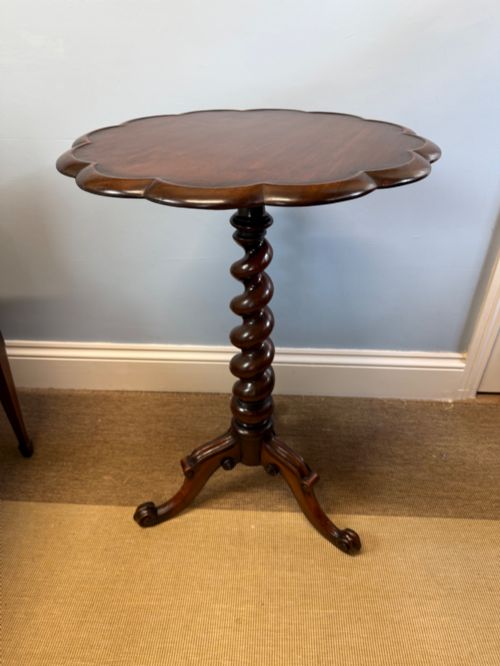
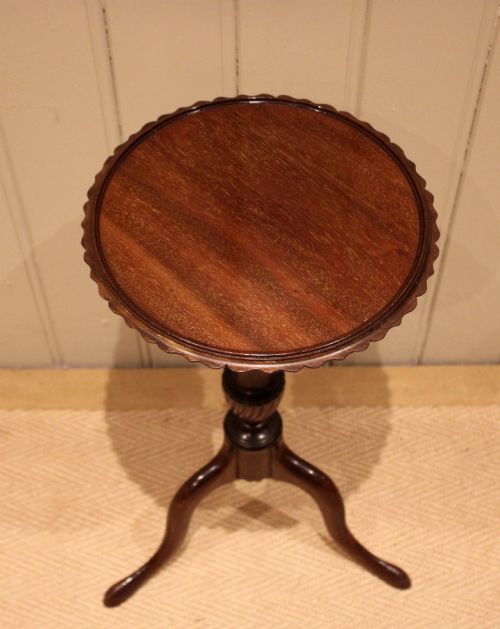
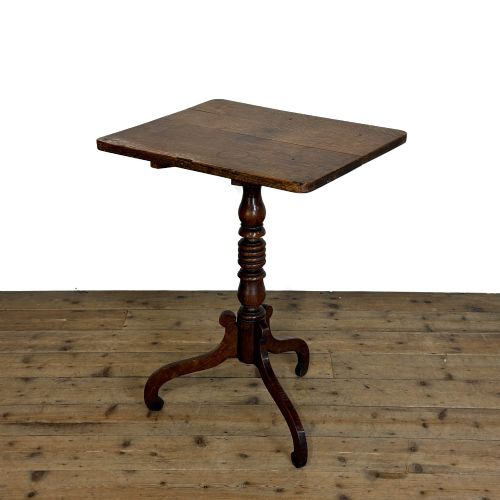
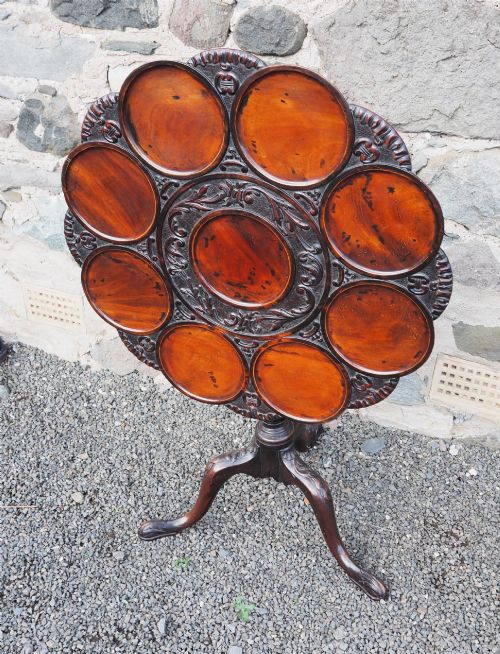
Pedestal construction typically involves a turned central shaft supported by three cabriole or tripod legs, occasionally featuring tilt-top mechanisms, birdcage assemblies, or ring-turned supports.
Occasional Wine Table Retail Price Guide 2026
Typical asking prices for occasional wine table among the pieces listed under this phrase on Sellingantiques today, from the lower quarter to the upper quarter. They describe what is for sale here now, not the wider market.
Listings feature woods including mahogany, walnut, rosewood, oak, elm, fruitwood, and burr birch across the eighteenth, nineteenth, and early twentieth centuries.
Factors of Quality
Quality in these tables is determined by the selection of timber, the crispness of any hand-carved details on the pedestal or legs, and the structural integrity of the tilt-top mechanism or central joint. Superior examples display well-figured grain patterns and balanced proportions without excessive restoration.
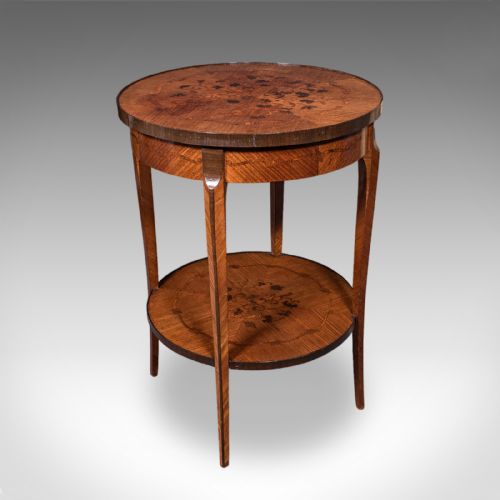
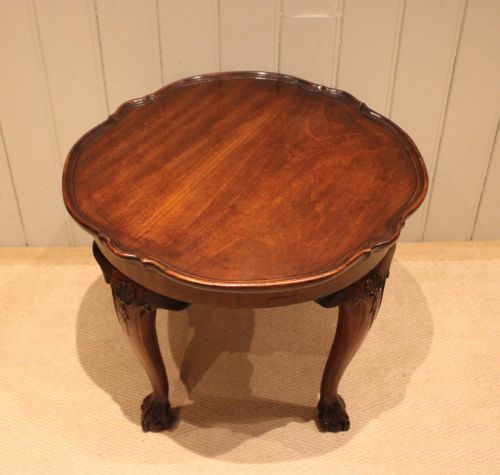
Plain utilitarian versions contrast with finely inlaid marquetry pieces or those featuring shaped pie-crust edges, where the joinery and turning demand a higher level of workshop skill.
Gillow
The Occasional Wine Table Glossary
- Tilt-top table
- A table with a hinged top that folds vertically when not in use to save space against a wall.
- Tripod table
- A small stand supported by a central pillar resting on three spreading feet.
- Pie-crust edge
- A decorative raised and carved rim shaped around the perimeter of a circular table top.
- Birdcage
- A revolving wooden block assembly beneath a tilt-top that allows the table surface to rotate and pivot.
- Marquetry
- Decorative patterns formed by fitting contrasting veneers into a prepared wood surface.
Occasional Wine Table: Frequently Asked Questions
What was an occasional wine table used for?
These small tables were positioned beside seating to hold wine glasses, candles, or personal items during evening gatherings. Their portable nature allowed servants to move them easily around a drawing room.
Over time, owners repurposed them as lamp tables or display stands for decorative objects in domestic settings.
How do I identify a Georgian wine table?
Georgian examples often feature tripod bases with pad feet or snake feet supporting solid mahogany or oak tops. Many incorporate tilt-top mechanisms for storage.
Earlier eighteenth-century pieces display simpler country construction using elm or oak, while later Regency versions show more formal classical turning.
What is a tilt-top mechanism?
A tilt-top mechanism uses a hinged block beneath the table surface that allows the top to pivot upright. This construction enabled the table to stand flat against a wall when not in use.
Inspectors note that original brass catches and wooden butterflies indicate period authenticity in these moving parts.
Are these tables suitable for modern living rooms?
Their compact footprints make them ideal for placing beside sofas or armchairs to hold drinks and small lighting fixtures. The variety of woods allows them to mix easily with modern or traditional furniture.
Care should be taken to place them on level flooring, particularly when dealing with antique tripod bases.