
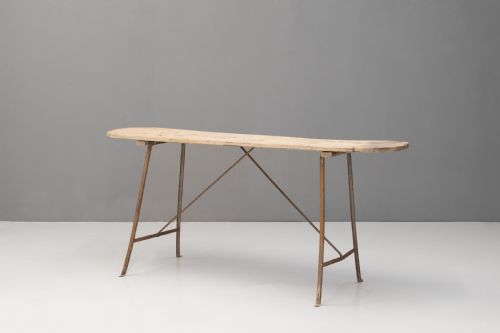


Trestle Base Side Table
A trestle base side table brings distinctive architectural support and rich timber grain to an interior, making it a practical surface for daily use.
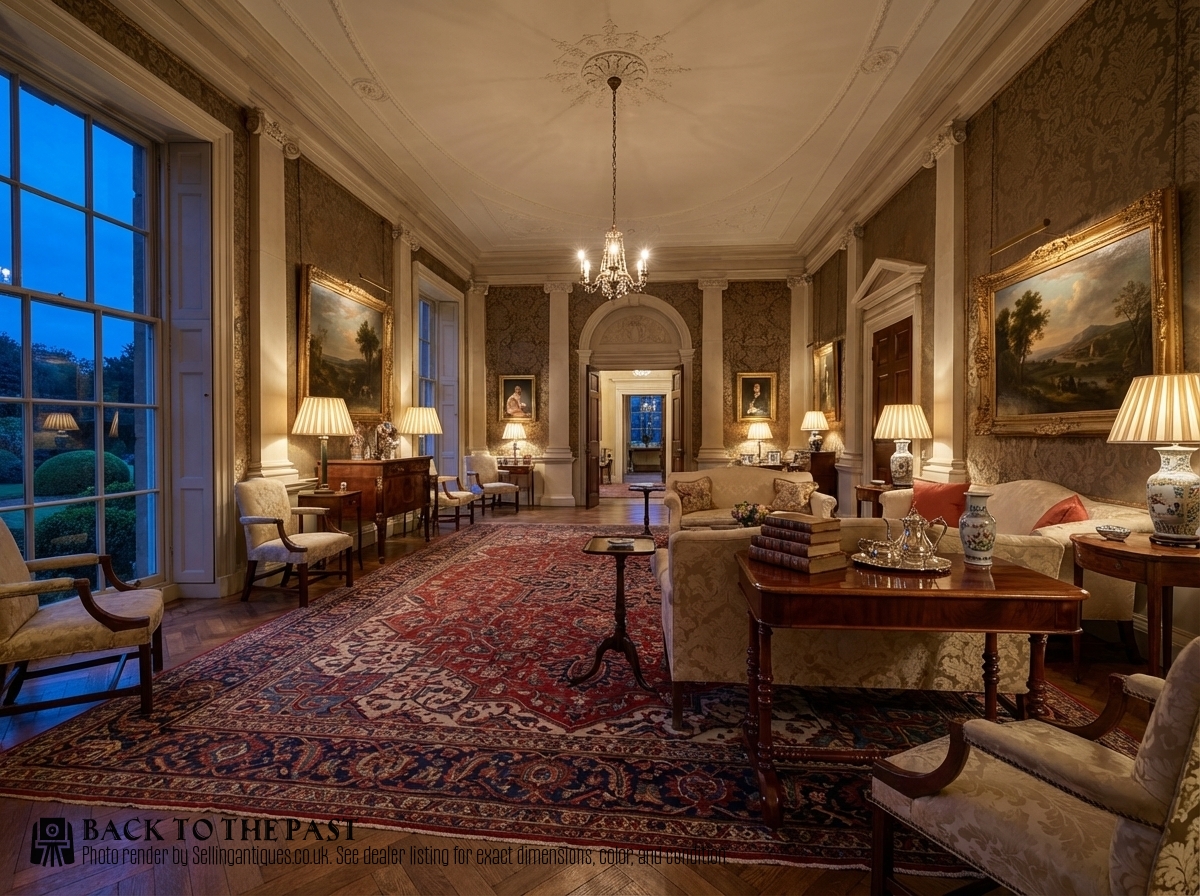
Trestle Base Side Table
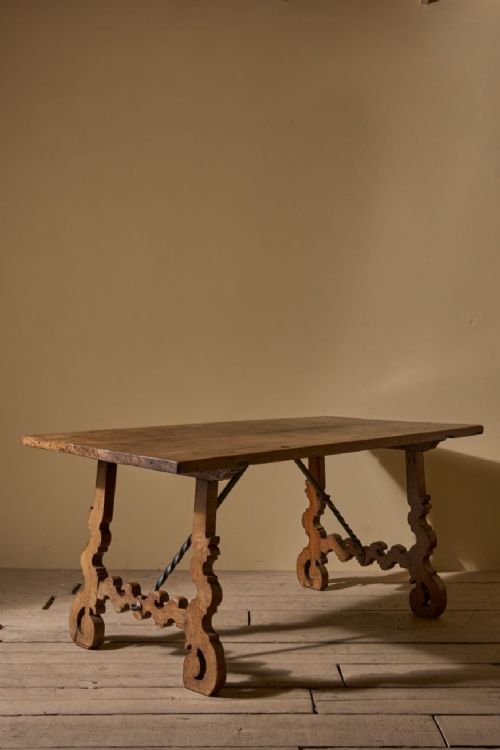
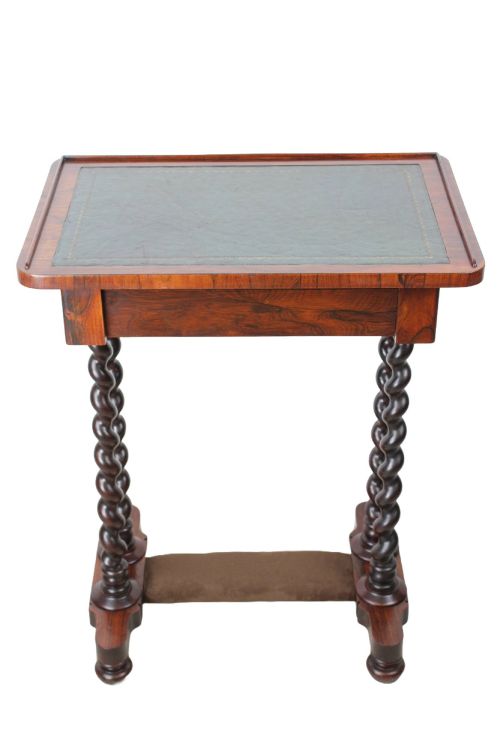
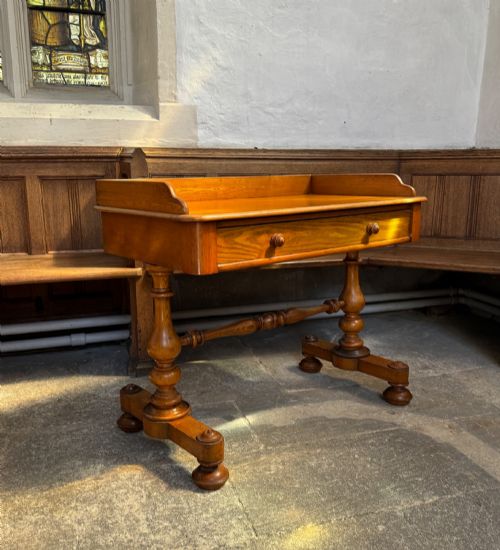
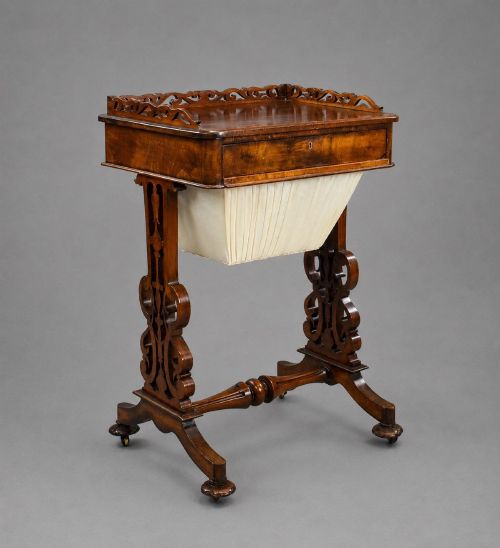
A trestle base side table is a functional surface supported by side frames rather than four corner legs, frequently encountered in forms such as sofa tables, card tables, and nests of tables. These pieces span periods from the eighteenth century through the nineteenth century and into the early twentieth century, reflecting styles including Regency, Victorian, and Arts and Crafts.
The version most commonly met on this page is constructed from mahogany, rosewood, or walnut, often featuring drop leaves or folding tops designed for versatility. Originating across British, French, Spanish, and Chinese workshops, these tables combine robust structural underframes with refined tabletop surfaces suitable for display or writing.
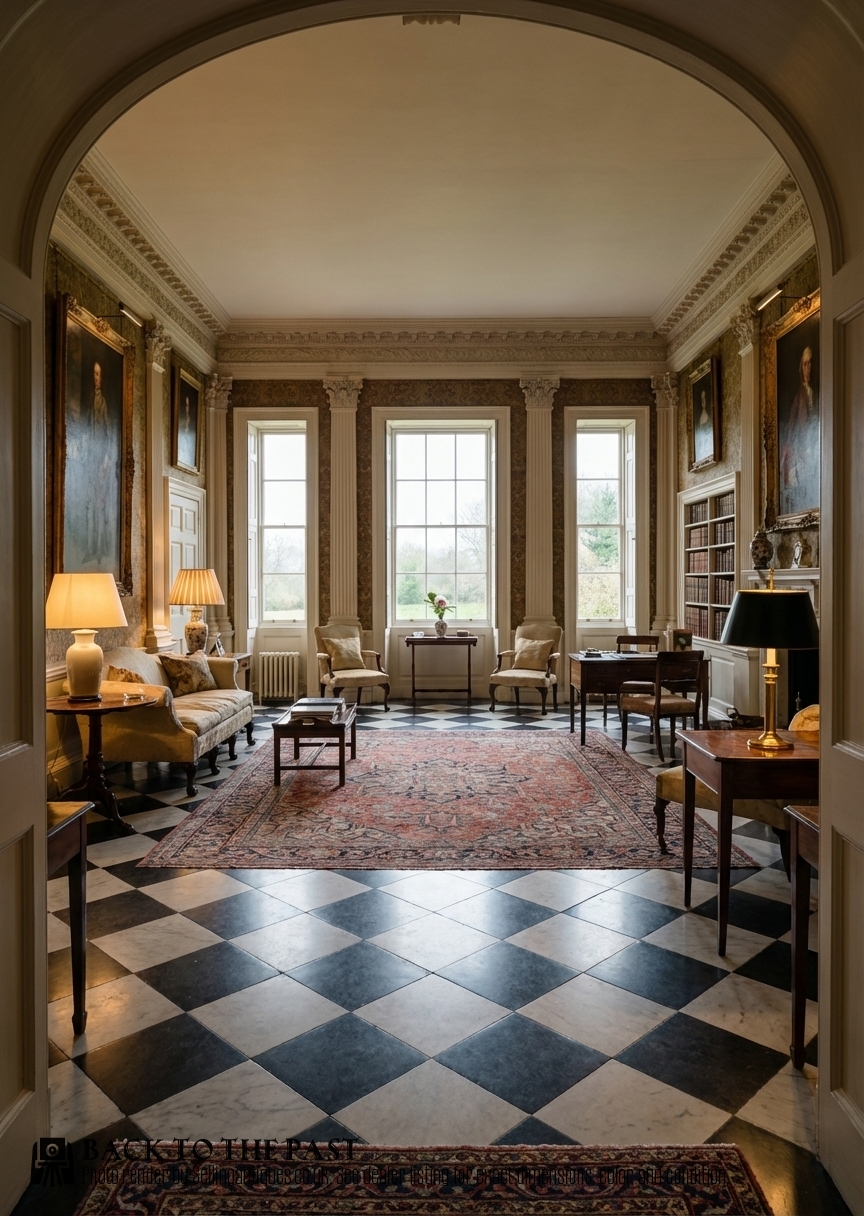
How they were made
Makers utilised dense hardwoods such as mahogany, walnut, and rosewood, frequently applying burr walnut or yew veneers to create figured grain patterns across the tabletops. Secondary timbers like pine appear in structural framing and drawer linings.
Joinery techniques relied on stable construction methods to support X-frame and pedestal trestle supports, sometimes incorporating brass mounts, ebonised detailing, and marquetry inlay to finish the surfaces.
Trestle Base Side Table Retail Price Guide 2026
Typical asking prices for trestle base side table among the pieces listed under this phrase on Sellingantiques today, from the lower quarter to the upper quarter. They describe what is for sale here now, not the wider market.
One Welsh pine tavern table arrives with its original red paint still clinging stubbornly to the X-frame base.
What varies in quality
The standard of timber selection largely determines the distinction between pieces, with finely figured mahogany, burr walnut, and matched rosewood veneers marking out superior examples. Hand-cut marquetry inlay, well-fitted drawers, and intact original brass fittings further distinguish finer workshops.
Structural integrity of the trestle base and the smoothness of folding or drop-leaf mechanisms indicate the level of joinery skill applied during manufacture. Surface patination and the retention of original finishes also influence the standing of an individual table.
Gillows of Lancaster·W&C Wilkinson London·Gillingtons Dublin·Heal & Son·Charles Bevan·AW Pugin
The Trestle Base Side Table Glossary
- Trestle base
- A structural support system where the tabletop rests on vertical frames connected by a horizontal stretcher. This design allows for increased legroom beneath the surface.
- Sofa table
- A rectangular occasional table traditionally placed against the back of a sofa, typically fitted with drop leaves and small drawers. These tables often feature dual trestle supports.
- Marquetry
- Decorative inlay work using various coloured woods to form pictorial or geometric patterns on the surface. It requires precise cutting and fitting of thin wood veneers.
- Quartetto tables
- A set of four graduated occasional tables designed to slide neatly beneath one another. They gained popularity during the Regency period.
- Galleried top
- A raised rim surrounding the edge of a table surface to prevent objects from rolling off. This feature is frequently turned from the solid timber of the top.
Trestle Base Side Table: Frequently Asked Questions
What is a trestle base side table used for?
These tables serve multiple domestic purposes, acting as lamp surfaces, writing desks, or occasional stands next to seating furniture. Many include drop leaves or fold-over tops that adapt the surface area for different daily needs.
Their sturdy frame construction allows them to hold books, decorative objects, and writing materials while maintaining a compact footprint in a room.
How do I identify a Regency trestle table?
Regency examples frequently display rosewood or mahogany timbers, often with brass stringing, turned pillar supports, and sabre legs connected by stretchers. Proportions are typically neat and balanced, reflecting neoclassical design influences.
Look for fine craftsmanship in the joinery and original brass castors beneath the base structure, which help confirm the period of manufacture.
Where should I place a nest of tables?
A nest of tables works well beside a sofa or armchair where surface space needs to expand when hosting guests. The graduated individual tables can be pulled out as needed and stacked compactly when not in use.
Placing them against a wall or in a corner highlights the timber grain of the tops while keeping walkways clear.