


Brown Mahogany Lamp Table
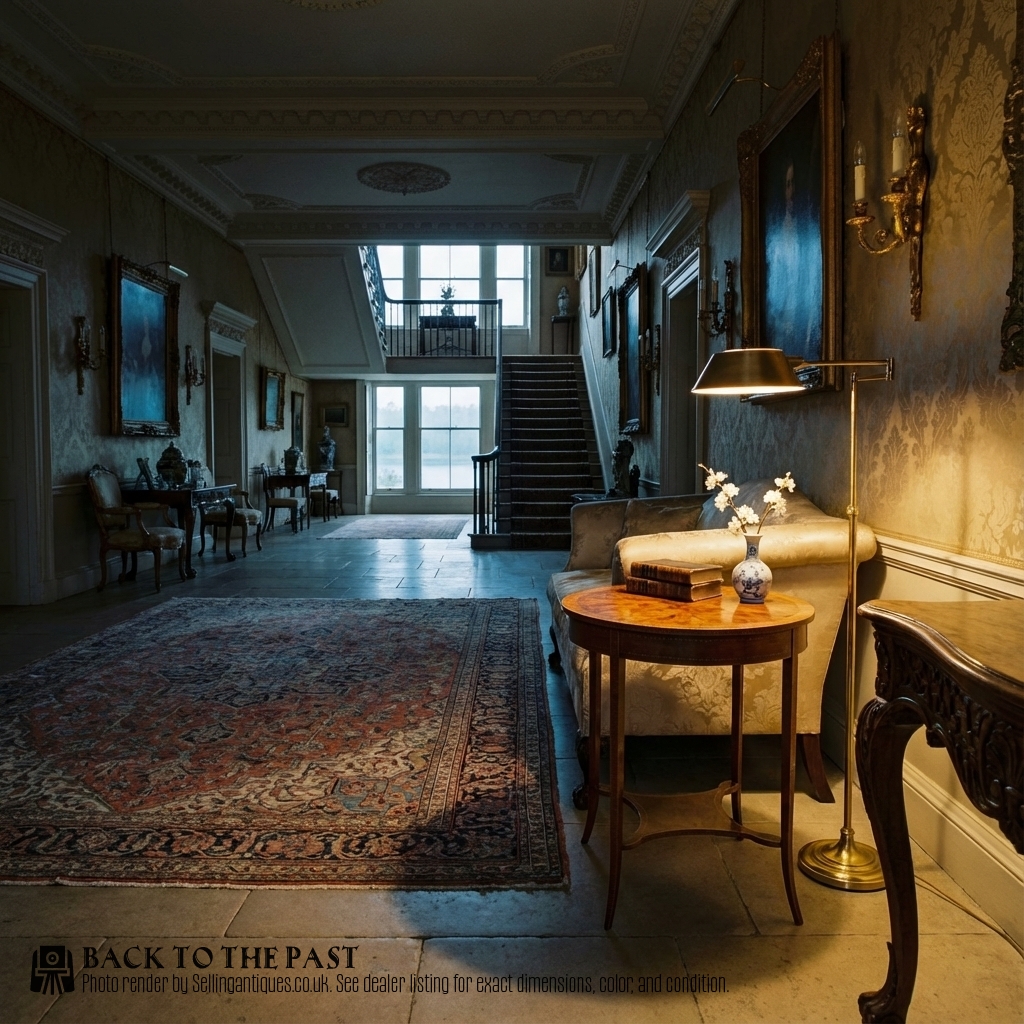
A brown mahogany lamp table brings warmth and functional surface space to a room, drawing on Georgian, Victorian and Edwardian forms.
Brown Mahogany Lamp Table
Buyers seeking a brown mahogany lamp table encounter a variety of compact occasional pieces designed to hold a light or sit beside seating. These items span periods from the eighteenth century through the Victorian era and into Edwardian times, reflecting shifting domestic habits.
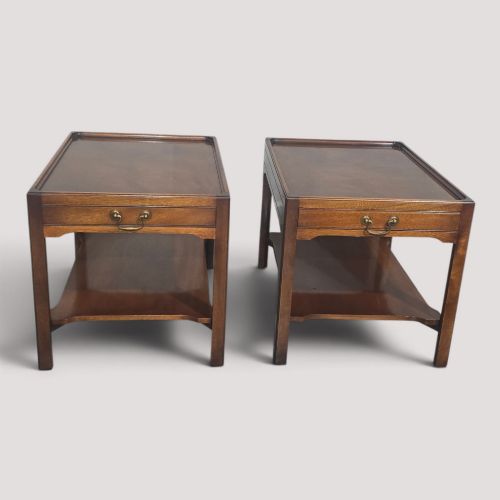
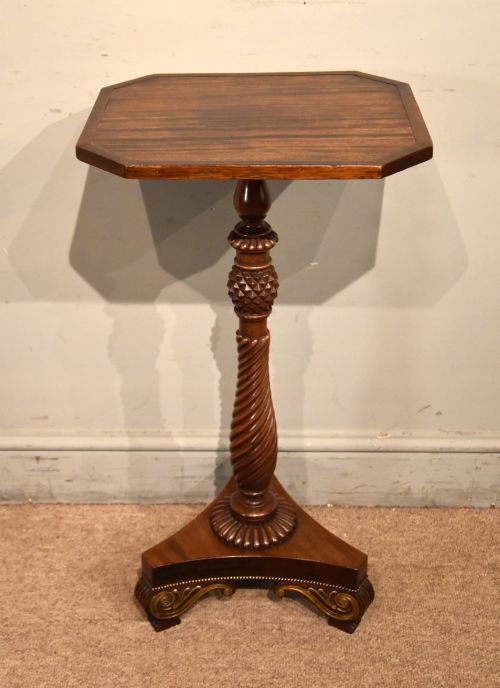
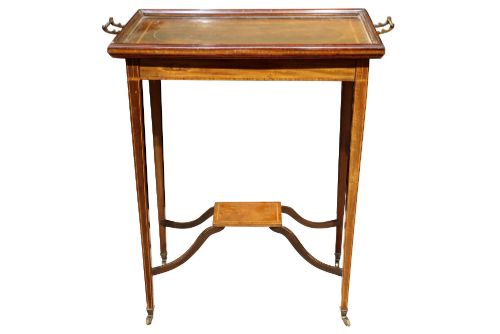
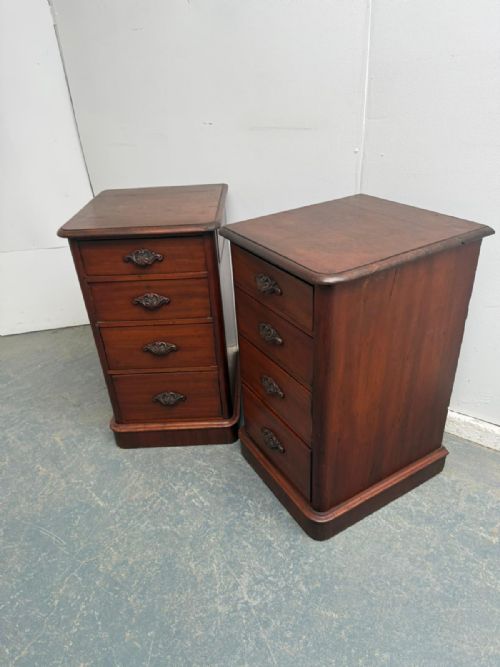
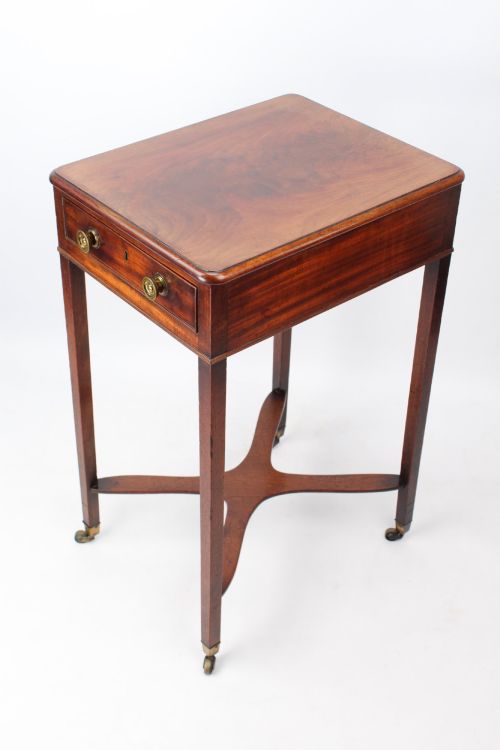
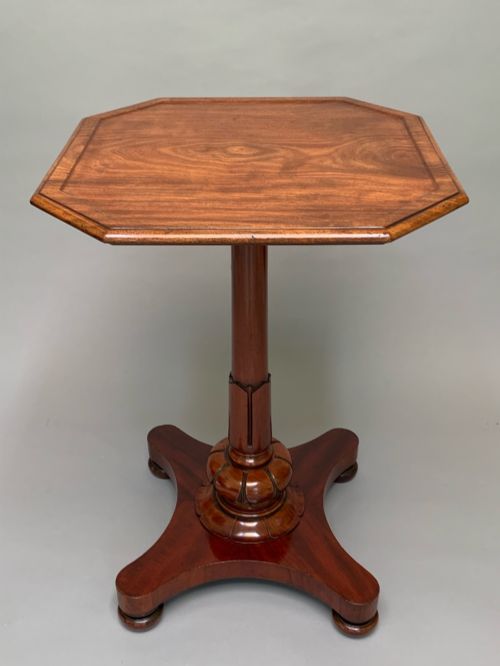
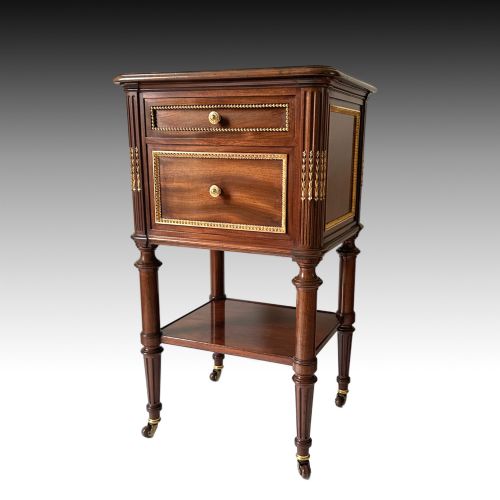
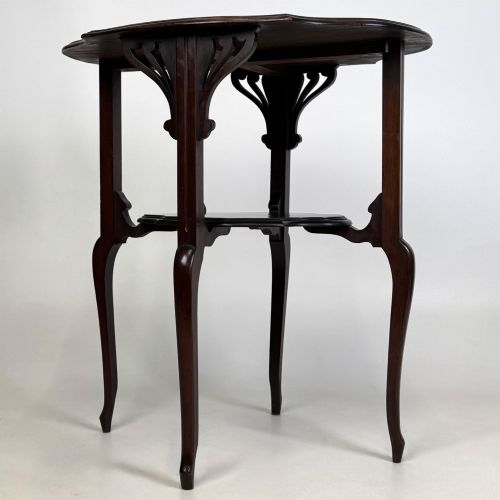
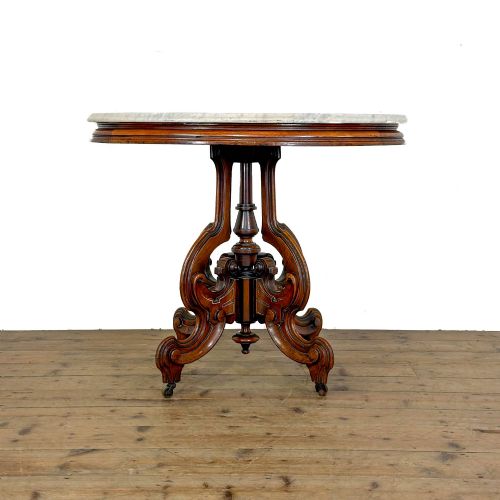
The most common formats on this page include side tables, wine tables, occasional tables and bedside cabinets. Many examples feature circular, oval, octagonal or rectangular tops set upon single pillars or four legs.
Origins stretch from Georgian proportions through William IV and Regency designs to Aesthetic Movement and Sheraton Revival interpretations. Each period imparts distinct stylistic signatures onto the timber frame.
Materials and construction
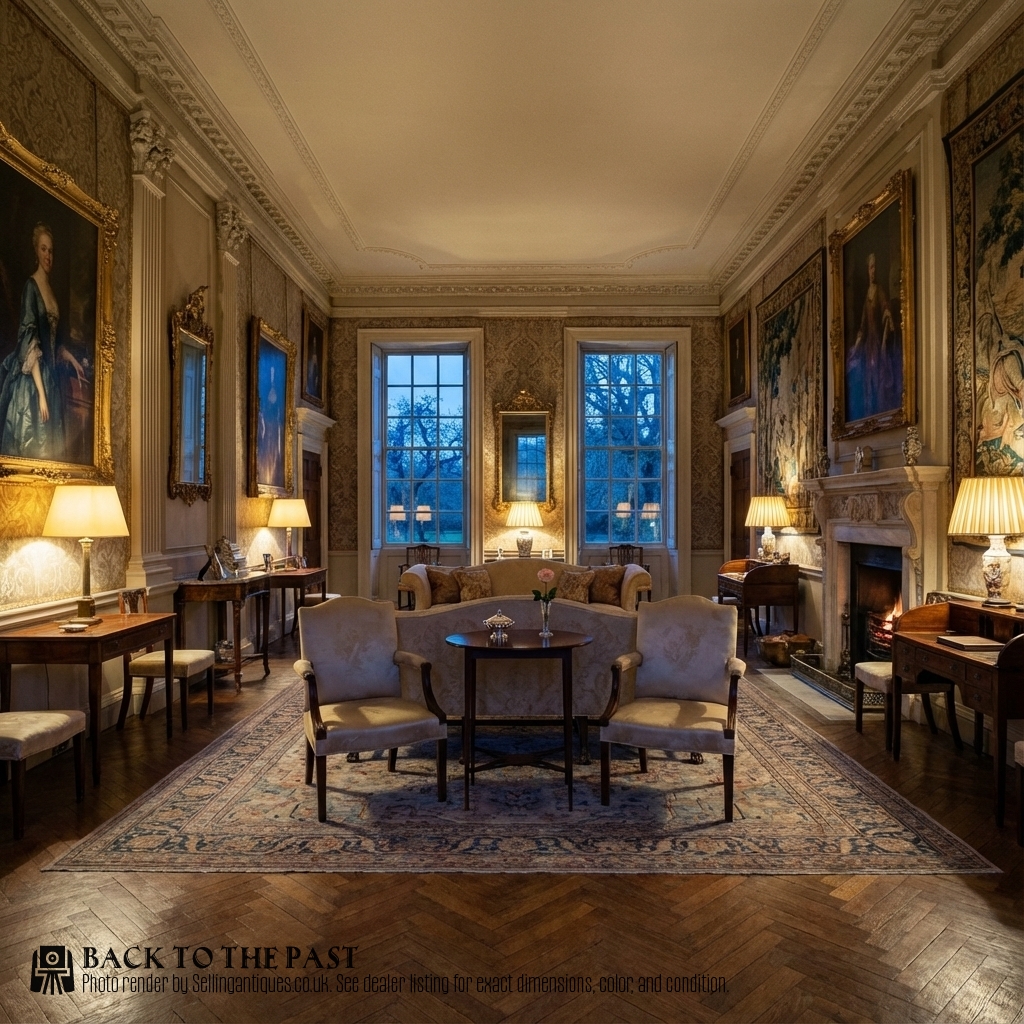
Solid mahogany and mahogany veneers form the primary structural body of these tables, providing a dense substrate that takes polish well. Secondary woods and framing timbers support the main surfaces.
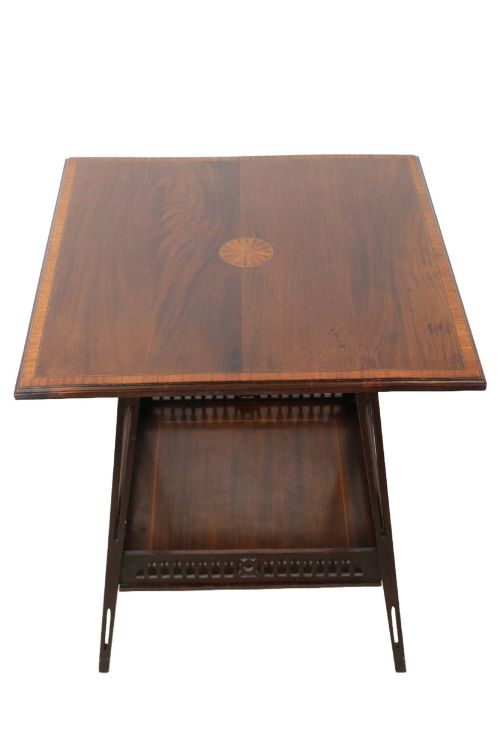
Cabinet makers integrated decorative elements such as boxwood inlay, satinwood stringing, brass fittings, leather inserts and ormolu mounts. Surface finishes rely on traditional waxes and polishes to bring out the grain of the wood.
Brown Mahogany Lamp Table Retail Price Guide 2026
Typical asking prices for brown mahogany lamp table among the pieces listed under this phrase on Sellingantiques today, from the lower quarter to the upper quarter. They describe what is for sale here now, not the wider market.
Spider leg tables offer spindly folding frames designed to fold away flat when the evening card game finished.
Distinctions in craftsmanship
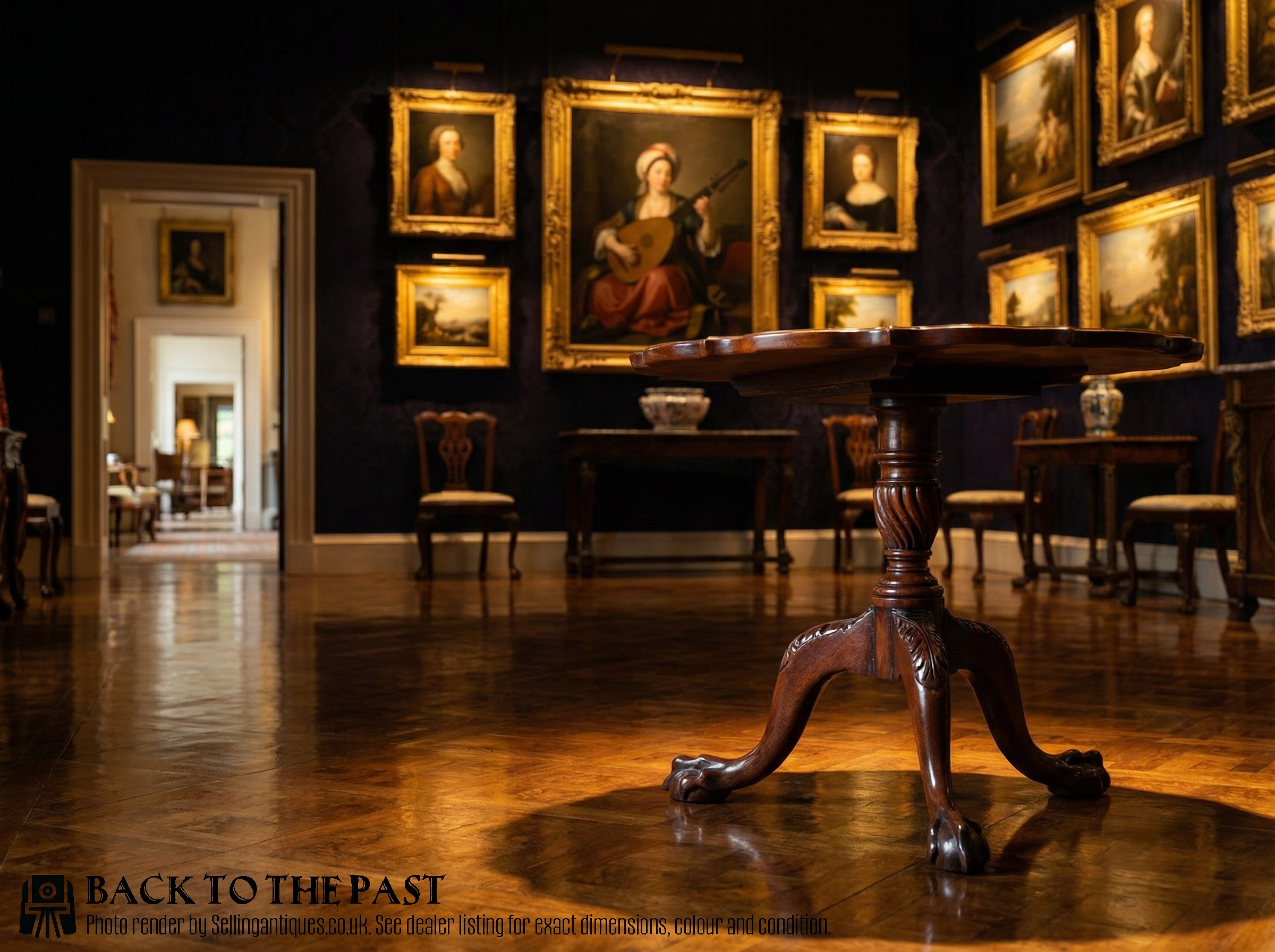
Superior examples display precise joinery in the framing and drawer construction, ensuring stability across centuries of use. The choice of mahogany timber dictates visual depth, with finer grain patterns and richer natural colour elevating the piece.
Refinement in secondary decorative work, such as neat boxwood inlay or finely cast brass and ormolu mounts, separates standard utility furniture from finer workshops production. The crispness of carved details on pillars and legs indicates the skill of the maker.
Trevor Page & Co·Gregory & Co
The Brown Mahogany Lamp Table Glossary
- Mahogany
- A durable tropical hardwood prized for its deep reddish-brown colour and stable working properties. It serves as the primary material for the tables on this page.
- Inlay
- A decorative technique where contrasting materials like boxwood or satinwood are inserted into recesses within the mahogany surface. This creates geometric or botanical patterns.
- Ormolu
- Gilded bronze applied as mounts and decorative hardware on furniture pieces. It appears on French and English pieces to accent corners and feet.
- Tilt-top
- A table mechanism allowing the wooden top to pivot vertically when not in use. This clever design saved floor space in smaller period rooms.
- Pembroke table
- A small occasional table featuring drop leaves on either side supported by hinged brackets. Many include a small drawer at one end.
Brown Mahogany Lamp Table: Frequently Asked Questions
What periods do these tables come from?
The pieces span several centuries, starting from the Georgian period in the eighteenth century through Regency and William IV eras. Victorian and Edwardian examples also feature prominently alongside later revivals.
Craftsmanship evolved across these eras, moving from hand-carved Georgian proportions to lighter Edwardian satinwood-inlaid designs and later twentieth-century interpretations.
How were these small tables used originally?
These compact surfaces served multiple domestic functions in period homes, holding small oil lamps, candles or writing materials beside seating. Wine tables and spider leg tables were easily moved around a drawing room as needed.
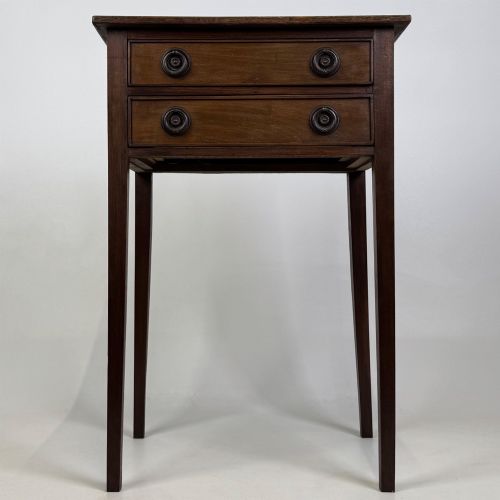
Bedside cabinets and chests provided enclosed storage for chamber items, while Pembroke and occasional tables stood near sofas and hallway walls.
How do I distinguish Edwardian from Victorian tables?
Victorian mahogany tables often display heavier proportions, darker wax finishes and robust structural framing characteristic of the nineteenth century. Aesthetic Movement pieces from this era frequently incorporate octagonal tops.
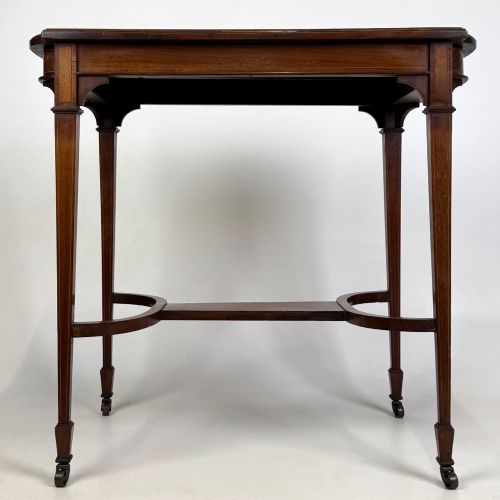
Edwardian examples tend to look lighter and more refined, frequently incorporating satinwood or boxwood inlay and Sheraton Revival influences dating around nineteen hundred.
Can I use a wine table for a modern lamp?
Most wine tables and occasional tables provide adequate surface area for contemporary bedside or desk lamps, provided the base footprint matches the table top. Circular and square tops offer stable platforms for modern lighting.
Tilt-top variants should be checked at the pivot mechanism to ensure the surface remains steady when weight is applied.