


Traditional Side Table
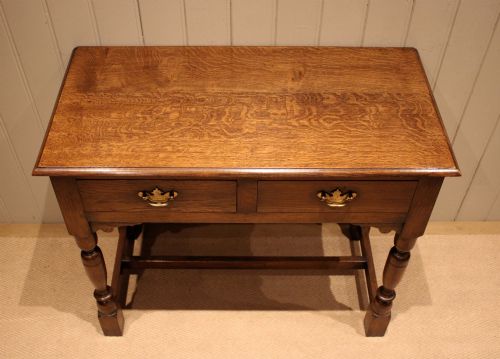
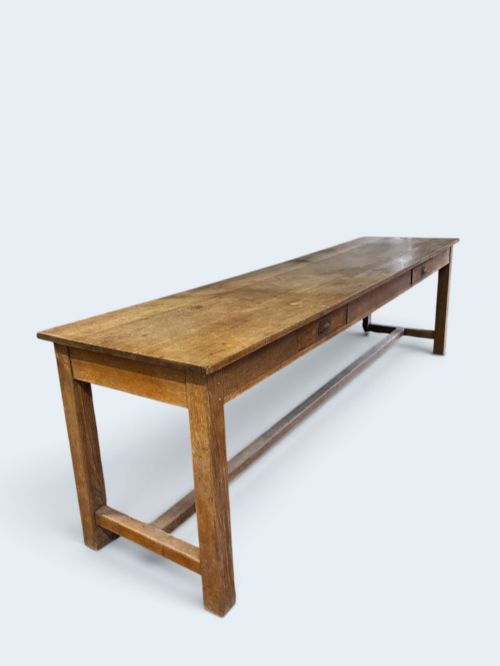
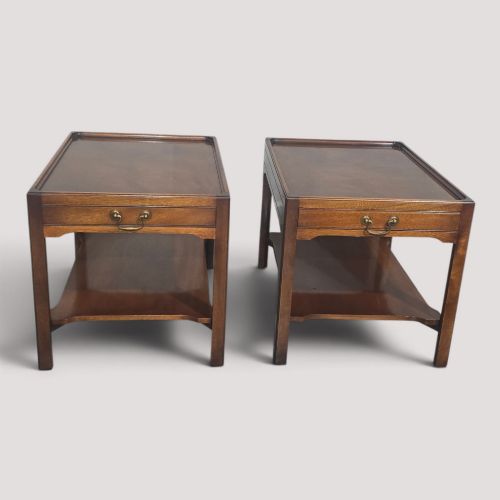
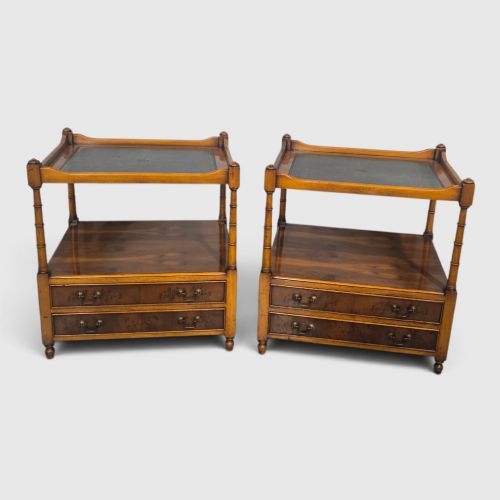
A traditional side table offers functional surface space and period character, grounding a room with rich mahogany, oak, or walnut timber.
Traditional Side Table
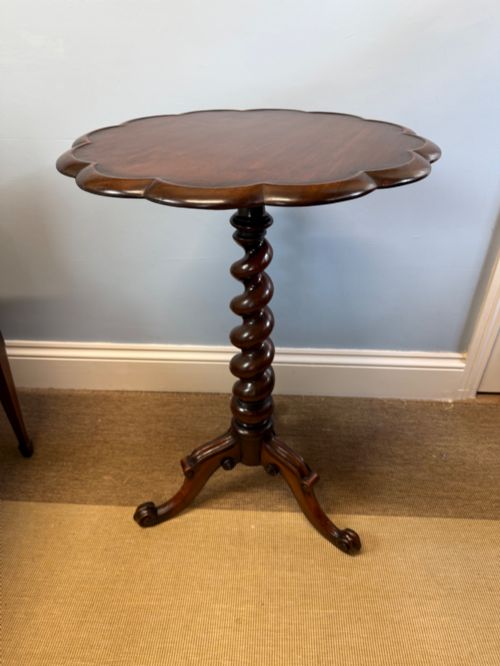
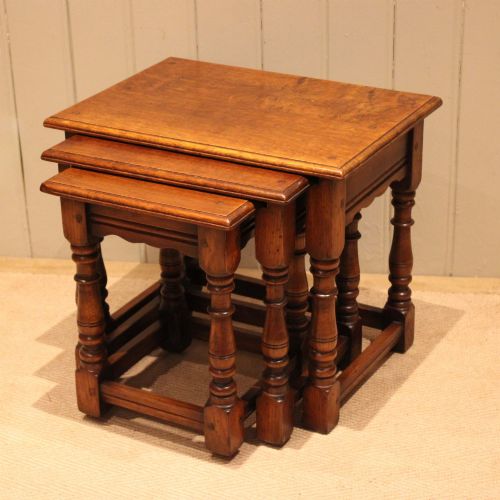
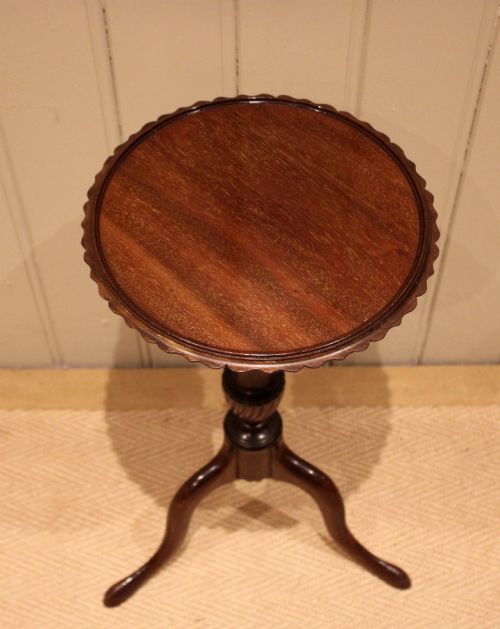
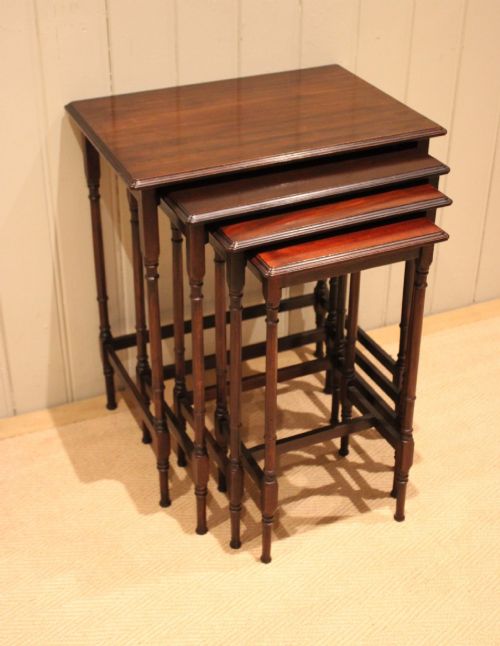
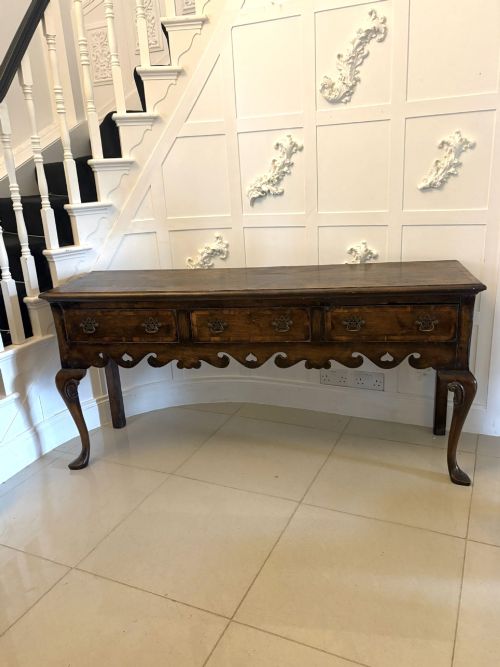
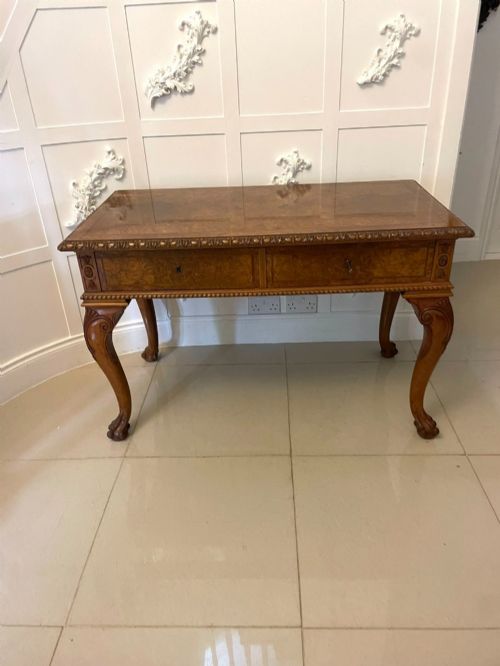
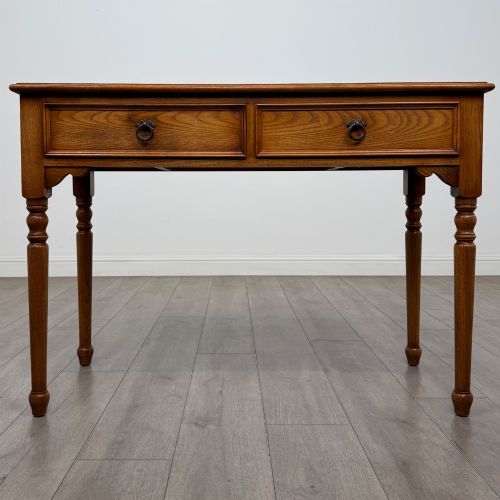
A traditional side table serves as a versatile accent piece in a living space, hallway, or bedroom, designed to hold lamps, drinks, or decorative objects. When you search for a traditional side table, you encounter diverse forms ranging from compact wine tables and nests of tables to larger console tables and dresser bases.
The pieces spanning this selection date from the eighteenth century through the Victorian, Edwardian, and early twentieth-century periods. Oak and mahogany appear most frequently, reflecting the enduring popularity of these sturdy timbers in British domestic interiors.
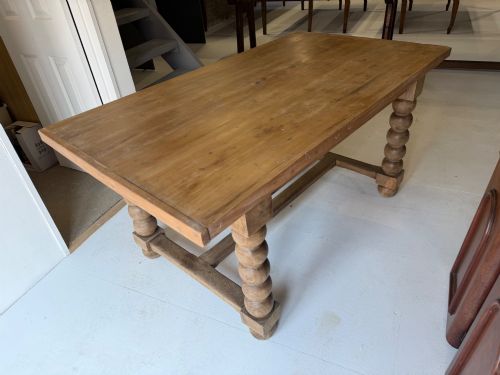
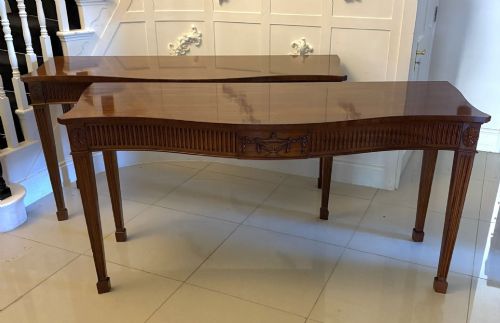
Stylistic influences vary widely across the inventory, encompassing Georgian and Regency designs alongside Jacobean Revival, Arts and Crafts, and rustic farmhouse interpretations. Buyers typically choose between simple occasional tables with bobbin legs or tripod bases and grander console and serving tables featuring carved details.
Materials and construction
Cabinet makers utilised solid hardwoods such as oak, mahogany, walnut, and yew, often selecting figured veneers like burr walnut for decorative surfaces. Secondary woods like pine appear in structural framing and drawer linings.
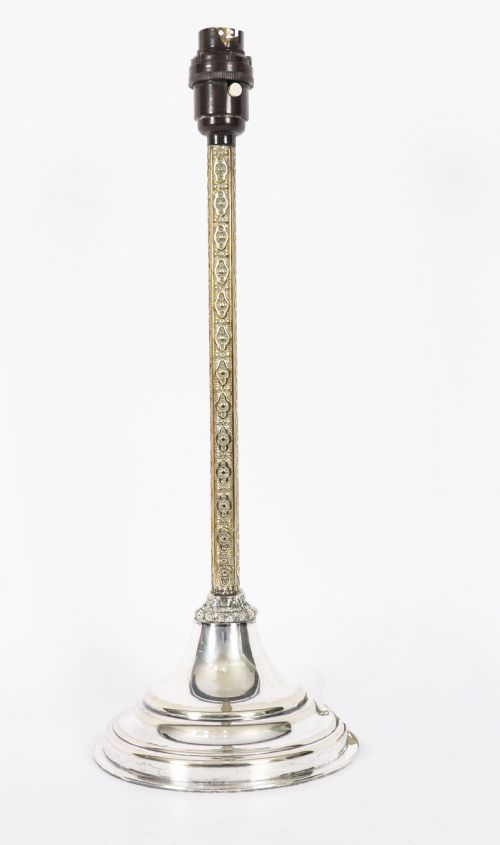
Joinery techniques relied on traditional methods including mortise and tenon joints, dovetailing for drawers, and turned components such as bobbin legs or tripod pedestals. Metal elements like brass fixtures and silver plate add functional and decorative accents to lighting and furniture.
Listings feature eighteenth-century pieces up to the 1930s, constructed predominantly in oak, mahogany, and walnut with occasional brass and metal work.
Assessing quality and craftsmanship
Quality in a traditional side table reveals itself in the selection of timber grain, the crispness of hand-carved details, and the integrity of the joinery. Superior examples demonstrate thoughtful proportion and stable construction without excessive modern intervention.
The refinement of hardware, such as original brass handles or finely cast mounts, distinguishes finer pieces from utilitarian items. Attention to secondary woods and interior drawer construction further separates standard production from exceptional craftsmanship.
Mappin And Webb·Comitti Of London
The Traditional Side Table Glossary
- Tripod table
- A small freestanding table supported by a central pillar on three legs, often designed with a tilt-top mechanism.
- Nest of tables
- A set of graduated tables designed to fit neatly beneath one another when not in use.
- Wine table
- A compact occasional table with a small circular top, originally used for holding glasses or bottles.
- Console table
- A table designed to stand flat against a wall, frequently supported by decorative legs or brackets.
Traditional Side Table: Frequently Asked Questions
Where should I place a side table?
These tables fit naturally beside a sofa, in an entryway as a console, or next to a bed as an alternative to a traditional bedside cabinet.
Their modest proportions allow them to fill awkward corners or narrow hallways while providing a convenient surface for lighting or books.
How do I care for antique wood?
Protect wooden surfaces by keeping them away from direct heat sources and strong sunlight, which can dry out timber and fade finishes.
Apply a quality beeswax periodically to nourish the grain and maintain a natural lustre without building up heavy chemical residues.
Can I mix different wood tones?
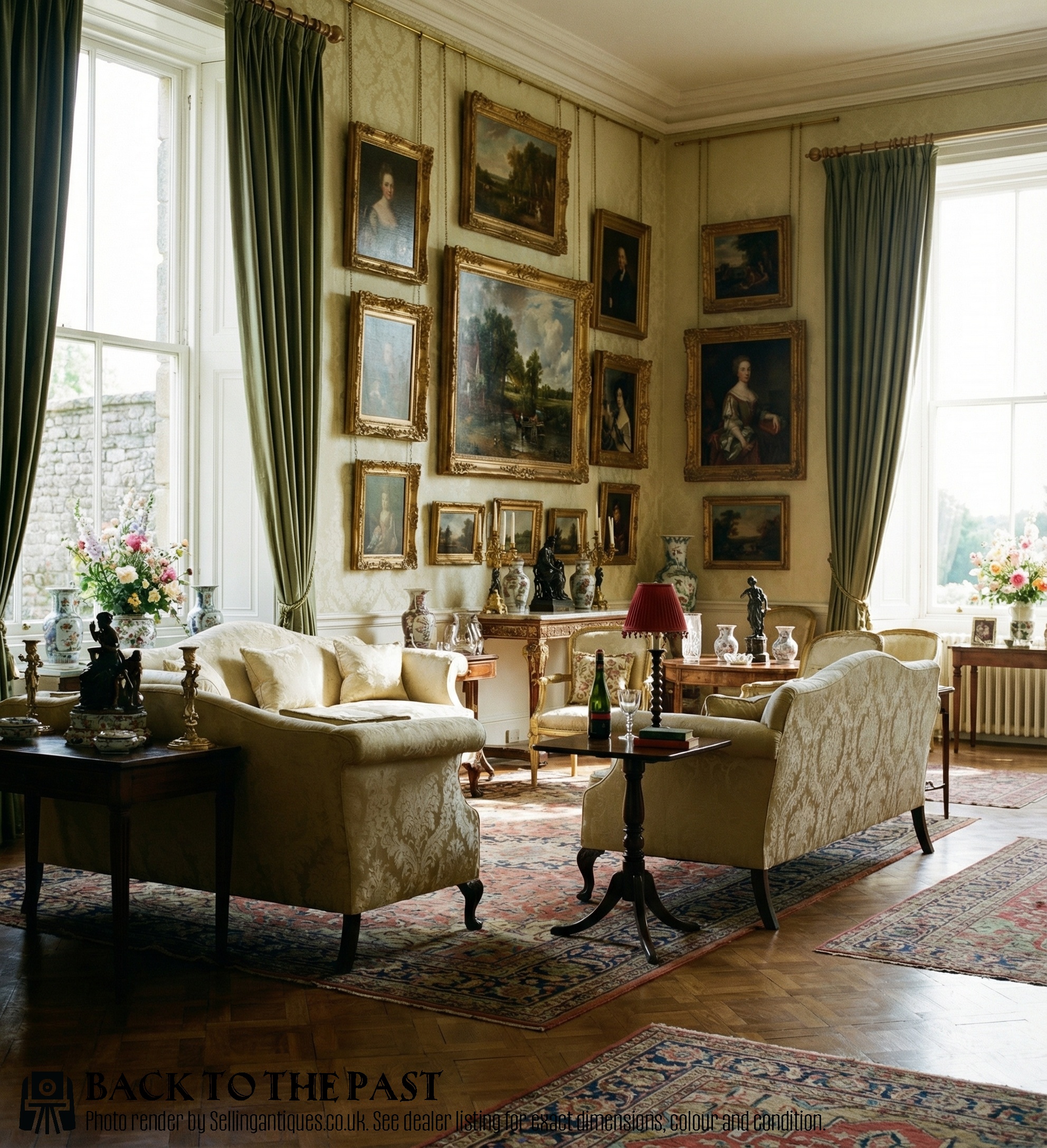
Mixing oak, mahogany, and walnut pieces creates a layered, collected interior rather than a uniform showroom look.
Matching the overall scale and historical period of the furniture helps unify disparate wood finishes within the same room.
What is the difference between a console and a side table?
A console table traditionally stands against a wall and is sometimes secured to it, often serving a decorative purpose in hallways or formal reception rooms.
A side table is typically freestanding and designed for versatile placement beside seating or beds for everyday utility.