



Fruitwood Occasional Table
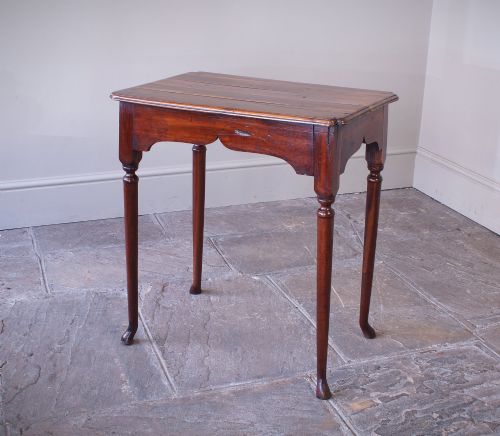
A fruitwood occasional table brings warmth and a tactile grain to a room, offering a sturdy surface for a lamp or a glass.
Fruitwood Occasional Table
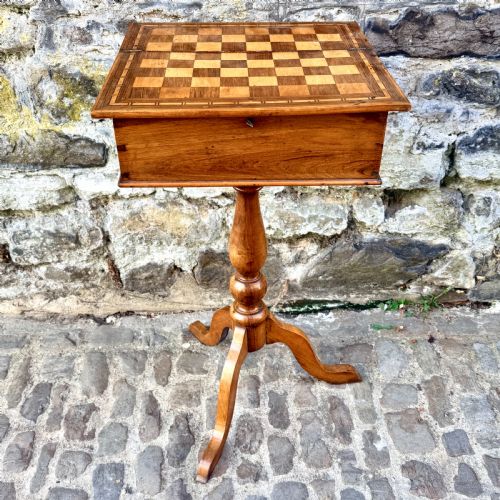
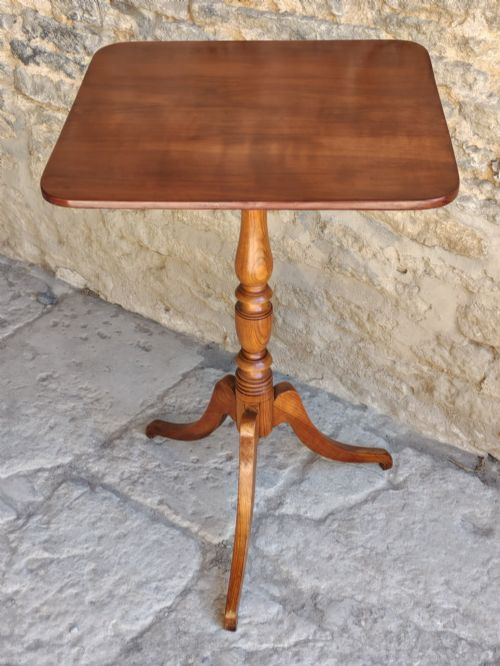
A fruitwood occasional table encompasses small-scale surfaces designed for specific domestic tasks, appearing most frequently in Georgian and nineteenth-century formats. These pieces range from tripod wine and tilting tables to side tables, games boards, and small writing desks.
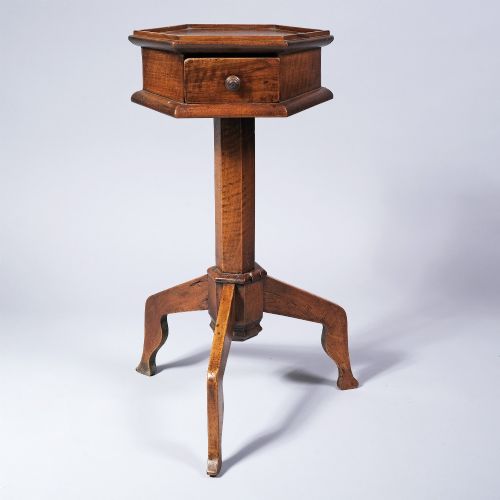
Regional variants shape the selection on this page, bringing together English country vernacular designs, French provincial pieces, and nineteenth-century Italian and Syrian examples. Buyers encounter diverse structural forms, including octagonal tops, bobbin turnings, and cricket table configurations.
The materials extend beyond primary fruitwood timbers, often incorporating oak, walnut, cherry, mahogany, brass fittings, and inlaid wood details. These occasional pieces function practically as moveable surfaces while displaying the rich, varied patination of dense local timbers.
How they were made
Cabinet makers built these tables using dense fruitwoods, cherry, walnut, and oak, frequently combining timbers within a single piece such as a mahogany and fruitwood cricket table. Turning lathes shaped legs and central pillars, while hand saws produced tripod bases and tilting mechanisms.
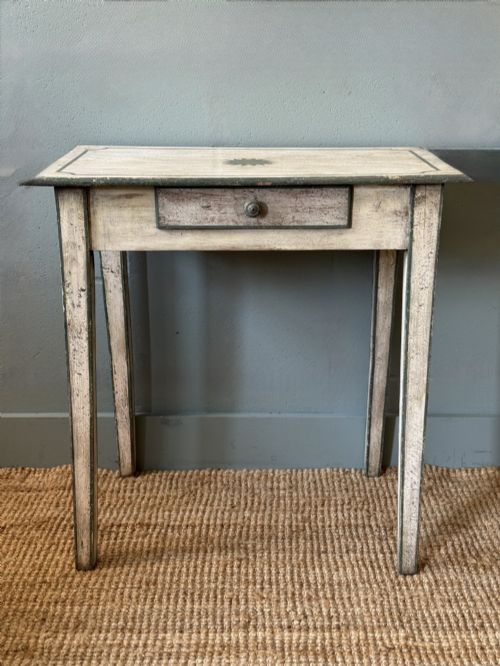
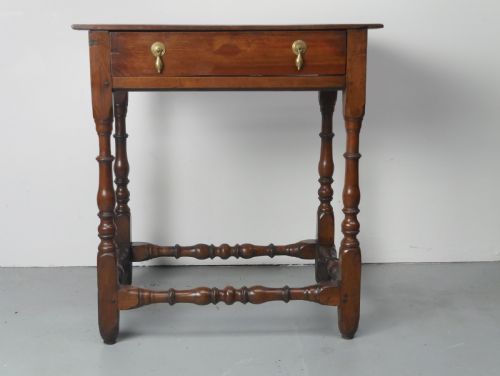
Surface decoration relied on natural timber figuring, complemented by occasional inlay work, painted finishes, and brass hardware like birdcage tripod mountings. Joinery methods included pegged mortise and tenon joints for stability, alongside turned bobbin elements and dovetailed drawer construction.
Listings feature fruitwood combined with brass, walnut, inlaid wood, oak, paint, cherry, and mahogany across various occasional formats.
What varies in quality
Quality rests in the harmony of proportion between the top and the supporting base, alongside the selection of timber figures. Tables featuring crisp turning on the legs or intricate inlaid wood show a higher degree of workshop skill.
The integrity of mechanisms, such as tilting tops and birdcage mountings, distinguishes standard utility pieces from finer examples. Original surface patination and the careful integration of secondary woods like oak or alder further elevate the standing of a table.
Liberty
The Fruitwood Occasional Table Glossary
- Fruitwood
- Timber sourced from fruit-bearing trees such as apple, pear, or cherry, prized for its warm tone and fine grain. It was widely used by regional cabinet makers for country furniture.
- Tilt top
- A table construction where the surface pivots on a catch to stand vertically when not in use. This mechanism saved floor space in smaller eighteenth and nineteenth-century rooms.
- Tripod
- A three-legged base configuration commonly found on wine and occasional tables. It provides stable placement on uneven floors.
- Birdcage
- A revolving wooden framework beneath a table top that allows the surface to both tilt and rotate. This mounting sits atop a central pillar supported by three legs.
- Cricket table
- A small, three-legged circular table with a low shelf beneath, traditionally constructed from oak and fruitwood. The design offers exceptional stability on flagstone floors.
Fruitwood Occasional Table: Frequently Asked Questions
How were tilt top tables used?
Tilt top tables served multi-purpose roles in historic interiors, functioning as a surface for lamps, drinks, or books during the evening. When the room needed to be cleared, the mechanism allowed the top to pivot vertically against a wall.
This space-saving function made tripod tables popular in drawing rooms, parlours, and hallways throughout the Georgian and Victorian periods.
How do I identify a Georgian fruitwood table?
Georgian fruitwood tables often feature simple tripod bases, turned central pillars, and patinated timber surfaces that show age and use. Detail work can include birdcage mountings, inlaid wood borders, or small drawers with dovetail construction.
Comparing the turning style and timber combination helps distinguish these eighteenth-century pieces from later nineteenth-century interpretations.
Where should I place an occasional table?
An occasional table suits small spaces where a flexible surface is required, such as beside an armchair or in a hallway. Their compact footprint makes them ideal for holding reading lamps, decorative objects, or small plants.
Placing them out of direct sunlight helps preserve the warm tone and historic patination of the fruitwood timber.