

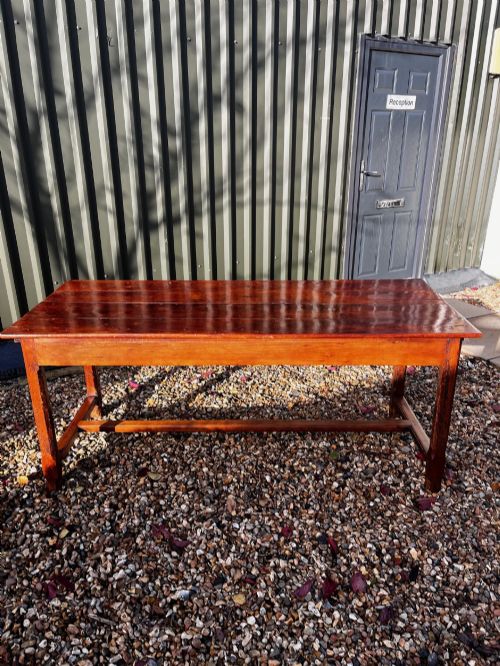
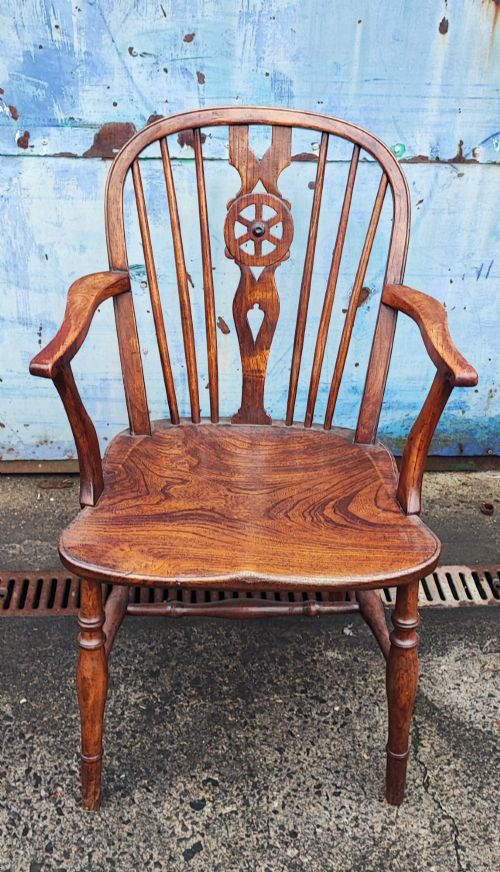
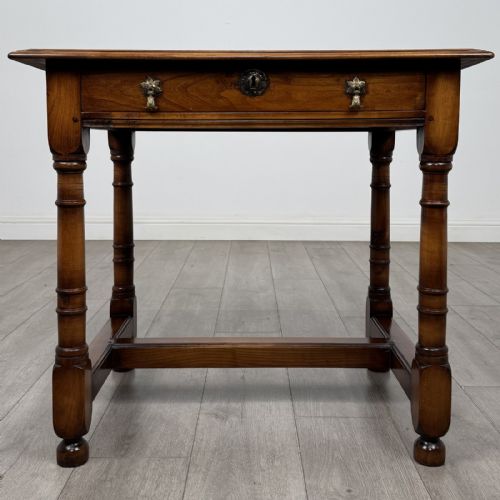


Vintage Fruitwood Desk
These vintage fruitwood desk examples bring warmth and character to a room, offering practical workspace through timber with a rich, historic grain.
Vintage Fruitwood Desk
A vintage fruitwood desk brings together sturdy timber and functional workspace, reflecting the practical needs of past centuries. When searching for a vintage fruitwood desk, buyers encounter various forms shaped by nineteenth and early twentieth century cabinet makers.
The materials span traditional fruitwood alongside elm, cherrywood, and brass hardware. Pieces originating from French provincial workshops sit alongside English country designs and revival styles.
Construction dates stretch from the early eighteen hundreds through to the nineteen twenties. Each piece demonstrates how utilitarian furniture evolved to suit domestic and workshop interiors.
How they were made
Cabinet makers utilised dense fruitwoods, cherrywood, and elm for durability, combining solid timbers with traditional joinery methods. Metal components like brass provided structural reinforcement and functional detailing.
Surfaces received hand-applied finishes to highlight the natural grain patterns inherent in fruitwood timber. Construction relied on time-tested carpentry techniques rather than modern adhesives.
Vintage Fruitwood Desk Retail Price Guide 2026
Typical asking prices for vintage fruitwood desk among the pieces listed under this phrase on Sellingantiques today, from the lower quarter to the upper quarter. They describe what is for sale here now, not the wider market.
Listings feature items spanning the nineteenth century through to nineteen twenty, utilising fruitwood, elm, cherrywood, and brass.
What varies in quality
The standard of timber selection and the precision of the joinery dictate the overall quality of a piece. Grain consistency and the condition of the original wood surface distinguish finer examples from simpler utilitarian items.
Design sophistication also marks the difference between standard production and exceptional craftsmanship. Details in the timber turning and the integration of brass fittings show the maker's competence.
Paul Garnier
The Vintage Fruitwood Desk Glossary
- Fruitwood
- Timber derived from fruit-bearing trees such as apple, pear, or cherry. It develops a warm patina and smooth texture over decades of use.
- Elm
- A resilient hardwood known for its interlocking grain and resistance to splitting. Cabinet makers often used it for structural components requiring strength.
- Satinwood
- A light-coloured, lustrous timber utilised for fine inlay and decorative banding. It provides a striking contrast against darker fruitwoods.
- French Provincial
- A regional style characterised by simple, sturdy construction with subtle decorative curves. It reflects the domestic traditions of French rural cabinet makers.
Vintage Fruitwood Desk: Frequently Asked Questions
What is a vintage fruitwood desk?
A vintage fruitwood desk is a practical workspace constructed from dense timber like cherry or applewood, dating from the nineteenth or early twentieth century.
These pieces combine traditional carpentry with the warm grain patterns characteristic of fruit-bearing trees.
How do I care for fruitwood furniture?
Keep fruitwood desks away from direct sunlight and extreme temperature fluctuations to prevent the timber from drying out.
Apply natural beeswax periodically to nourish the wood and maintain its historic lustre without stripping the original patina.
Where were these desks made?
Surviving pieces originate from various European workshops, including English country makers and French provincial cabinet makers.
Regional styles often dictate the turning of the legs and the choice of secondary timbers like elm.
How can I tell the period of a desk?
Examine the construction methods, tool marks, and the type of hardware used in the drawers and framing.
Earlier nineteenth-century pieces typically feature hand-cut joinery, while twentieth-century examples incorporate more standardised manufacturing techniques.