

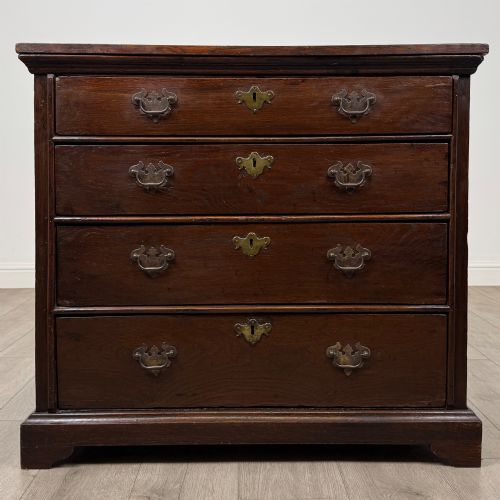
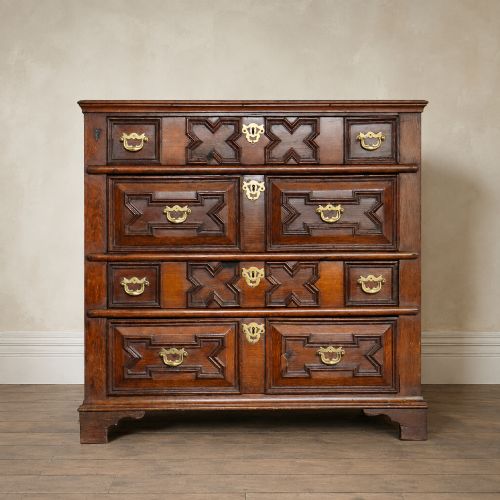
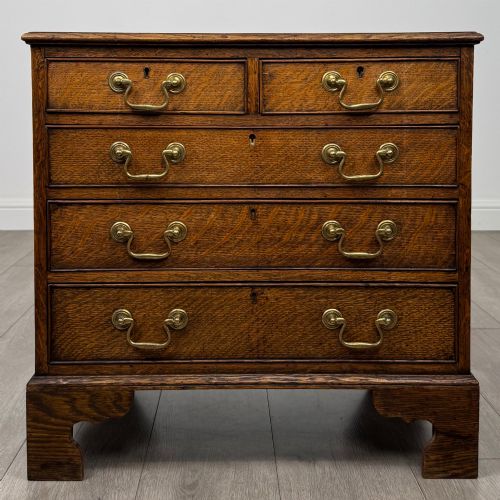
Oak Tallboy Dresser
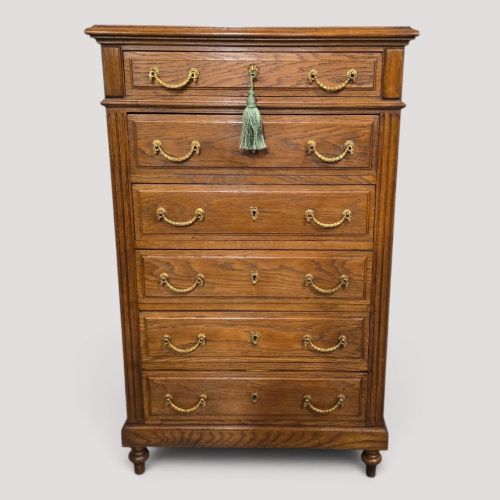
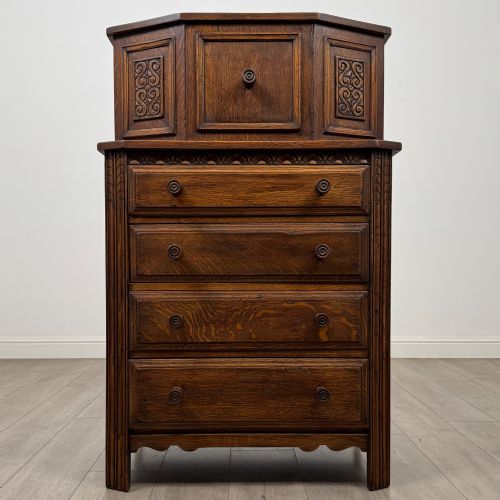
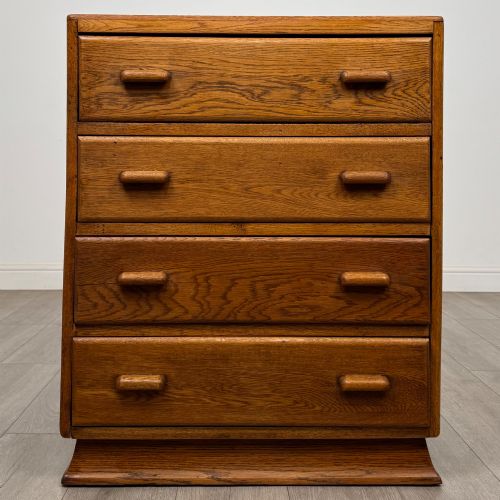
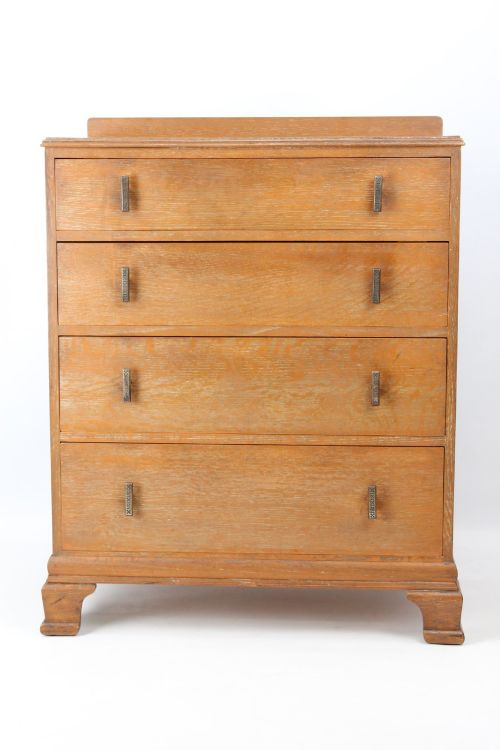
An oak tallboy dresser provides substantial storage with vertical presence, combining utility and period character.
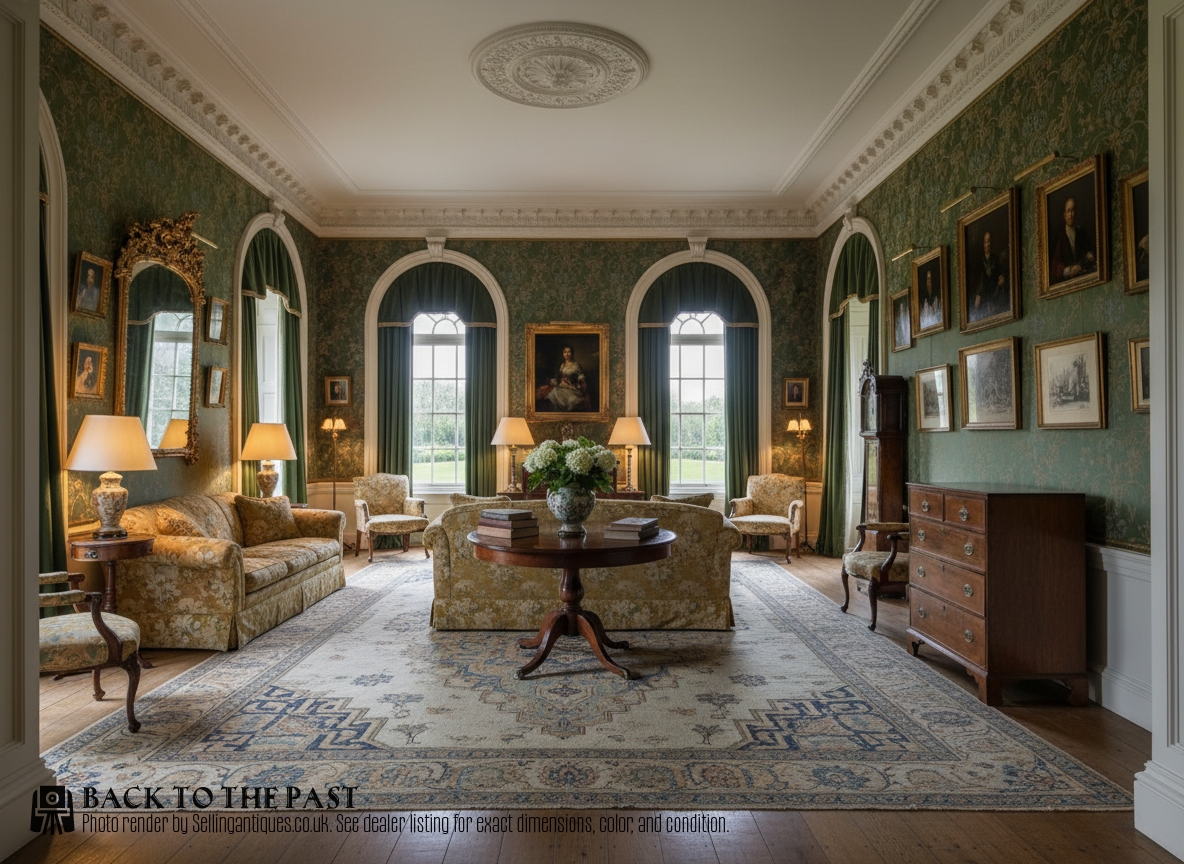
Oak Tallboy Dresser
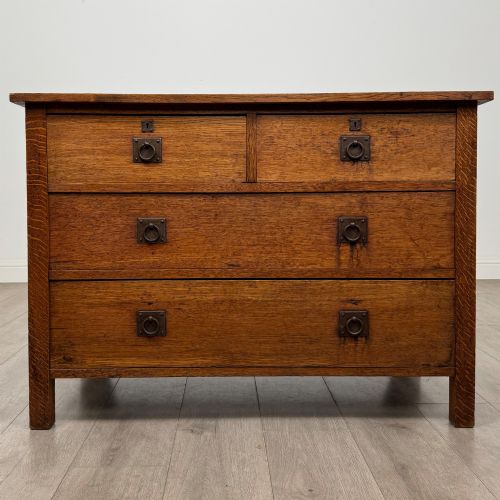
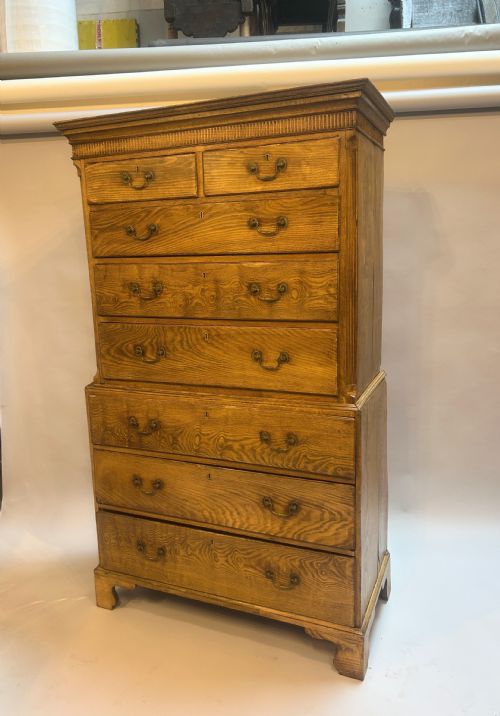
An oak tallboy dresser typically combines the high vertical storage of a tall chest with the configuration of drawers or cupboards seen in period furniture. These pieces draw from eras including the 17th century, Georgian, Victorian, and Edwardian periods.
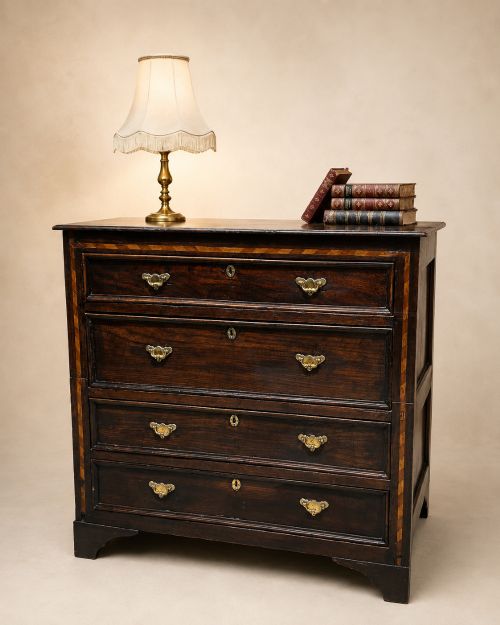
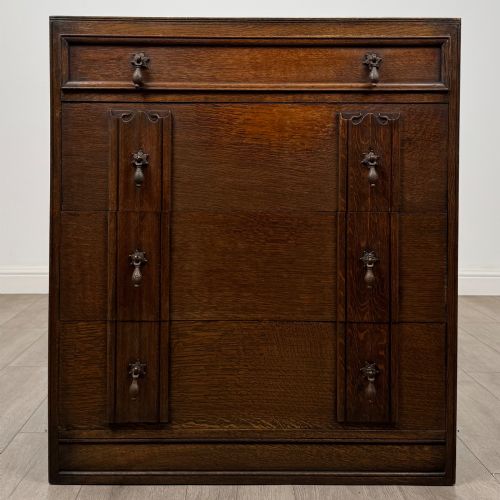
The selections on this page feature chests of drawers, cabinets, and tall chests constructed primarily from oak, alongside walnut, mahogany, and fruitwood inlay. Stylistic influences span from Charles II and William and Mary to Arts and Crafts and Art Deco.
How they were made
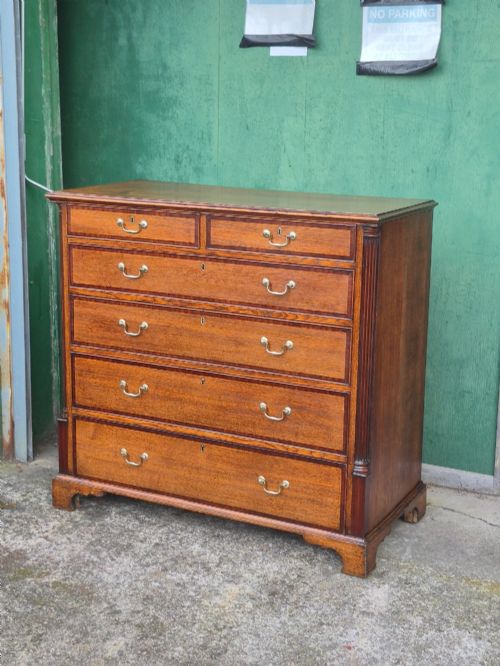
Makers utilised solid oak alongside contrasting timbers such as walnut, mahogany, and fruitwood inlay to create decorative surface patterns. Construction methods involve geometric mouldings, linenfold panels, and crossbanding.
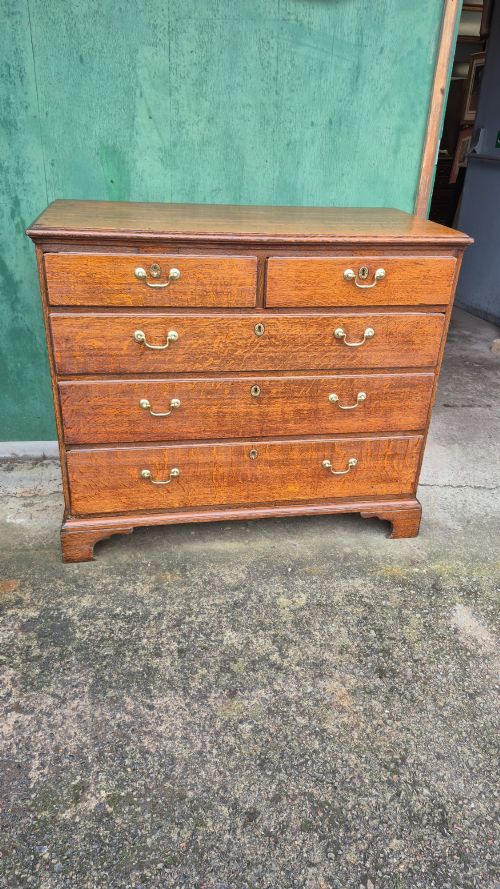
Hardware relies on brass and iron fittings, whilst specialised techniques like oyster veneering and parquetry enhance the timber grain across various 17th-century to 20th-century examples.
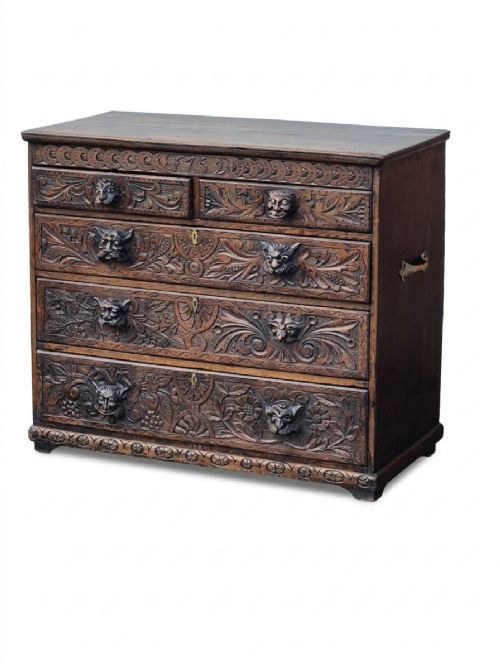
Victorian craftsmen occasionally carved Green Man grotesques into drawer fronts to peer out from the oak grain.
What varies in quality
The refinement of the timber selection and decorative detailing distinguishes finer examples, particularly where golden oak or figured walnut is chosen. Precision in geometric mouldings and the execution of crossbanding demonstrate the maker's skill.
Proportion and surface finish dictate the overall presence of the piece, ranging from robust provincial vernacular items to polished urban pieces with integrated brass or iron furniture.
The Oak Tallboy Dresser Glossary
- Tallboy
- A tall chest of drawers, typically comprising a chest placed upon another or built as a single tall unit. This form maximises vertical storage capacity.
- Crossbanding
- A border technique where thin strips of veneer are laid around the perimeter of a drawer front so the grain runs perpendicular to the central panel.
- Linenfold
- A style of relief carving used on panels to resemble folded parchment or linen. It is frequently encountered on pieces from the Tudor period onwards.
- Oyster veneer
- Circular slices cut across small branches or roots, arranged to create a repeating pattern resembling oyster shells. This technique appears on walnut surfaces.
- Geometric moulding
- Raised wooden mouldings applied to drawer fronts in rectilinear or intersecting patterns. This detail characterises seventeenth-century case furniture.
Oak Tallboy Dresser: Frequently Asked Questions
Where should I place an oak tallboy dresser?
These tall pieces suit bedrooms and landings where vertical storage is required without occupying excessive floor space.
Ensure the room has sufficient ceiling clearance to accommodate the height of the chest comfortably.
How do I care for antique oak furniture?
Maintain the timber by applying traditional wax polish periodically and avoiding placement near direct heat sources.
Keep humidity levels stable to prevent the solid oak and any veneered elements from splitting or warping.
How can I tell the period of a tallboy?
Examine the construction methods, handle types, and decorative elements such as geometric mouldings or linenfold panels.
Seventeenth-century pieces display distinct joinery compared to later Georgian, Victorian, or Edwardian interpretations.
What is the difference between a tallboy and a standard chest?
A tallboy offers greater vertical elevation, traditionally created by stacking sections or building a taller single carcass.
This design provides additional drawer tiers while retaining a compact footprint on the floor.