


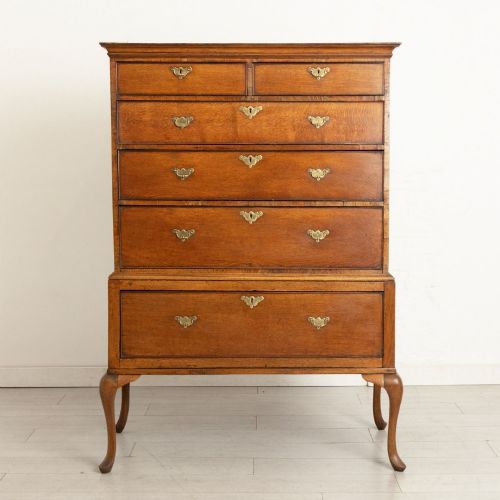
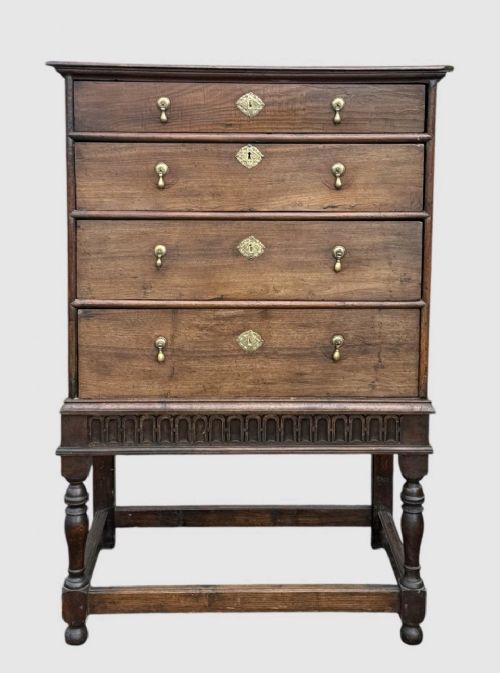
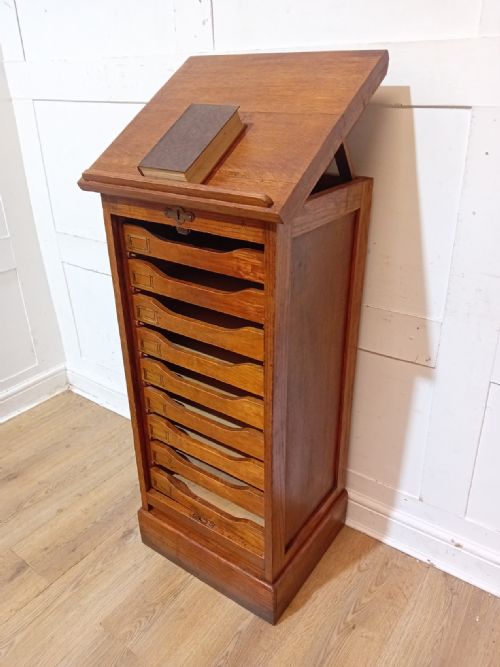


Oak Chest on Stand
An oak chest on stand combines a drawer or coffer section with a raised base, offering elevated storage grounded in centuries of cabinet-making.
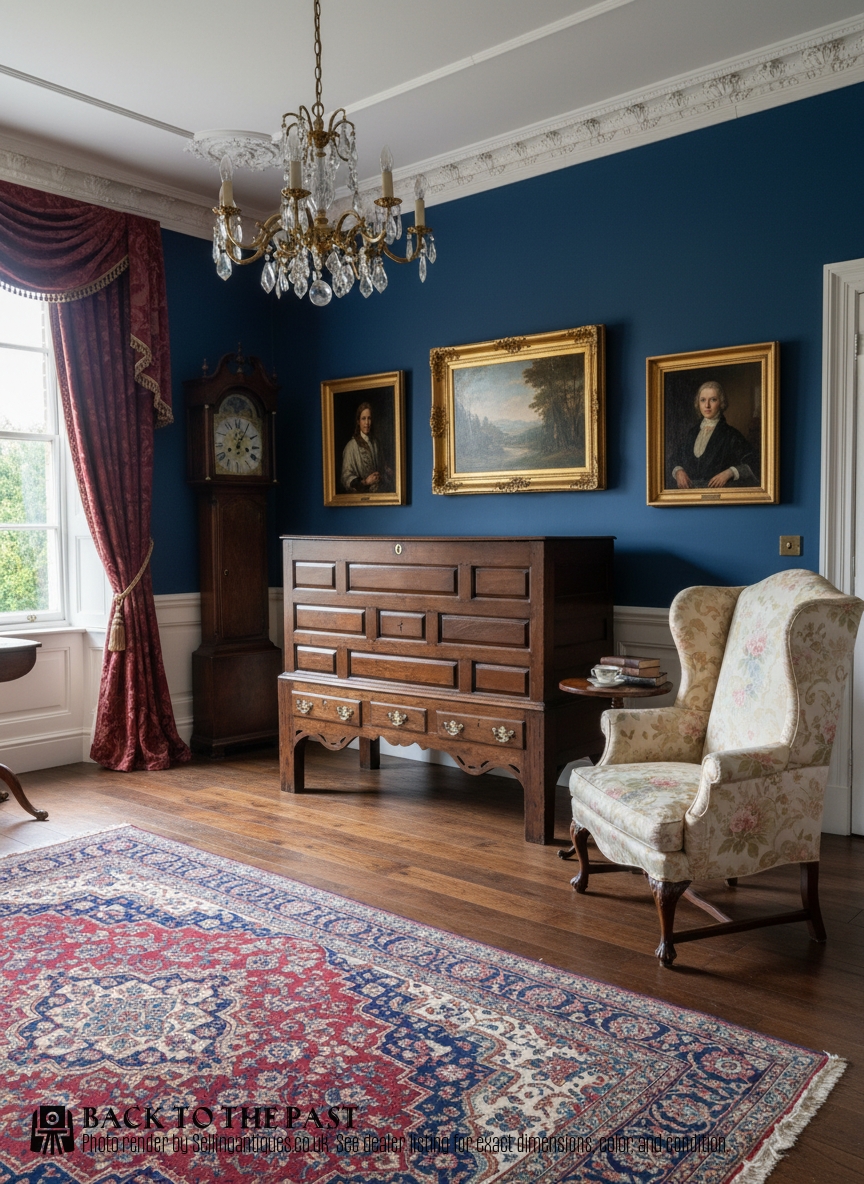
Oak Chest on Stand
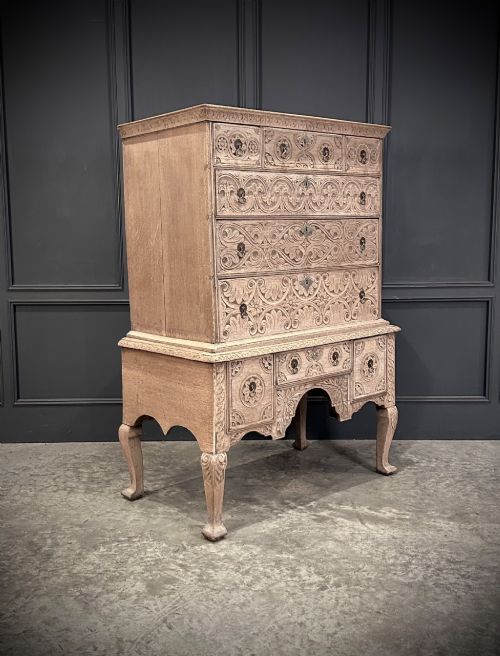
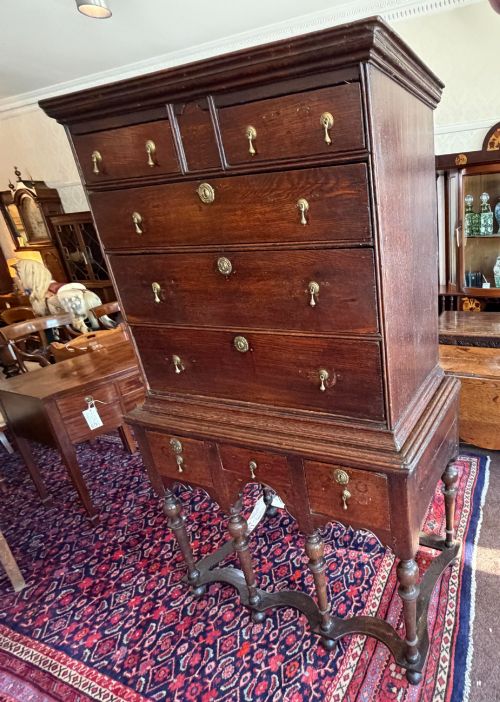
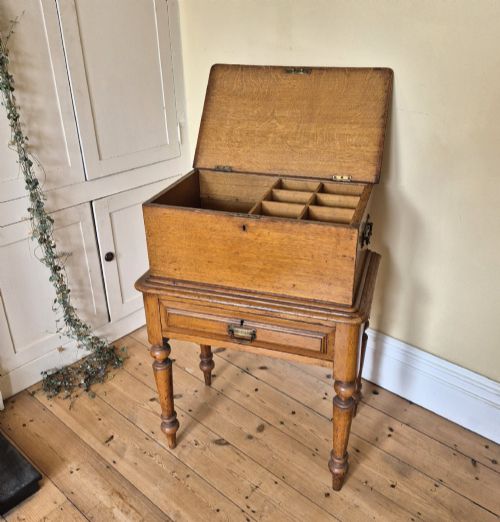
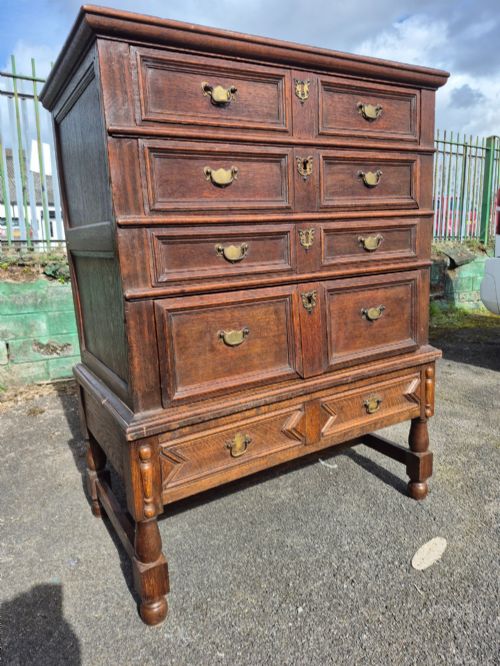
When you search for an oak chest on stand, you look for a two-part furniture form consisting of an upper storage section, such as a chest of drawers, coffer, or bible box, supported by a separate low stand with legs. The pieces found here span centuries of design, with particular prevalence in the 17th and 18th centuries through the William and Mary, Queen Anne, and Georgian periods.
The most common examples on this page date from the 18th century, displaying provincial or regional English craftsmanship in solid timber. You will also encounter earlier late 17th-century pieces featuring joined frames, alongside occasional later revival interpretations from the Victorian and Edwardian eras.
The upper carcase typically houses multiple drawers or a hinged lid for textiles and documents, while the underlying stand frequently utilises turned legs, stretchers, or cabriole supports. Variations include inlaid decoration in walnut, laburnum, or fruitwood, reflecting the changing decorative tastes of each period.
Materials and Construction Techniques
Construction relies heavily on solid oak, chosen for durability and availability, often complemented by secondary woods such as walnut, fruitwood, and deal for drawer linings and internal panels. Cabinet-makers employed traditional joinery techniques, including mortise and tenon joints for the stands and hand-cut dovetails for the drawer carcases.
Surface decoration on these pieces includes linear inlay, marquetry, and moulded drawer fronts that add visual depth to the dense timber. Iron and brass hardware, such as drop handles and escutcheons, are secured to the drawer fronts to facilitate daily use.
Oak Chest on Stand Retail Price Guide 2026
Typical asking prices for oak chest on stand among the pieces listed under this phrase on Sellingantiques today, from the lower quarter to the upper quarter. They describe what is for sale here now, not the wider market.
The inventory records regional English variations alongside specialised forms like bible boxes and linen presses mounted on custom frames.
Evaluating Quality and Proportion
The standard of a piece is evident in the selection of timber, particularly where figured veneers like burr elm or walnut are applied to the primary oak surfaces. Grain matching across drawer fronts and the restraint shown in decorative stringing or carving separate standard provincial work from finer metropolitan examples.
Proportion between the upper chest and the supporting stand dictates the visual balance of the furniture. Stands with original stretchers, well-turned legs, and untouched surface patination represent the higher tier of surviving examples.
Heals of London·Mappin and Webb·Roberson and Co
The Oak Chest on Stand Glossary
- Chest on stand
- A two-part storage furniture form comprising an upper chest or box resting upon a raised frame with legs.
- Dovetail
- A joint used in drawer construction formed by interlocking wedge-shaped fingers.
- Stretchers
- Horizontal wooden braces connecting the legs of a stand to provide structural rigidity.
- Escutcheon
- A protective metal plate surrounding a keyhole.
- Coffer
- A large wooden chest with a hinged lid used originally for storing valuables and textiles.
Oak Chest on Stand: Frequently Asked Questions
What is an oak chest on stand used for?
These pieces served primarily for domestic storage, holding garments, linens, and personal documents off the cold floor. The elevated design made accessing the contents more comfortable without requiring the user to bend low.
Today, they function well in living spaces and bedrooms as statement storage units. Their compact footprint allows them to fit into hallways or corners while offering practical drawer capacity.
How can I tell a 17th-century piece from an 18th-century one?
Seventeenth-century examples often display more robust joinery, such as panelled construction and heavy turned legs connected by low stretchers. The wood frequently shows the hand-split marks of earlier tool use.
Eighteenth-century versions tend towards cleaner lines, featuring veneered drawer fronts, dovetail joinery, and cabriole or tapered legs. The overall proportions became lighter as domestic interiors evolved.
Are the stands usually original to the chests?
Many surviving upper chests lost their original bases over centuries of use, leading cabinet-makers or later restorers to construct bespoke replacement stands. Examining the timber types, wear patterns, and joint construction helps determine if the base matches the upper section.
Pieces retaining their original marriage of chest and stand carry greater historical integrity. Slight variations in wood ageing between the two parts require careful inspection under natural light.
How do I care for antique oak furniture?
Maintain stable humidity levels in your home to prevent the solid oak panels and secondary veneers from splitting or warping. Keep the furniture away from direct heat sources and strong sunlight that can fade the finish.
Apply a traditional beeswax polish periodically to nourish the wood and preserve the surface patination. Avoid modern silicone-based sprays, which can penetrate the grain and damage the historic finish.