


Nomadic Hand Woven Runner
A nomadic hand woven runner brings centuries of tribal artistry into a hallway, offering durable wool pile and geometric village motifs.
Nomadic Hand Woven Runner
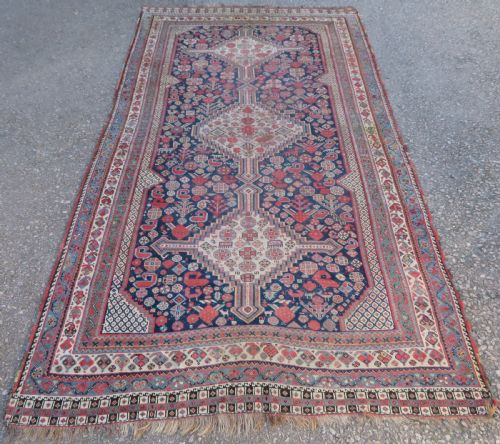
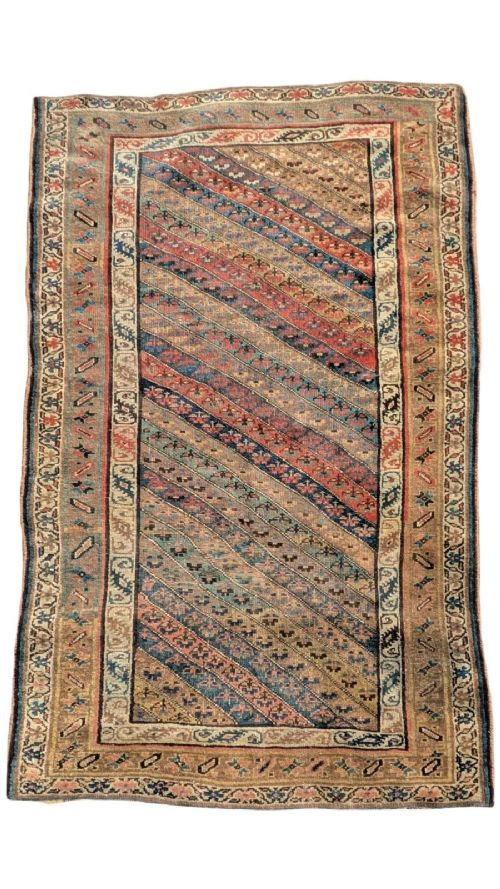
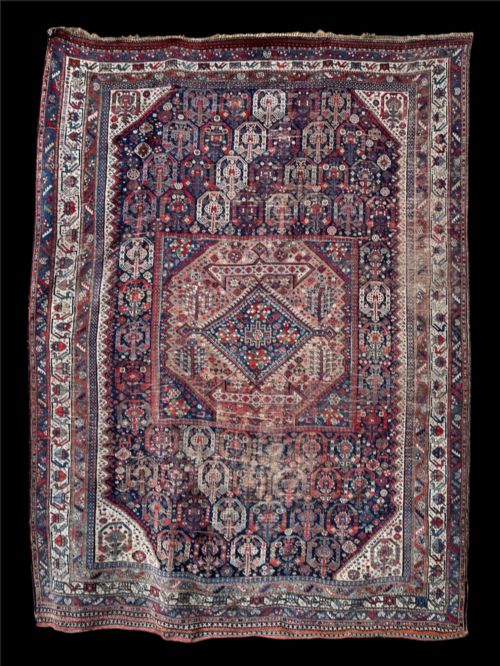
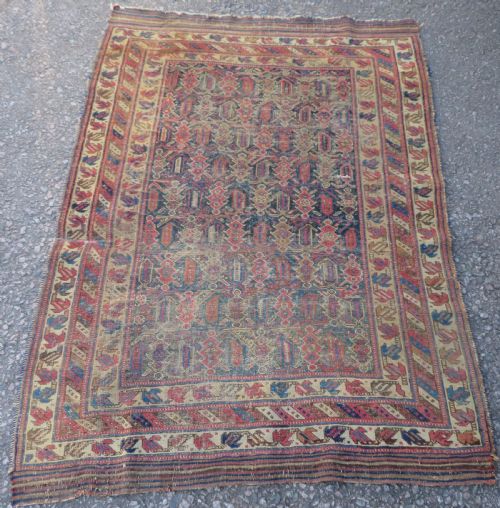
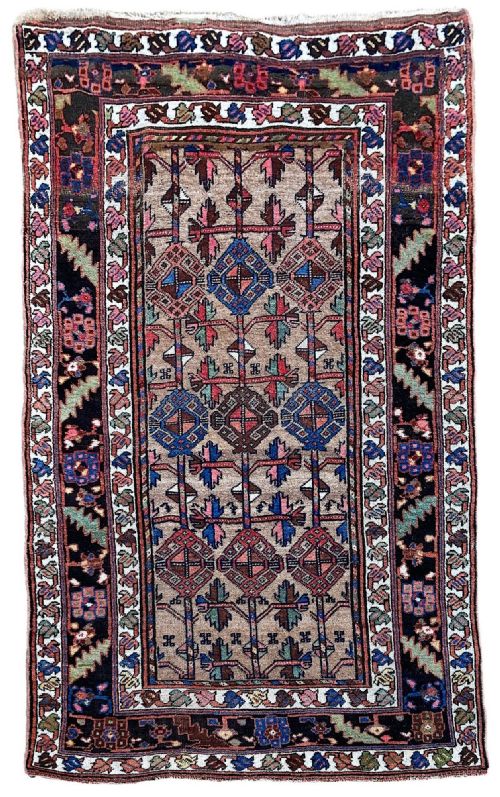
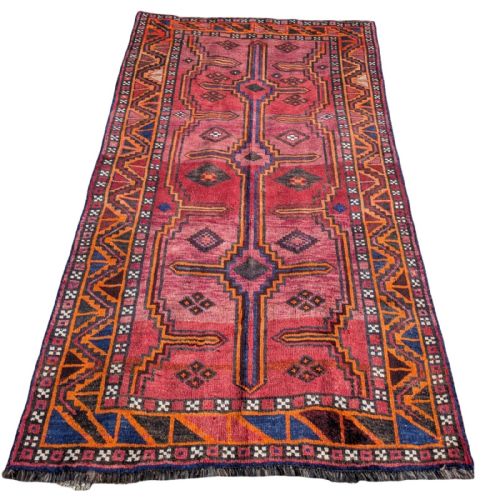
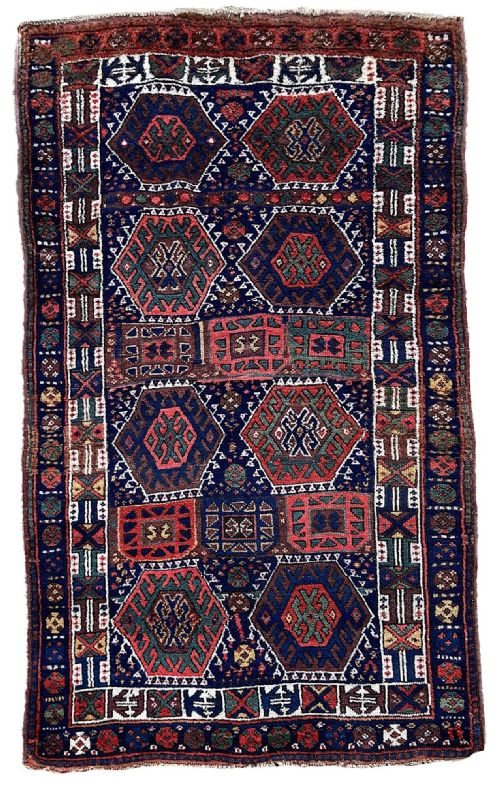
A nomadic hand woven runner is a linear floor covering created by tribal and village weavers across Persia, the Caucasus, and Central Asia. These textiles were produced for utilitarian use within encampments and rural homes, translating local folklore and tribal identity into geometric designs.
The pieces available typically date from the late nineteenth century through to the early decades of the twentieth century. They encompass tribal groups such as the Baluch, Kurdish, Khamseh, and Afshar, reflecting the diverse weaving traditions of these regions.
While many survive as broader carpets or square rugs, the specific narrow format functions practically in corridors and narrow spaces. Each item displays distinct regional characteristics in border arrangements and field medallion structures.
Materials and construction
These textiles rely primarily on hand-spun wool for the pile, providing both resilience and a rich tactile surface. Cotton and occasionally goat hair appear in the foundations and selvedges to ensure structural stability.
Weavers utilised natural dyes derived from local plants and minerals to colour the wool. This traditional dyeing method produces subtle tonal variations within single fields of colour over time.
The listings span from the 1870s to the 1930s, featuring wool, cotton, and natural dye materials across various tribal forms.
Assessing quality and execution
Quality rests upon the tightness of the weave and the precision of the knotting. Finer execution allows complex geometric motifs and gul designs to render with sharp definition.
The depth and integrity of the natural dyes separate standard utility pieces from exceptional examples. Deeper saturation and harmonious colour palettes indicate careful preparation and dyeing of the wool.
The Nomadic Hand Woven Runner Glossary
- Gul
- A medallion pattern or floral motif frequently repeated across Turkmen and tribal carpets. It serves as a primary design element for identifying specific tribal origins.
- Pushti
- A small mat or rug designed for fractional floor space or cushion use. These smaller formats often duplicate the full structural complexity of larger tribal carpets.
- Mina Khani
- An all-over pattern composed of daisy-like flowers linked by curved vines. This repeating lattice motif appears frequently in Persian and Baluch village weaving.
- Seh Mihrab
- A prayer rug design featuring three arched niches at the head of the field. This specific architectural format relates to directional Islamic prayer customs.
Nomadic Hand Woven Runner: Frequently Asked Questions
What is a nomadic hand woven runner?
A nomadic hand woven runner is a narrow, elongated textile produced by tribal weavers for practical floor use. These pieces utilise traditional hand-spun wool and natural dyes to form geometric and medallion patterns.
Their origins span nineteenth and early twentieth-century tribal groups across Central Asia and the Middle East. Each rug reflects the specific visual vocabulary of the weavers who created it.
How do I care for an old wool runner?
Regular gentle vacuuming without a beater bar prevents dust accumulation within the wool pile. Professional cleaning suited for antique textiles preserves the natural lanolin and dyes.
Placing a breathable underlay beneath the runner reduces friction against hard flooring. This simple step protects the hand-spun foundation threads from excessive wear.
How can I tell tribal groups apart?
Tribal attribution relies on specific combinations of knotting structures, colour palettes, and repeating motifs such as guls or box medallions. Baluch rugs often feature darker indigo and brown tones with camel hair accents, whereas Kurdish examples display bolder geometric fields.
Border patterns and edge finishes also provide clues to regional provenance. Comparing these structural elements against documented village styles helps narrow down the origin.
Where were these runners used?
Original owners placed these textiles inside nomadic tents, village homes, and rural dwellings for insulation and daily living. Their narrow proportions suited tent interiors and domestic corridors.
Today, they serve a similar functional role in modern hallways and staircases. Their durable wool construction withstands regular foot traffic while adding historic texture to interiors.