



Kurdish Tribal Carpet Runner
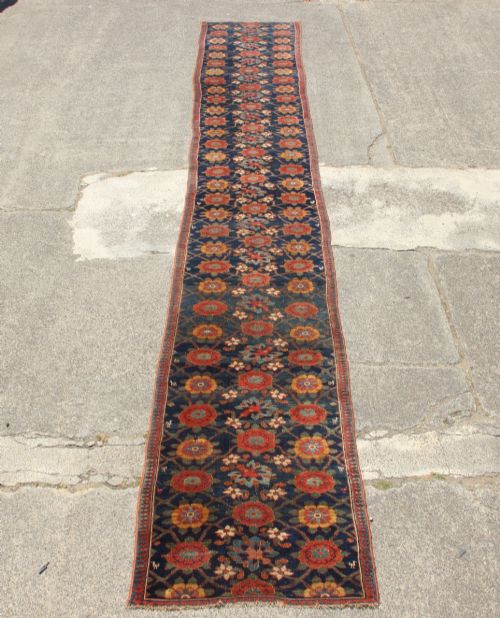
A kurdish tribal carpet runner brings heavy wool floor coverings woven by nomadic and village weavers across nineteenth and early twentieth century Persia and Anatolia into your hallway.
Kurdish Tribal Carpet Runner
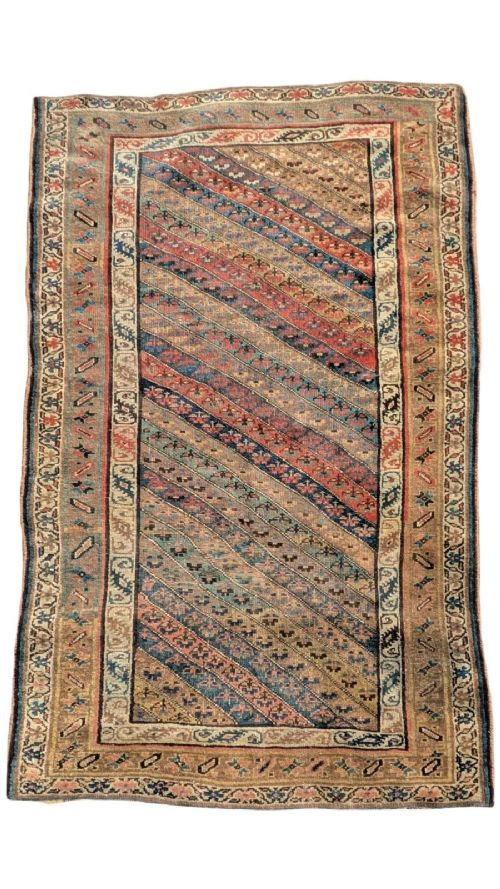
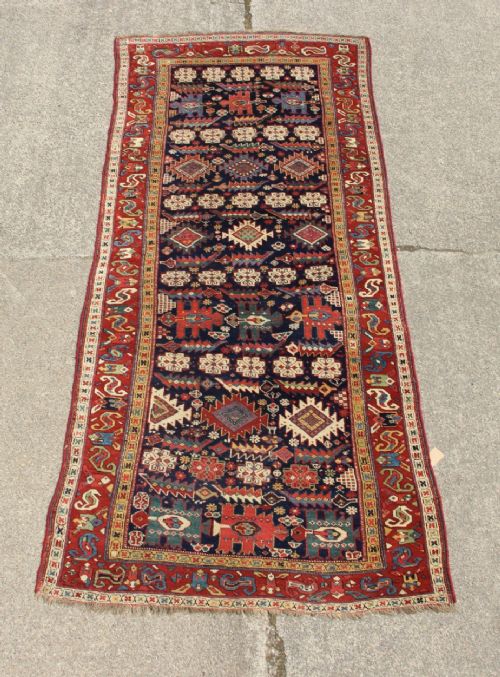
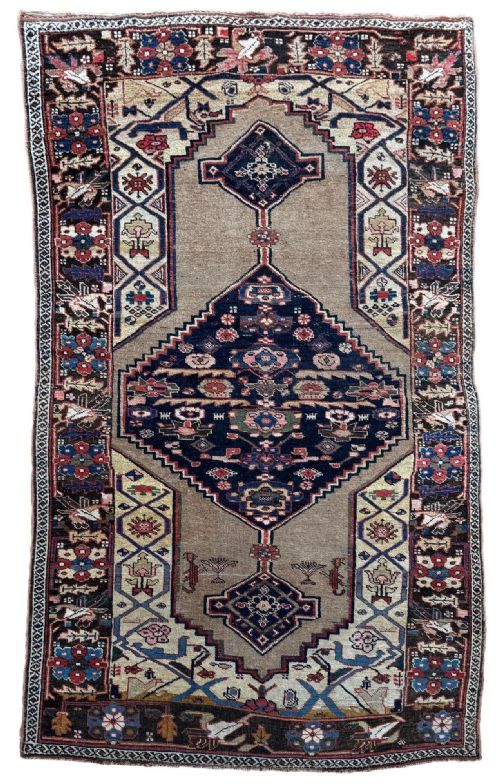
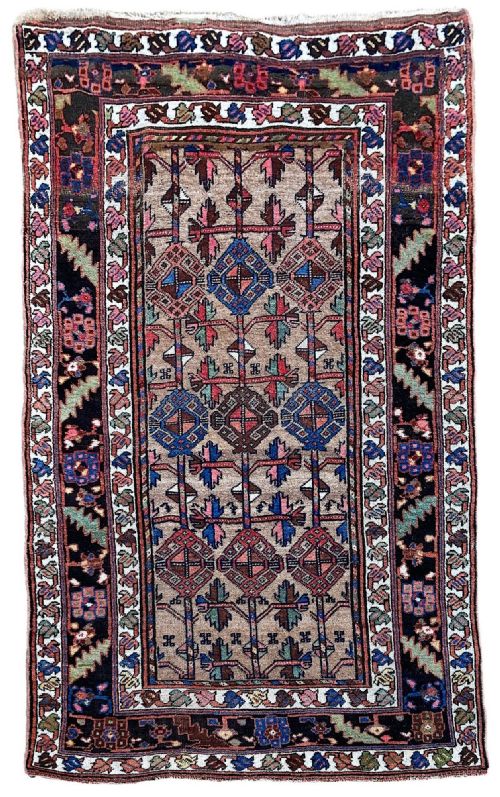
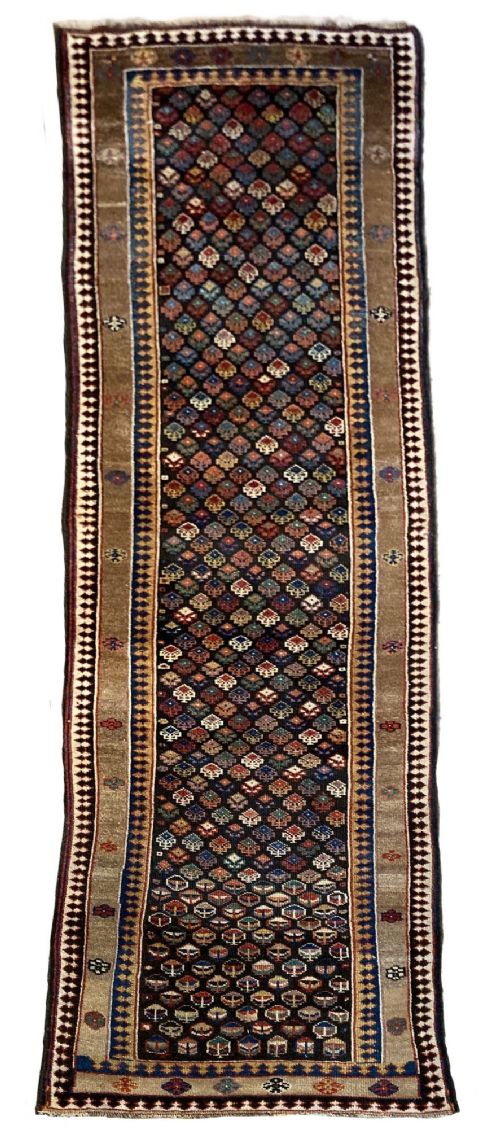
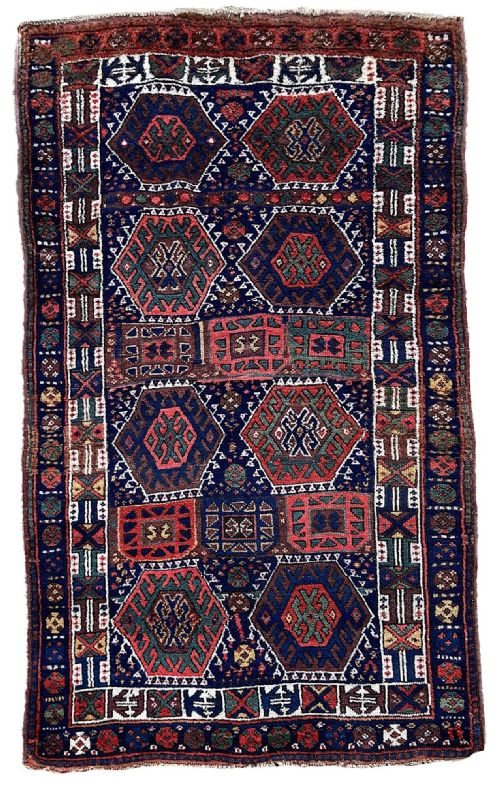
When you search for a kurdish tribal carpet runner, you are looking at elongated floor coverings woven in village and tribal workshops, most frequently appearing from the nineteenth and early twentieth centuries. These pieces span formats from narrow hallway runners to expansive kelleh carpets, originating from regions including Bidjar, Hamadan, Quchan, and Senneh.
The selections on this page demonstrate the varied weaving traditions of Kurdish makers, encompassing both long corridor formats and compact area rugs. They reflect regional design vocabularies ranging from geometric repeat motifs to intricate shrub patterns on yellow grounds.
Materials and technique
These floor coverings are constructed primarily from wool and cotton foundations, utilising hand-spun wool for the pile to create resilience underfoot. Natural dyes provide the colour palette, yielding rich hues that age steadily across decades of use.
Weavers employed traditional knotting techniques on vertical looms, building dense structures designed to withstand heavy traffic in country houses and domestic interiors.
Several runners stretch past six metres in length, designed to warm the draughtiest of Victorian corridors.
What varies in quality
Quality in these textiles rests upon the density of the wool pile and the precision of the knotting, which dictates how sharply the geometric and floral motifs are rendered. Finer examples display meticulous execution in complex designs such as the Mina Khani pattern or structured shrub layouts.
The integrity of the foundation warps and the preservation of original edge finishes also distinguish superior pieces. A balanced scale and saturated natural dyes elevate certain examples above standard village production.
The Kurdish Tribal Carpet Runner Glossary
- Kelleh
- A large format carpet, typically longer than a standard rug but broader than a runner, suited to substantial rooms.
- Mina Khani
- A traditional repeating pattern of geometric flowers connected by lattice lines, common in Persian weaving.
- Bidjar
- A Persian weaving centre known for heavy, dense foundations and robust construction.
- Senneh
- A town associated with finely knotted rugs and distinctive geometric or herati field designs.
- Gul
- A medallion or repeating octagonal motif used extensively in tribal and oriental carpet design.
Kurdish Tribal Carpet Runner: Frequently Asked Questions
Where should I place a long runner?
These narrow formats work best in hallways, corridors, and long entryways where floor traffic requires a durable textile. Their elongated proportions frame walking spaces effectively.
Ensure you use an appropriate underlay to keep the piece stable on hard flooring and prevent sliding during daily use.
How do I clean an old wool runner?
Gentle surface brushing and careful vacuuming without a rotating beater bar help maintain the wool pile. Professional specialist cleaning is recommended for deeper maintenance.
Avoid soaking the natural foundation or exposing the natural dyes to harsh chemical detergents.
How are different regional styles identified?
Distinctions rely on structural characteristics, knot density, and specific design motifs such as Memlinc guls or shrub layouts. Bidjar pieces often present heavier foundations, while Senneh examples tend toward finer execution.
Comparing edge finishes and wool preparation helps connect individual pieces to their Anatolian or Persian origins.
Do these runners suit modern interiors?
The geometric designs and earthy tones from natural dyes integrate easily into contemporary spaces, providing texture and warmth. Their history brings a distinct anchor to minimalist or traditional rooms alike.
Placing them over wooden floorboards highlights their craftsmanship and softens hard architectural lines.