



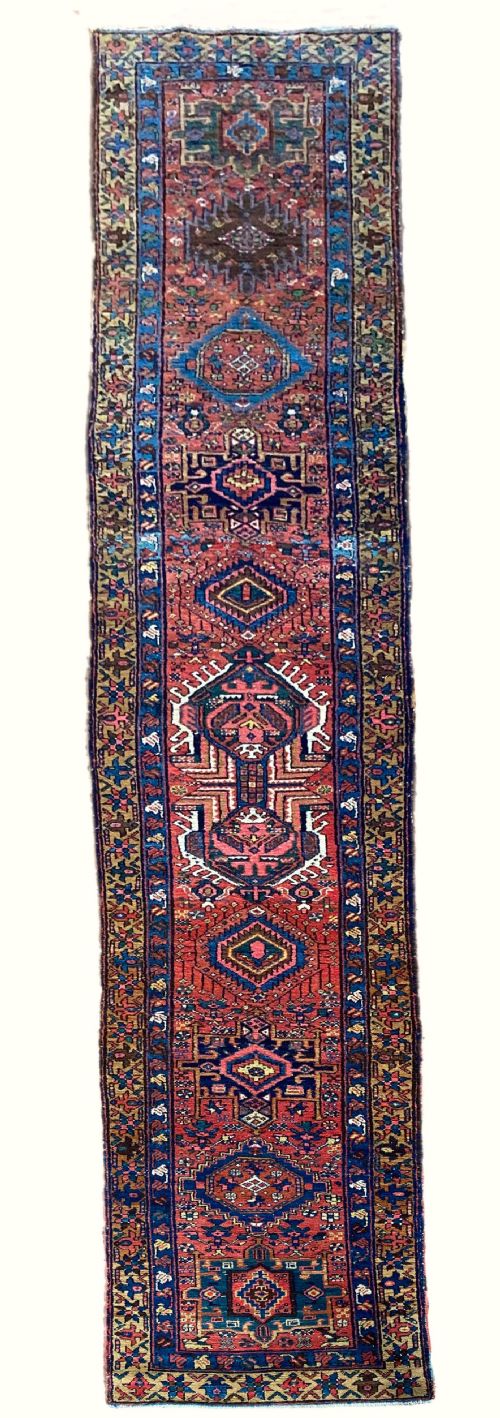
Tribal Wool Passage Runner
A tribal wool passage runner brings long, narrow warmth to corridors, weaving together historic Caucasian and Persian designs from the nineteenth and early twentieth centuries.
Tribal Wool Passage Runner
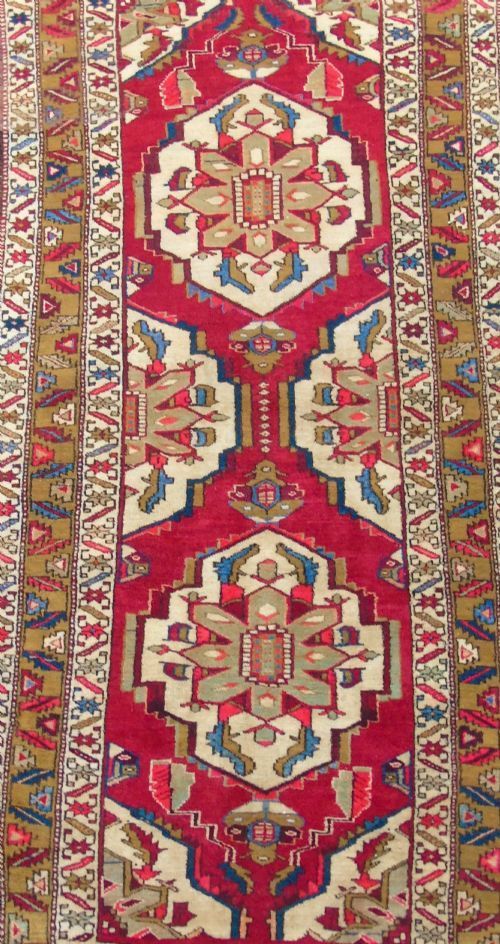
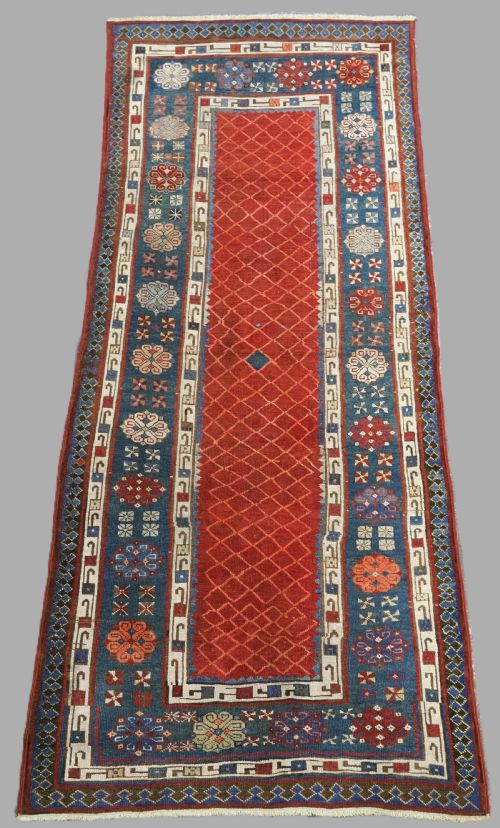
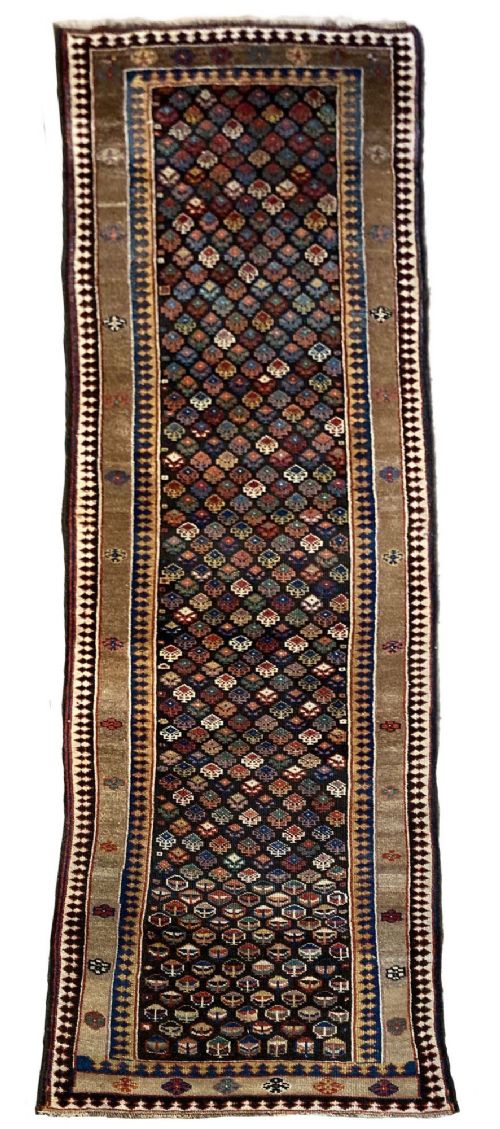
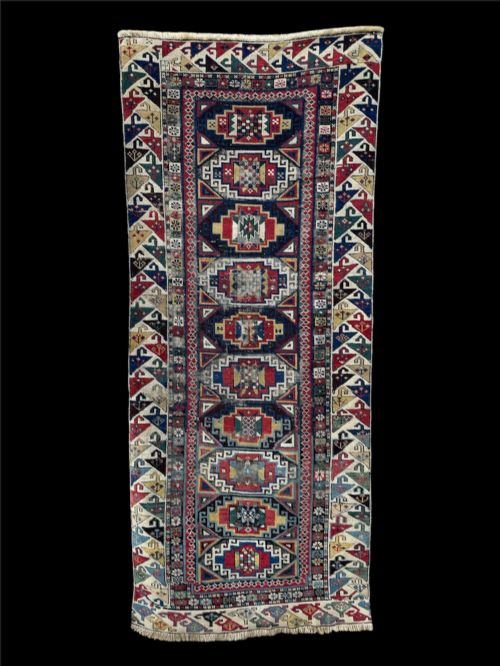
A tribal wool passage runner is a long, narrow floor covering designed specifically for hallways and corridors. When searching for a tribal wool passage runner, buyers encounter pieces originating from Caucasian and Persian weaving traditions, including Heriz, Kurdish, and Shirvan regions.
The selections on this page span from the late nineteenth century through to the early decades of the twentieth century. These textiles served practical purposes in homes, protecting high-traffic corridors while displaying traditional geometric and floral motifs.
Most examples take the form of elongated rectangles, ranging from compact lengths to exceptionally long formats. They showcase regional styles such as Talish, Karaja, and Bidjar, providing authentic historic character for narrow spaces.
Materials and construction methods
These pieces are constructed primarily from wool, utilising the natural resilience and warmth of animal fleece for the pile and structure. Cotton often appears alongside wool, providing stable foundations and structural support for the woven designs.
Weavers knotted the wool pile onto sturdy warp and weft foundations by hand, creating dense surfaces designed to endure generations of foot traffic. Natural dyes provided the deep blue, ivory, and olive green background colours recorded across the regional pieces.
Tribal Wool Passage Runner Retail Price Guide 2026
Typical asking prices for tribal wool passage runner among the pieces listed under this phrase on Sellingantiques today, from the lower quarter to the upper quarter. They describe what is for sale here now, not the wider market.
Materials recorded across the available items consist entirely of wool and cotton.
Factors determining quality
Quality in these textiles rests upon the density of the knotting and the crispness of the geometric or garden designs. Tighter weaves allow intricate patterns such as lattice work and diagonal stripes to remain sharp and well-defined.
The preservation of the wool pile directly influences the character of each piece. Full pile condition and clear, saturated ground colours distinguish the finest examples from those with heavy wear.
The Tribal Wool Passage Runner Glossary
- Runner
- A long, narrow carpet format intended for corridors, hallways, and stairs. These pieces balance length with restricted width to fit transitional spaces.
- Pile
- The vertical or diagonal loops of yarn that form the soft surface of a rug. It is created during the knotting process on the loom.
- Warp
- The stationary longitudinal threads stretched on a loom before weaving begins. Weft threads are passed through these to secure the knots.
- Boteh
- An almond-shaped or paisley motif representing a floral sprout or cypress tree. This traditional symbol appears frequently in Persian and Caucasian weaving.
- Heriz
- A region in northwest Persia known for bold, geometric medallion designs and durable construction. Rugs from this area typically feature sturdy wool and robust foundations.
Tribal Wool Passage Runner: Frequently Asked Questions
Where should I place a runner?
These long formats suit hallways, corridors, and narrow passageways where floor covering softens footsteps. They add warmth and historical character to transition spaces.
They also function effectively in long entryways or galley kitchens, providing a durable floor surface that handles daily movement.
How do I clean an old wool runner?
Gentle surface vacuuming without the beater bar removes loose dust and grit from the wool pile. Regular rotation ensures even wear across high-traffic areas.
Professional textile cleaning is recommended for deeper maintenance to protect the natural dyes and wool fibres.
How can I tell regions apart?
Caucasian pieces often display crisp geometric lattices, stars, and diagonal stripes with clear primary colours. Persian examples frequently incorporate structured medallions, boteh motifs, and floral elements.
Examining the knotting style and colour palette helps identify specific weaving districts such as Shirvan, Heriz, or Kurdish regions.
Are these runners durable?
Hand-knotted wool construction provides natural resilience against heavy foot traffic in corridors. The dense fleece absorbs pressure while maintaining its structural integrity over decades.
Proper underlay placement further reduces friction and movement, helping protect the historic foundation threads from premature wear.