







Authentic Tribal Wool Runner
An authentic tribal wool runner brings enduring nomadic character to a hallway through geometric motifs and rich, weathered tones.
Authentic Tribal Wool Runner
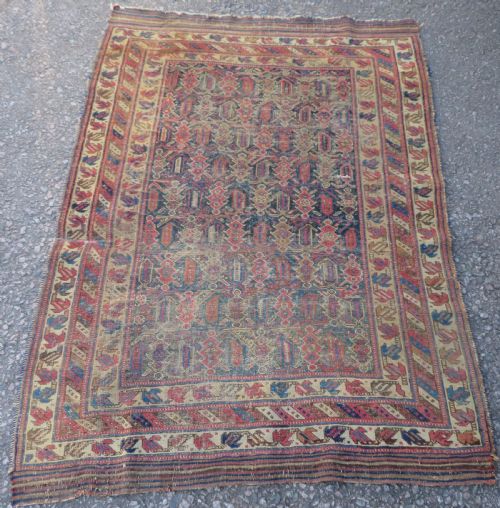
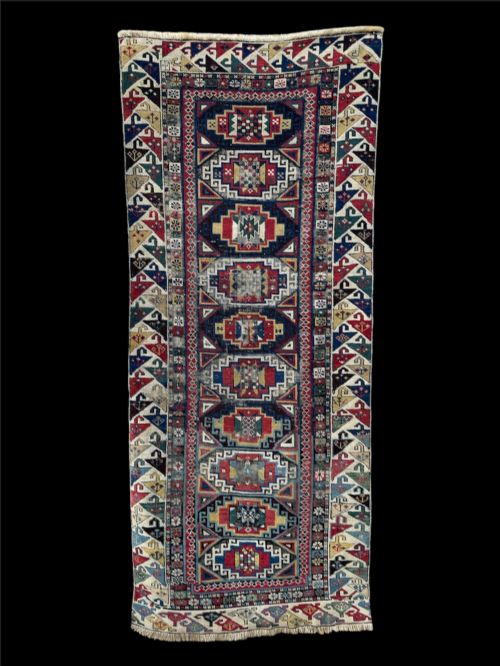
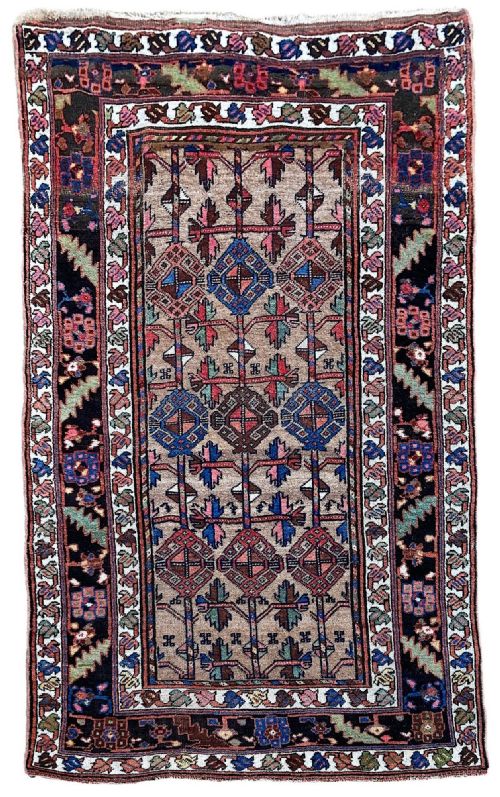
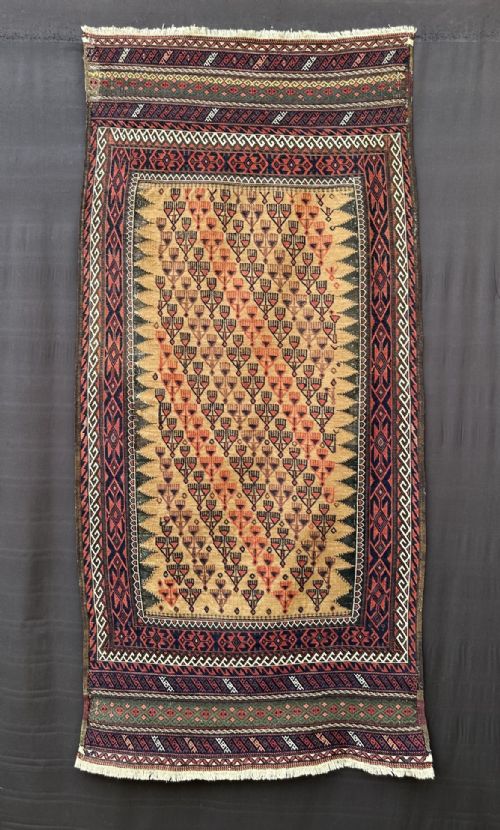
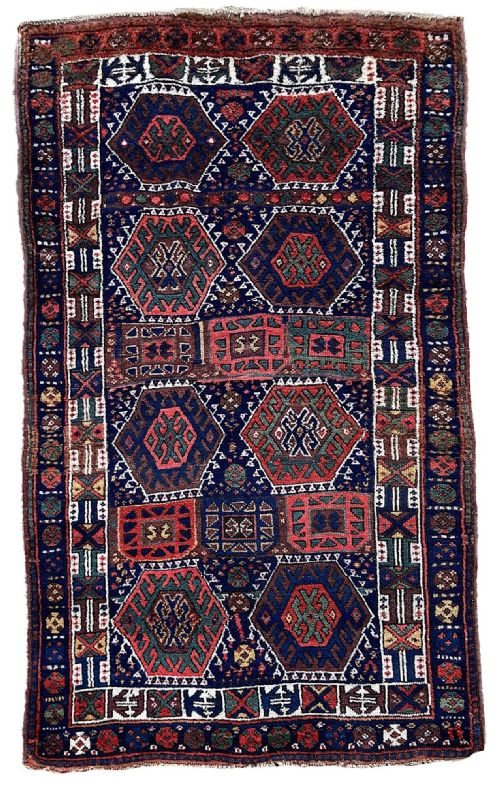
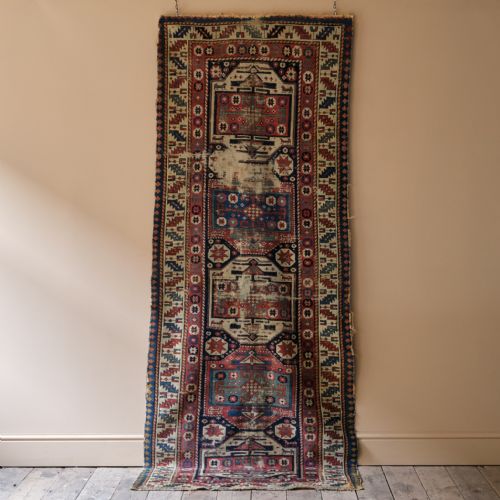
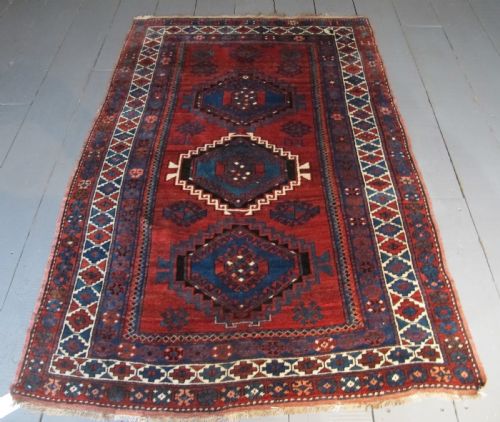
An authentic tribal wool runner is a long, narrow textile woven by nomadic and village weavers across Persia, the Caucasus, and Anatolia during the nineteenth and early twentieth centuries. These floor coverings served functional purposes in tribal tents and village homes, featuring repeating geometric medallions, stylised animals, and tribal symbols unique to specific weaving groups.
Buyers browsing this selection encounter nineteenth-century and early twentieth-century examples attributed to Kurdish, Kazak, Shirvan, and Bakhtiar makers. The formats vary from narrow gallery runners exceeding five metres in length to more compact village formats.
Regional designs distinguish these textiles, with Caucasian pieces showing sharp geometric polygons and Anatolian or Persian examples displaying deeper indigo grounds and intricate border guards.
What varies in quality
Quality in these runners rests upon the density of the knotting, the handling of the natural dyes, and the integrity of the original selvedges and ends. Superior examples maintain balanced proportions, crisp geometry in the field motifs, and a supple handle resulting from high-grade lanolin-rich wool.
Wear and historical repairs alter the character of individual pieces, where professional restoration preserves structural stability while retaining the authentic patina valued by collectors.
Regional attributions on this page include Caucasian, Persian, Anatolian, Kurdish, Kazak, and Shirvan tribal traditions.
The Authentic Tribal Wool Runner Glossary
- Runner
- A long, narrow carpet format traditionally used in corridors, hallways, or alongside larger furniture. These pieces require specific proportions to fit narrow spaces.
- Natural Dyes
- Colourants extracted from organic sources such as madder root, indigo, and walnut husks. They create complex, nuanced shades that develop a desirable patina over time.
- Hand-Spun Wool
- Sheep fleece processed by hand into yarn using a drop spindle or simple wheel. This method preserves natural lanolin and produces irregular yarn thicknesses that add texture to the pile.
- Sofreh
- A flatwoven or piled cloth used traditionally for dining or food preparation among nomadic tribes. These textiles often feature minimalist tribal symbols and utilitarian formats.
- Cicim
- A supplementary weft-float embroidery technique applied to flatwoven textiles to create raised geometric patterns. It demands considerable skill from the weaver.
Authentic Tribal Wool Runner: Frequently Asked Questions
How do I clean an old wool runner?
Gentle surface brushing and regular low-suction vacuuming remove loose dust without stressing fragile antique foundations.
Professional specialist washing remains essential for deep cleaning to protect natural dye stability.
Can I place these runners in high-traffic hallways?
Robust wool construction and dense knotting allow these runners to withstand normal domestic footfall in corridors.
Using a quality underlay prevents slipping and cushions the foundation against hard flooring.
How do I identify a Kazak from a Kurdish runner?
Kazak pieces from the Caucasus typically display bold, primary-coloured geometric medallions with open fields and hooked motifs.
Kurdish runners often feature denser all-over repeating patterns, darker indigo grounds, and narrower formats.
What does natural dye mean for colour?
Organic colourants produce subtle tonal variations known as abrash, where the shade shifts gently across the rows of knots.
These dyes mature gracefully in sunlight, avoiding the harsh fading common in synthetic chemical alternatives.