
Nineteenth Century Writing Table
A nineteenth century writing table is a practical workspace built for correspondence, combining cabinetmaking skill with period materials to anchor a study.
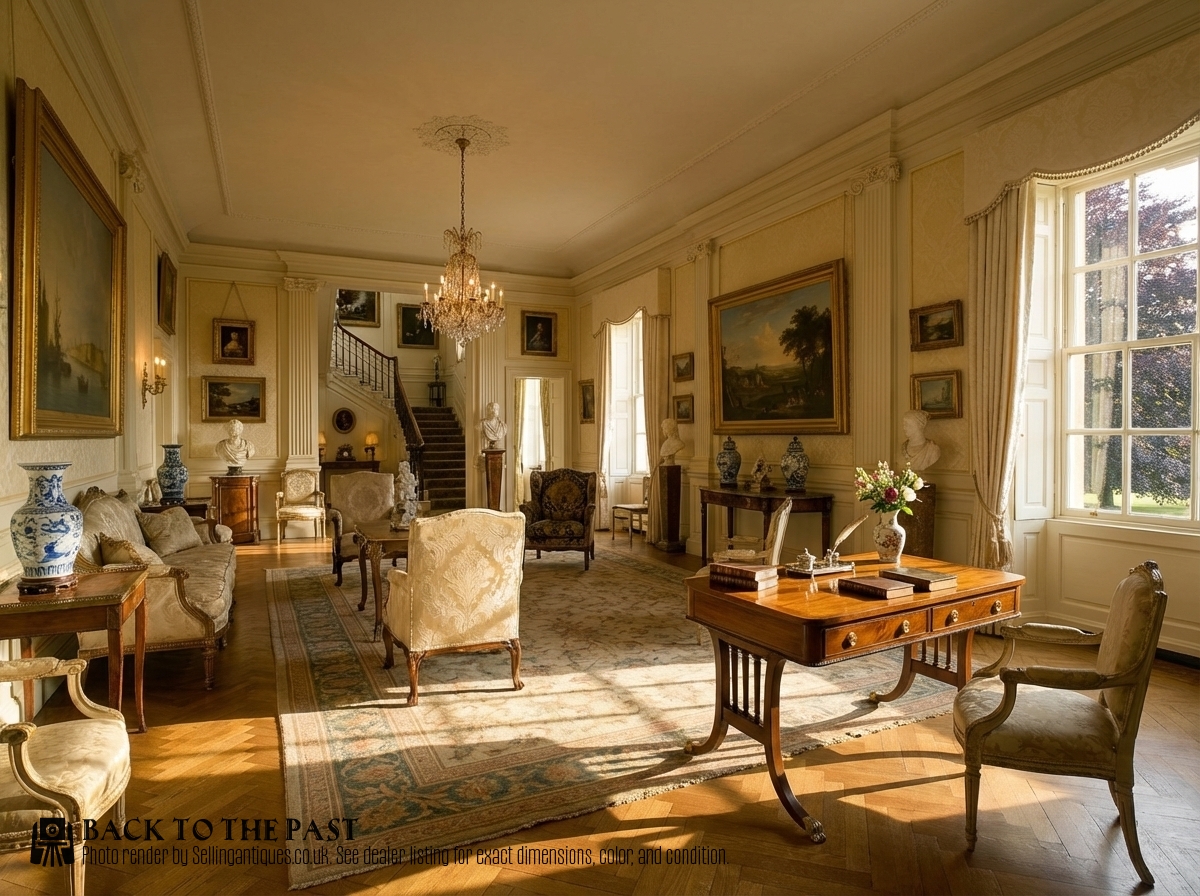
Nineteenth Century Writing Table
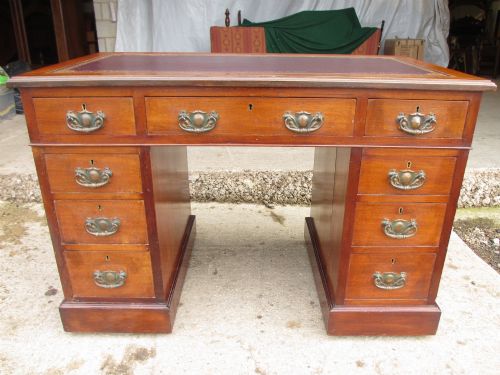
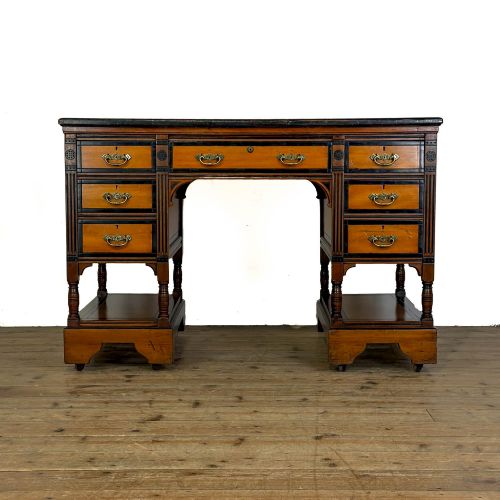
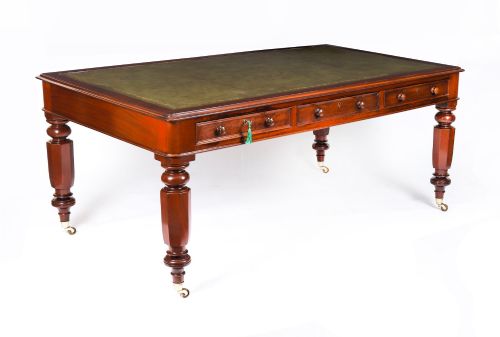
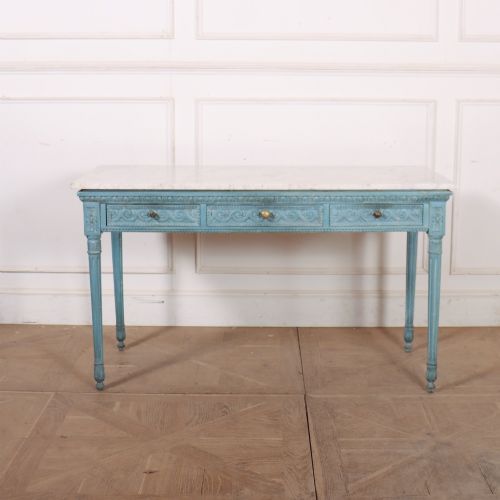
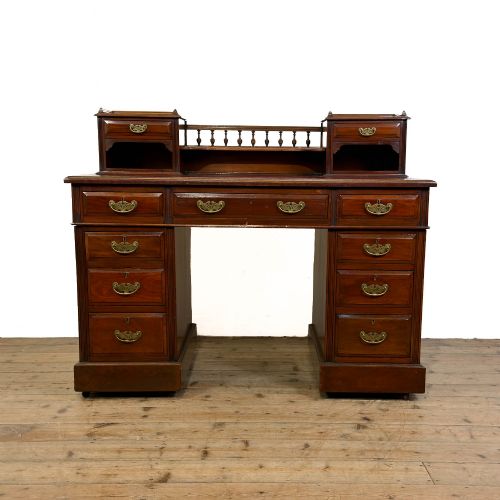
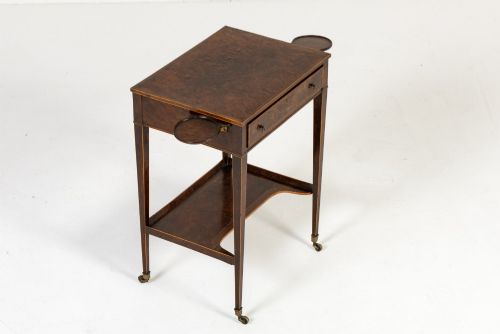
When searching for a nineteenth century writing table, buyers encounter a diverse selection of furniture spanning the Victorian and Regency periods, alongside French and Italian revivals. The listings here encompass traditional pedestal desks, partners desks, and compact writing tables designed for domestic studies and libraries.
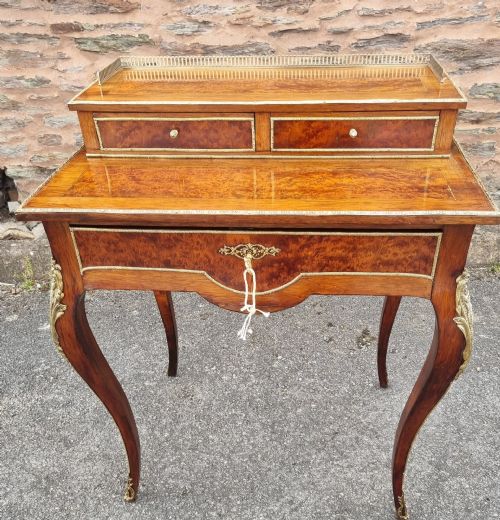
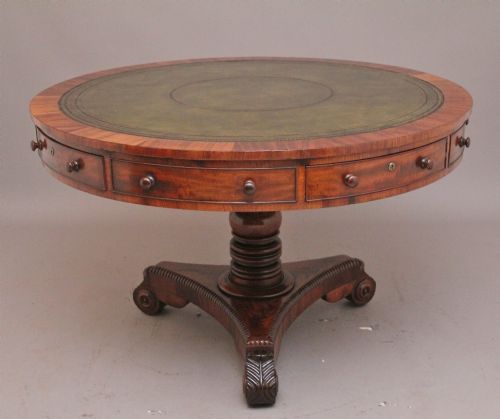
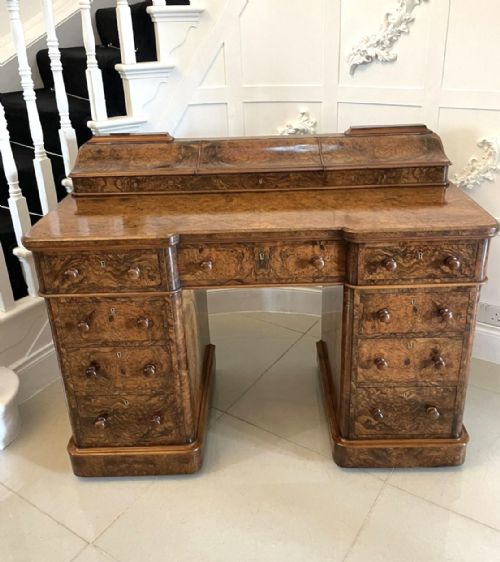
Forms range from simple mahogany or oak writing tables to elaborate rosewood and burr walnut pedestal desks fitted with tooled leather writing surfaces. Specialised pieces such as drum tables, bonheur du jour cabinets, and sofa tables also appear frequently across these nineteenth century examples.
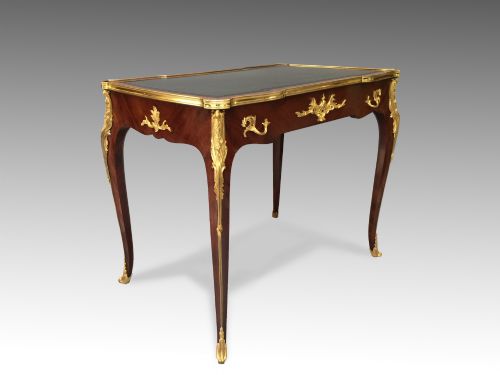
Origins vary from English workshops to French cabinetmakers utilising kingwood, amboyna, and ormolu mounts. Buyers find everything from utilitarian oak office desks to highly decorative satinwood and porcelain-plaques-inlaid pieces.
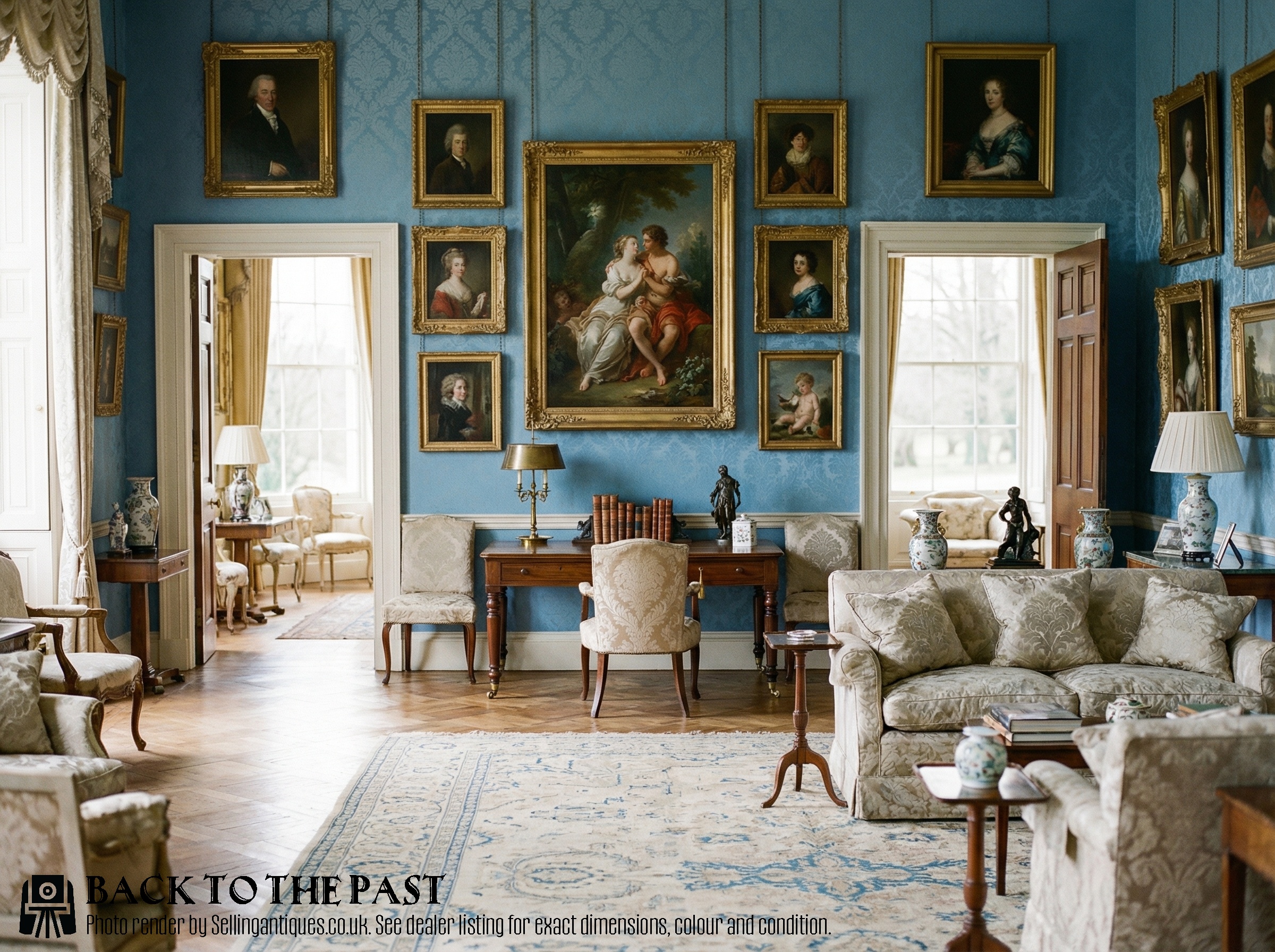
How they were made
Cabinetmakers constructed these tables using dense hardwoods including mahogany, walnut, rosewood, and oak, often applying figured veneers such as burr walnut, flame mahogany, and kingwood to primary surfaces. Secondary structural elements relied on sturdy timber framing designed to support heavy use.
Surface decoration frequently incorporated cast ormolu mounts, brass details, and hand-tooled leather writing inserts finished with gilt borders. More elaborate French and English pieces featured marquetry, porcelain plaques, and ebonised detailing.
Nineteenth Century Writing Table Retail Price Guide 2026
Typical asking prices for nineteenth century writing table among the pieces listed under this phrase on Sellingantiques today, from the lower quarter to the upper quarter. They describe what is for sale here now, not the wider market.
The listings show diverse materials including mahogany, satinwood, amboyna, burr walnut, and ormolu mounts across the nineteenth century.
What varies in quality
The standard of a nineteenth century writing table depends heavily on the choice of timber figure and the precision of the cabinet work, such as closely fitted drawer linings and seamless veneer matching. Superior examples display restrained, harmonious proportions and crisp carving rather than excessive ornamentation.
Makership elevates certain pieces significantly, with labeled or attributed works by prominent firms commanding greater attention due to their documented provenance and exceptional execution. The quality of secondary materials, from heavy brass hardware to fine leather working, distinguishes standard production furniture from high-end library pieces.
François Linke·Edwards and Roberts·Hobbs and Co·Maple and Co·James Mein Kelso·Gillows
The Nineteenth Century Writing Table Glossary
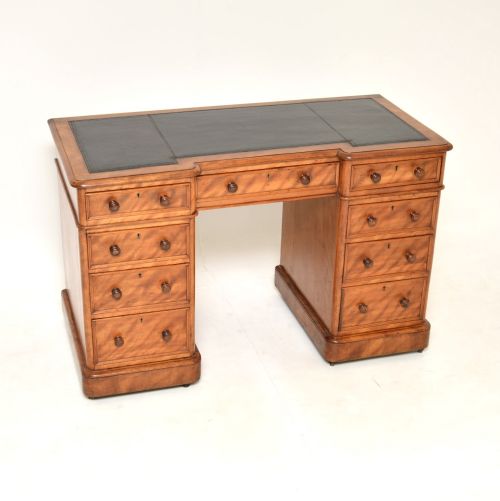
- Pedestal desk
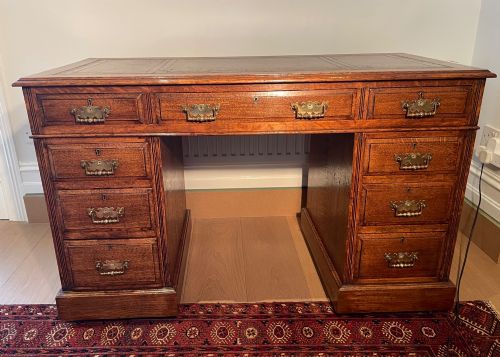
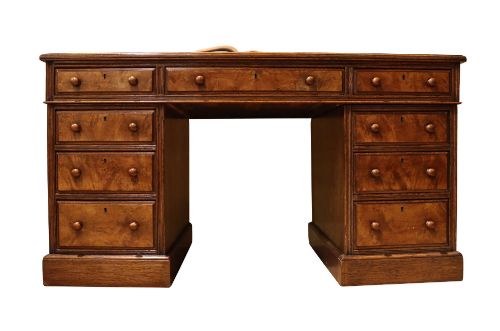
- A large freestanding desk comprising two banks of drawers supporting a top surface, frequently finished with a leather insert. These heavy pieces formed the centrepiece of nineteenth century studies.
- Partners desk
- A double-sided variation of the pedestal desk allowing two people to work opposite one another simultaneously. They typically feature drawers and cupboards on both long sides.
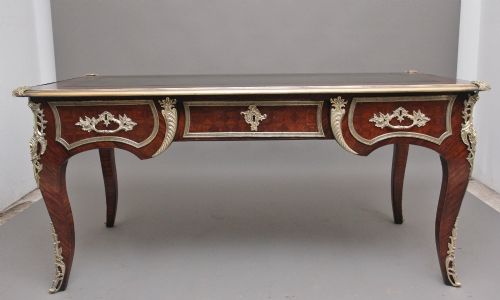
- Ormolu
- Gilt-bronze ornamentation cast and chased by hand, applied to the corners, friezes, and legs of fine French and English tables. This decorative metalwork adds architectural definition to the timber.
- Bonheur du jour
- A small, light ladies writing desk featuring a tiered superstructure with compartments and small drawers above the main writing surface. They emerged during the eighteenth century and remained popular in nineteenth century revivals.
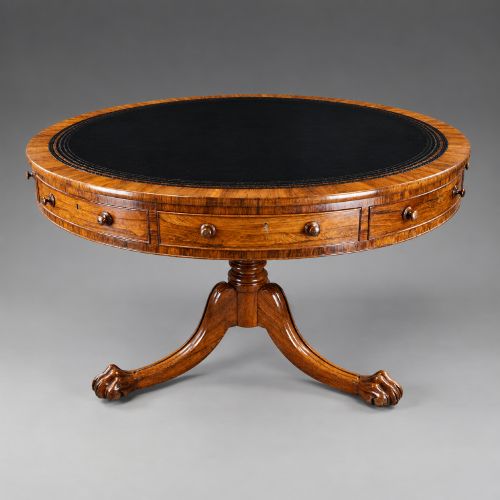
- Drum table
- A circular library table containing a deep frieze of alternating real and dummy drawers beneath a revolving top. Their distinct shape allowed them to sit centrally in a room.
Nineteenth Century Writing Table: Frequently Asked Questions
What is a partners desk?
A partners desk is a large pedestal desk featuring drawers and cupboards on both sides, designed so two people could work opposite each other. These substantial pieces were traditionally used in libraries, banking halls, and grand offices.
They offer generous workspace and storage, making them a practical choice for modern home offices where multiple people need access to a central surface.
How do I tell a Victorian desk from a Regency one?
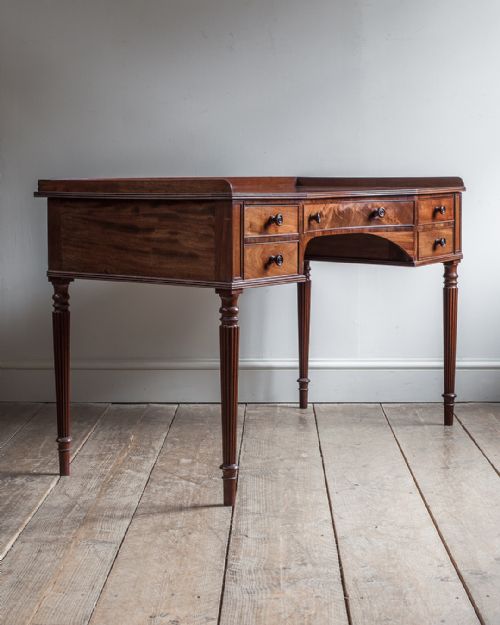
Regency tables, dating from the early nineteenth century, typically exhibit cleaner architectural lines, classical brass inlays, and lighter mahogany or rosewood timbers influenced by ancient Greek and Roman styles. Victorian examples often showcase heavier proportions, darker walnut or oak construction, and exuberant revival ornamentation.
Examining the secondary woods inside the drawers and the style of the brass hardware helps confirm the specific period of manufacture.
What is a bonheur du jour?
A bonheur du jour is a small, elegant writing desk featuring an upper cabinet with pigeonholes and tiny drawers mounted on the work surface. Wealthy Victorians utilised them primarily for light correspondence in private sitting rooms.
Their compact footprints and decorative veneers, such as kingwood and amboyna, make them versatile statement pieces in contemporary drawing rooms.