
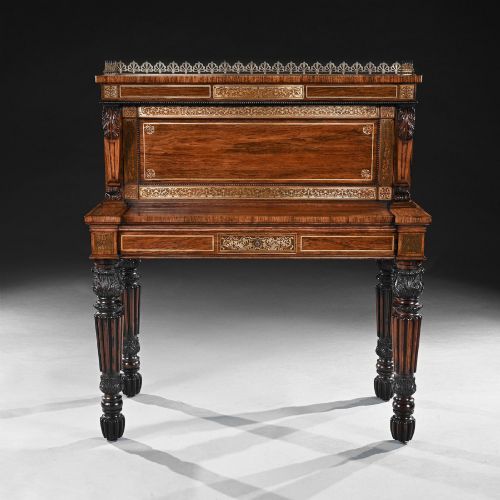

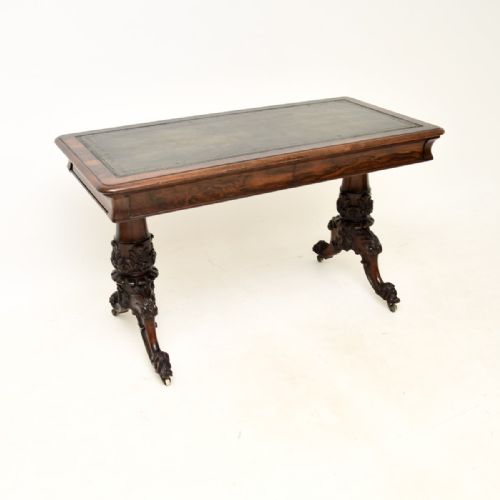
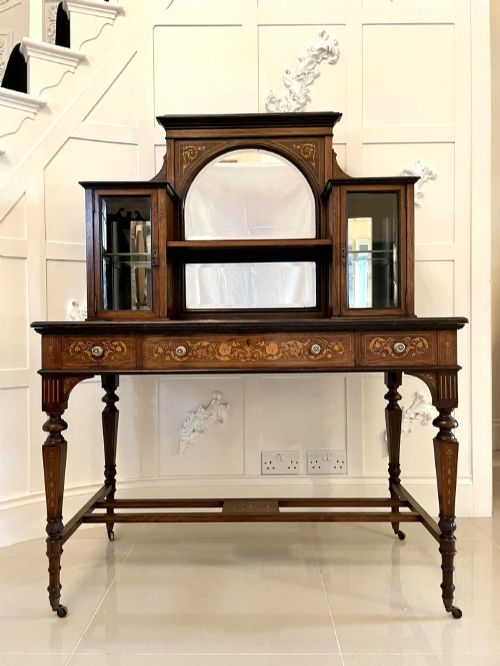
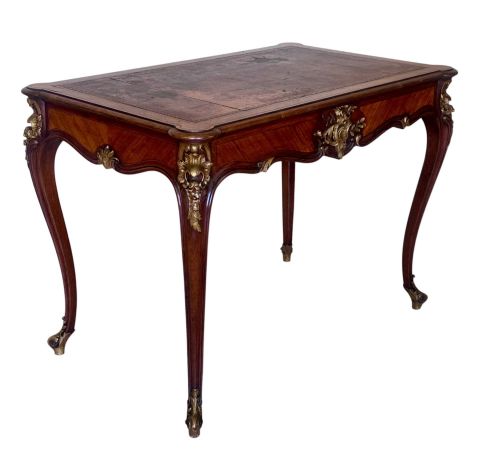



Rosewood Study Table
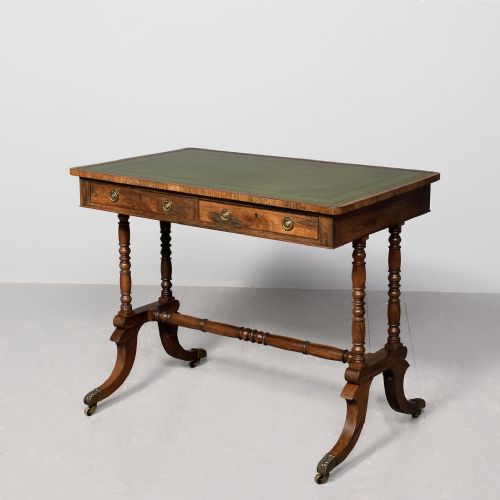
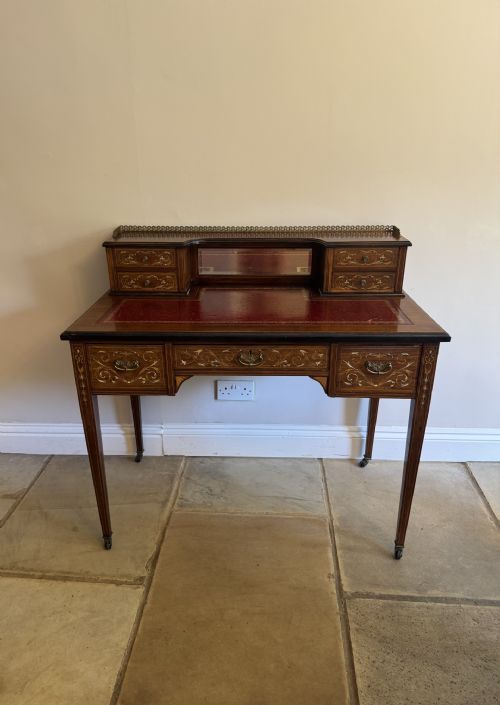
These rosewood study table examples are substantial writing pieces that bring rich timber grain and period presence to a room.
What these tables are
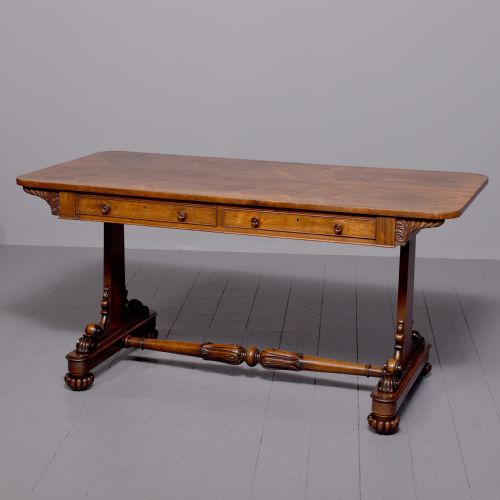
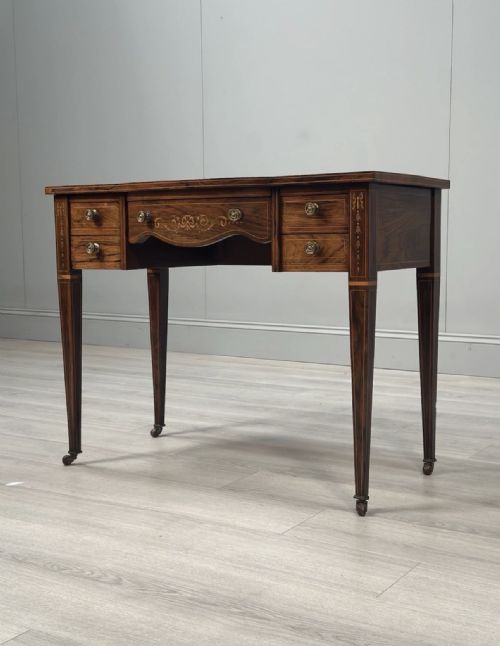
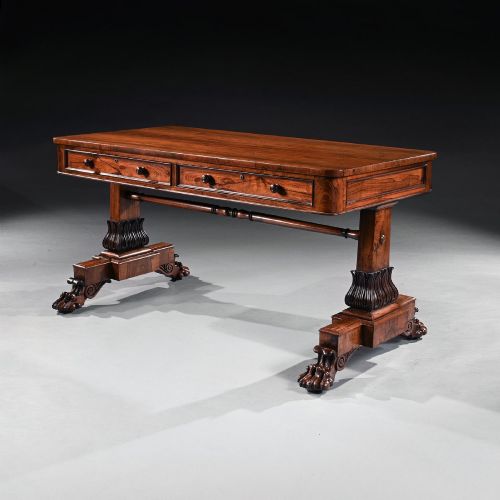
A rosewood study table is a dedicated writing desk or library table built to serve as a functional workstation in a domestic or institutional interior. The pieces that appear in these listings span several distinct nineteenth-century styles, including Regency, William IV, Sheraton Revival and Victorian iterations.
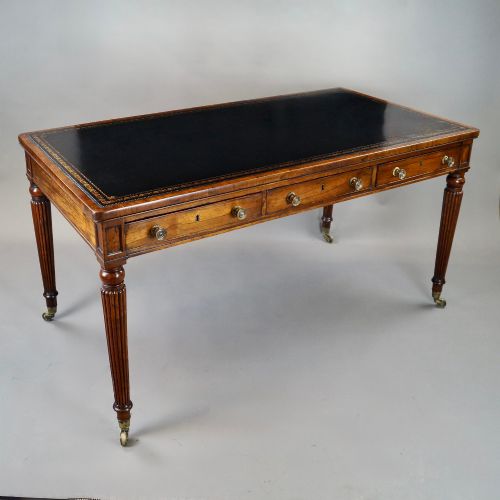
Most examples function primarily as writing tables or library desks, often fitted with inset leather tops and useful drawers for papers. They range from pedestal forms to freestanding library tables supported on turned or carved bases.
Origins stretch across the nineteenth century, with specific dates recorded from around eighteen hundred through to eighteen seventy. Buyers encounter both compact side tables and grander pedestal desks designed to anchor a study.
How they were made
Makers utilised dense rosewood timber for its dark, heavily figured grain, frequently selecting highly decorative veneers for the primary surfaces. Brass hardware, including castors and drawer pulls, appears regularly alongside fitted leather writing inserts.
Construction methods rely on traditional joinery techniques suited to heavy hardwoods, creating sturdy carcases for regular daily use. Timber selection dictates the visual impact of each piece, contrasting figured rosewood surfaces with subtle grain patterns elsewhere.
Retail Price Guide 2026
Typical UK retail prices for rosewood study table, calculated from the Sellingantiques database of over a million retail prices indexed since 2003. This retail price guide relies exclusively on Sellingantiques data; no external sources or auction records are used, so the figures do not describe the wider market.
Current listings and past archives feature rosewood study tables spanning the nineteenth century, incorporating brass and leather elements.
What varies in quality
Quality rests principally in the selection and matching of the rosewood veneers, where lively figuring elevates an otherwise straightforward writing desk. Finer examples display meticulous attention to timber grain across the top surface and drawer fronts.
Proportion and decorative restraint also separate standard utility desks from more ambitious library tables. Strong architectural forms and well-executed stylistic details distinguish the better workshops of the nineteenth century.
The Rosewood Study Table Glossary
- Rosewood
- A dense, heavily figured tropical hardwood prized for its dark colour and prominent grain patterns. It forms the primary structural and decorative material for these tables.
- Pedestal desk
- A form featuring banks of drawers beneath the work surface, offering substantial storage capacity. These freestanding units allow access from multiple sides in larger rooms.
- Library table
- A large freestanding table designed for central room placement, often finished on all sides with working drawers or dummy fronts. They serve similar functions to writing desks but prioritise generous proportions.
- Regency
- An English design style spanning the early nineteenth century, characterised by classical restraint and clean architectural lines. Pieces from this era often incorporate delicate brass inlay or restrained carving.
Frequently Asked Questions
How do I use a rosewood study table today?
These tables function well as laptop desks or traditional writing surfaces in a home study.
Their substantial construction and fitted drawers provide practical workspace without sacrificing period character.
Where were these desks placed originally?
Original placement typically included private libraries, studies or grand drawing rooms of nineteenth-century houses.
Freestanding library versions sat centrally in rooms, while pedestal forms stood against walls.
What is a pedestal desk?
A pedestal desk is built with two supporting columns of drawers that hold up the main writing surface.
This configuration offers greater storage capacity than simple four-legged writing tables.