




Nineteenth Century Walnut Cabinet
A nineteenth century walnut cabinet brings rich burr grain, marquetry and brass mounts into a room, offering both display and storage.
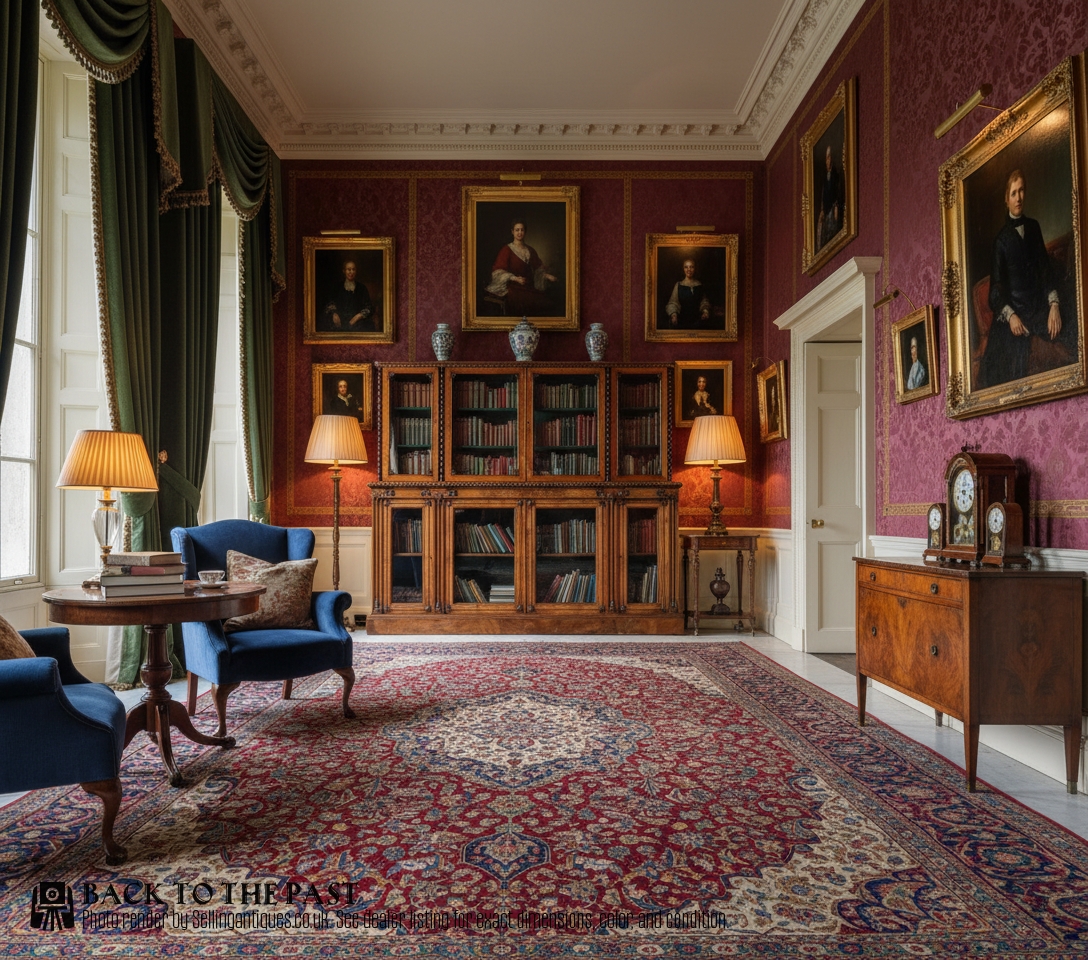
Nineteenth Century Walnut Cabinet
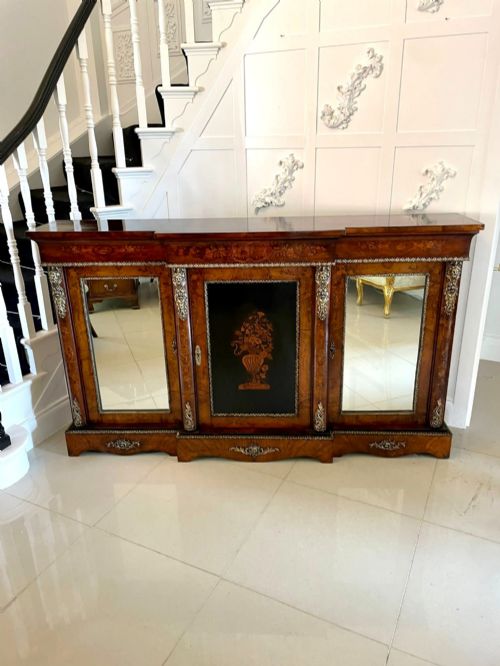
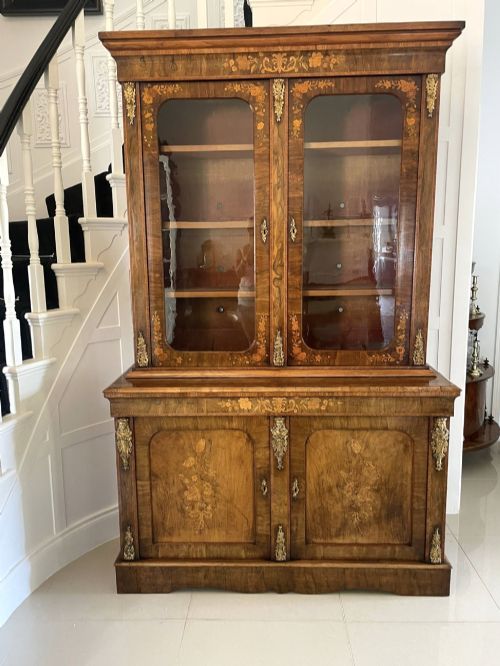
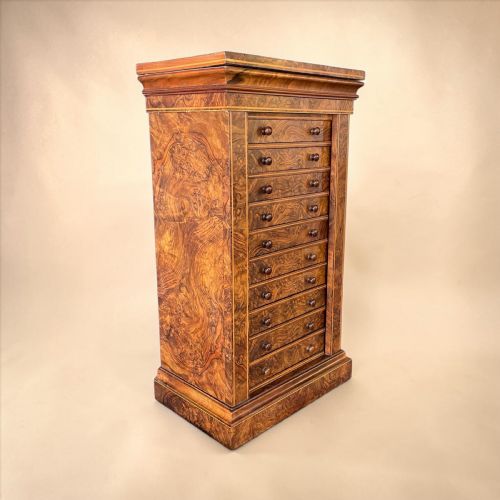
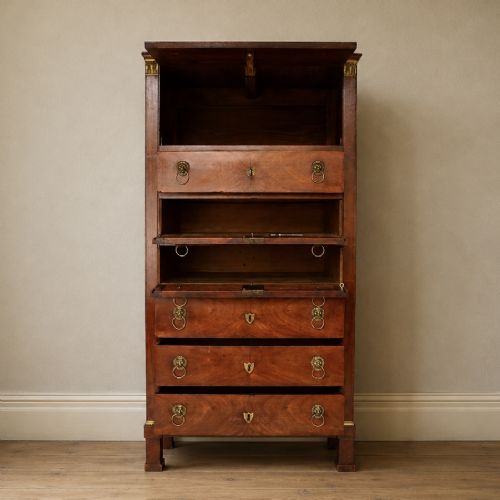
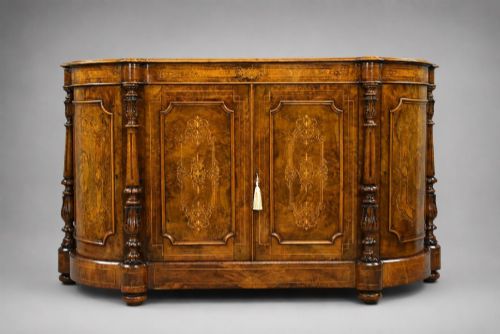
A nineteenth century walnut cabinet encompasses a diverse group of furniture, ranging from low credenzas and pier cabinets to tall bookcases and writing desks. Victorian and French revival examples dominate this selection, frequently exhibiting elaborate shapes such as bow fronts and breakfronts.
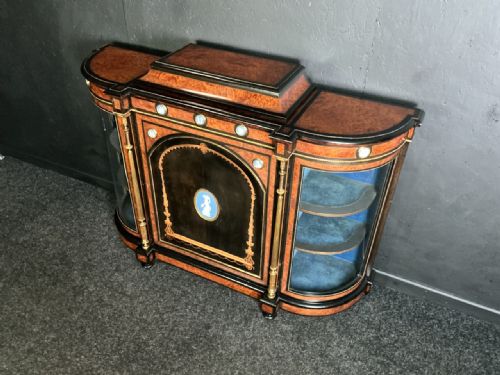
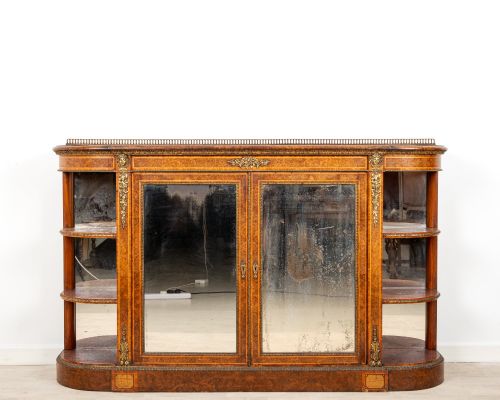
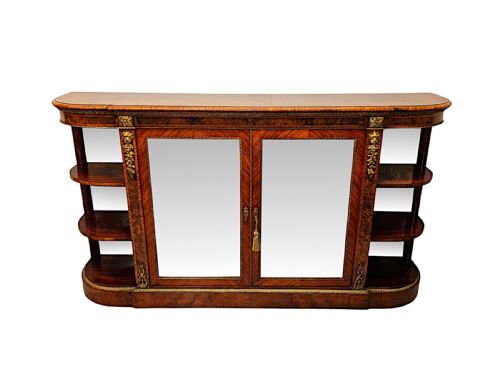
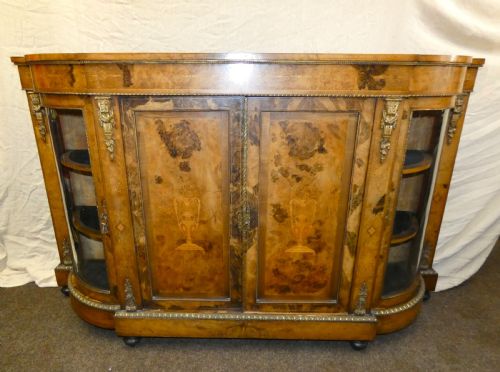
Credenzas and side cabinets form a large portion of the available pieces, often fitted with mirrored doors or open display shelves. Smaller items like bedside cabinets, cigar humidors and miniature chests also appear among the larger desks and armoires.
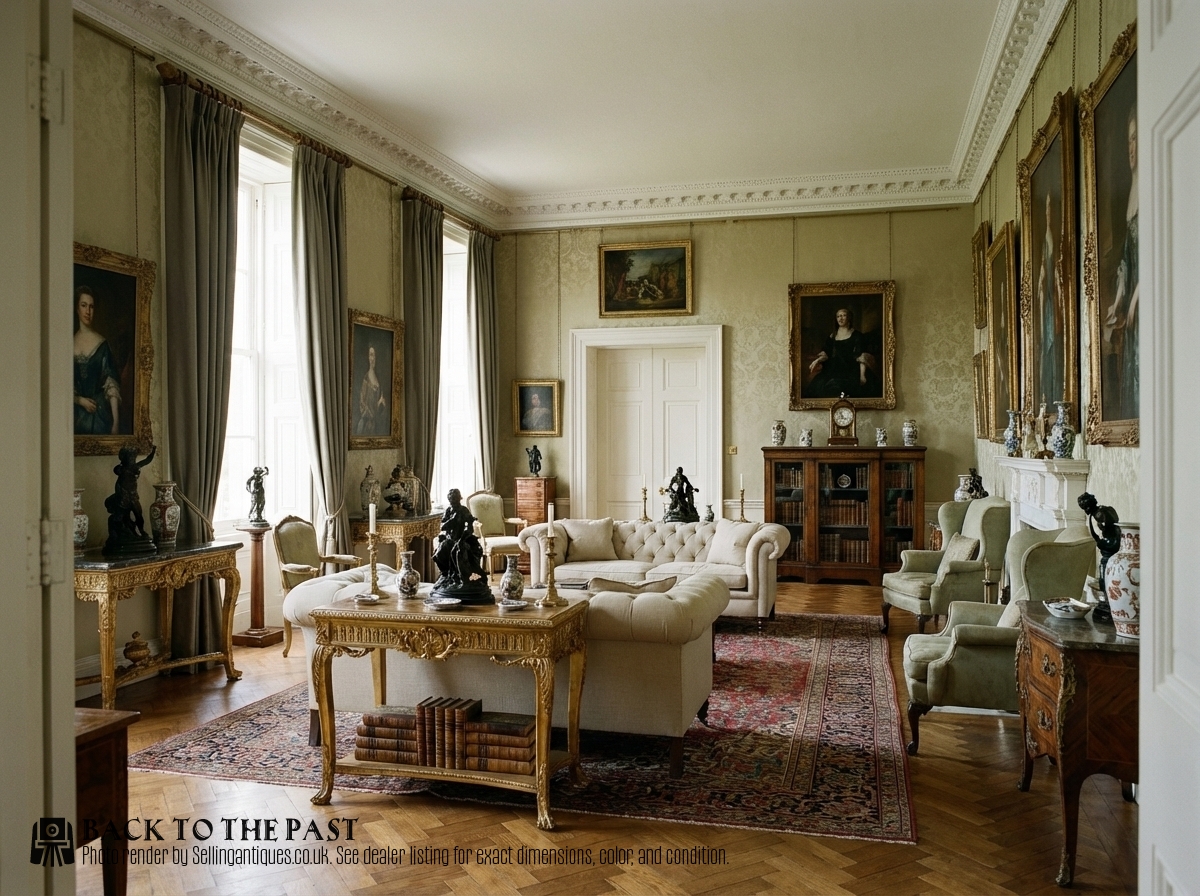
Materials and Technique
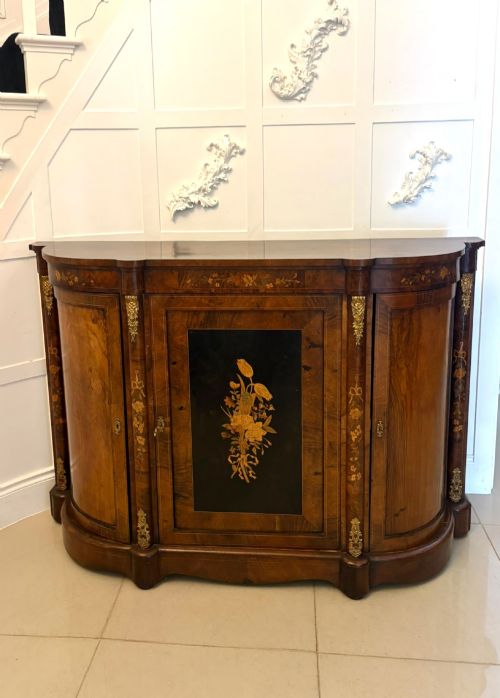
Cabinetmakers relied heavily on burr walnut veneer to create striking, figured patterns across flat surfaces, complemented by solid walnut and contrasting ebonised wood. Boxwood inlay and floral marquetry panels provide intricate detail on doors and friezes.
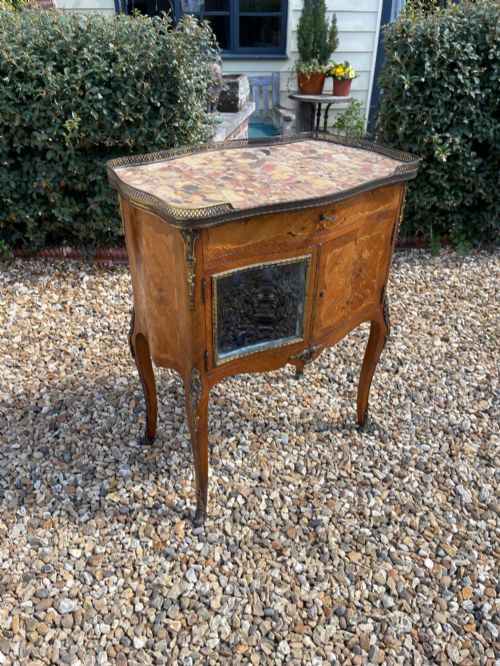
Metal mounts in brass and ormolu edge doors, pillars and plinths, while glazed panels and Belgian Sainte-Anne marble tops complete the construction of finer display pieces.
Nineteenth Century Walnut Cabinet Retail Price Guide 2026
Typical asking prices for nineteenth century walnut cabinet among the pieces listed under this phrase on Sellingantiques today, from the lower quarter to the upper quarter. They describe what is for sale here now, not the wider market.
Some nineteenth century cabinets doubled as musical instruments, hiding mechanical symphomians inside their burr walnut shells.
Design and Execution
Quality separates through the ambition of the marquetry and the precision of the boxwood inlay, where tighter scrollwork and sharper floral motifs indicate superior craftsmanship. The choice of timber also dictates standard, with heavily figured burr walnut commanding attention over plain grain.
Mounting hardware plays a role, as cast ormolu mounts with crisp definition elevate a piece far above simpler brass fittings. The integration of architectural elements, such as mirrored back panels and shaped glazed doors, marks out exhibition-grade work.
Gillows·Holland & Sons·Lochmanns
The Nineteenth Century Walnut Cabinet Glossary
- Burr Walnut
- A timber derived from the wart-like growths on walnut trees, yielding complex swirling grain patterns. Cabinetmakers sliced this wood into thin veneers for decorative door fronts and tabletops.
- Marquetry
- The art of applying pieces of veneer to a structure to form decorative patterns and pictures. Floral designs and geometric scrolls are typical of the period.
- Ormolu
- Gilded bronze used for decorative mounts on furniture. It provides a bright metallic contrast to dark walnut and ebonised timber.
- Credenza
- A low-standing cabinet used originally for serving or displaying objects. Nineteenth century versions often feature curved glass doors and central mirrored cupboards.
- Pier Cabinet
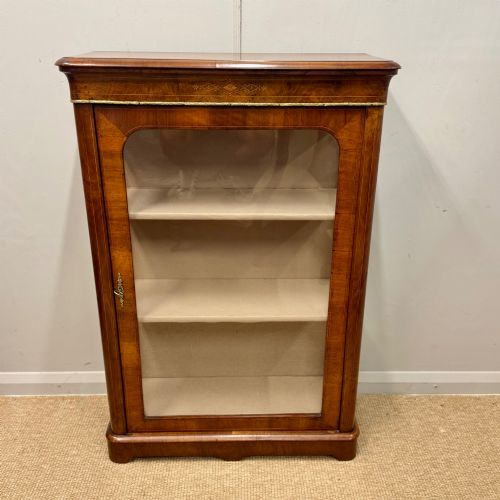
- A narrow cabinet designed to sit against the wall space between windows. These pieces frequently incorporate single glazed doors and marquetry inlay.
Nineteenth Century Walnut Cabinet: Frequently Asked Questions
What is a credenza?
A credenza is a low cabinet designed for display and storage, typically featuring a central cupboard flanked by curved glass doors. They sit low to the ground and often incorporate mirrored backs inside the display compartments.
Cabinetmakers during the nineteenth century used these pieces to showcase porcelain and decorative objects in formal reception rooms.
How do I identify burr walnut?
Burr walnut is recognisable by its dense, swirling grain patterns created by growths on the tree rather than straight timber growth. These patterns appear symmetrical on cabinet doors due to veneer matching.
The resulting figured surface provides a rich texture that distinguishes high-status furniture from plain walnut pieces.
Where were pier cabinets placed?
Pier cabinets were manufactured specifically to occupy the narrow wall space, known as the pier, situated between two windows. Their slim proportions allowed them to fit into tight architectural gaps without blocking light.
They frequently feature a single door enclosing velvet-lined shelves for delicate ornaments.
What is ormolu?
Ormolu refers to gilded bronze mounts applied to furniture edges, corners and door frames. The technique involves treating metal to resemble gold, adding bright metallic highlights to the dark wood.
French revival cabinets make particularly heavy use of these cast mounts to accent their curved forms.