





Nineteenth Century Tray
A nineteenth century tray brings hand-painted lacquer, polished mahogany, and heavy metals together to serve or display with period character.
Nineteenth Century Tray
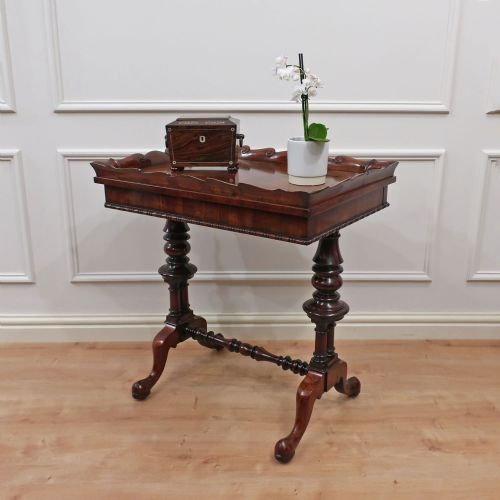
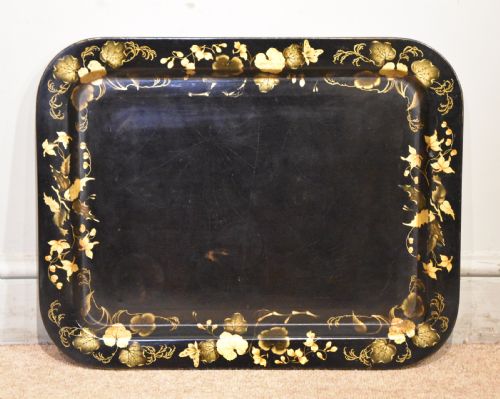
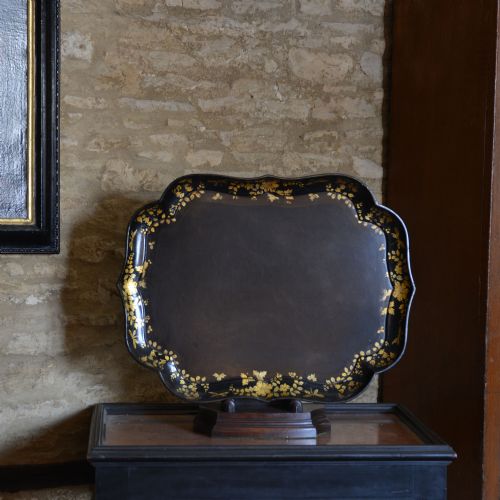
When searching for a nineteenth century tray, buyers encounter an array of serving pieces, desk accessories, and low table conversions spanning the Regency and Victorian eras. Papier-mâché and wood examples predominate, often elevated onto folding or fixed stands to serve as occasional tables.
The category encompasses utilitarian kitchen and butler wares alongside grand drawing-room display pieces ornamented with gilt and lacquer. These objects demonstrate the diverse manufacturing output of English, French, and Asian workshops during the period.
Materials and construction
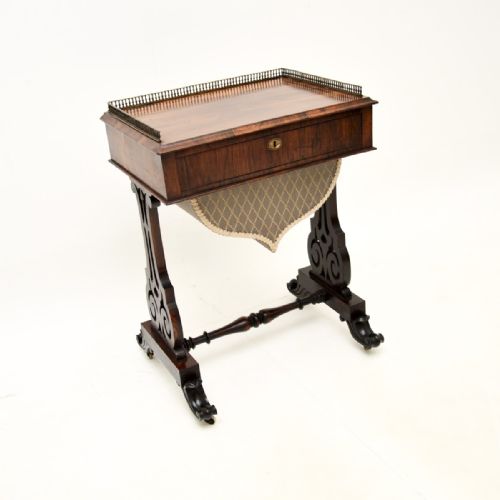
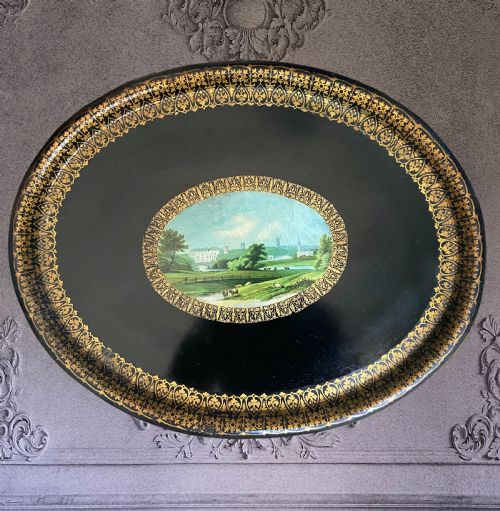
Papier-mâché trays combine layered paper pulp treated with oil and resin to form a rigid, smooth base suitable for intricate japanning and gold leaf decoration. Wooden versions utilise dense timbers like mahogany, rosewood, and shisham, frequently enhanced with inlay, satinwood banding, or carved mouldings.
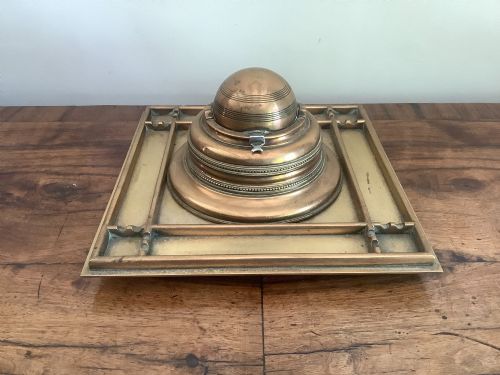
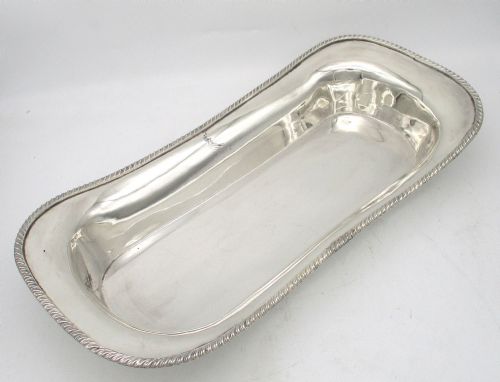
Metal items employ cast brass, toleware, silver plate, and cast iron, often shaped through stamping, moulding, or hand-hammering. Ceramic and earthenware examples combine local clay bodies with blue and white transfer printing, polychrome glazes, or cloisonné enamel.
Listings feature woods such as mahogany, rosewood, coromandel, and shisham alongside papier-mâché, brass, porcelain, and silver plate.
Assessing craftsmanship
Quality rests in the precision of the surface decoration and the stability of the core material. Hand-painted motifs, detailed gold leaf work, and crisp japanning distinguish finer decorative specimens from simpler utilitarian wares.
Structural integrity matters particularly on pieces adapted to stands or fitted with folding drop sides. Superior examples retain original mounts, unwarped wooden bases, and crisp joinery without excessive restoration.
Gillows·Tiffany and Co·Spode·Thomas Lakin·Elkington·Walker and Hall·Louis Pierre Malpass·George Jones
The Nineteenth Century Tray Glossary
- Papier-mâché
- A composite material made from paper pulp or layers of paper reinforced with glue, chalk, and resin. It provides a lightweight yet durable surface for painting and lacquer work.
- Toleware
- Painted or lacquered sheet metal, typically iron or steel, associated with decorative household items like trays and coal scuttles. Pontypool and French workshops were notable producers.
- Butler tray
- A portable wooden tray with hinged or fixed sides, designed to rest on a folding stand for serving food or drinks. Many surviving examples date from the Victorian period.
- Vide-poche
- A small tray or dish intended for emptying pockets of coins, keys, or small personal items upon entering a room. They appear in porcelain, faience, and metal.
Nineteenth Century Tray: Frequently Asked Questions
How do I use a nineteenth century tray today?
These trays function well on side tables for holding drinks, organising desk supplies, or acting as central decorative displays on coffee tables.
Larger versions mounted on stands serve effectively as occasional or bedside tables in traditional and contemporary interiors alike.
Are papier-mâché trays durable enough for daily use?
Papier-mâché is surprisingly robust due to the resin and oil treatments applied during manufacturing, but it remains sensitive to excess moisture and heat.
Display and light dry usage preserve the original painted surfaces and gold leaf better than heavy serving duties.
What is the difference between toleware and metal trays?
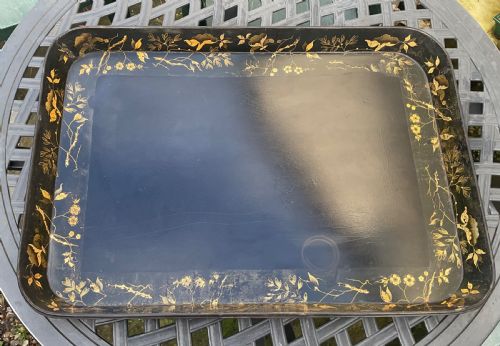
Toleware specifically denotes japanned or painted sheet metal, typically featuring hand-painted floral or landscape motifs on dark grounds.
Plain metal trays rely on silver plating, brass casting, or cloisonné enamel rather than painted finishes for their decorative appeal.
How can I tell a Regency tray from a Victorian one?
Regency pieces often display neoclassical motifs, lighter mahogany timbers, or crisp Chignell-style papier-mâché work with restrained gilding.
Victorian items tend towards heavier ornamentation, including ornate silver plating, majolica ceramics, and dense polychrome floral painting.