
Victorian Tray
A victorian tray brings the practical elegance of the nineteenth century into modern rooms, functioning just as well for serving drinks today as it did generations ago.
Victorian Tray
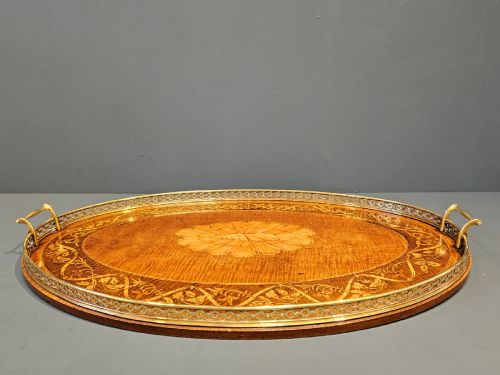
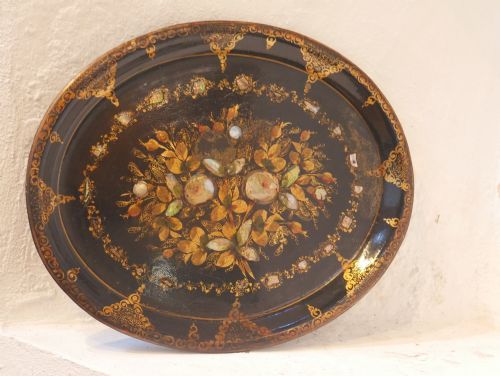
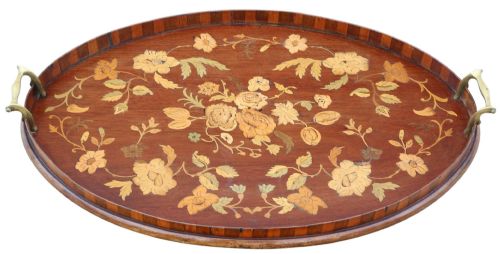
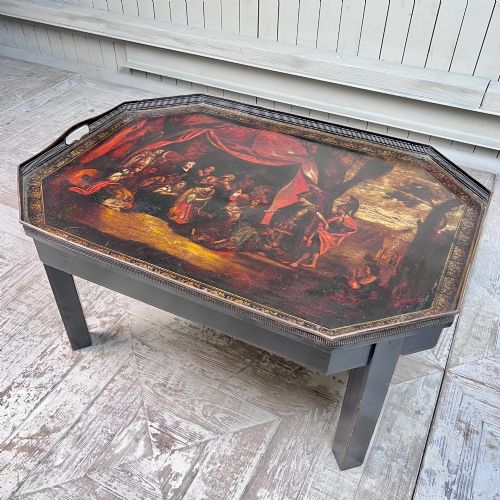
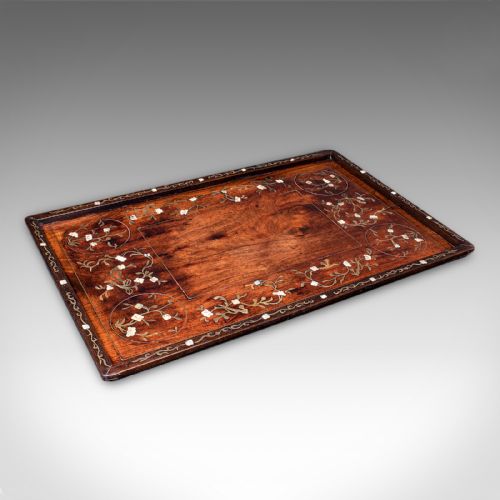
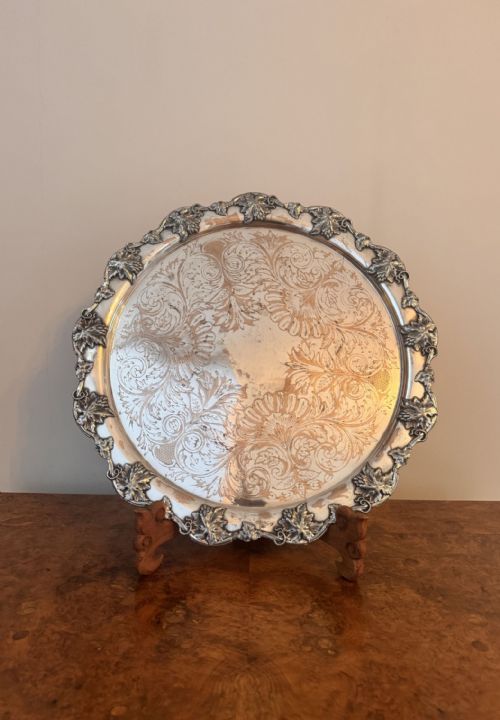
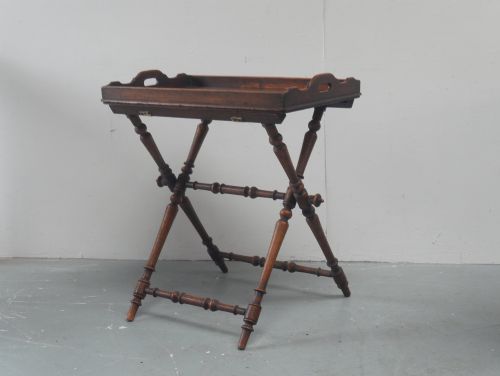
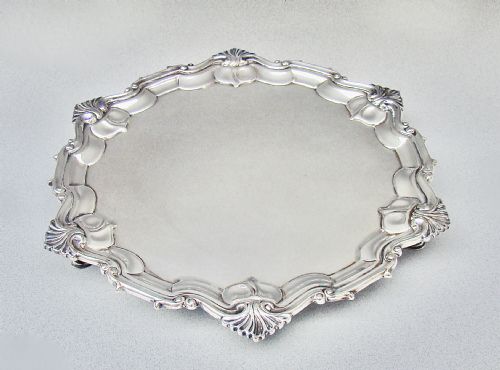
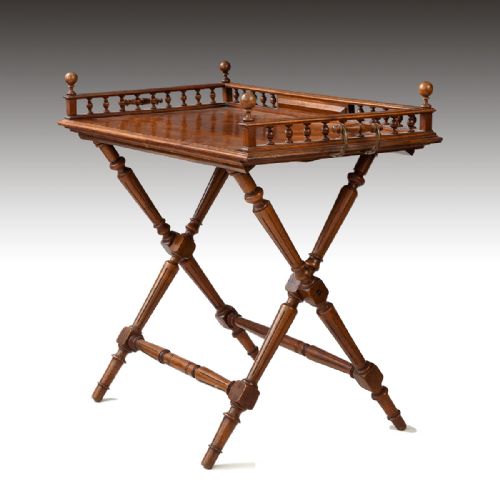
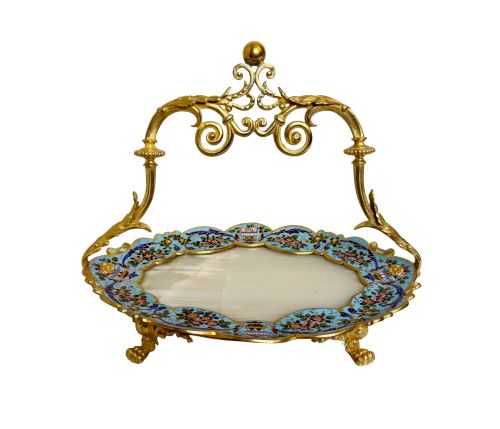
A victorian tray encompasses a broad spectrum of domestic items, ranging from mahogany butler trays designed for folding stands to silver plated tea service platters and decorative papier mache pieces.
The physical diversity reflects the nineteenth century household, where specific forms met specific domestic needs from the dining room to the bedroom.
Assessing craftsmanship
The distinction between standard utility items and superior examples lies in the crispness of the hand-engraving, the depth of silver plating, and the precision of wood marquetry.
Structural integrity of joints, the retention of original folding stands, and the clarity of maker marks or hallmarks separate exceptional pieces from ordinary survivors.
Some Victorian households utilised specialised trays with built-in ashtrays and cigar holders to keep drawing rooms tidy during evening smoke sessions.
William Hutton & Sons·Coalbrookdale·George Jones·Elkington & Co·William Comyns·Roberts & Belk
The Victorian Tray Glossary
- Salver
- A flat metal plate or tray, typically supported on small feet, used for serving glasses or presenting cards.
- Butler's tray
- A portable wooden tray with raised sides, often featuring cutout handles, designed to sit upon a folding X-frame stand.
- Gallery tray
- A tray featuring a pierced metal or wooden gallery rail around its perimeter to prevent items from sliding off.
- Marquetry
- The art of applying pieces of veneer to a structure to form decorative patterns, frequently seen on nineteenth century wood trays.
- Tole
- Enamelled or lacquered metalware, often painted with scenic or botanical motifs.
Victorian Tray: Frequently Asked Questions
How were butlers trays used?
These pieces served primarily for transporting dining china or tea services from the kitchens to the main reception rooms. The removable tray top allowed servants to clear or set tables efficiently without carrying heavy frames.
In modern interiors, the combination of tray and folding stand functions well as a portable side table or drinks station. The raised edges keep bottles and glassware secure during movement.
How do I care for silver plated trays?
Maintenance requires gentle cleaning with non-abrasive silver cloths to preserve the underlying plating layer while removing tarnish. Harsh chemical dips risk stripping the historic finish completely.
Regular use helps prevent dullness, provided the pieces are dried thoroughly after contact with moisture. Storing them away from direct sunlight protects any integrated felt or wooden elements.
Are papier mache trays durable?
Papier mache surfaces utilise compressed paper pulp strengthened with oil and resin, creating a surprisingly resilient material that resists cracking better than untreated wood. They require protection from standing water and heat.
Cleaning these items involves only a soft, dry cloth to preserve the delicate gilt or painted scenes. Historic lacquerwork remains sensitive to modern solvents and excessive moisture.