





Nineteenth Century Swing Mirror
Nineteenth century swing mirror examples bring quiet elegance to a bedroom, offering adjustable reflection alongside rich timber tones.
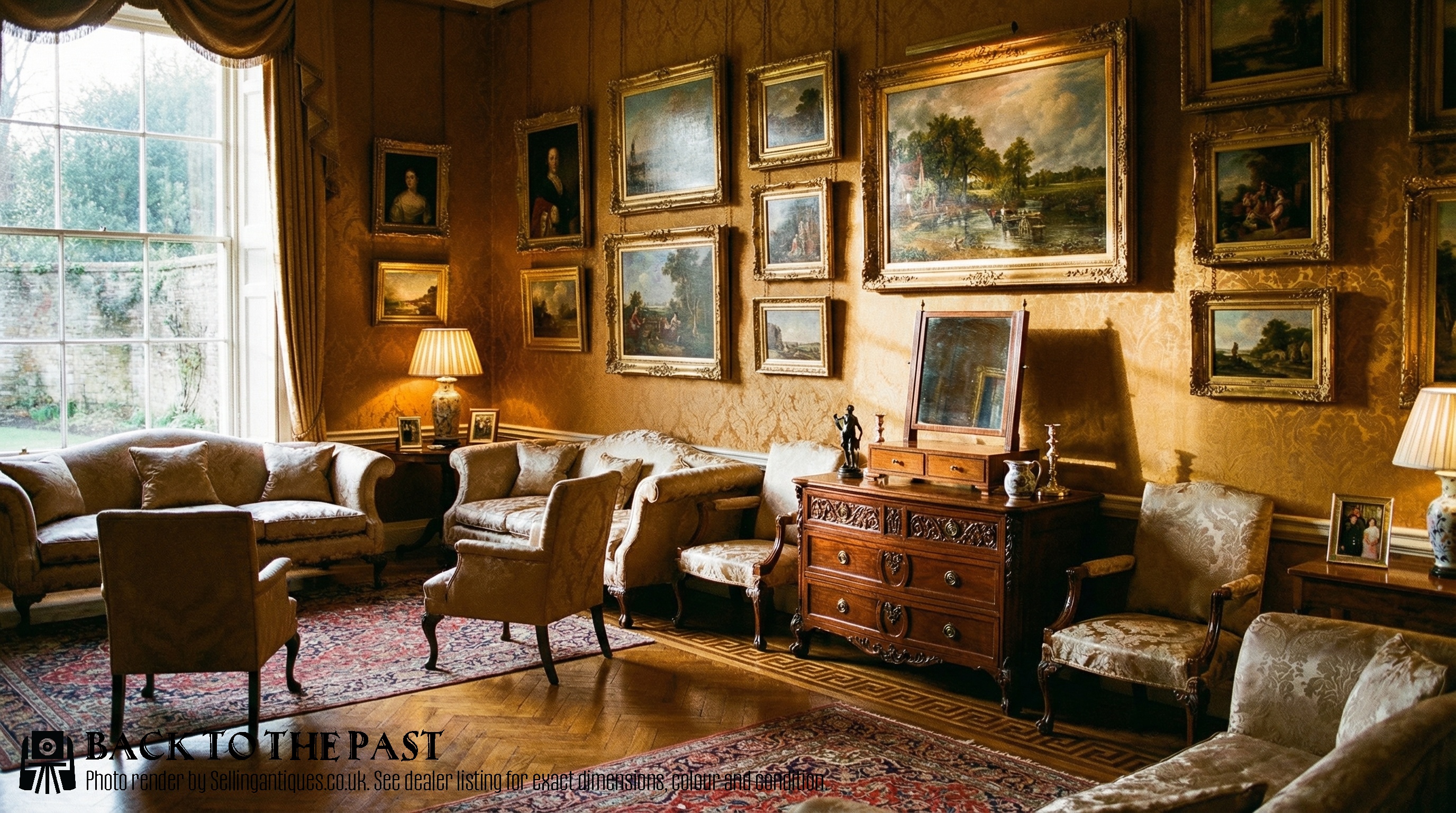
Nineteenth Century Swing Mirror
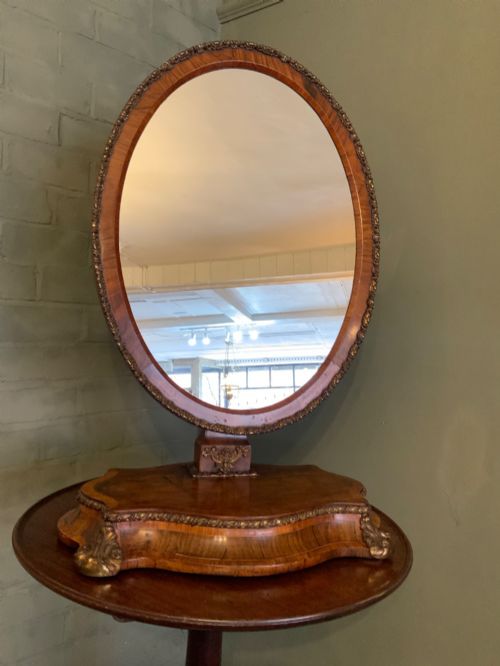
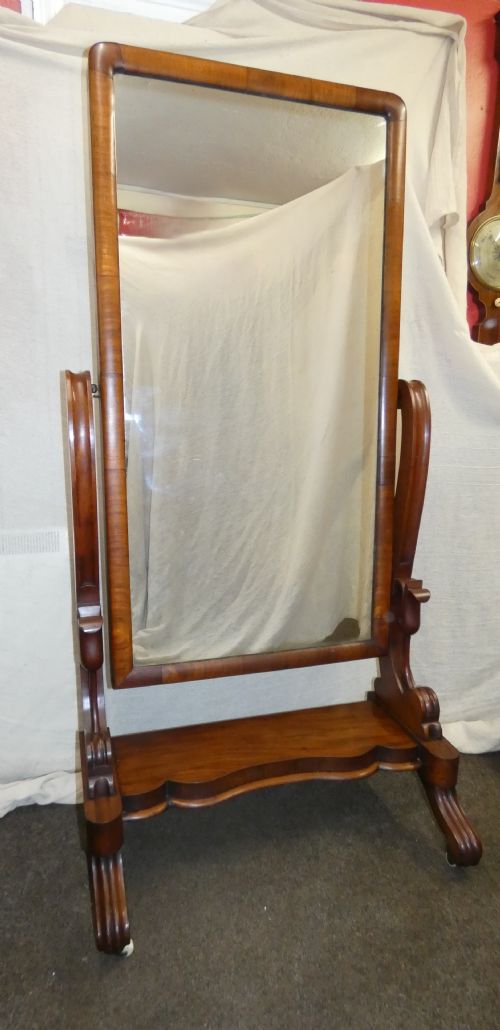
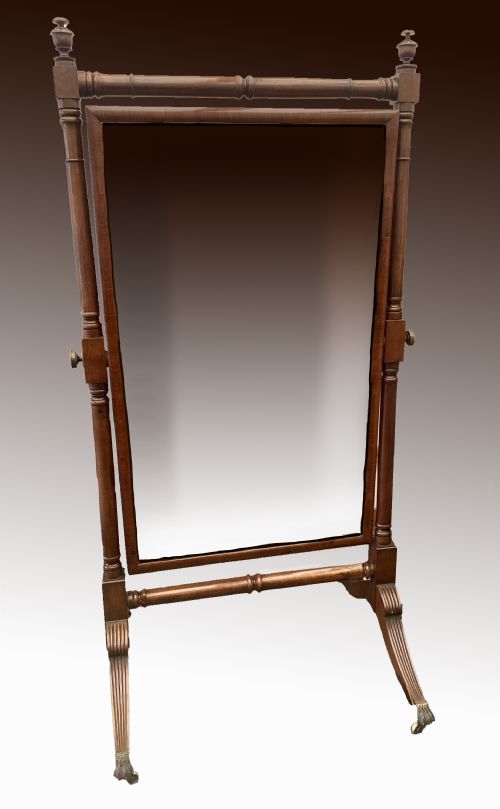
When you search for a nineteenth century swing mirror, you encounter dressing table mirrors, cheval mirrors, and dressing mirrors designed to sit upon surfaces or stand independently on the floor. These pieces hail from the 19th Century, Victorian era, and periods around 1800, 1850, and 1870, reflecting diverse regional tastes.
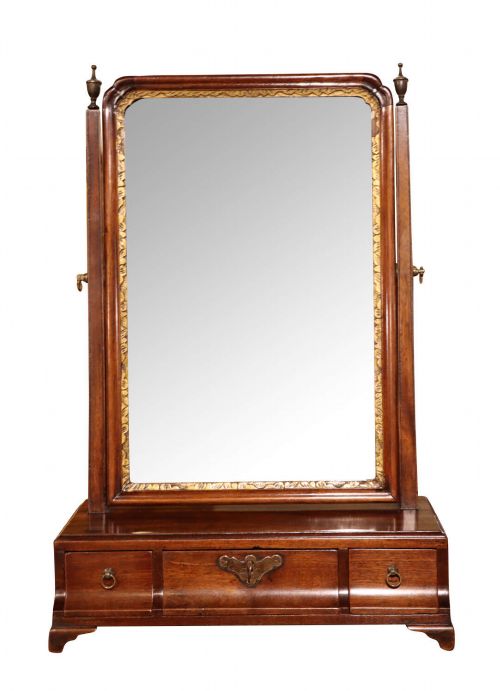
The most common forms on this page include mahogany dressing table mirrors featuring fitted drawers, alongside grander cheval mirrors mounted on freestanding floor frames. Styles range from simple Victorian designs to Dutch Marquetry, French Chateau, Regency, and Anglo-Indian Colonial variations.
Makers of the period constructed these pivoting mirrors to aid morning grooming while adding architectural presence to domestic chambers. Their pivoting plates allow users to tilt the glass to any required angle with ease.
How they were made
Cabinet makers utilised dense hardwoods such as mahogany, walnut, and teak, frequently selecting highly figured flame veneers to catch the light. Frames often incorporate decorative boxwood inlay, satinwood inlay, or warm ormolu and brass mounts.
The pivoting mechanism relies on side screw pins or trunnions fitted into upright supports, allowing the mirror plate to swing smoothly. Supporting box bases or serpentine fronted chests frequently house small drawers constructed with traditional joinery.
Materials across these listings include glass, brass, mahogany, walnut, ormolu, boxwood inlay, gilt wood, and satinwood inlay.
What varies in quality
The selection of timber grain defines the visual appeal, where richly figured flame mahogany or intricate Dutch marquetry elevate a standard frame into a masterwork. Fine craftsmanship shows in the crispness of boxwood inlay and the secure integration of brass mounts.
Proportion and structural balance separate basic utilitarian examples from grander pieces designed for prominent boudoirs. Pieces featuring functional drawers with clean internal construction demonstrate superior cabinet making.
The Nineteenth Century Swing Mirror Glossary
- Cheval mirror
- A large floor-standing swing mirror supported by four legs and vertical posts. It allows the viewer to see their entire outfit.
- Flame mahogany
- A distinctive wood grain pattern resembling flickering flames, achieved by cutting across the branch bifurcation. Cabinet makers prized this timber for its decorative impact on drawer fronts and mirror frames.
- Ormolu
- Gilded bronze ornamentation applied to furniture mounts and frames. It adds a bright metallic contrast to dark woods like walnut.
- Marquetry
- The art of applying decorative veneer pieces in geometric or floral patterns onto a solid wood base. Dutch examples often display elaborate floral motifs.
- Trunnion
- A cylindrical pin that acts as a pivoting axis for the mirror plate. It allows the glass frame to tilt smoothly back and forth.
Nineteenth Century Swing Mirror: Frequently Asked Questions
Where should I place a swing mirror?
These mirrors suit dressing tables, chest tops, or dedicated console surfaces where their pivoting action proves practical.
Larger floor-standing cheval versions find a natural home in bedrooms or dressing rooms to provide full-length reflections.
How do I adjust the mirror tension?
Most swing mirrors rely on threaded side screws or brass knobs located on the upright support posts.
Tightening these fixings secures the glass plate at the desired angle for daily use.
What woods were used in these mirrors?
Mahogany and walnut form the primary structure for the majority of these pieces, often paired with decorative veneers.
Regional variations introduce materials like teak in Anglo-Indian pieces and contrasting boxwood or satinwood for inlay work.
How do I identify a Victorian mirror?
Victorian pieces often display deeper mahogany tones, serpentine fronts, and substantial proportions suited to 19th Century interiors.
They sit alongside earlier Regency and Georgian designs which lean towards lighter neoclassical lines.