




Nineteenth Century Oriental Vase
A nineteenth century oriental vase brings heavy bronze, deep cobalt porcelain, and intricate champleve enamel into a room.
Nineteenth Century Oriental Vase
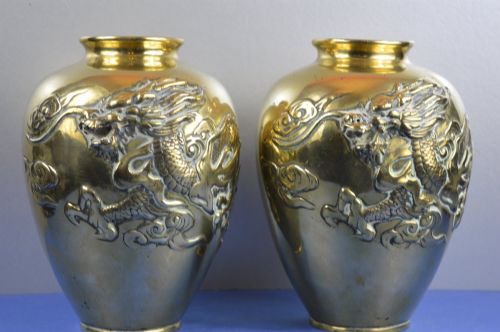
When you search for a nineteenth century oriental vase, you are looking at substantial decorative vessels originating from China and Japan during the 19th Century, Victorian era, and Meiji Period. These pieces range from towering floor vases and massive bronze dragon vessels down to delicate Satsuma and Kutani table lamps.
You will frequently encounter Japanese Imari palettes, blue and white porcelain, and heavy bronze bodies adapted for modern lighting. Forms include standard vases and urns alongside brush pots, jardinieres, and tsubo vases.
The selection spans Chinese Qing Dynasty pieces, including Famille Rose and Famille Verte, alongside Japanese works bearing distinct makers' marks from the late 19th Century.
How they were made
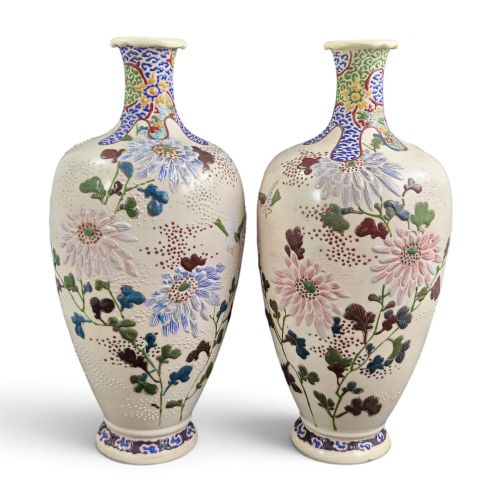
Potters and metalworkers utilised porcelain, bronze, brass, champleve enamel, and wood, frequently combining materials with gilt bronze mounts, gold leaf, and lacquer panels. Ceramic pieces employ hand-painted pigments, yellow and green glazes, and raised moriage decoration.
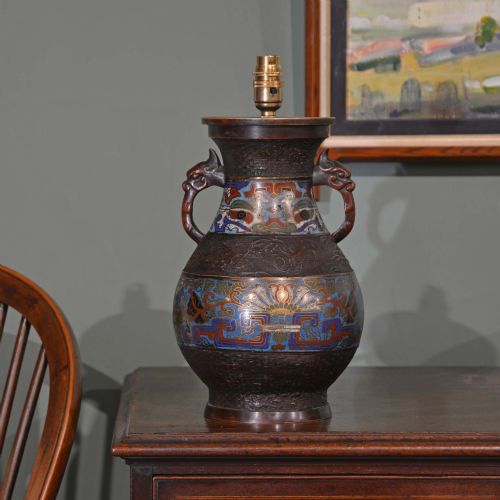
Metal vessels are cast in bronze with dragon motifs and champleve enamel work, while porcelain pieces utilise cobalt blue underglazes and intricate famille rose overglaze enamels.
Listings feature porcelain, bronze, enamel, and brass across periods from the 1880s through the turn of the twentieth century.
What varies in quality
The distinction between ordinary and exceptional examples rests on the crispness of the bronze casting, the weight of the metal, and the precision of the hand-painted details on the porcelain ground. Fine pieces demonstrate superior control in the moriage relief work and depth of the cobalt and enamel colours.
Scale and proportion drive value, with heavy multi-kilogram bronze pairs and monumental porcelain vases showing greater ambition in their design and execution.
Nanzan
The Nineteenth Century Oriental Vase Glossary
- Moriage
- A type of raised slip decoration used on Japanese ceramics, particularly Satsuma ware. This technique creates a textured, three-dimensional surface effect that can be felt by the hand.
- Champleve
- An enamelling technique where troughs are carved into a bronze or metal base and filled with vitreous enamel before firing. The resulting surface shows coloured glass compartments flush with the metal partitions.
- Imari
- A traditional Japanese style of porcelain decorated in underglaze blue, iron red, gold, and supplementary colours. Originating from the port of Imari, these wares are known for their rich and crowded palettes.
- Famille Rose
- A major palette of Chinese ceramic glazes introduced in the Qing Dynasty, characterised by opaque pink or rose enamel colours. This family of porcelain permitted a wider range of shading and naturalistic detail.
- Tsubo
- A traditional Japanese storage jar or large vase form with a rounded body and narrow neck. These substantial vessels often served as decorative centrepieces in interiors.
Nineteenth Century Oriental Vase: Frequently Asked Questions
How do I wire an antique vase as a lamp?
Many nineteenth century oriental vases and urns arrive mounted as lamps using ormolu or brass fittings. Conversions typically pass wiring through drilled bases or utilise custom collar mounts to avoid damaging the ceramic or bronze body.
Professional electricians should handle the internal rewiring to preserve the structural integrity of valuable bronze and porcelain vessels.
How do I tell Chinese from Japanese pieces?
Chinese pieces from this period often display Qing Dynasty reign marks, famille rose enamels, and motifs like dragons or prunus blossom. Japanese items frequently date to the Meiji period and showcase Satsuma, Kutani, or Imari styles with distinct signatures.
Material weight and finishing techniques also help differentiate the two traditions, as Japanese bronzes and Satsuma earthenwares possess specific regional characteristics.
Where should I place a large floor vase?
Substantial floor vases and heavy bronze vessels require stable positioning away from busy walkways to prevent accidental impacts. Placing them in corners, entrance halls, or on sturdy stands lets their height and weight anchor the room.
Ensure that sunlight exposure is managed to protect delicate hand-painted enamel and lacquer panels over time.