
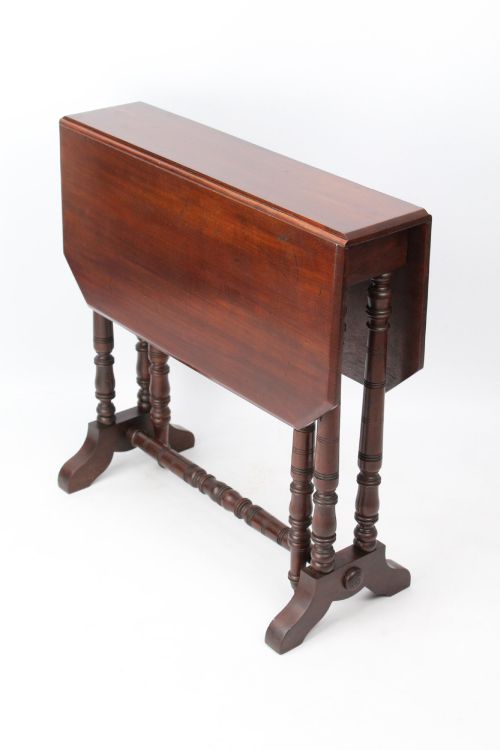
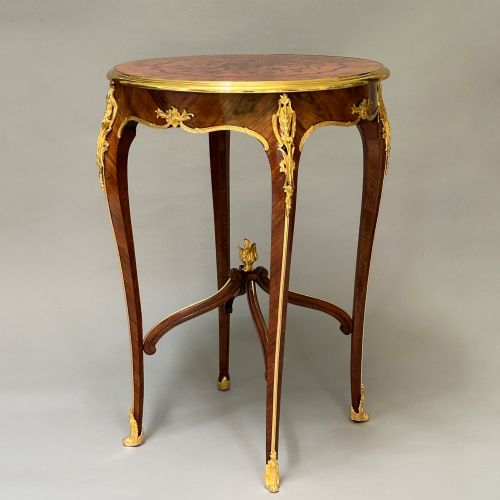
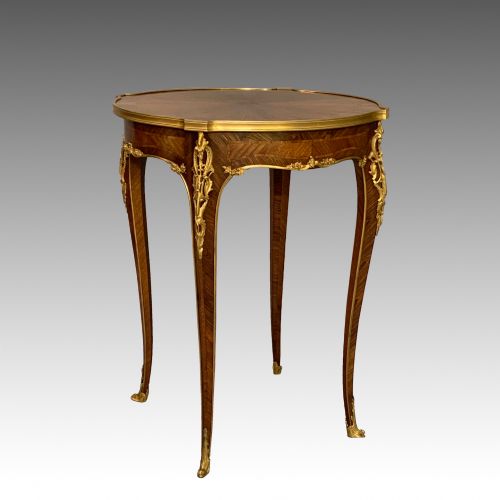
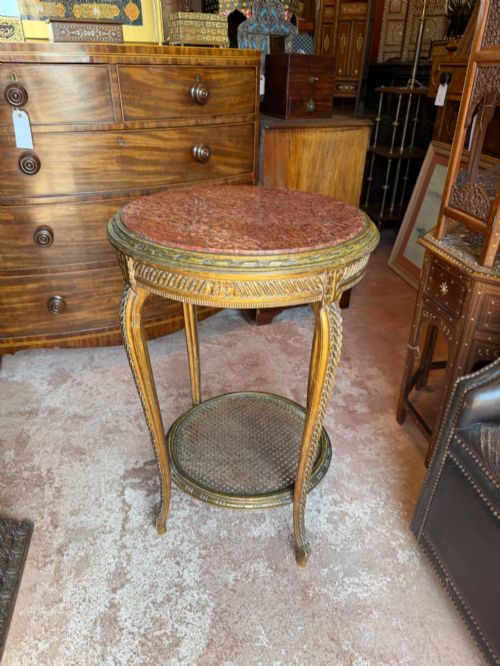
Nineteenth Century Occasional Table
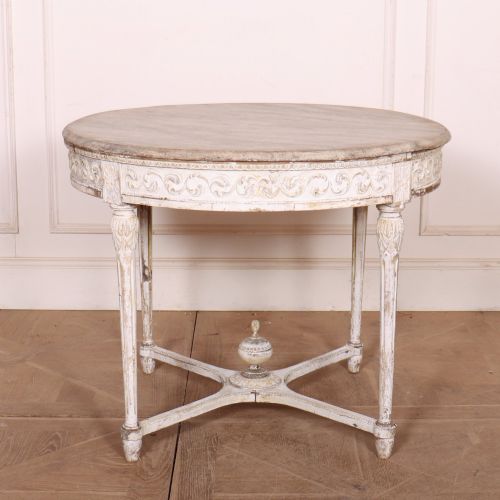
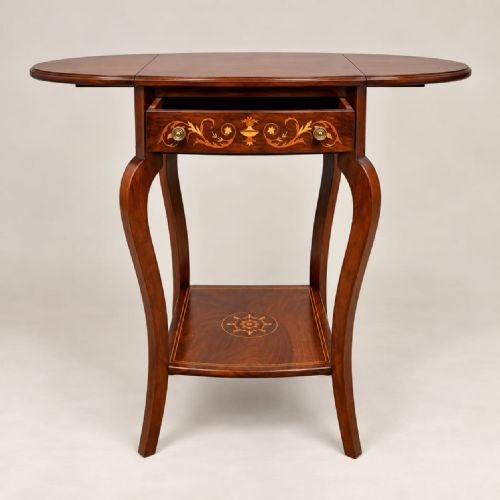
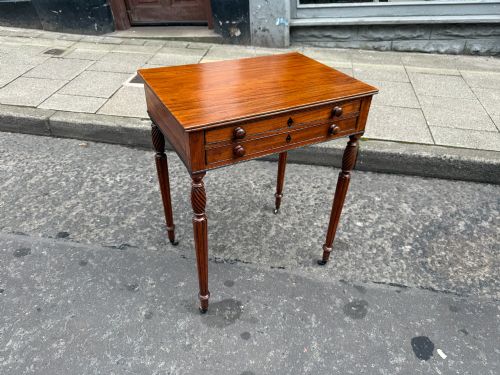
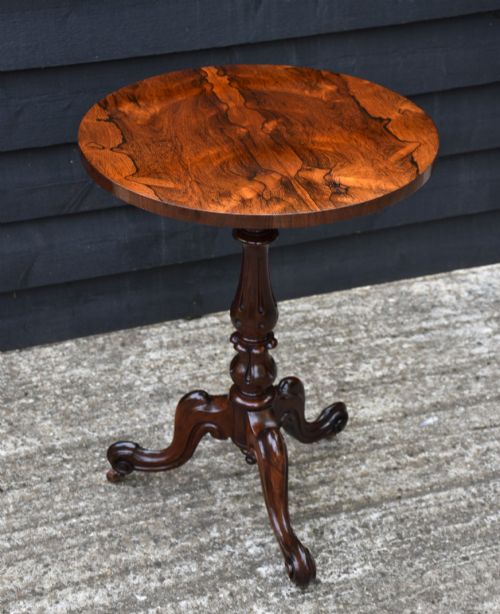
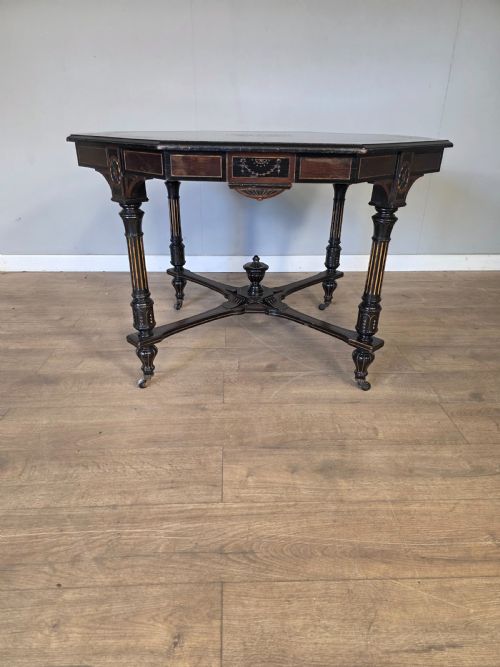
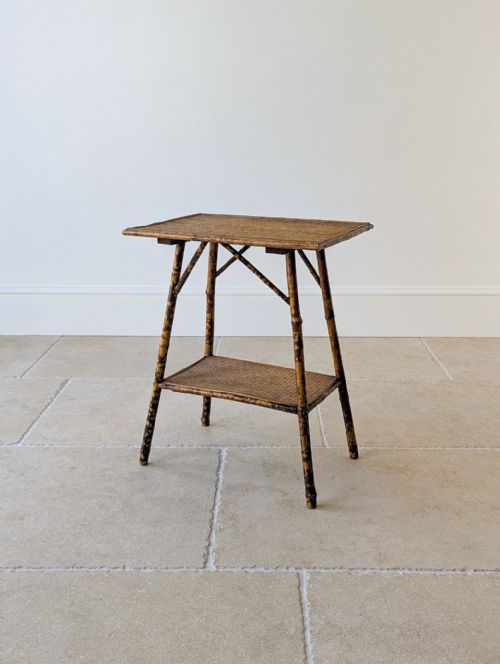
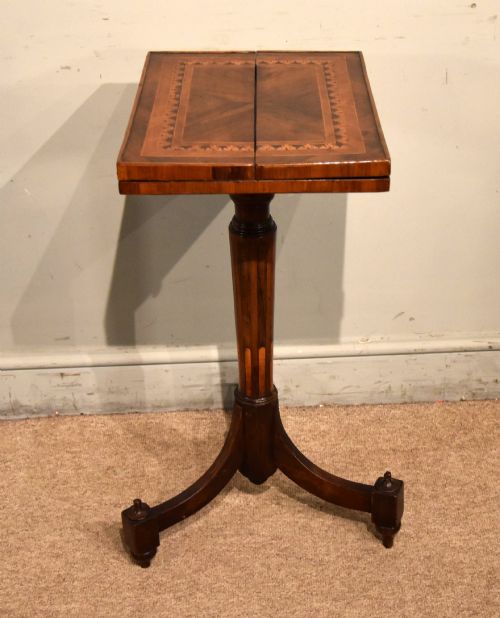
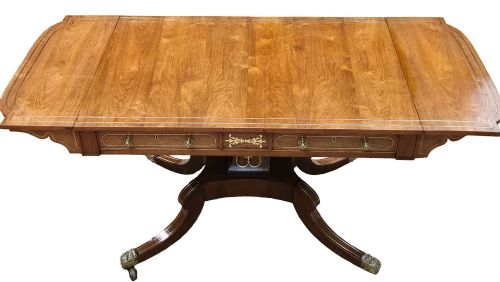
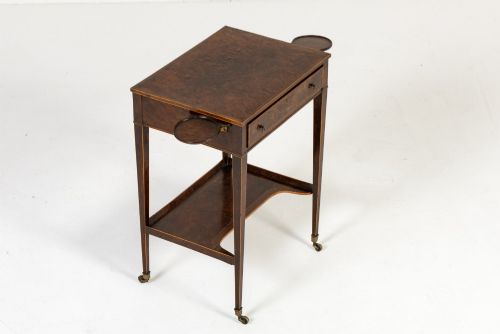
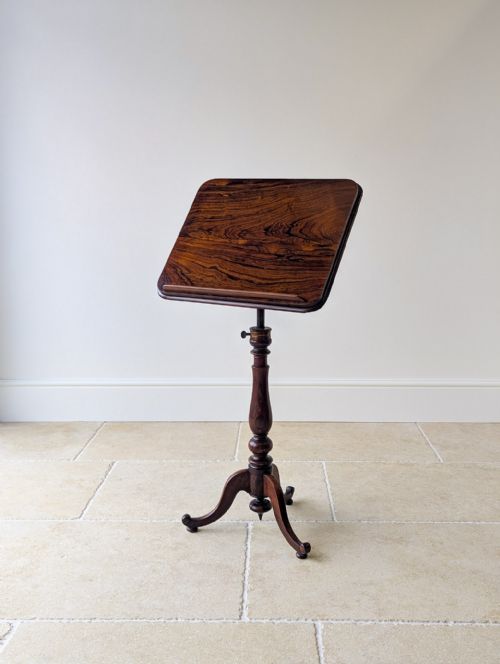
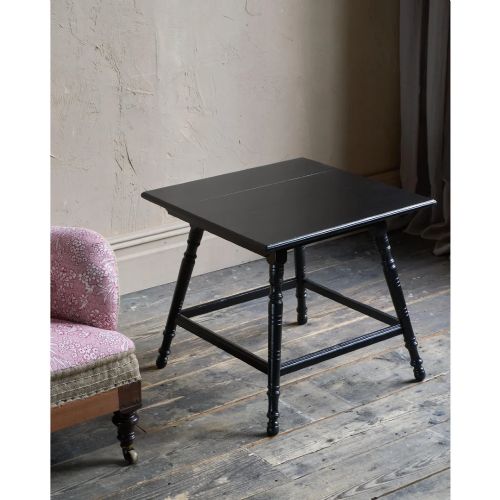
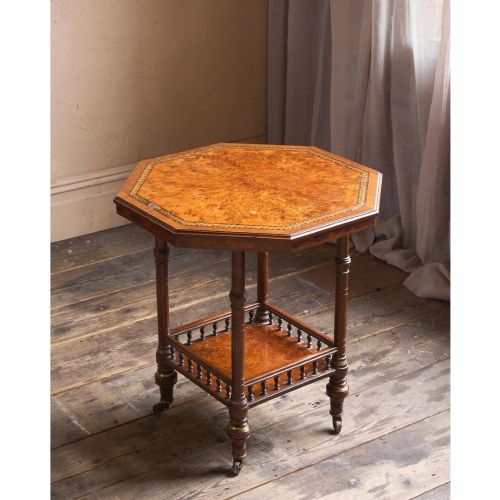
These nineteenth century occasional table pieces bring compact timber work and varied pillar supports into sitting rooms.
What a nineteenth century occasional table is
A nineteenth century occasional table provides a movable surface for books, lamps and tea, built during a period of prolific furniture design. These pieces appear in forms such as side tables, sofa tables, wine tables and occasional tables proper.
The materials and styles span mahogany, rosewood, burr birch, pollard oak and bamboo, moving through Regency, William IV, Victorian, Victorian Gothic Revival and Biedermeier aesthetics.
Most examples found here date across the nineteenth century, including specific years like eighteen-fifty and eighteen-sixty, alongside French and British origins.
How they were made
Workshops utilised solid woods and veneers including mahogany, rosewood, burr birch and pollard oak over heavier timber carcasses. Surface decoration involved paint, gilt, inlay and ormolu mounts.
Retail Price Guide 2026
Typical UK retail prices for nineteenth century occasional table, calculated from the Sellingantiques database of over a million retail prices indexed since 2003. This retail price guide relies exclusively on Sellingantiques data; no external sources or auction records are used, so the figures do not describe the wider market.
The listings show woods including mahogany, rosewood, birch, oak and bamboo, alongside marble and brass.
What varies in quality
Quality rests in the selection of timbers, where burr and pollard grains show greater depth and deliberate matching than plain stock. Finer execution shows in crisp turning on pedestals and seamless joints on drop flaps.
The presence of secondary materials like ormolu mounts, marble tops and painted or decorated surfaces separates standard utilitarian furniture from more ambitious decorative pieces.
The Nineteenth Century Occasional Table Glossary
- Occasional table
- A small, movable table designed for use in various parts of a room as needed. These versatile pieces suit sitting rooms and halls alike.
- Sofa table
- A rectangular table traditionally placed in front of or beside a sofa, often featuring drop leaves and pedestal supports. They offer extended surface area when flaps are raised.
- Wine table
- A small circular table originally intended for holding glasses and bottles during evening gatherings. They frequently stand on a slender central pillar with tripod feet.
- Drop flap
- A hinged leaf attached to the main top of a table that lowers when not in use. This mechanism allows the furniture footprint to adjust to smaller spaces.
- Ormolu
- Gilded bronze ornamentation applied to furniture mounts and decorative details. It adds metallic contrast to timber surfaces.
Frequently Asked Questions
What is an occasional table?
An occasional table is a small, movable piece of furniture designed to be placed wherever a temporary surface is needed.
These tables hold items such as lamps, books and cups without dominating the floor space of a room.
How were nineteenth century tables used?
Nineteenth century households utilised these versatile surfaces in parlours and drawing rooms for social gatherings and daily tasks.
Different formats suited specific functions, such as wine tables for drinks or sofa tables for needlework and reading materials.
What woods appear on these tables?
Maker workshops employed a variety of timbers including mahogany, rosewood, birch and oak.
Many examples feature decorative veneers such as burr and pollard growths to create patterned surfaces.
How do I identify the style?
Styles are recognised through specific architectural motifs and proportions associated with periods like Regency, William IV and Victorian.
Details such as pedestal turnings, ormolu mounts and bamboo construction point directly to the design preferences of the era.