


Antique Drop Flap Desk
An antique drop flap desk is a versatile writing piece designed with folding surfaces, offering both discreet storage and elegant form.
What They Are
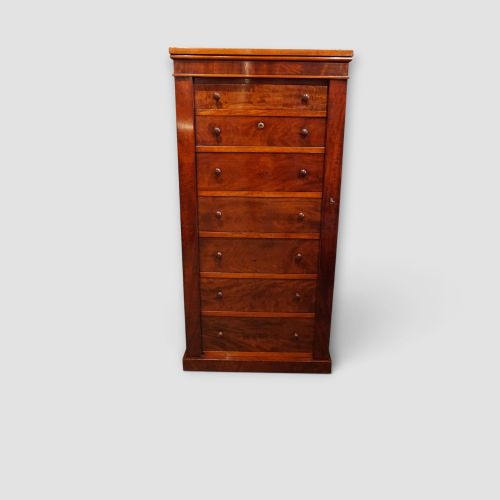
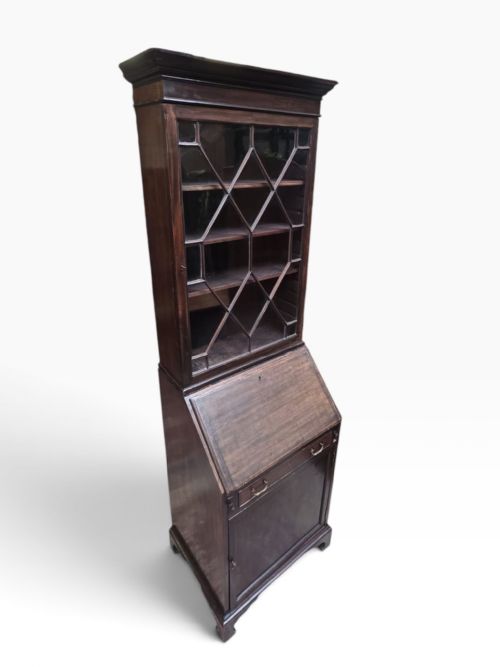
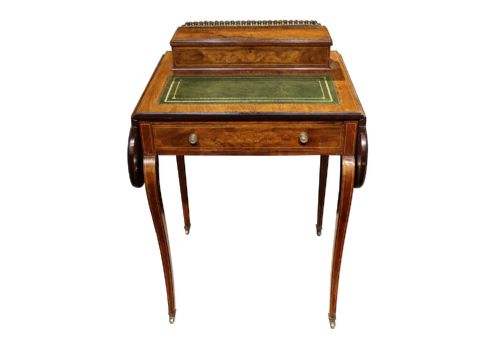
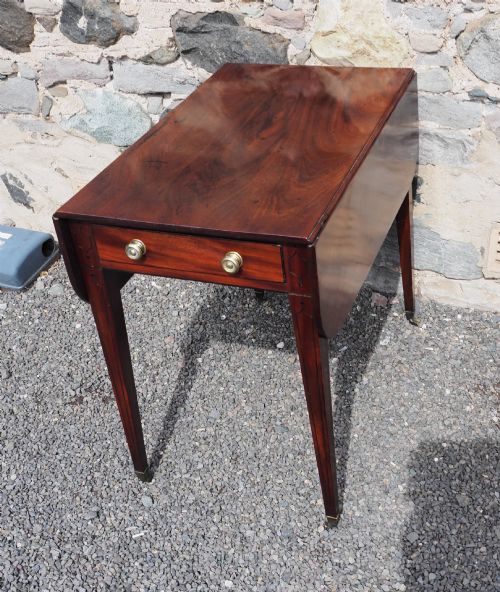
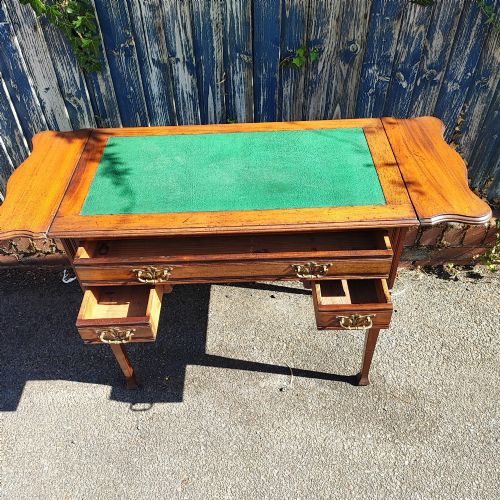
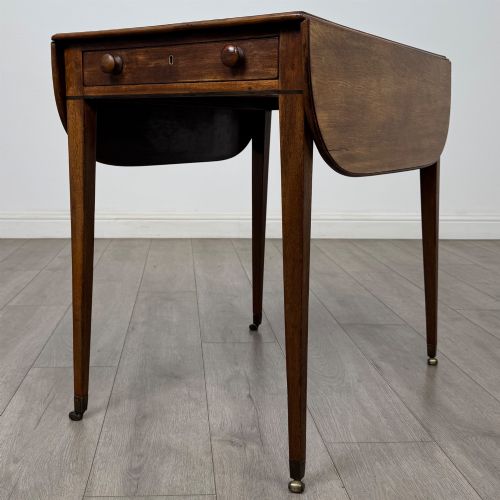
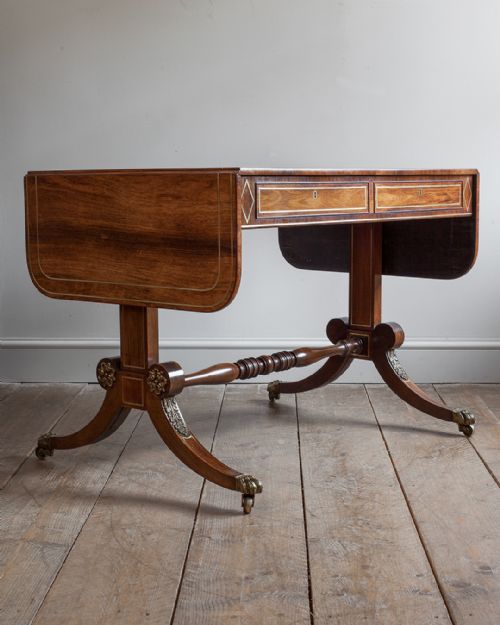
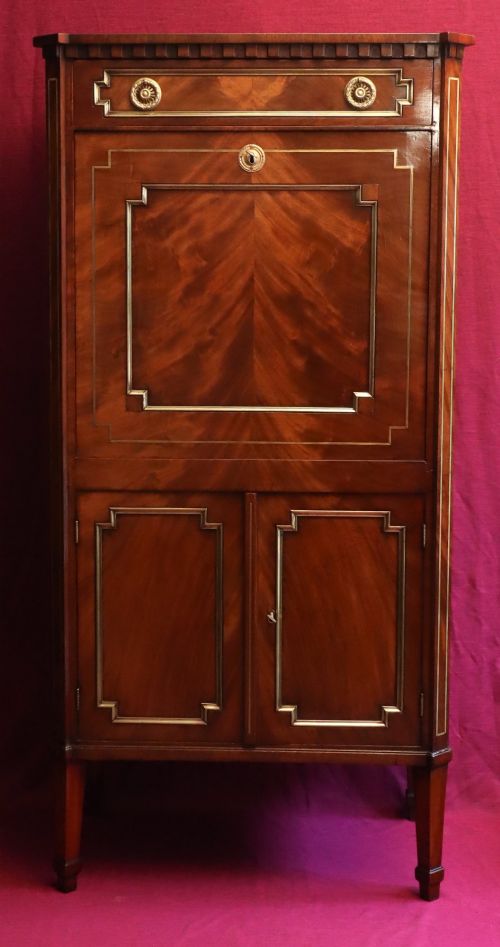
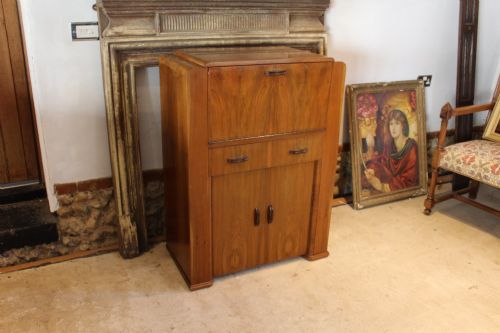
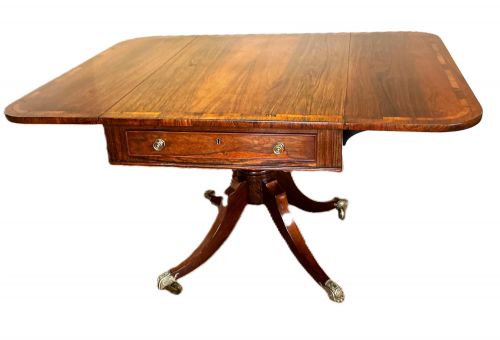
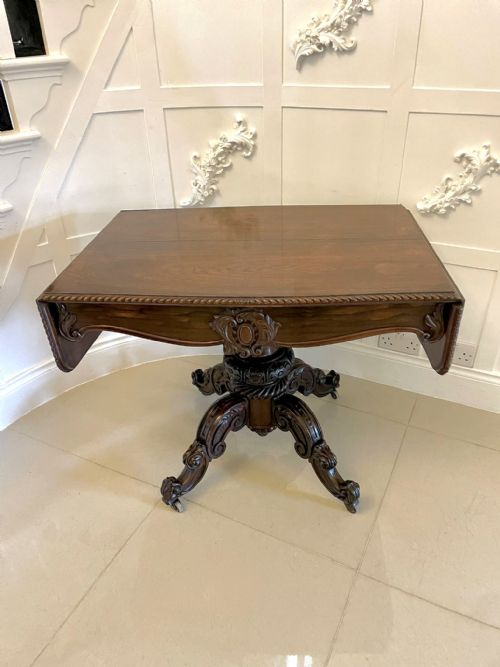
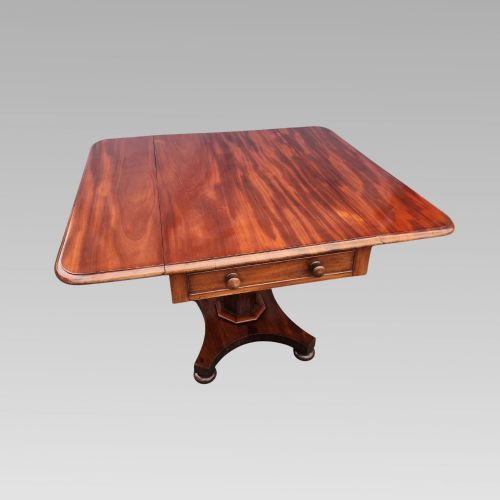
When you search for an antique drop flap desk, you are exploring a selection of writing furniture that includes secretaire chests, secretaire abattants, and sofa tables with drop leaves from the eighteenth and nineteenth centuries. These pieces cross several distinct design movements, including Regency, French Empire, Grand Regency, Biedermeier, and William IV styles. You are most likely to encounter rosewood and mahogany examples alongside burr birch pieces when browsing this inventory.
The objects take various functional forms, shifting between dedicated upright cabinets with vertical fall fronts and low tables featuring hinged flaps. Their origins reflect nineteenth-century craftsmanship alongside earlier eighteenth-century traditions. Each item demonstrates how cabinetmakers adapted writing surfaces to domestic spaces across different European stylistic traditions.

How They Were Made
Maker construction relies heavily on rich timbers such as mahogany, rosewood, and burr birch, often enhanced by intricate marquetry inlay. Structural elements are frequently elevated through the application of cast brass and ormolu mounts.
Surfaces receive careful attention, with some examples incorporating contrasting marble inserts to create durable writing planes. Cabinetmakers united these varied materials using period joinery techniques suited to each distinct regional style.
Retail Price Guide 2026
Typical UK retail prices for drop flap desk, calculated from the Sellingantiques database of over a million retail prices indexed since 2003. This retail price guide relies exclusively on Sellingantiques data; no external sources or auction records are used, so the figures do not describe the wider market.
Listings span the eighteenth and nineteenth centuries, featuring wood, brass, marble, and ormolu across Regency, Biedermeier, and French Empire styles.
What Varies In Quality
Quality in these pieces is dictated by the selection of timber veneers and the precision of the marquetry inlay. Grain matching across large surfaces separates high-status workshops from standard production.
The integration of decorative metalwork, such as ormolu and brass mounts, defines the upper tier of execution. Better examples exhibit crisp detailing in their cast metal components and seamless joins in the underlying wood structure.
The Antique Drop Flap Desk Glossary
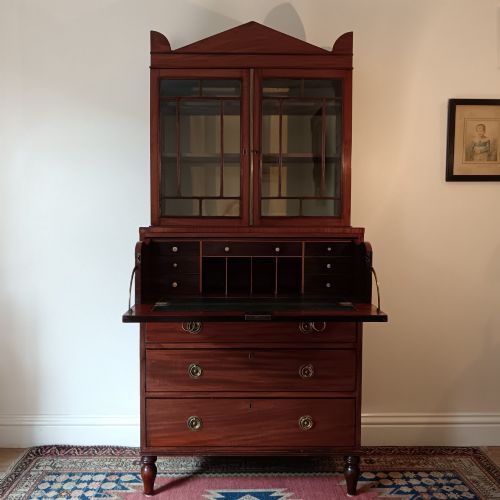
- Secretaire abattant
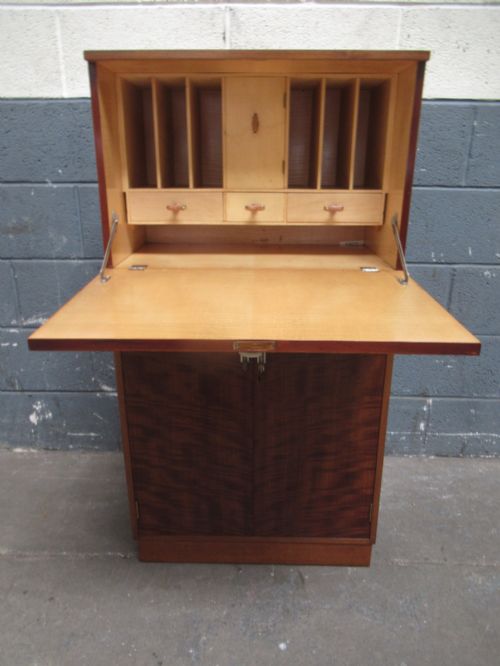
- A vertical writing cabinet featuring a hinged drop-down flap that reveals an interior fitted with small drawers and pigeonholes. This form became popular in continental and English interiors during the nineteenth century.
- Marquetry inlay
- The art of applying decorative pieces of veneer to a structural surface to form pictorial or geometric designs. Craftsmen utilised contrasting timbers like rosewood and birch to achieve visual depth.
- Ormolu
- Gilt-bronze decorative mounts applied to furniture. This technique added metallic lustre and architectural definition to high-end Regency and French Empire pieces.
- Sofa table
- A rectangular occasional table typically featuring drop leaves on either end. Nineteenth-century variants often incorporated drawers and sturdy pillar supports.
- Biedermeier
- A Central European style dating from the first half of the nineteenth century. It prioritised utilitarian comfort and clean lines over excessive ornamentation, frequently showcasing honey-toned woods like burr birch.
Frequently Asked Questions
What is a drop flap desk?
A drop flap desk is a piece of furniture featuring a hinged writing surface that folds down for use and closes up to conceal interior compartments.
Such designs allowed owners to tuck away writing materials quickly, keeping studies and drawing rooms neat when not in use.
How do I identify a Regency desk?
Regency desks typically display classical restraint, balanced proportions, and dark woods like mahogany or rosewood.
They often incorporate brass inlays or mounts reflecting early nineteenth-century British design tastes.
What is Biedermeier style?
Biedermeier furniture originates from Central Europe during the nineteenth century, focusing on domestic warmth and honest construction.
These pieces frequently highlight the natural grain of light timbers such as burr birch without heavy surface embellishment.
Were these desks used for writing?
These desks served as primary writing stations for correspondence, record-keeping, and home administration before the typewriter era.
The drop flaps and interior pigeonholes were specifically organised for stationery, inkwells, and letters.