




Nineteenth Century Japanese Vase
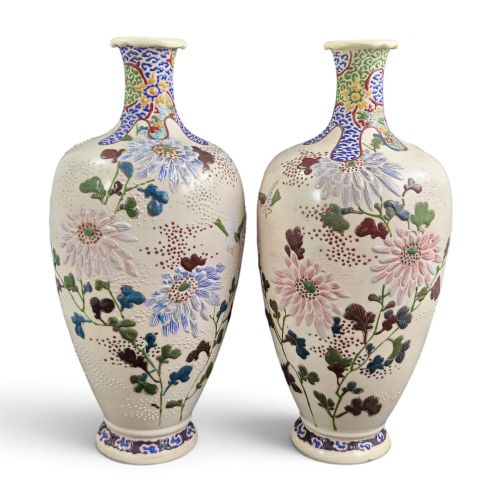
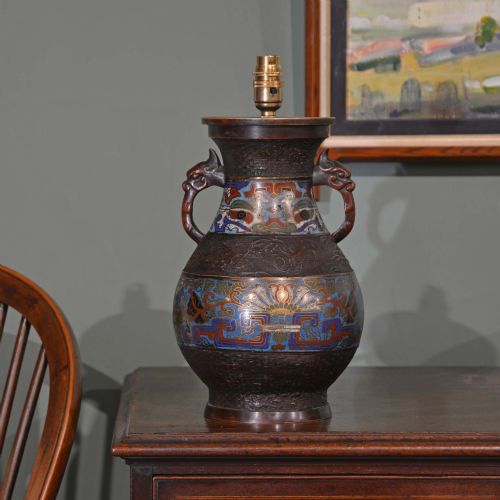
A nineteenth century japanese vase brings hand-painted enamels, rich bronzes and intricate porcelain into a room with striking presence.
Nineteenth Century Japanese Vase
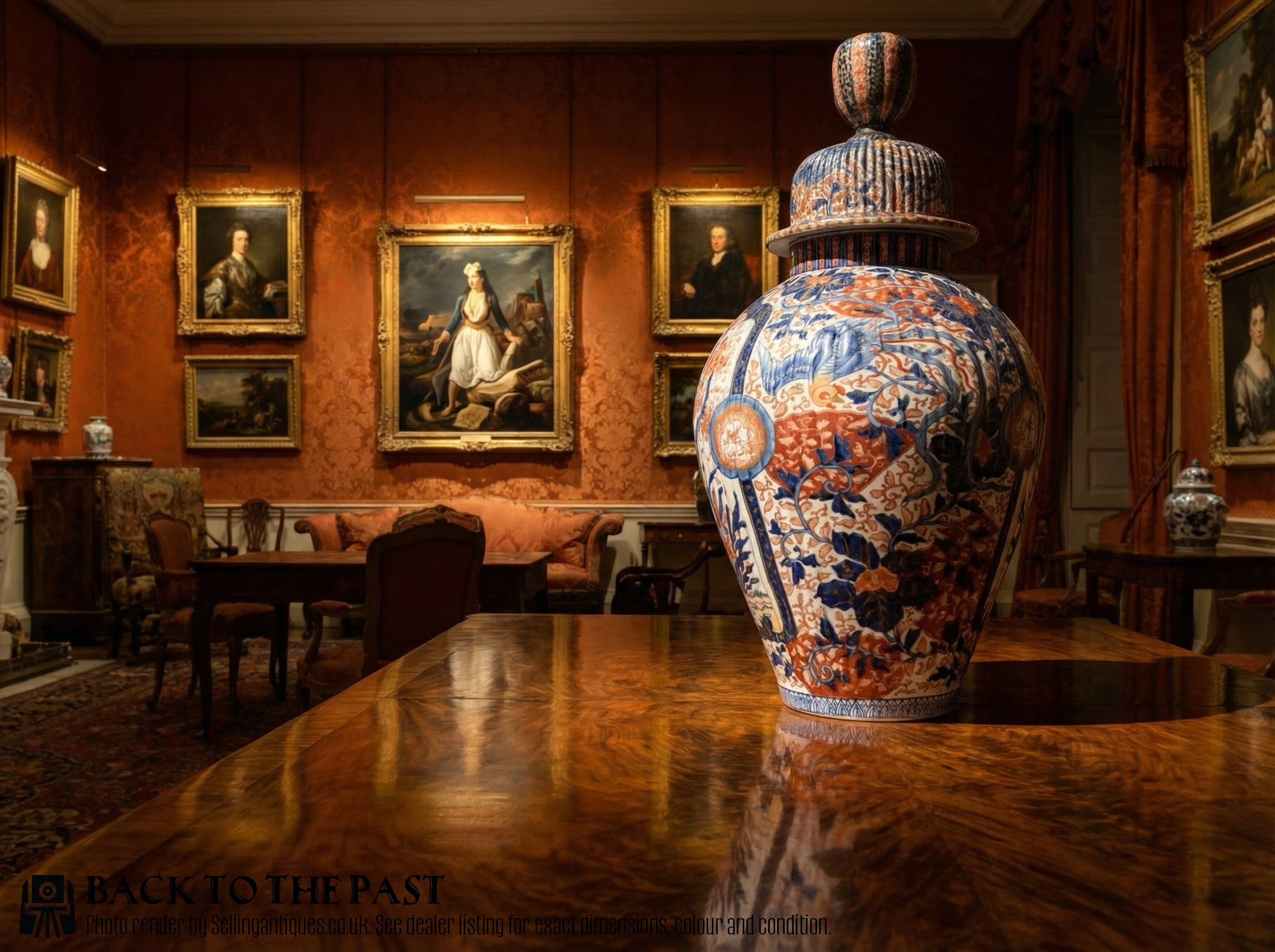
A nineteenth century japanese vase spans decorative vessels, floor urns and jardinieres originating from the Meiji period and Victorian eras. These items include tall Imari palettes, Satsuma earthenware with court figures, and Kutani ware produced around eighteen ninety.
Buyers are most likely to encounter Satsuma earthenware and porcelain Imari vases alongside heavy bronze vessels and converted table lamps. Forms range from compact hand-painted pieces to large decorative pairs measuring up to seventy-six centimetres or fifty-eight inches high.
Assessing Quality
Quality rests on the crispness of the hand-painted details, the weight of the bronze casting and the precision of the moriage relief work. Superior pieces display finely articulated court figures, deep cobalt saturation and intact gold leaf without wear.
The distinction between standard production and exceptional workshop output shows in the balance of the form and the clarity of maker marks. Large pairs maintain symmetry in pattern and scale, demonstrating disciplined craftsmanship across both vessels.
Listings feature nineteenth century Japanese works in bronze, porcelain, earthenware and enamel, encompassing decorative vases, floor urns and jardinieres.
Kinrin Workshop·Nanzan
The Nineteenth Century Japanese Vase Glossary
- Moriage
- A type of raised slip decoration used on Japanese ceramics to create textured pictorial or floral designs. This technique builds up thick layers of clay before glazing and gilding.
- Imari
- A style of Japanese porcelain decorated in underglaze blue and overglaze iron red, gold and black. These palettes originated from port areas and became popular in nineteenth century exports.
- Champleve
- An enamelling technique where troughs or cells are carved into a metal surface and filled with vitreous enamel paste before firing. Bronze vases frequently display this method.
- Kutani
- Japanese porcelain and pottery originating from Kaga province, known for bold coloured enamels and pictorial scenes. Pieces often feature distinct workshop signatures.
- Jardiniere
- A large decorative ceramic or bronze pot designed to hold a live plant or floral arrangement. These vessels frequently match the scale of floor vases.
Nineteenth Century Japanese Vase: Frequently Asked Questions
How do I identify a Meiji period piece?
Meiji period items correspond to the late nineteenth century, spanning dates around eighteen eighty to eighteen ninety-five. Look for stylistic markers such as dense moriage, rich cobalt grounds and Meiji reign associations.
Workshop signatures and specific maker marks provide further chronological clarity. The materials, particularly high-weight bronze and Satsuma earthenware, align with this era of export production.
Were these vases made for export?
Many nineteenth century Japanese vessels were produced specifically for Western markets following the reopening of trade. Large pairs, floor vases and items converted to lamps catered to European and Victorian interior tastes.
Export wares combined traditional Japanese motifs like chrysanthemums and court figures with grand scale suited to Western drawing rooms.
How should I clean a bronze vase?
Dust bronze and champleve surfaces gently with a dry, soft cloth to prevent abrasive damage to the metal or enamel. Avoid chemical polishes that strip away patination accumulated over the decades.
Stable bronze requires minimal intervention beyond removing surface dust. Keep pieces away from direct moisture and damp environments to protect the metal.
Can I use these vases for fresh flowers?
Historical ceramic and bronze vessels function best as decorative display pieces rather than functional containers for water. Earthenware like Satsuma can be porous, and antique glazes or interior liners may not withstand moisture.
Dry botanicals or artificial arrangements suit these vessels without risking internal damage to the antique fabric. Preserving the interior prevents staining and structural degradation.