
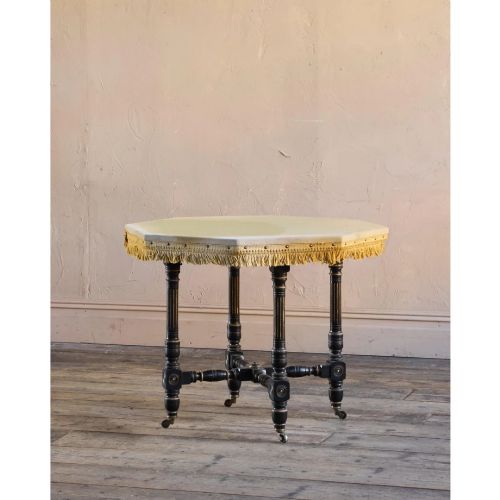
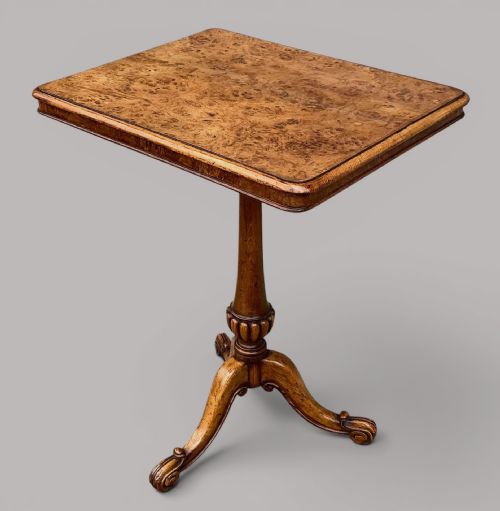
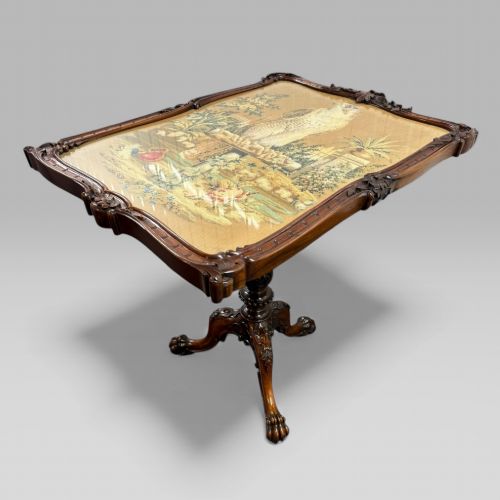
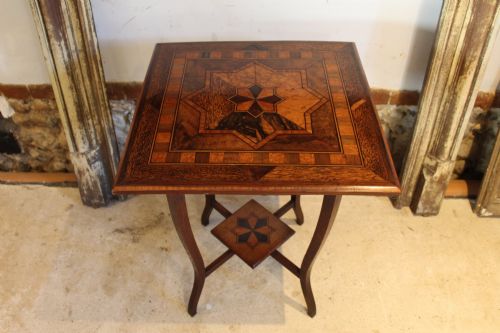
Nineteenth Century Accent Table
A nineteenth century accent table brings rich timbers, fluid forms and practical utility to any sitting room.
Nineteenth Century Accent Table
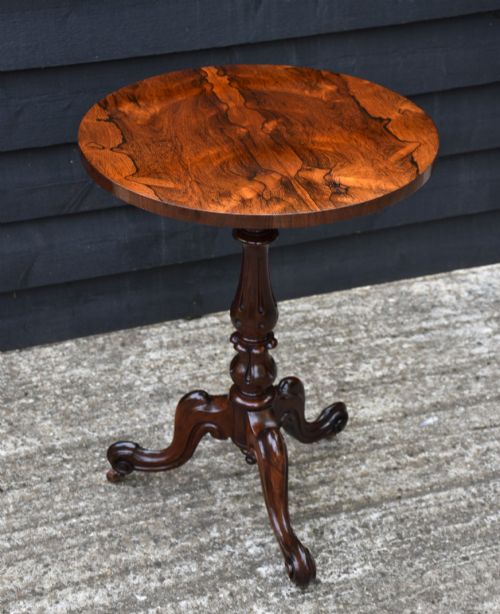
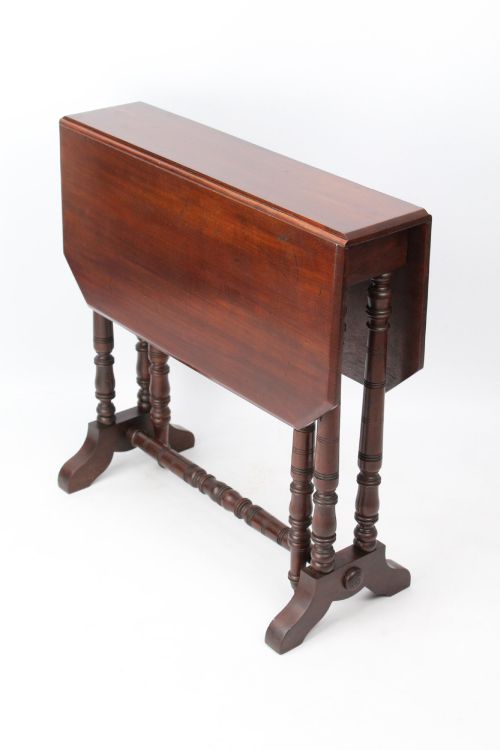
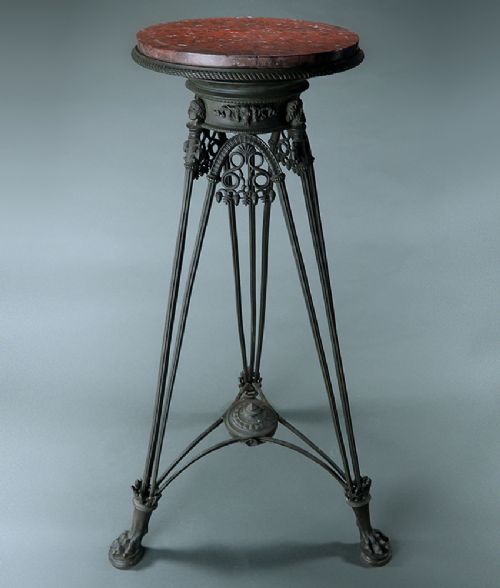
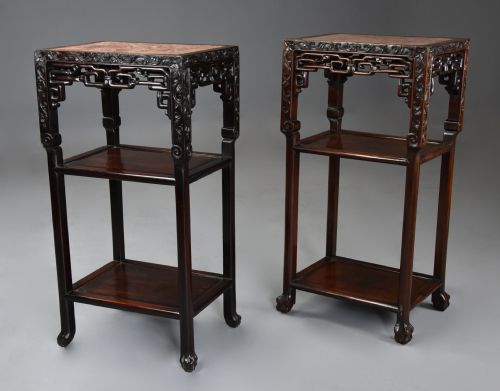
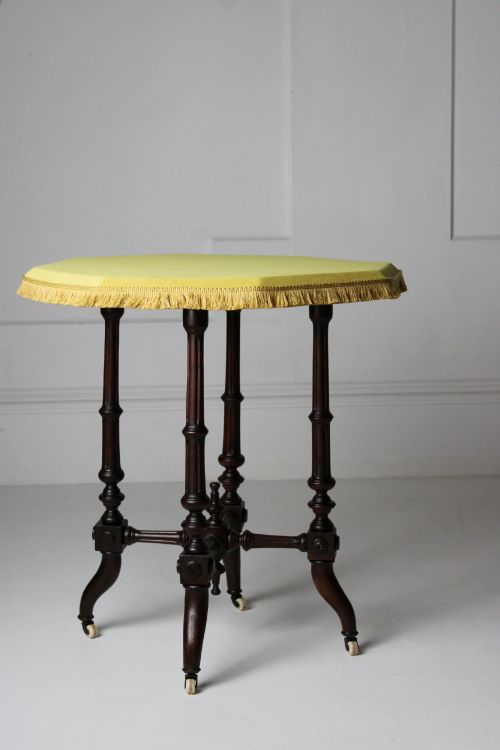
A nineteenth century accent table encompasses versatile occasional forms, including wine tables, lamp tables, Sutherland tables, and guéridons designed for specific domestic tasks. The Victorian and Regency periods dominate the selection, bringing substantial mahogany, rosewood, and walnut frames into the domestic interior.
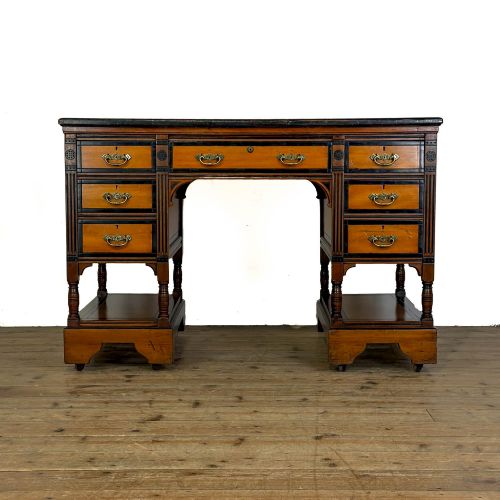
Makers produced these pieces for varied domestic functions, ranging from card playing and writing to displaying plants or holding books beside a hearth. Buyers encounter smaller tripod stands alongside heavier partners desks and centre tables originating from British, French, Italian, and Asian workshops.
Materials and Construction
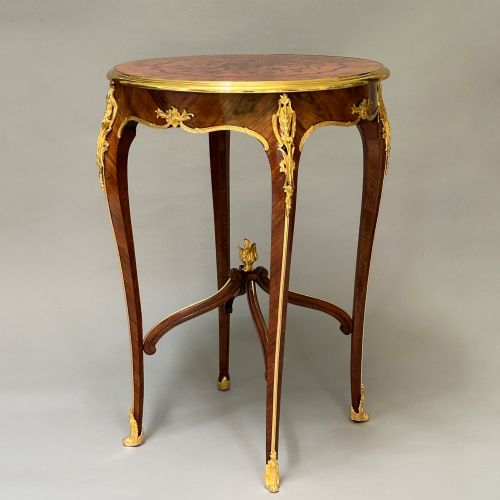
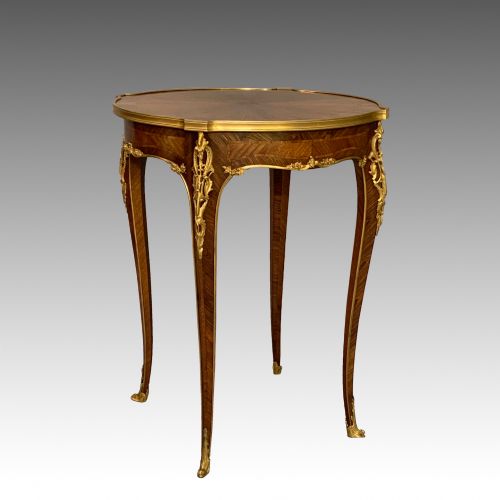
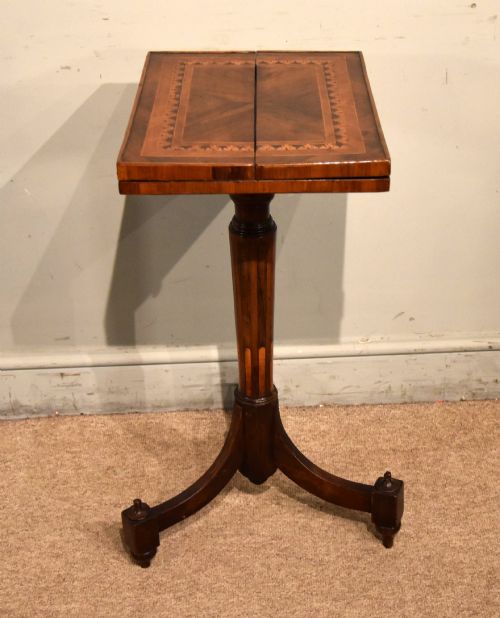
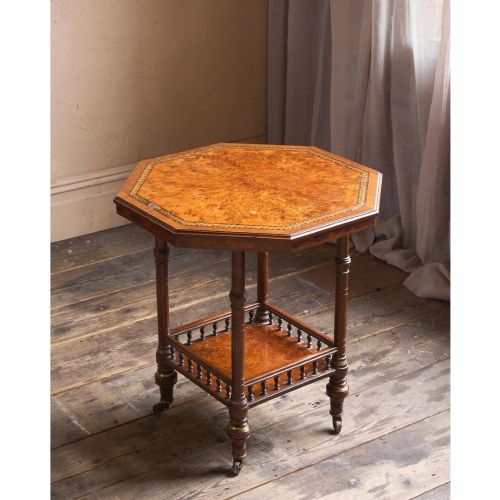
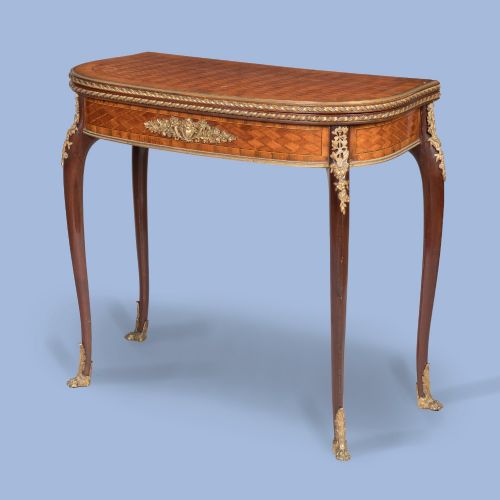
Cabinetmakers utilised dense hardwoods such as mahogany, rosewood, and walnut, often applying intricate veneers like amboyna, satinwood, and kingwood across the primary surfaces. Many tables incorporate contrasting inlays, marquetry, and parquetry geometric patterns to create visual depth on tops and friezes.
Structural embellishments frequently include cast ormolu mounts, parcel gilt details, and hand-painted polychrome decoration, particularly on pieces influenced by the Aesthetic Movement or French revival styles. Turned pedestals, tripod legs, and drop-leaf mechanisms provide both stability and functional flexibility.
Nineteenth Century Accent Table Retail Price Guide 2026
Typical asking prices for nineteenth century accent table among the pieces listed under this phrase on Sellingantiques today, from the lower quarter to the upper quarter. They describe what is for sale here now, not the wider market.
Listings feature woods including mahogany, rosewood, walnut, amboyna, and satinwood across tables from the Victorian and Regency eras.
Assessing Excellence
The distinction between standard workshop output and exceptional craftsmanship lies in the selection of timber veneers and the precision of the joinery. Superior examples display perfectly matched grain patterns, crisp carved details, and robust mechanical components that operate smoothly without binding.
Master cabinetmakers integrated decorative elements such as gilt bronze mounts and marquetry panels with absolute integration, whereas lesser pieces rely on surface-level ornamentation to mask simpler underlying construction. The weight of the timber and the tightness of the leg joints dictate the long-term durability of the frame.
Joseph Emmanuel Zwiener·Hindley and Sons·Gillows·François Linke·Johnstone and Jeanes
The Nineteenth Century Accent Table Glossary
- Guéridon
- A small French table, often supported by a central column or tripod base, designed originally to hold a candlestick or small decorative object.
- Marquetry
- The art of applying decorative pieces of veneer to a structure to form intricate pictorial designs or geometric patterns.
- Sutherland table
- A narrow drop-leaf table where the leaves fold down almost vertically, supported by swinging gate legs.
- Ormolu
- Gilded bronze ornamentation applied to furniture, popular in high-status French and English pieces of the nineteenth century.
- Tripod table
- A small freestanding table supported by a single central pillar resting on three spreading feet.
Nineteenth Century Accent Table: Frequently Asked Questions
What is a nineteenth century accent table used for?
These pieces serve as functional surface areas beside seating, holding lamps, books, or drinks within a domestic interior.
Historically, specific forms were designed for card games, needlework, or displaying decorative ornaments in drawing rooms.
How do I identify a Regency table?
Regency tables typically feature classical motifs, dark rosewood or mahogany timbers, and brass inlay or lion paw feet.
They date from the early nineteenth century and often display cleaner, more restrained lines than later Victorian iterations.
Are these tables suitable for daily use?
Solid hardwood construction and sturdy pedestals make most examples robust enough for holding everyday household items.
Care should be taken with veneered or polished surfaces to prevent moisture marks and direct heat damage.
What distinguishes an Aesthetic Movement table?
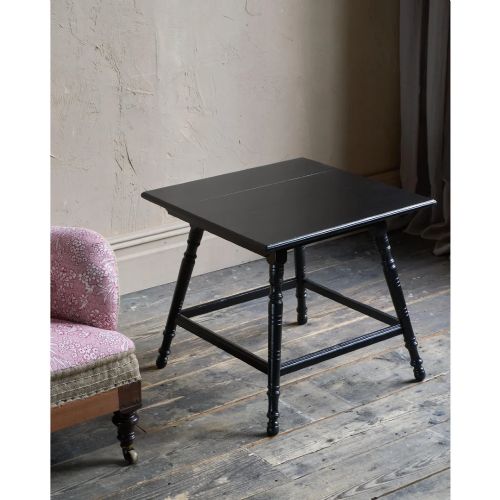
Aesthetic Movement tables often feature ebonised wood, bamboo elements, or simple geometric forms influenced by Japanese design.
They reject heavy Victorian ornamentation in favour of artistic simplicity and asymmetry.