





Neoclassical Urn Stand
These neoclassical urn stand examples elevate heavy stone or bronze vessels, bringing classical proportion and architectural form into domestic interiors through carved wood, marble, and patinated metal.
Neoclassical Urn Stand
A neoclassical urn stand provides a raised platform to display jardinieres, bronzes, and ornamental vessels, following the symmetrical and restrained design principles of the antique world. When searching this phrase, a buyer encounters pieces primarily from the nineteenth century, alongside later revivals from the Edwardian period and the early twentieth century.
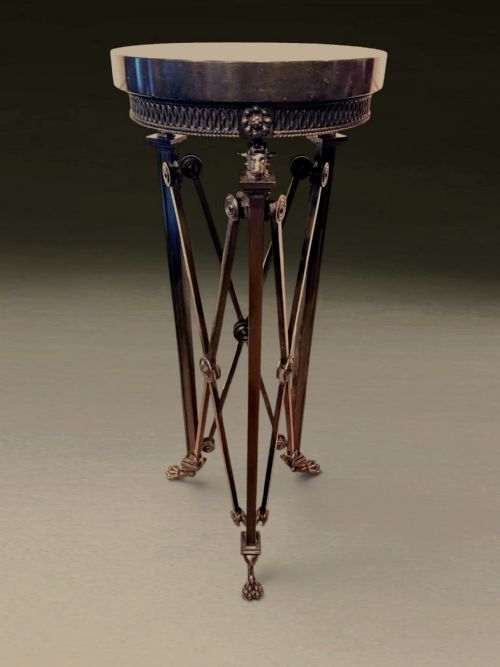
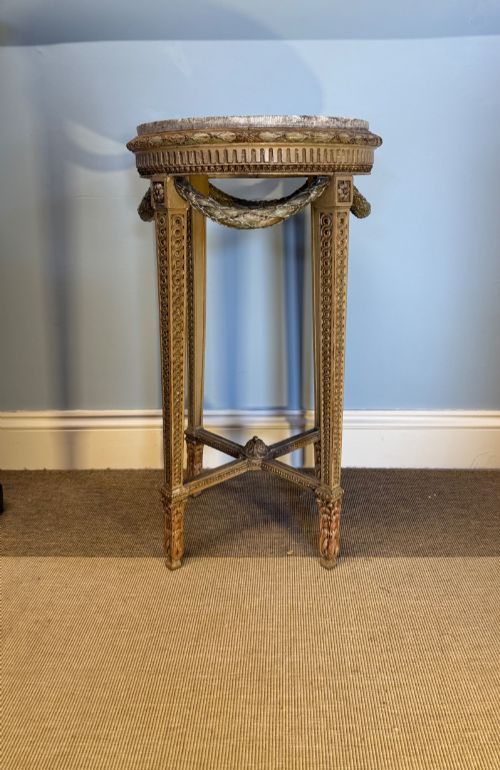
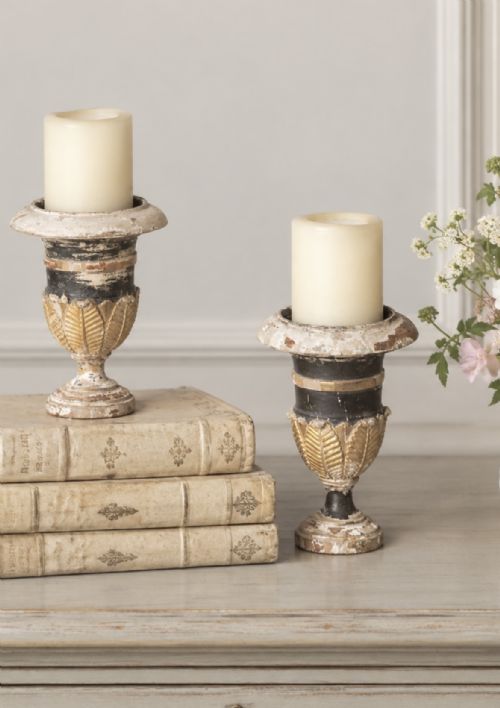
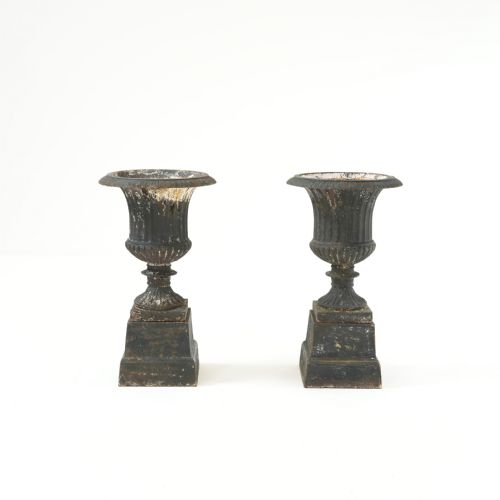
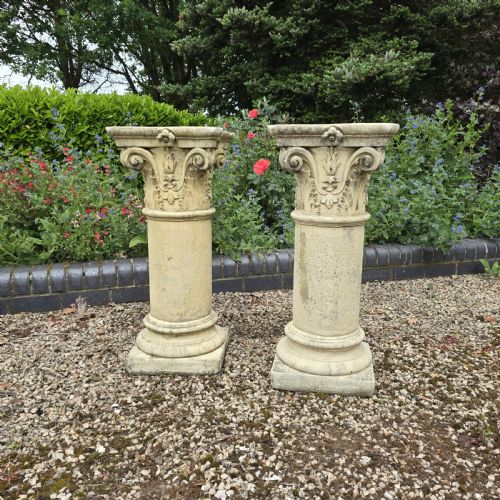
The physical forms on this page span carved pedestals, occasional tables, architectural columns, and tripod tripod Athenienne structures. Many incorporate circular tops supported by tapered legs or fluted columns, designed specifically to hold heavy items such as marble busts, cast iron campana urns, and grand tour souvenirs.
Materials and construction
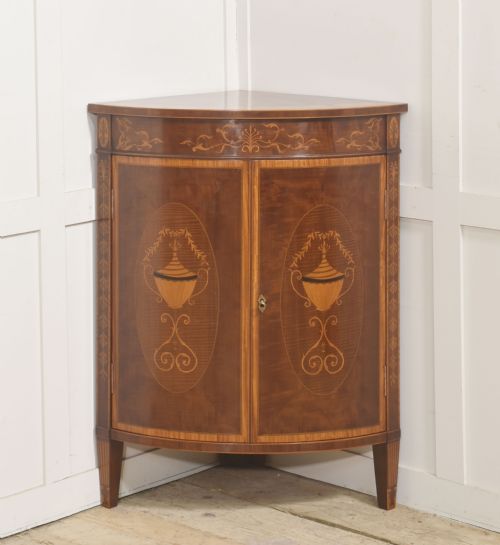
Cabinetmakers and metalworkers utilised a combination of rich timbers, including mahogany and inlaid satinwood, alongside structural metals like cast iron, bronze, and brass. Many nineteenth-century examples feature painted surfaces, carved wood details, and applied ormolu mounts that accent the classical silhouette.
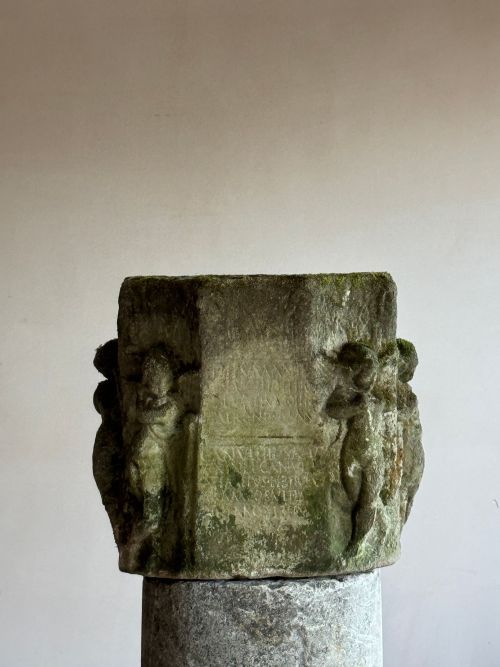
Stoneware, cast stone, and carved Carrara marble frequently form the weightier plinths and torcheres intended for heavier garden urns or interior architectural displays. Joinery techniques range from traditional cabinet construction for wooden pedestals to heavy casting for metal tripod bases and campana urns.
The listings combine nineteenth-century pieces with Edwardian and later revivals, utilising mahogany, marble, bronze, brass, paint, cast iron, and satinwood.
Assessing quality
Quality rests upon the crispness of the carving in wood or marble, the precision of cast bronze and ormolu mounts, and the integrity of the underlying materials. Finer examples display sharp acanthus leaf carving, well-fitted brass or ormolu hardware, and stable structural joinery.
The distinction between standard production and exceptional work lies in the choice of timber grain, such as figured mahogany or finely inlaid satinwood, and the weight and finish of the patinated metal components used in grand tour and revival pieces.
The Neoclassical Urn Stand Glossary
- Campana urn
- A bell-shaped classical vessel with a flaring rim, frequently mounted on a square plinth or column. These forms derive from ancient Roman stone prototypes.
- Athenienne
- A tripod stand supporting a basin or small urn, styled after ancient Greek or Roman domestic furniture. This form gained popularity during the neoclassical and Empire revivals of the nineteenth century.
- Torchere
- A tall, slender stand or candlestick designed to hold a light or an ornamental urn at elevated height. They appear in carved wood and classical column designs.
- Grand tour
- A cultural journey undertaken by nineteenth-century travellers who collected small bronzes, marbles, and architectural fragments as souvenirs. These items often required dedicated stands or miniature pedestals.
- Ormolu
- Gilt bronze mounted onto furniture or decorative objects to provide contrasting metallic highlights. The technique involves applying a gold amalgam to a bronze base.
Neoclassical Urn Stand: Frequently Asked Questions
What holds an urn stand steady?
These stands utilise solid wooden framing, heavy marble bases, or weighted metal tripod legs to support heavy stone and bronze vessels safely.
Larger columns and pedestals rely on a wide footprint and dense materials like cast iron or Carrara marble to distribute the load of the urn above.
Where do I place an urn stand?
An urn stand fits well in hallways, corners of reception rooms, or near windows where natural light highlights the carved wood, marble, or bronze details.
They function best as focal points for displaying sculptural objects, plants, or decorative jardinieres rather than as general-use furniture.
How do I identify nineteenth century stands?
Nineteenth-century examples show hand-cut joinery in the timber frames, heavier casting in the bronze or iron components, and patination consistent with age.
Stylistic cues such as Sheraton revival inlay, Empire ormolu mounts, and classical columns help distinguish these periods from later twentieth-century reproductions.
Can these stands support heavy stone vessels?
Many stands listed from the nineteenth century are engineered from marble, cast iron, or dense mahogany specifically to bear the substantial weight of stone urns.
Checking the material composition and the stability of the central column ensures the stand is suited for heavy cast stone or marble pieces.