
19th Century Bronze Pedestal
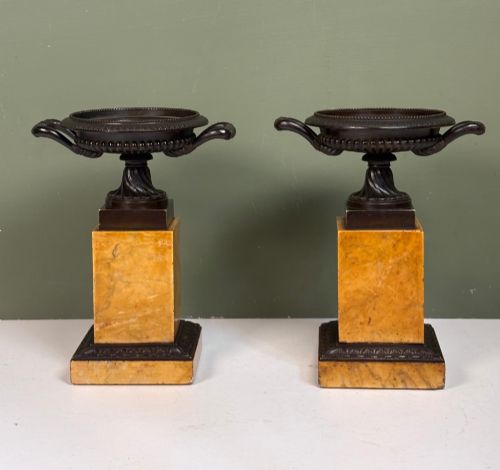
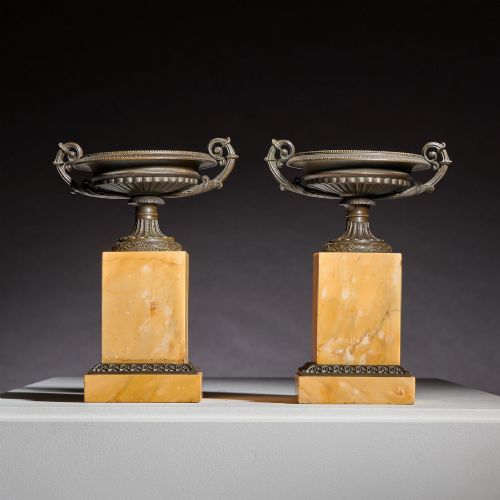
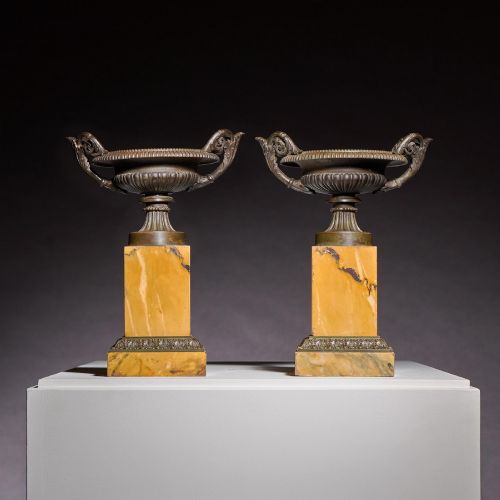
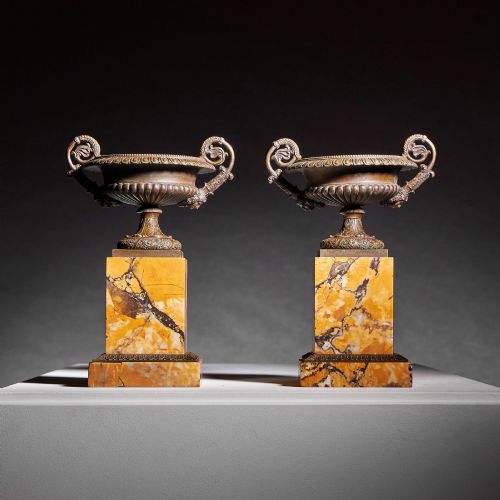
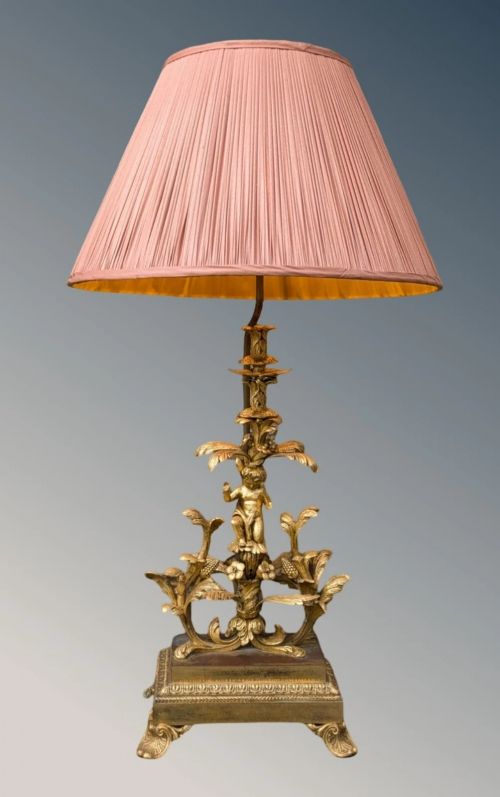
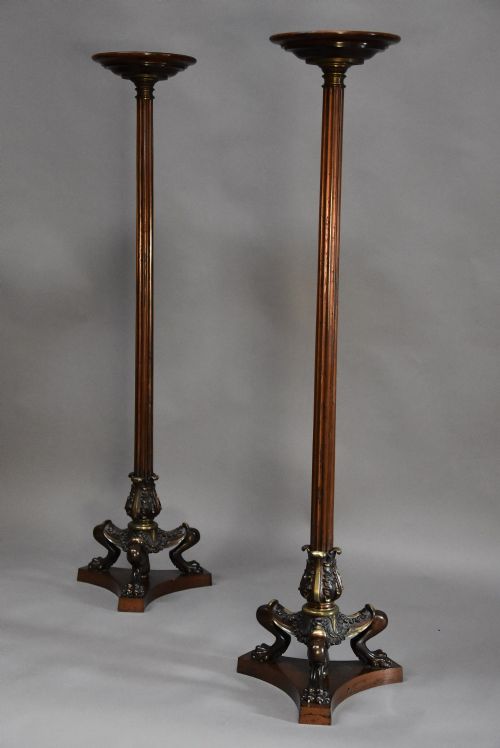
When you search for a 19th century bronze pedestal, you are looking for structural display mounts and elevated supports that lift classical urns, tazzas, and sculptures into the room.
19th Century Bronze Pedestal
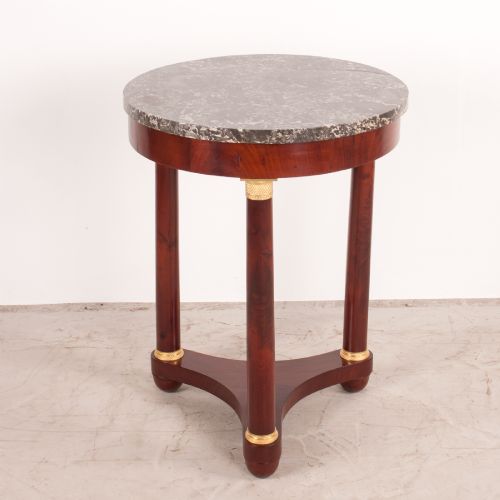
A 19th century bronze pedestal encompasses elevated display supports, columnar stands, and integrated plinth bases designed to showcase decorative objects. These forms draw heavily from French Empire, Neoclassical, and Regency idioms, translating ancient architectural vocabulary into domestic ornament.
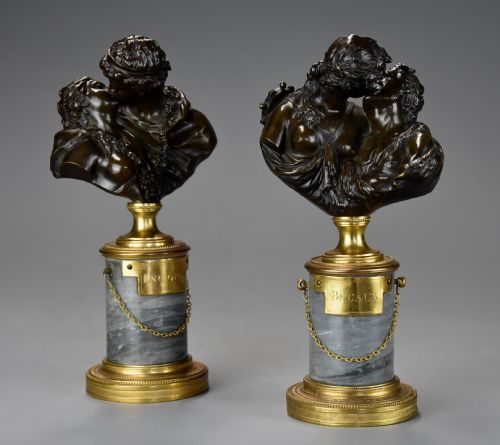
The objects meeting this description frequently combine metal casting with dense stone or ceramic elements, creating sturdy platforms for display. They appear as standalone columns, stepped bases for tazzas, and structural mounts for portrait busts or decorative urns.
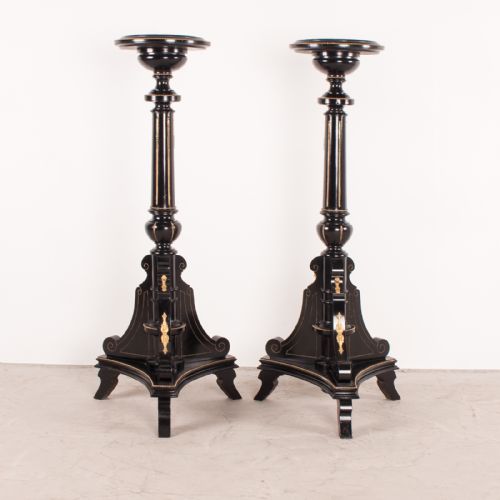
Originating largely from French, Italian, and British workshops, these pieces reflect the nineteenth-century passion for classical antiquity and Grand Tour souvenir culture. Buyers encounter them in varied configurations, from slender torcheres to robust marble columns fitted with metal collars.
How they were made
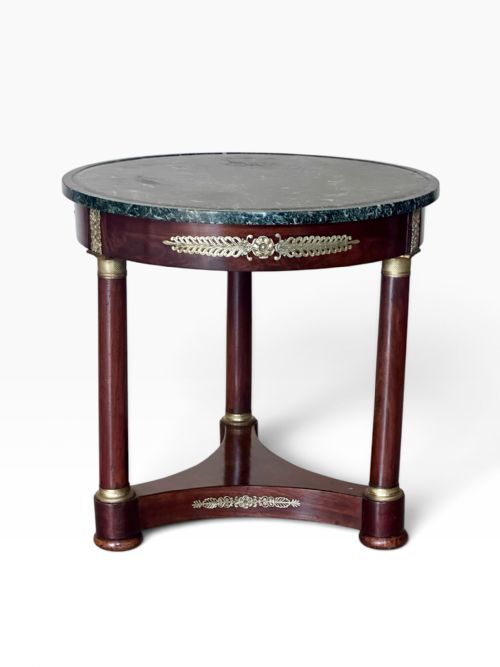
The construction of a 19th century bronze pedestal relies on the combination of cast metal and supportive natural materials. Foundries utilised bronze, patinated bronze, and ormolu alongside carved marble, onyx, mahogany, and porcelain to achieve contrasting textures and structural rigidity.
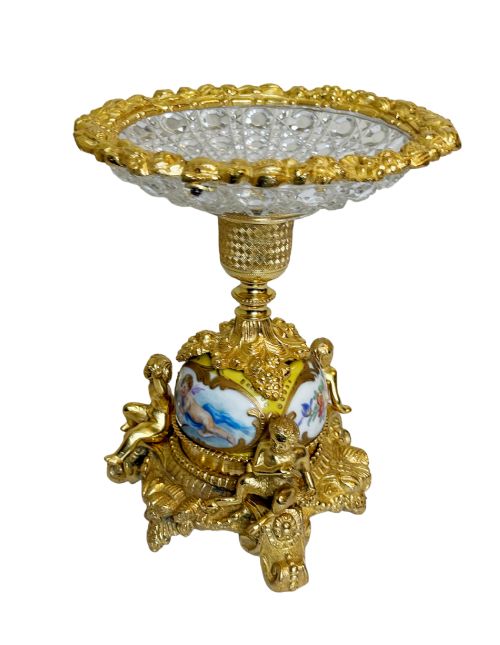
Metal components were cast using traditional methods, then chased and finished by hand to sharpen architectural details or figural reliefs. Ormolu mounts and gilt bronze elements were frequently fire-gilded and secured mechanically to stone columns, wooden bases, or ceramic bodies.
Grand Tour travellers routinely packed classical bronze urns into their luggage, hoping their luggage straps would survive the journey home.
What varies in quality
The distinction between standard commercial output and superior craftsmanship lies in the crispness of the metal chasing and the selection of raw materials. Finer examples display deeply undercut bronze casting, meticulous hand-finishing, and high-grade decorative stones like Siena marble or malachite rather than painted substitutes.
Proportion and architectural balance dictate the overall success of the piece, with better workshops maintaining strict classical ratios across columns, collars, and stepped plinths. The integration between dissimilar materials, such as bronze fittings meeting polished stone shafts, reveals the maker's technical precision.
Jean Antoine Houdon·Sir Thomas Brock·George Smith·Thomas Hope
The 19th Century Bronze Pedestal Glossary
- Ormolu
- Gilded bronze, where a mixture of gold and mercury is applied to a bronze base and heated. This French technique produces a rich, durable golden surface seen on mounts and decorative details.
- Campana urn
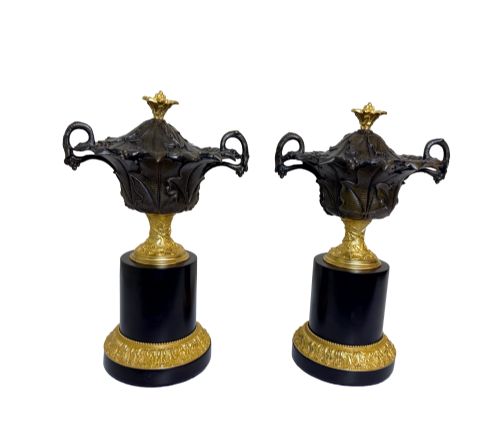
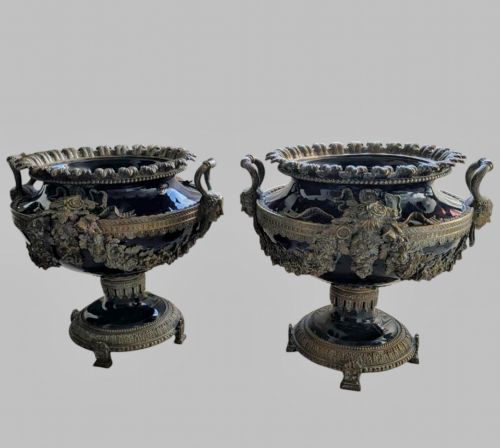
- A bell-shaped classical vessel with an everted rim and a footed base. Originating in ancient Rome, these forms were widely reproduced in bronze and spelter during the nineteenth century.
- Tazza
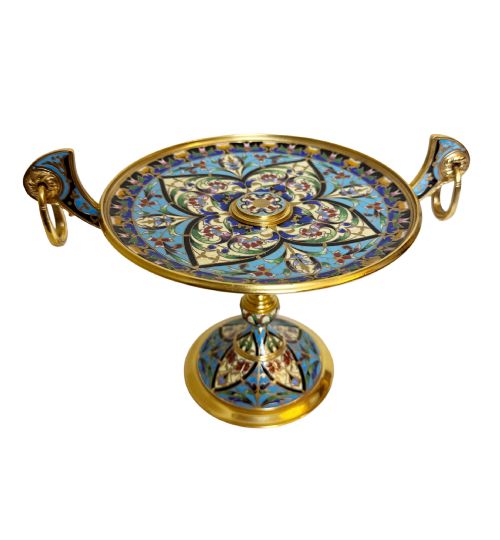
- A shallow saucer-like dish or cup mounted on a stem and foot. They frequently appear in bronze, marble, and porcelain as decorative table centerpieces.
- Torchere
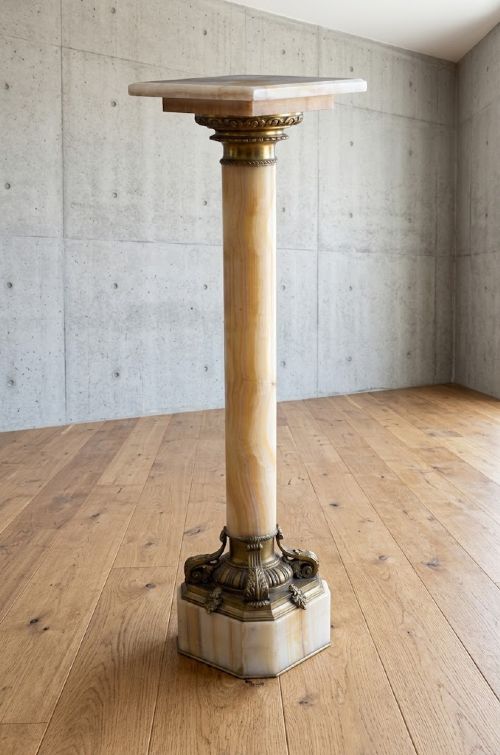
- A tall ornamental stand or candlestick designed to hold a light source or display an object at height. In nineteenth-century interiors, they often took the form of slender wooden or onyx columns.
- Champleve
- An enamelling technique where troughs or cells are hollowed out of a metal surface and filled with vitreous enamel. The piece is then fired and polished flat.
19th Century Bronze Pedestal: Frequently Asked Questions
What is a 19th century bronze pedestal used for?
These supports were designed to elevate decorative items such as urns, clocks, and sculptures above floor or table level. By raising the object, makers ensured it caught the light and commanded visual attention within a period interior.
They served both domestic and gallery functions, acting as architectural furniture that brought classical proportions into nineteenth-century drawing rooms.
How do you style a bronze pedestal today?
Placing a heavy stone or metal pedestal requires a stable surface and careful consideration of traffic flow in a room. They work effectively in corners or empty alcoves where their vertical lines can break up flat wall expanses.
To balance the composition, pair the stand with a complementary object of contrasting material, such as a glass bowl or a patinated bronze figure placed on top.
How can you tell the period of a pedestal?
Dating relies on examining the casting methods, material combinations, and stylistic motifs present in the piece. Nineteenth-century examples often draw directly from Regency, Empire, or Neoclassical revivals, utilising specific patination techniques and assembly methods.
Tool marks on the underside of castings and the integration of period secondary woods or natural stones help confirm the era of manufacture.
What is the difference between bronze and spelter?
Bronze is an alloy of copper and tin known for its strength, weight, and capacity to hold fine detail during the casting process. Spelter, a zinc-based alloy, is softer, lighter, and was frequently used as a cheaper alternative for decorative figures and urns.
Under close inspection, bronze reveals a denser grain and deeper patination, whereas spelter often shows a lighter metallic core beneath worn surface finishes.