






Neoclassical Porcelain Figurine
A neoclassical porcelain figurine brings classical mythology and portraiture into the home through refined ceramic modelling.
Neoclassical Porcelain Figurine
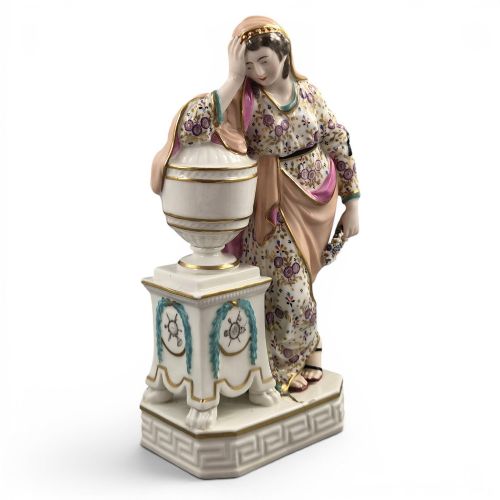
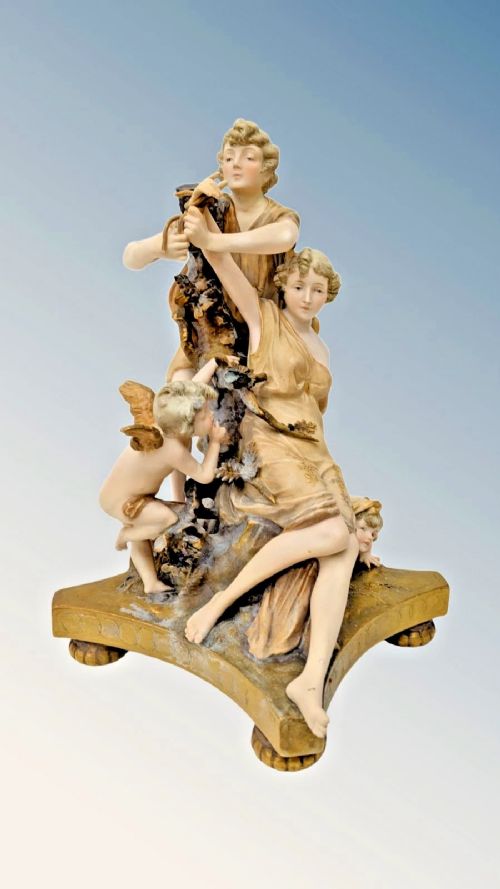
A neoclassical porcelain figurine depicts figures from classical antiquity, mythology, and allegorical subjects spanning the Georgian, Victorian, and later nineteenth-century periods. These works translate ancient sculptural forms into domestic ceramic scales, utilising historical models from notable European factories.
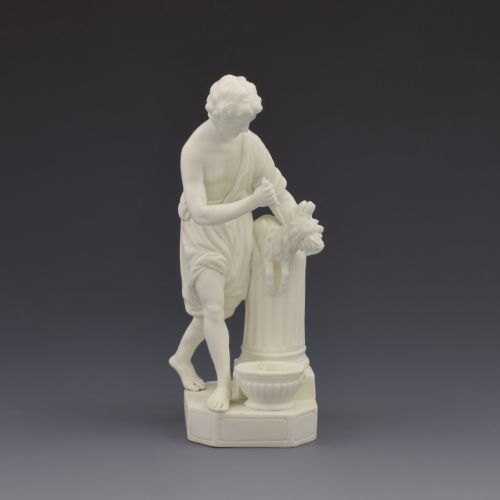
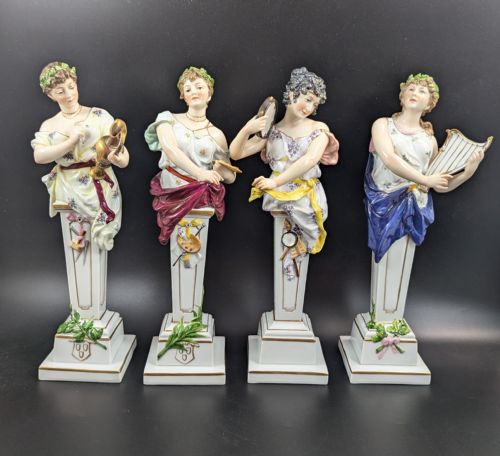
The objects appearing in this inventory include single figures, paired groups, and portrait busts modelled after classical subjects and later revival designs. Prominent examples range from eighteenth-century biscuit porcelain groups of mythological figures to nineteenth-century parian ware studies of classical maidens.
Originating from English and continental manufactories, these pieces manifest the enduring nineteenth-century taste for classical antiquity in both glazed porcelain and unglazed biscuit bodies. Buyers encounter both early polychrome glazed figures with gilt highlights and unglazed white ceramic bodies designed to imitate carved marble.
Materials and Manufacture
Makers utilised various ceramic compositions including soft-paste porcelain, hard-paste porcelain, and unglazed parian or biscuit porcelain. Parian ware, developed during the nineteenth century, allowed manufactories to produce fine-grained ceramic bodies that resembled carved marble without requiring a glaze.
Many eighteenth-century pieces combine hand-painted enamel colours with gold leaf highlights applied over a white glaze. Modelled figures were cast or pressed in moulds, often requiring careful assembly of separate limbs, drapery, and bases before firing.
Unglazed biscuit and parian porcelain figures rely entirely on the crispness of the original mould and subsequent hand-finishing to define the intricate folds of classical drapery and facial expressions.
Listings feature 18th-century, Georgian, and 19th-century Victorian periods, using porcelain, parian, and biscuit porcelain materials in neoclassical styles.
Judging Quality
In painted examples, the subtlety of the enamel palette and the neat application of gilt highlights determine the aesthetic merit of the piece. For unglazed parian and biscuit figures, the smoothness of the ceramic surface and the absence of firing blemishes define the standard of execution.
Derby·Royal Worcester·Meissen·Sevres·Copeland·Achille Mollica·Ernst Wallace
The Neoclassical Porcelain Figurine Glossary
- Parian porcelain
- A fine-grained unglazed porcelain developed in the nineteenth century to imitate carved marble. It is frequently seen in Victorian classical figures and portrait busts.
- Biscuits
- Un-glazed porcelain fired once to a state resembling porous biscuit ware. It provides a matte finish that highlights sculptural form.
- Soft-paste porcelain
- An artificial porcelain composition fired at lower temperatures than hard-paste porcelain. It was widely used by eighteenth-century European factories for figures and groups.
- Gilt
- A thin layer of gold applied to ceramic surfaces for highlights and decoration. It is often combined with hand-painted enamel colours.
- Neoclassical
- An artistic movement reviving the forms, motifs, and ideals of classical antiquity. It dominated European decorative arts from the mid-eighteenth through the nineteenth century.
Neoclassical Porcelain Figurine: Frequently Asked Questions
What is a parian figurine?
A parian figurine is an unglazed porcelain sculpture developed during the nineteenth century to imitate white marble. These figures depict classical subjects and literary characters with a matte finish.
The material allowed nineteenth-century potteries to produce affordable domestic sculptures that captured the neoclassical aesthetic popular during the Victorian era.
How do I date a porcelain figure?
Dating relies on stylistic clues, ceramic bodies, and factory marks where present. Eighteenth-century pieces often utilise soft-paste porcelain and hand-painted enamel palettes.
Nineteenth-century examples frequently employ parian ware or hard-paste porcelain, often reflecting Victorian revivals of earlier neoclassical models.
Were these figures meant for display?
These ceramic works were created as decorative cabinet pieces and table ornaments for middle and upper-class domestic interiors. They served as symbols of classical learning and refined taste.
Collectors placed them on mantelpieces, pedestals, and side tables alongside other works of art.
What is biscuit porcelain?
Biscuit porcelain is fired ceramic material left without a glossy glaze. It reveals the pure form of the modelled subject without surface reflection.
This technique was favoured for classical figures because it closely resembled the texture of carved antique marble.