



Austrian Terracotta Figurine
These pieces of austrian terracotta figurine are sculptural works captured in fired earth that bring expressive realism and late nineteenth-century character to an interior.
Austrian Terracotta Figurine
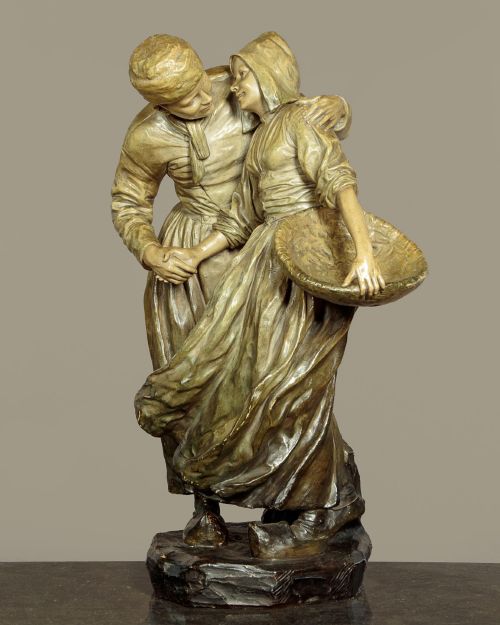
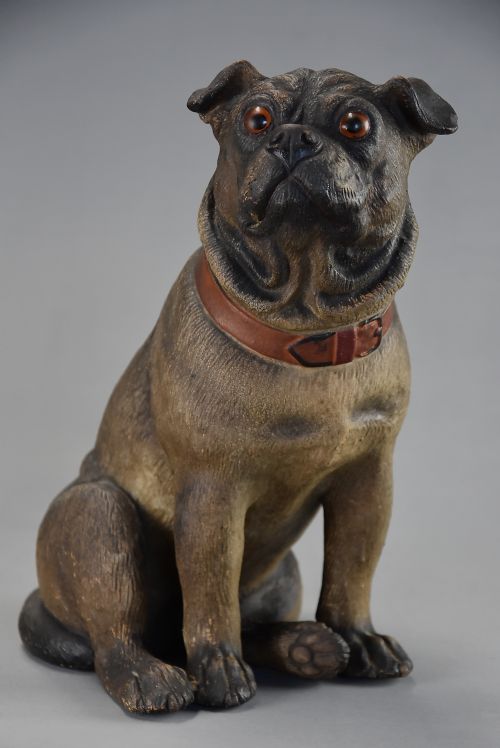
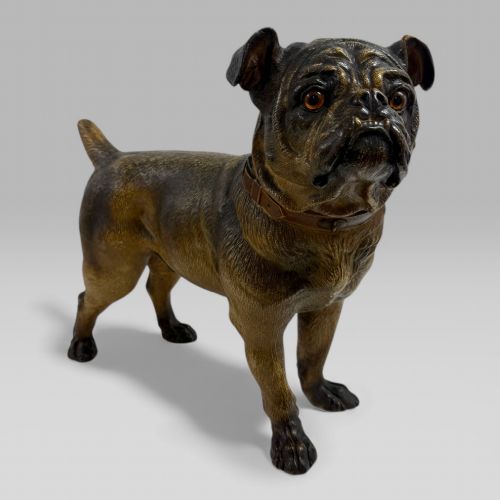
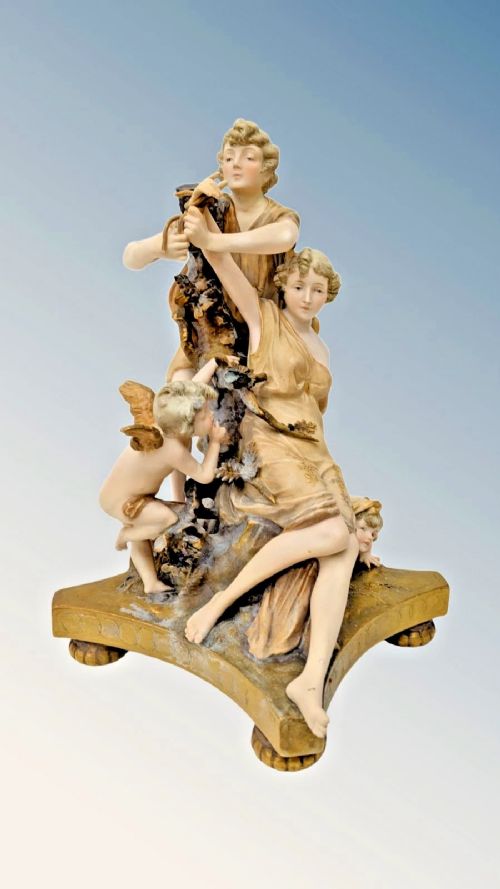
An austrian terracotta figurine encompasses sculptural figures, busts, and animal models originating from the late nineteenth and early twentieth centuries. The selection on this page ranges from naturalistic depictions of pugs to classicised maiden figures and expressive character studies.
Buyers frequently encounter works associated with the Art Nouveau and Victorian periods, often taking the form of female subjects, allegorical groups, or domestic animals. These pieces reflect the prominent sculptural output of Austrian workshops during the decades around nineteen hundred.
Materials and Methods
The integration of painted decoration and cold-painted finishes highlights the decorative ambition of these workshops. Artists combined matte and tinted pigments directly onto the porous ceramic body to heighten the sculptural depth of each figure.
Listings feature terracotta, earthenware, and ceramic materials spanning the nineteenth century, eighteen-eighties, eighteen-nineties, nineteen hundred, and nineteen-ten.
Assessing the Workmanship
Quality rests in the crispness of the modelling and the sensitivity of the surface painting, where sharper definition in facial expressions and clothing folds distinguishes finer outputs. The preservation of original polychrome or bronzed slip finishes directly influences the visual strength of a piece.
Scale and ambition also divide simpler figures from more complex figure groups and life-size animal sculptures. Greater mastery is evident in works that capture dynamic posture and anatomical realism without losing the integrity of the terracotta base.
Goldscheider·Friedrich Goldscheider·Ernst Wallace·Bernard Bloch·Ernst Whaliss
The Austrian Terracotta Figurine Glossary
- Terracotta
- A porous, fired clay body used as the primary medium for these sculptures. It takes fine detail before firing and provides a stable base for polychrome paint or bronzed slip.
- Polychrome paint
- Multiple colours applied to the surface of a ceramic sculpture. This technique brings realistic flesh tones and patterned textiles to figurative works.
- Slip cast
- A manufacturing method where liquid clay is poured into a mould to produce hollow sculptural forms. It allowed workshops to replicate complex figures with consistent proportions.
- Cold painted
- Paint applied to a finished object without subsequent firing. This decorative finish requires careful handling to preserve the original pigment layers over time.
Austrian Terracotta Figurine: Frequently Asked Questions
How were these figures used?
Pug dogs, maidens, and busts served as interior ornaments for nineteenth-century drawing rooms and parlours. They added focal points to mantelpieces, sideboards, and entryways.
Owners displayed them to signal an appreciation for contemporary continental design and narrative sculpture.
How do I care for terracotta?
Keep these sculptures in dry indoor environments away from direct moisture and humidity. Dust them gently with a soft brush rather than liquid cleaners.
Because the surfaces often feature cold-painted pigments, avoiding abrasive materials prevents damage to the original finish.
How do I identify periods?
Look to the stylistic cues, such as flowing organic lines for Art Nouveau pieces or heavier ornamentation for Victorian works. Maker marks and signatures also assist in dating.
Dates recorded across these listings span from the eighteen-eighties through to nineteen-ten, aligning with the operational peaks of major Viennese potteries.