




Turn Teplitz Ceramics
Turn teplitz ceramics bring flowing lines and intricate painted details into a room, offering the distinct organic forms of the turn of the century.
Turn Teplitz Ceramics
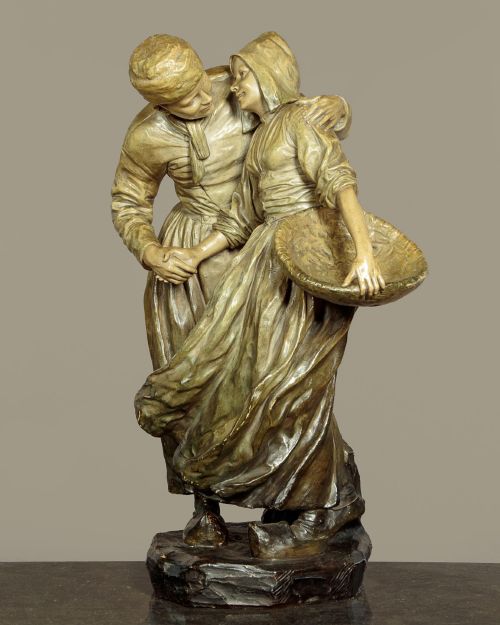
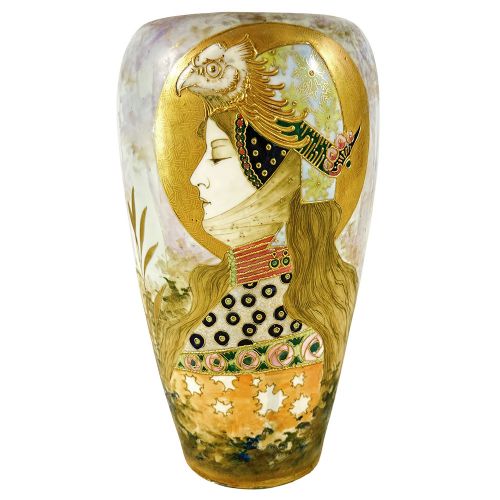
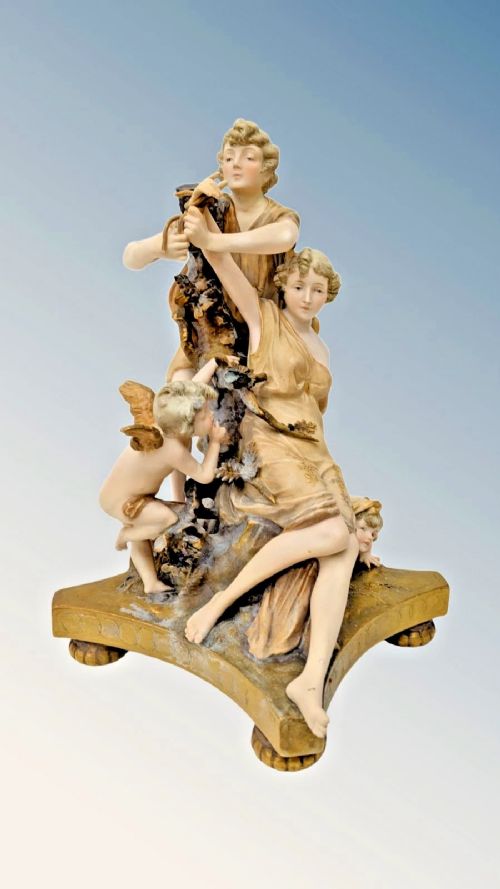
Turn teplitz ceramics encompass a rich variety of decorative objects originating from Central Europe during the late nineteenth and early twentieth centuries. When searching for turn teplitz ceramics, collectors encounter an array of vases, figurative sculptures, ewers, and wall plaques that showcase the creative output of this famous region. Art Nouveau and Neoclassical styles dominate these pieces, capturing the aesthetic movements of the era with striking visual presence.
The objects available range from large monumental pottery vases to delicate porcelain figures and majolica jardinieres. Most items date from the period around nineteen hundred, reflecting the height of Austrian ceramic artistry and design innovation. Buyers frequently find works featuring organic motifs, female figures, and mythological subjects rendered in three dimensions.
Materials and methods
Potters and sculptors utilised porcelain, earthenware, and terracotta as the primary bodies for these decorative works. Artisans shaped the clay into complex sculptural forms, often combining thrown elements with intricate mouldings and applied details.
Makers finished the pieces using specialised glazes, hand painted decorations, enamel, and applications of gold leaf or gilt. These surface treatments highlighted the flowing contours typical of the period and added depth to the ceramic relief work.
Materials recorded on this page include porcelain, terracotta, earthenware, enamel, and gold leaf.
Evaluating the pieces
The distinction between standard production items and exceptional works lies in the crispness of the modelling and the sophistication of the hand painting. Finer pieces display meticulous attention to detail in facial expressions, drapery, and botanical elements.
The application of gilding and enamel work also signals the tier of a piece, with superior examples showing precise brushwork and rich, well-preserved metallic surfaces. Additionally, the complexity of the form and the clarity of factory marks influence the standing of an individual object.
Goldscheider·Reissner Stellmacher and Kessel·Ernst Wahliss·Julius Dressler·Royal Dux·Paul Dachsel
The Turn Teplitz Ceramics Glossary
- Ewer
- A large jug with a wide spout and a decorative handle, often used as a display vessel in ceramic art.
- Terracotta
- Fired unglazed clay of a brownish-red colour, frequently utilised for sculptural figures and relief plaques.
- Majolica
- A type of earthenware coated with an opaque tin glaze and painted with bright colours.
- Gilt
- A thin layer of gold applied to the surface of porcelain or pottery to accentuate relief details.
- Cornucopia
- A horn-shaped container traditionally symbolizing abundance, often adapted into decorative vase designs.
Turn Teplitz Ceramics: Frequently Asked Questions
What are turn teplitz ceramics?
Turn teplitz ceramics refer to decorative pottery, porcelain, and terracotta objects produced by various factories in the Teplitz region of Bohemia during the late nineteenth and early twentieth centuries. These works are renowned for their artistic ambition and adherence to contemporary design movements.
Craftsmen produced an extensive range of items, from utilitarian vessels transformed into art pieces to sculptural figures and architectural plaques. The output captures a specific moment in European decorative arts history.
How were these pieces used?
Most of these items served as ornamental display pieces in middle-class and affluent homes of the period. Vases held floral arrangements, while figures and ewers added sculptural interest to mantelpieces, sideboards, and drawing rooms.
Certain items, such as jardinieres, functioned as indoor plant holders, combining utility with artistic design. Their primary role was visual enrichment of interior spaces.
How should I live with them?
Living with these ceramics involves placing them in stable locations where their detailed glazes and delicate forms remain secure from accidental knocks. Position them away from direct, harsh sunlight to preserve the vibrancy of hand painted enamel and gilt surfaces.
Pairing them with simple, complementary surroundings allows the complex organic lines and sculptural presence of the Art Nouveau style to stand out. Regular dusting with a soft, dry cloth keeps the surfaces clean without risking moisture damage.
How do I identify periods and styles?
Identifying the period and style relies on examining the characteristic motifs, such as whiplash lines, stylized flora, and flowing female hair typical of Art Nouveau. Neoclassical elements, such as classical drapery and symmetrical urn shapes, point toward earlier or more conservative designs.
Factory marks, impressed numbers, and artist signatures found on the base provide definitive clues to the date and origin. Comparing the modelling style to known works from the region helps narrow down the timeframe.