
Edwardian Floral Vase
When you search for an edwardian floral vase, you are looking at early twentieth-century ceramic and glass vessels that bring painted blooms into domestic interiors.
Edwardian Floral Vase
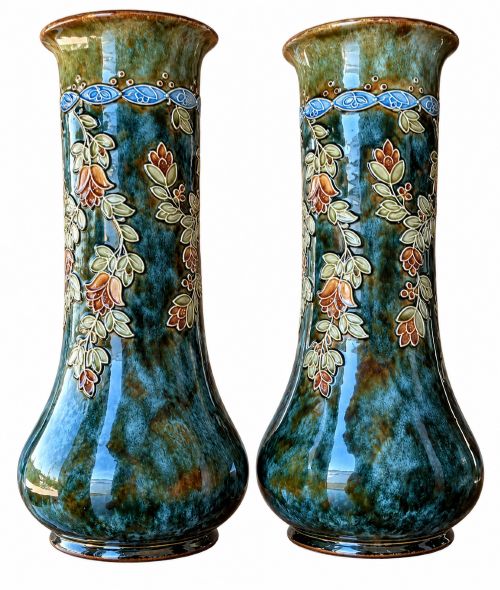
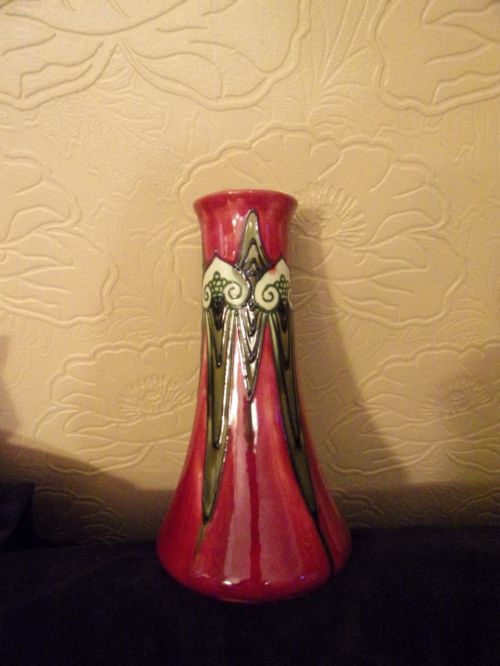
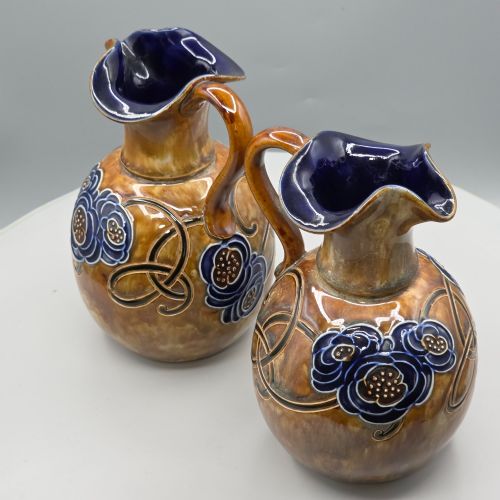
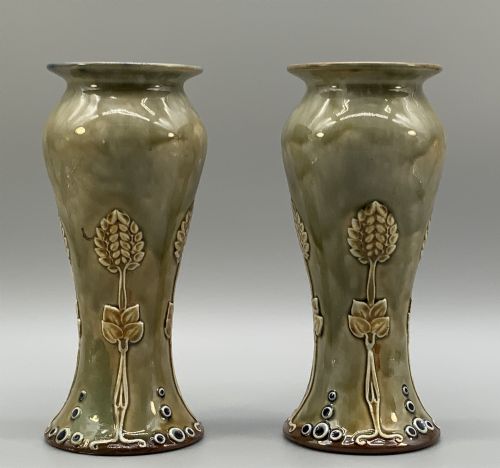
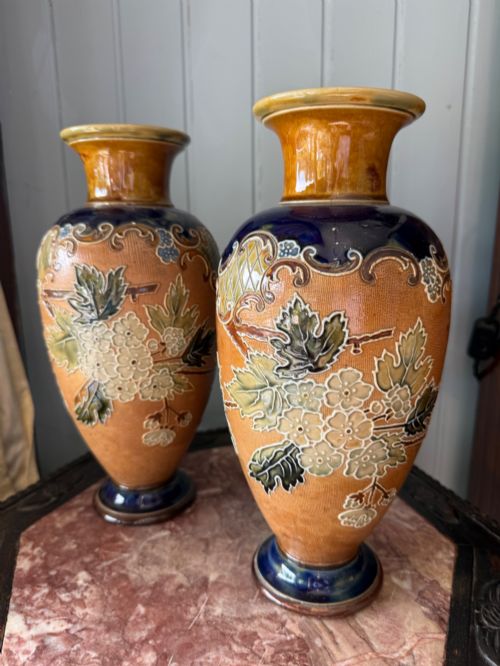
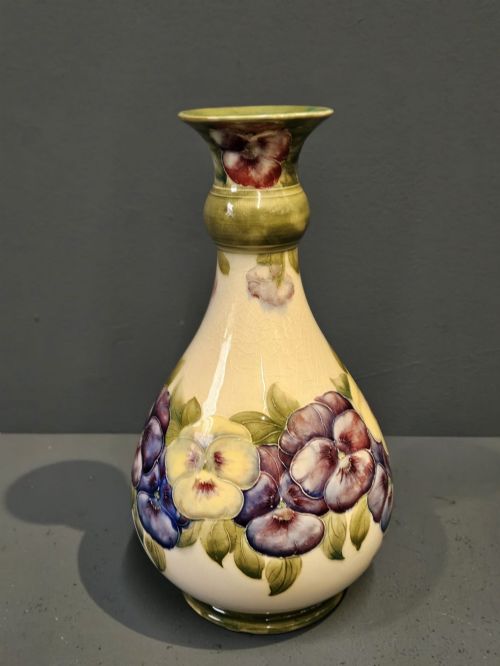
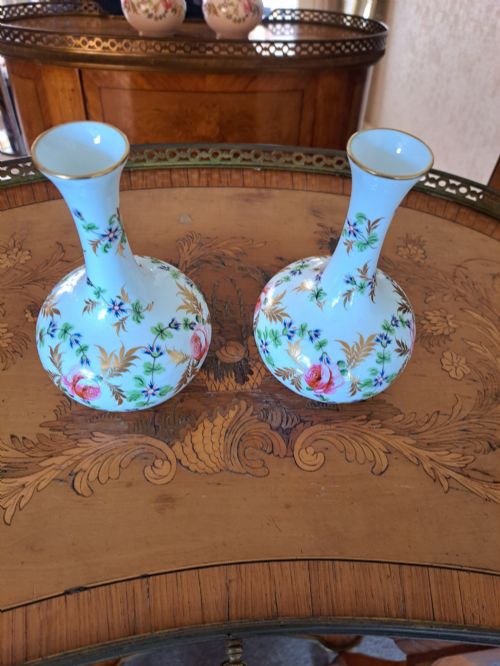
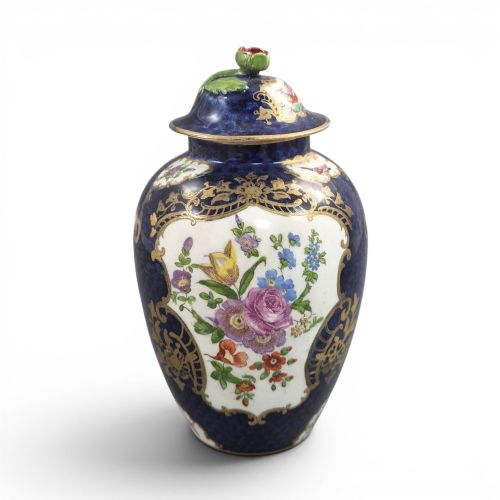
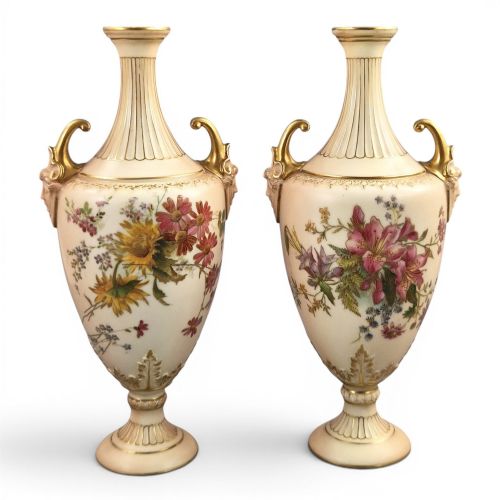
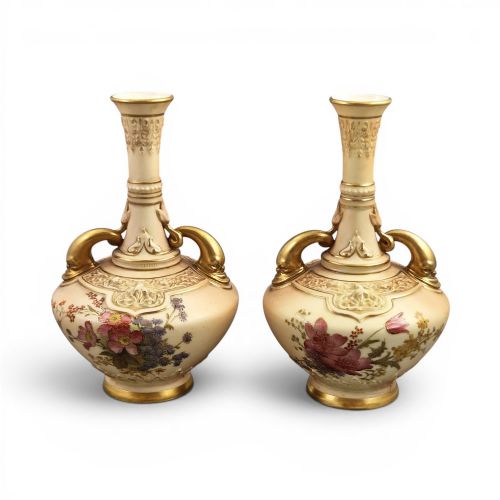
An edwardian floral vase brings botanical motifs into the home through painted porcelain, glazed earthenware and stoneware. The pieces on this page span the periods around the turn of the twentieth century, with strong representation from Edwardian and Victorian years alongside related Art Nouveau designs.
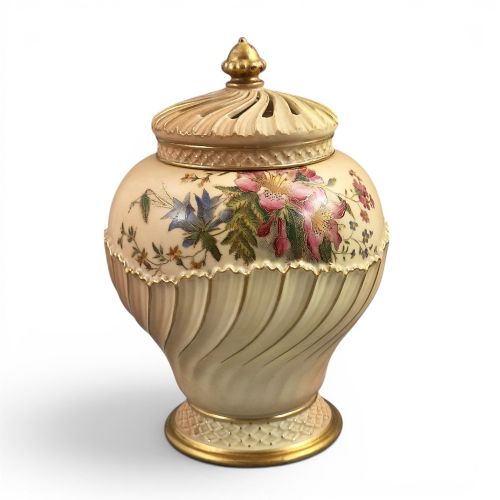
Forms range from small bud vases and posy vessels to grand baluster shapes, jars and covered urns. Makers utilise floral decoration across diverse ceramic bodies, reflecting the widespread popularity of natural subjects in domestic decoration during this era.
How They Were Made
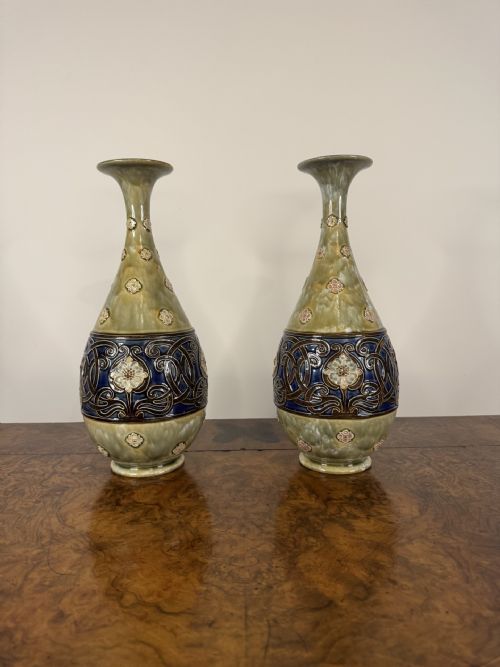
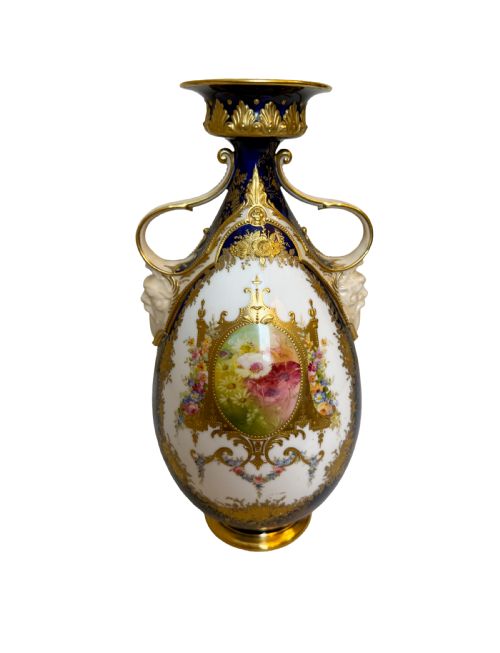
Potters shaped these vessels from porcelain, earthenware, and stoneware, frequently employing techniques such as tube-lining to contain vibrant enamel colours. Hand-painting remains prominent, often combined with gilding, gold leaf or metallic overlays.
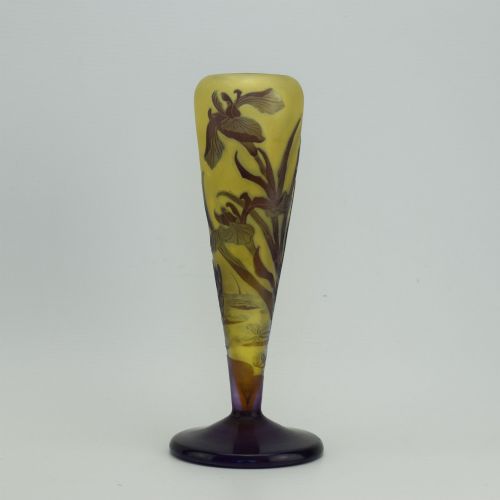
Glass alternatives utilise cameo carving and enamelling to achieve translucent floral effects. Stoneware pieces often feature textured grounds like Slater's Patent finishes beneath hand-applied botanical decoration.
Listings feature porcelain, stoneware, and earthenware bodies decorated with hand-painted floral motifs across Edwardian and Victorian periods.
What Varies in Quality
Quality rests in the precision of the hand-painted botanical detail and the crispness of the modelling. Superior examples demonstrate careful brushwork where floral forms render with distinct depth rather than generic stencilling.
The sophistication of the glaze chemistry and the harmony of secondary decoration, such as gilt accents or pewter mounts, elevate certain vessels above standard production pieces.
Royal Doulton·Royal Worcester·Minton·Crown Derby·Wileman Intarsio·Galle
The Edwardian Floral Vase Glossary
- Blush ivory
- A soft, cream-coloured porcelain ground developed by Royal Worcester, typically decorated with delicate floral sprays in pastel tones.
- Tube-lined
- A ceramic decoration technique where thin trails of clay are piped onto the body to outline floral motifs before glazing and firing.
- Baluster
- A vertical vase form characterised by a rounded lower body that tapers upward to a narrower neck.
- Posy vase
- A small vessel specifically designed to hold short-stemmed floral arrangements rather than large bouquets.
- Imari
- A decorative style featuring rich cobalt blue and iron red highlights, frequently enhanced with gold.
Edwardian Floral Vase: Frequently Asked Questions
Were these vases meant for flowers?
Many vessels served a dual purpose as functional flower holders and purely decorative mantelpiece ornaments. Posy vases and bud holders accommodated fresh stems, while larger covered jars functioned as ornamental pot-pourri containers.
The presence of interior staining often indicates practical use, whereas pristine interior surfaces suggest pieces kept primarily for display.
How can I tell Edwardian from Victorian pieces?
Edwardian examples typically display lighter pastel palettes and more stylised floral motifs influenced by early modern design trends. Victorian pieces frequently favour heavier gilding, richer cobalt grounds, and dense naturalistic painting.
Maker marks and registration numbers stamped on the base provide definitive dating clues when stylistic overlap makes visual distinction difficult.
Can I display these in direct sunlight?
Prolonged exposure to direct sunlight can fade delicate enamel colours and hand-painted floral pigments over time. Position vases away from south-facing windows to preserve the original vibrancy of the glazes.
Rotating the pieces periodically ensures even light exposure if they sit in naturally bright rooms.